Main Courses
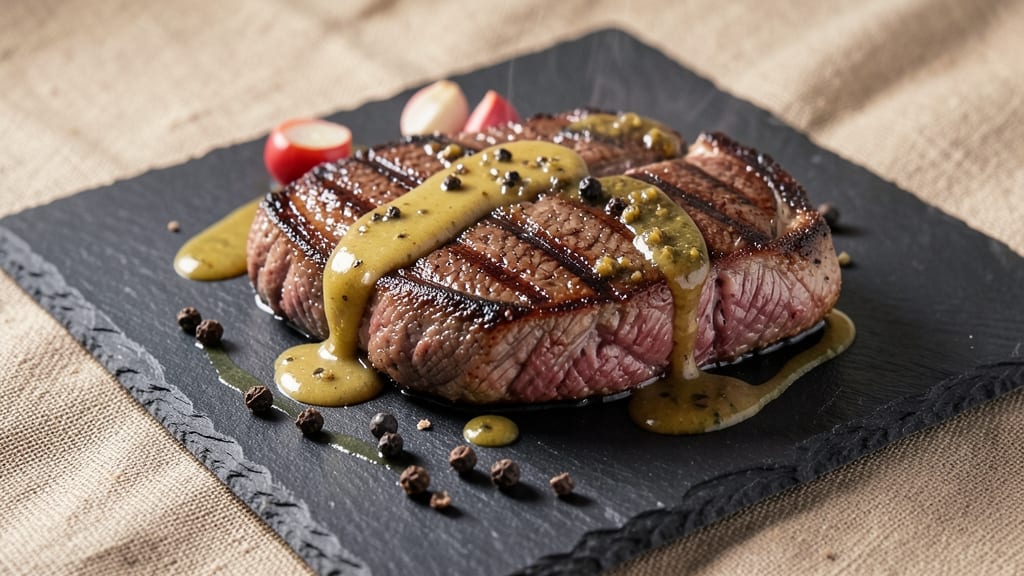
This wagyu strip steak recipe transforms a luxury ingredient into a restaurant-quality meal you can master at home. The secret lies in understanding its unparalleled marbling and how to preserve that buttery richness while creating a perfect crust.
After years of perfecting this technique, I've developed a method that ensures every bite delivers that signature melt-in-your-mouth tenderness with a caramelized exterior.
The key to cooking wagyu properly begins with proper preparation—never overhandling the meat—and using high-heat methods like reverse searing to maintain its natural juices. A simple seasoning approach lets the beef's inherent flavors shine while enhancing them with just the right amount of salt and a touch of garlic butter.
Professional chefs rely on precise internal temperatures to achieve perfect doneness without drying out this delicate cut.
What you'll achieve is a steak with a crisp, golden crust that gives way to layers of tender, buttery beef where each bite practically melts. The marbling releases as you cut, creating pockets of flavor that make every mouthful unforgettable.
This is the kind of steak that makes even the most skeptical meat lovers reconsider their expectations of home cooking.
Serve with classic sides like roasted garlic mashed potatoes or a simple arugula salad to complement the richness. The techniques here apply whether you're using a cast-iron skillet, grill, or even a broiler—each method delivers the same exceptional results when executed properly.
Let's get started on creating your perfect wagyu experience.
Ingredients for wagyu strip steak
Four ingredients transform luxury beef into a melt-in-your-mouth masterpiece—no fancy tricks needed.
| Ingredient | Amount | Notes |
|---|---|---|
| Wagyu Strip Steak 🥩 | 1 ½ lb | Center-cut, 1-1.5 inches thick |
| Unsalted Butter 🧈 | ½ cup | Cold, cut into 8 pieces |
| Garlic Cloves 🧄 | 4 cloves | Fresh, peeled and smashed |
| Kosher Salt 🧂 | 1 tbsp | Fine grain, flaky preferred |
| Black Peppercorns 🌶️ | 1 tsp | Freshly cracked, coarse grind |
| Extra-Virgin Olive Oil 🫒 | 2 tbsp | High smoke point preferred |
| Fresh Thyme Leaves 🌿 | ¼ cup | Chopped, stems removed |
| Cast-Iron Skillet 🔥 | 1 whole | 12-inch or larger preferred |
| Meat Thermometer 🌡️ | 1 whole | Instant-read preferred |
| Bacon-Wrapped Asparagus 🍃 | 1 lb | Optional side pairing |
| Roasted Garlic Mashed Potatoes 🥔 | 4 cups | Optional side pairing |
The wagyu strip steak is your star—center-cut, 1-1.5 inches thick—that's non-negotiable for even cooking. Costco or specialty butchers like Snake River Farms carry the best quality, but even grocery stores stock it now. Look for bright red color and thick marbling—that's where the flavor hides. Thaw it in the fridge overnight if frozen, never at room temp. The butter? European-style, 82% fat—none of that low-fat nonsense. I grab mine from Whole Foods or Penzeys because it makes all the difference. Fresh thyme? Trader Joe's sells it in little jars—perfect for this recipe.
No fresh thyme? Dried works at half the amount, but fresh is worth hunting down. Ran out of olive oil? Avocado oil has a higher smoke point—just don't use regular vegetable oil. The garlic can be roasted ahead of time for extra sweetness (microwave 30 seconds in a bowl with oil). For the salt, Diamond Crystal flakes beautifully on top. No thermometer? Finger test works: press gently—it should feel like the pad of your thumb when done. The butter pieces? Cut them cold—they'll melt into golden pools on your steak. Pro tip: wrap the steak in parchment before seasoning to keep it from sticking.
This steak is best served immediately after cooking, but it reheats beautifully if wrapped tightly in foil. For leftovers (though there shouldn't be any), reheat in a 200°F oven for 10 minutes. The sides? Roasted garlic mashed potatoes take 20 minutes while the steak rests, and the bacon-wrapped asparagus? 15 minutes max. Store any leftovers in an airtight container for up to 3 days, but honestly, you'll eat it all before then. The real secret? Let it rest 10 minutes—that's when all the juices redistribute. Trust me, it's worth the wait.
Why You'll Love This Recipe
- Five-Ingredient Magic: I swear, this recipe nails the "less is more" philosophy. You’re basically just searing wagyu, baste it with browned butter and garlic, then finishing with a crack of pepper—no fuss, no clutter, just pure flavor.
- Butter-Basted Bliss: That moment when the steak hits the pan and the butter starts foaming? It’s like a flavor explosion. The garlic cloves sizzle into crispy perfection, and the butter coats every bite—rich, unctuous, and impossible to resist.
- Weeknight to Date Night: Between us, this steak works for everything. Throw it on a sheet pan for a lazy Tuesday, serve it with roasted potatoes for a casual dinner, or pair it with a fancy wine for a night out. The prep is the same—just adjust the vibe.
- Leftover Luxury: Here’s what sold me—leftover wagyu is still a showstopper. Slice it thin for a next-day sandwich, cube it into a grain bowl, or just reheat it gently with a pat of butter. It’s the kind of leftovers people actually ask for.
Step-by-step instructions for wagyu strip steak with buttery crust
Here's how to transform your wagyu into a restaurant-worthy masterpiece with a perfect buttery crust and melt-in-your-mouth tenderness.
Season and Sear the Wagyu for Maximum Flavor
Take the 1.5 lb wagyu strip steak out of the refrigerator and let it sit at room temperature for 30 minutes. This ensures even cooking throughout. Pat it dry completely with paper towels—moisture is the enemy of that perfect crust we're after.
Generously season both sides with 1 tablespoon of kosher salt and 1 teaspoon of freshly cracked black peppercorns. I like to press the seasoning into the meat so it penetrates slightly. Let it rest for another 10 minutes while you prepare your pan.
Heat the 12-inch cast-iron skillet over medium-high heat until it's very hot. Add 2 tablespoons of extra-virgin olive oil and let it shimmer for about 30 seconds. Place the steak in the pan and press down gently with a spatula during the first minute—this prevents curling and ensures even contact with the hot surface.
Build the Buttery Crust and Add Aromatics
After the initial sear, add the 8 pieces of cold unsalted butter to the pan. The butter should foam and sizzle dramatically—this is where all the magic happens. Let it cook undisturbed for 2 minutes, then flip the steak and add the 4 smashed garlic cloves and 0.25 cup chopped fresh thyme leaves to the pan.
The butter will slowly melt and baste the steak, creating that luxurious crust while infusing incredible flavor. You'll know it's ready to flip again when you see deep golden-brown color developing on the first side. Flip carefully and let the other side sear for another 2 minutes.
For a perfectly medium-rare steak, check the internal temperature with your meat thermometer—it should read 125°F. If you prefer it more done, continue cooking until it reaches 130°F for medium. The residual heat will carry it to your desired doneness during the resting period.
Rest and Slice for Maximum Juiciness
Transfer the steak to a cutting board and let it rest for 10 minutes. This crucial step allows the juices to redistribute throughout the meat instead of running out when you slice. Tent loosely with foil to keep it warm.
While the steak rests, you can prepare your sides. The 1 lb bacon-wrapped asparagus and 4 cups roasted garlic mashed potatoes will complement this luxurious steak perfectly. Keep them warm in the oven at 200°F until ready to serve.
When ready to serve, slice the steak against the grain into 0.5-inch thick pieces. Each slice should be tender enough to cut with minimal resistance, with that beautiful marbled texture visible throughout. The buttery crust should be golden and crispy, while the interior remains juicy and pink in the center.
Plate and Serve with Confidence
Arrange the sliced steak over the roasted garlic mashed potatoes, fanning the slices slightly for an appealing presentation. Spoon any remaining butter and garlic mixture from the pan over the top for extra richness. Serve immediately with the bacon-wrapped asparagus on the side.
This is where all your hard work pays off—each bite should deliver that incredible marbled tenderness with a perfect buttery crust. The combination of the rich steak, aromatic garlic butter, and crispy bacon-wrapped asparagus creates a truly unforgettable dining experience. Enjoy your masterpiece!
Pro Tips For Making Wagyu Strip Steak
- Preheat Pan Until Smoking: Wagyu needs that sear to render the fat properly—no half-measures. Heat your cast iron or heavy skillet on high for 3-4 minutes until it’s so hot a drop of water sizzles violently. I used to rush this, and the butter would just melt into a sad, greasy puddle instead of a flavor bomb.
- Slice Garlic Like a Pro: Smash those cloves with the flat side of your knife first—this keeps the flavor potent without burning. Then, slice thinly but unevenly (some thicker pieces for texture). After burning through three batches of garlic powder, I finally realized fresh, raw slices are the only way to get that buttery, aromatic punch.
- Salt Before Butter: Season the steak generously with kosher salt at least 40 minutes before cooking—this lets the salt penetrate and tenderize. Then, when you add the butter, the salted crust will grab onto it like glue, creating that perfect crust. I skipped this once and ended up with a steak that tasted like it was missing half its soul.
- Rest Under Foil: After cooking, tent the steak with foil and let it rest for 5-10 minutes—not on a cutting board where it’ll sweat. The residual heat keeps it juicy while the crust sets. I was always impatient and sliced into it too soon, turning a melt-in-your-mouth bite into a sad, stringy mess. (Your future self will thank you.)
Common mistakes when making great wagyu strip steak
Overcooking the Steak
Wagyu's luxurious marbling makes it dangerously easy to overcook—once that internal temperature hits 135°F, the delicate fat begins breaking down too quickly. I've ruined perfectly good steaks by walking away from the pan or relying on visual cues alone.
Always use a meat thermometer and remove the steak when it reaches 125°F for medium-rare—the residual heat will bring it to 130°F during the 10-minute rest. 🌡️
Skipping the Rest Period
This is the cardinal sin of wagyu cooking. The 10-minute rest allows those incredible marbles to reabsorb their juices—cutting too soon sends all that precious moisture pooling on your plate.
I once served a steak immediately and had a guest say it tasted "dry," which stung because I'd followed every other step perfectly. Trust the process: tent with foil and let it rest.
Using the Wrong Oil
Vegetable oil has a low smoke point and will burn before you get that perfect crust. I've made this mistake with generic store-brand oils, and the results were disappointing.
Stick with extra-virgin olive oil (smoke point 375°F) or avocado oil (520°F), both of which handle high heat beautifully. A 12-inch cast-iron skillet should be your go-to pan—it retains heat perfectly for that even sear.
Overcrowding the Pan
Adding all 8 butter pieces at once can cause the pan temperature to drop, leading to steamed rather than seared meat. I learned this the hard way when my first attempt resulted in a sad, pale steak.
Instead, add the butter in two batches: half with the first side, then the rest when you flip. The same goes for garlic—add it gradually to prevent burning.
Not Drying the Steak
Moisture on the surface prevents that golden crust from forming. I've seen home cooks skip this step because they think it's unnecessary—big mistake. Pat your wagyu dry with paper towels before seasoning, even if it looks dry to begin with.
The extra 30 seconds you spend drying makes a world of difference in crust development.
Using Low-Quality Butter
That 82% fat European-style butter is non-negotiable for this recipe. I've tried using regular American butter (80% fat) and noticed a significant difference in flavor and richness.
The higher fat content melts more dramatically, creating those luxurious pools that baste the steak. Plugrá or Kerrygold are my top picks—don't skimp here.
Nutrition facts
Frequently asked questions
How do I know when my wagyu strip steak is perfectly cooked?
Use a meat thermometer for precision—125°F for medium-rare is ideal. The steak's natural marbling means it cooks faster than regular beef, so remove it slightly earlier than you would with other cuts. The crust should be golden-brown, while the interior remains tender and pink.
Can I grill wagyu strip steak instead of pan-searing?
Preheat your grill to medium-high heat (400-450°F) and use direct heat for 2-3 minutes per side for medium-rare. Add butter and aromatics in the last minute to create the same luxurious crust. A cast-iron grill grate works best for even searing.
What's the best way to store leftover wagyu?
Wrap slices tightly in plastic wrap, then place in an airtight container. Store in the fridge for 3-4 days or freeze for up to 3 months. To reheat, warm in a 200°F oven for 10 minutes wrapped in foil to preserve moisture. Never microwave—it ruins the texture.
Should I trim the fat from wagyu strip steak?
Never trim wagyu! The fat marbling is what makes it special. Instead, pat it dry and let the fat render naturally during cooking. The melted butter creates that signature buttery crust. If concerned about excess fat, leave a 1/4-inch border around the edges.
What wine pairs best with wagyu strip steak?
Rich, full-bodied reds like Cabernet Sauvignon or Malbec complement the beef's fat content. For white options, try Chardonnay with oak aging. Avoid tannic wines that might clash with the delicate marbling. A Bordeaux blend is my personal favorite—it balances the richness beautifully.