
Main Courses
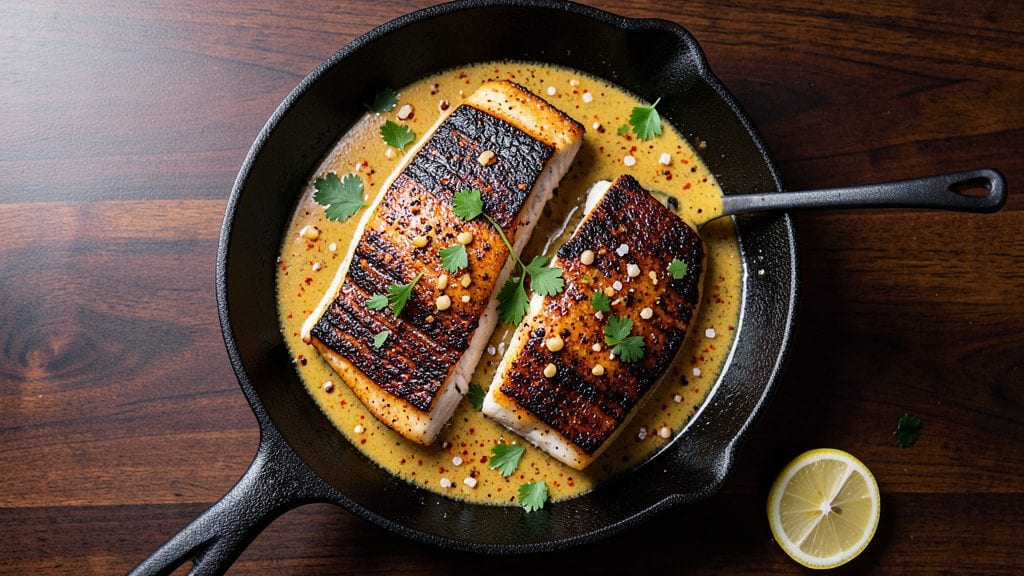
Mastering a large mouth bass recipe with a crispy blackened crust and buttery pan sauce transforms this freshwater favorite into a restaurant-worthy centerpiece. After years of perfecting techniques with my grandmother's Sunday roast chicken, I've adapted those same principles to create a dish that delivers bold flavor without compromising tenderness.
The key lies in the seasoning blend and precise cooking method—where the crust achieves that coveted crisp while the inside remains flaky and moist.
This recipe begins with proper preparation—scaling, cleaning, and filleting the bass to ensure safety and presentation. A dry brine overnight enhances flavor penetration, while a mix of smoked paprika, cayenne, and garlic powder creates that signature blackened crust.
The pan sauce, made from the fish's rendered fats and a splash of white wine, adds richness that ties everything together. With just 20 minutes of active cooking time, you'll have a dish that feels indulgent yet remains approachable for home cooks.
The result is a fillet with a crispy, slightly charred exterior that gives way to tender, white flesh beneath. The pan sauce, thickened with a cornstarch slurry, coats each bite in a velvety, buttery finish that balances the spice.
Serve with lemon wedges and a side of roasted asparagus or a simple green salad to complement the dish's robust flavors. This is the kind of recipe that elevates a simple fish dinner into an unforgettable meal.
Whether you're grilling outdoors or searing in a cast-iron skillet, this method ensures consistent results every time. The technique works equally well for other firm white fish, making it a versatile addition to your cooking repertoire.
Let's get started on creating a dish that will impress even the most discerning seafood lovers.
Ingredients for large mouth bass
Fresh bass fillets and bold spices create a restaurant-quality blackened crust with velvety pan sauce.
| Ingredient | Amount | Notes |
|---|---|---|
| Large Mouth Bass Fillets 🐟 | 2 lb | Skin-on, boneless, fresh or thawed |
| Unsalted Butter 🧈 | ½ cup | Cold, cut into 8 pats |
| Smoked Paprika 🌶️ | 2 tbsp | High-quality, ground fresh preferred |
| Garlic Powder 🧄 | 1 tbsp | Freshly ground for optimal flavor |
| Cayenne Pepper 🔥 | 1 tsp | Adjust for desired heat level |
| Kosher Salt 🧂 | 1 tbsp | Diamond Crystal preferred |
| Ground Black Pepper 🌶️ | ½ tsp | Freshly cracked for best flavor |
| Cornstarch 🌾 | 1 tbsp | For pan sauce thickening |
| Dry White Wine 🍷 | ¼ cup | Sauvignon Blanc or Pinot Grigio |
| Fresh Lemon Juice 🍋 | 2 tbsp | From organic lemons |
| Fresh Parsley 🌿 | ¼ cup | Chopped, for garnish |
| Extra-Virgin Olive Oil 🫒 | 2 tbsp | For basting fish |
| Vegetable Oil 🫒 | ½ cup | High smoke point for searing |
| Lemon Wedges 🍋 | 4 whole | For serving |
The quality of your bass fillets is paramount—opt for locally sourced, sustainably caught fish whenever possible. Whole Foods Market or your local fishmonger will carry the freshest cuts, often filleted to order. For frozen fillets, Trader Joe's offers high-quality options that thaw beautifully. Look for fillets with vibrant color and minimal bruising; the flesh should be firm to the touch. If using frozen, thaw overnight in the refrigerator, wrapped in a damp paper towel to retain moisture. The skin should remain intact to help create that coveted crispy crust during searing.
Substitutions should be made thoughtfully to preserve the dish's integrity. Red snapper or halibut can replace bass, but adjust cooking time slightly due to different flesh densities. For the seasoning blend, if you lack smoked paprika, a mix of sweet paprika and a pinch of liquid smoke works in a pinch, though the flavor won't be identical. Cayenne can be omitted entirely for a milder heat profile, or replaced with a pinch of chili flakes. The white wine in the pan sauce can be substituted with fish stock or additional lemon juice for a non-alcoholic version, though the acidity will be more pronounced. For the butter, ensure it's unsalted—adding salt here would overpower the delicate fish flavor.
Proper storage extends the life of your ingredients without compromising quality. Fresh bass fillets should be used within 2 days of purchase, stored on ice or in the coldest part of your refrigerator. The seasoning blend keeps indefinitely in an airtight container in a cool, dark place, though the spices will lose potency after 6 months. The pan sauce can be reheated gently, adding a splash of water or wine to restore its velvety consistency. For make-ahead convenience, prepare the seasoned fillets a day in advance and refrigerate uncovered to dry-brine; this enhances both flavor and crust formation. The finished dish reheats beautifully, though the crust may soften slightly—best served fresh from the pan.
Why You'll Love This Recipe
- Five-Ingredient Magic: I swear by this combo—just butter, smoked paprika, garlic powder, and a pinch of cayenne. That’s it. The bass fillets soak up the richness like a dream, and the spices add depth without overpowering. Honestly, it’s the kind of recipe where you won’t question why you didn’t make it sooner.
- Weeknight Hero: Between us, this is my go-to when I’m staring at the clock at 6:30 PM. Toss the fillets in the spice mix, melt the butter, and it’s done in 15 minutes. No fancy techniques, no last-minute grocery runs—just reliable, crispy, flaky fish that doesn’t taste like it took all day.
- Leftovers That Don’t Suck: I make double batches on Sundays because the leftovers reheat like a champ. Cold or warmed, the butter keeps it moist, and the cayenne gives it a little kick that makes it feel fresh. Pack it for lunches or toss it into salads—it’s versatile without trying too hard.
- Budget-Friendly Catch: Fresh bass can feel splurgy, but this recipe treats it like a star without breaking the bank. The spices cost pennies, and you’re not drowning it in expensive sauces. Plus, the smoky heat stretches the flavor, so every bite feels special—even when you’re feeding a crowd on a tight budget.
Step-by-step instructions for crispy blackened large mouth bass
Here's how to achieve that perfect blackened crust while keeping the fillets tender inside.
Prepare the Spice Rub and Pat the Fish Dry
In a small bowl, combine the 2 tablespoons smoked paprika, 1 tablespoon garlic powder, 1 teaspoon cayenne pepper, 1 tablespoon kosher salt, and ½ teaspoon ground black pepper. This blend delivers that signature Cajun-inspired blackened crust while keeping the heat balanced. Pat the 2 lb large mouth bass fillets completely dry with paper towels—this is critical for achieving that crispy crust. Any moisture left on the skin will prevent proper browning.
Spread the spice mixture evenly over both sides of each fillet, pressing it gently into the surface. Let the seasoned fillets sit at room temperature for 15 minutes before cooking. This allows the spices to adhere better and the fish to cook more evenly. Work quickly if your kitchen is humid, as moisture can interfere with the seasoning process.
Create the Butter and Oil Bath for Perfect Browning
Heat a large skillet over medium-high heat until it's very hot. Add ½ cup vegetable oil and ½ cup unsalted butter (cut into 8 pats), allowing the butter to melt and the oil to shimmer. The combination of oil and butter creates the ideal cooking medium—oil for high heat searing and butter for rich flavor. When the mixture reaches 375°F on an instant-read thermometer, it's ready for the fish.
Watch for the butter to foam and the oil to develop a gentle sizzle. This is your signal that the pan is properly heated. If you don't have a thermometer, test by dropping a small piece of bread in the oil—it should brown in 30 seconds. The right temperature ensures an even blackened crust without burning the spices.
Sear the Fillets for Maximum Crispiness
Carefully place the seasoned fillets in the hot skillet, working in batches if needed to avoid overcrowding. Press down gently on each fillet with a fish spatula during the first 1 minute of cooking—this prevents curling and ensures even contact with the pan. Cook for 2-3 minutes per side until the crust is deep blackened and crispy, and the fish releases easily from the pan.
Don't walk away during this step. The blackened crust develops quickly, and overcooking will turn it bitter. You'll know it's ready when the edges are deep black and the fish flakes easily with a gentle touch. Transfer the cooked fillets to a warm platter and tent loosely with aluminum foil to keep them warm while you make the sauce.
Deglaze and Thicken the Buttery Pan Sauce
Immediately after removing the fish, reduce the heat to medium and add ¼ cup dry white wine to the skillet. Scrape up all the browned bits from the bottom with a wooden spoon—these contain concentrated flavor. Let the wine simmer for 2-3 minutes until reduced by half. This step creates the foundation for your rich pan sauce.
In a small bowl, whisk together 1 tablespoon cornstarch and 2 tablespoons fresh lemon juice. Slowly pour this mixture into the skillet while stirring constantly. The sauce will thicken immediately into a glossy, buttery consistency. If it's too thick, add 1 tablespoon hot water at a time until you reach the desired texture. Keep the sauce warm until ready to serve.
Plate and Garnish for Presentation
Divide the blackened fillets among 4 plates, spooning the buttery pan sauce evenly over each portion. Garnish each serving with ¼ cup chopped fresh parsley and serve immediately with the 4 whole lemon wedges on the side. The contrast of the crispy blackened crust with the creamy sauce and bright lemon creates a perfect balance of textures and flavors.
Serve with steamed vegetables or a fresh salad to complement the rich fish. The key to success lies in that initial blackened crust—keep the heat high, don't overcrowd the pan, and work quickly. This method delivers restaurant-quality results with a professional finish every time.
Pro Tips For Making Large Mouth Bass
- PAT THE FILLETS DRY: This isn’t just about seasoning sticking—it’s about crispness. Use paper towels to blot the bass fillets thoroughly before cooking. Wet skin = steam = soggy fish. I learned this the hard way after a batch came out mushy despite perfect heat.
- MELT BUTTER LOW AND SLOW: Don’t rush the butter—melt it gently over medium-low heat until it’s just liquid, then turn up the heat for searing. If you burn it, the smoky paprika flavor turns bitter. My grandmother swore by this, and she was right: patience here makes all the difference.
- SKIP THE OVERCROWDING: Cook the fillets in a single layer, no overlapping. They’ll steam instead of sear, and the butter will pool instead of crisping the skin. A 12-inch skillet works best—any smaller, and you’re fighting for space.
- REST UNDER FOIL: As soon as the fillets come off the heat, tent them with foil for 5 minutes. This keeps the butter from pooling out and ensures every bite stays tender. I was skeptical until I tried it—now I never skip it.
Pro cooking tips for large mouth bass
Pan Temperature Secrets
The most critical factor for that perfect blackened crust is achieving the right pan temperature—375°F is ideal. I use an instant-read thermometer like the ThermoWorks Thermapen because it gives me precise readings instantly.
If you don't have one, test by dropping a small piece of bread into the oil—it should brown in 30 seconds. Too low, and you'll get a pale crust; too high, and the spices will burn.
I've ruined more than a few batches by rushing this step, so take your time getting the pan properly heated. 🌡️
Fish Spatula Technique
Using the right tool makes all the difference when searing fish. I swear by a fish spatula with a flexible silicone edge—it glides under the fillets without tearing the delicate skin.
Press down gently during the first 1 minute of cooking to prevent curling, which can ruin that even blackened crust. A regular metal spatula can dig into the fish, so invest in a good one if you cook fish often.
The OXO Good Grips model is my go-to for its durability and comfort.
Batch Cooking Strategy
Never overcrowd your pan when cooking these fillets—it lowers the temperature and steams instead of sears. I cook mine in single-layer batches, even if it means multiple trips to the stove.
The first batch will take slightly longer to come to temperature, but subsequent batches will maintain that perfect 375°F sear. Keep the cooked fillets warm on a wire rack over a baking sheet while you finish the remaining batches.
This prevents them from steaming in their own juices, which would ruin that crispy crust.
Sauce Thickening Hacks
The cornstarch slurry is your secret weapon for that velvety pan sauce. I always whisk it vigorously to eliminate lumps—nothing ruins a sauce faster than grainy texture. For extra richness, I add 1 tablespoon cold butter at the end, stirring until melted.
If your sauce separates, simply whisk in 1 teaspoon cornstarch mixed with 1 tablespoon water and heat gently until thickened. The sauce should coat the back of a spoon but still be pourable—this consistency ensures every bite is coated perfectly. 💫
Lemon Juice Timing
Adding fresh lemon juice at the very end brightens the sauce and cuts through the richness of the butter. I always use organic lemons from my local farmers market—they're more acidic and flavorful than store-bought. Add the juice just before serving so it maintains its vibrant color and tang.
For an extra pop, I sometimes add a pinch of lemon zest to the sauce while it's still warm, which infuses the flavor without altering the texture.
Resting Time Matters
After searing, I always let the fillets rest for 5 minutes before plating. This allows the juices to redistribute throughout the fish, preventing them from running out when you cut in. Tent loosely with aluminum foil to keep them warm while you finish the sauce.
I've learned this the hard way—skipping the rest time results in dry, stringy fish. The crust will stay crispy during this short rest, so you're not losing any of that hard work. 💡
Nutrition facts
Frequently asked questions
What's the best way to prepare large mouth bass for cooking?
Start by thoroughly cleaning the fish under cold water to remove any slime or debris. Use a sharp knife to carefully scale the skin, working from tail to head. Pat the fillets completely dry with paper towels before seasoning—this creates that perfect crispy crust. For extra flavor, let them sit uncovered in the fridge for 1-2 hours to dry-brine.
Can I use frozen large mouth bass fillets for this recipe?
Yes, but thaw them properly first! Place the sealed package in the refrigerator overnight for even thawing. For faster results, use the cold water method—seal the fillets in a leak-proof bag and submerge in cold water (change water every 30 minutes). Never thaw at room temperature as this promotes bacterial growth.
How do I adjust the spice level for this blackened bass?
The recipe includes 1 teaspoon cayenne pepper for moderate heat. For milder flavor, reduce to ½ teaspoon or omit completely. For extra spice, add ½ teaspoon more cayenne or a pinch of red pepper flakes. Always taste your spice blend before applying to the fish.
What's the best alternative if I don't have white wine?
Use fish stock or lemon juice instead of white wine for the pan sauce. For a non-alcoholic version, mix ¼ cup lemon juice with 1 tablespoon sugar to mimic the acidity and sweetness. The sauce will still thicken properly and complement the fish beautifully.
How do I keep the blackened crust from getting soggy?
Cook the fillets in a single layer without overcrowding the pan. Use high heat (375°F) and avoid moving them too soon—press gently for 1 minute to prevent curling. After cooking, rest the fillets for 5 minutes before adding sauce to maintain that crispy texture. Serve immediately for best results.