Side Dishes
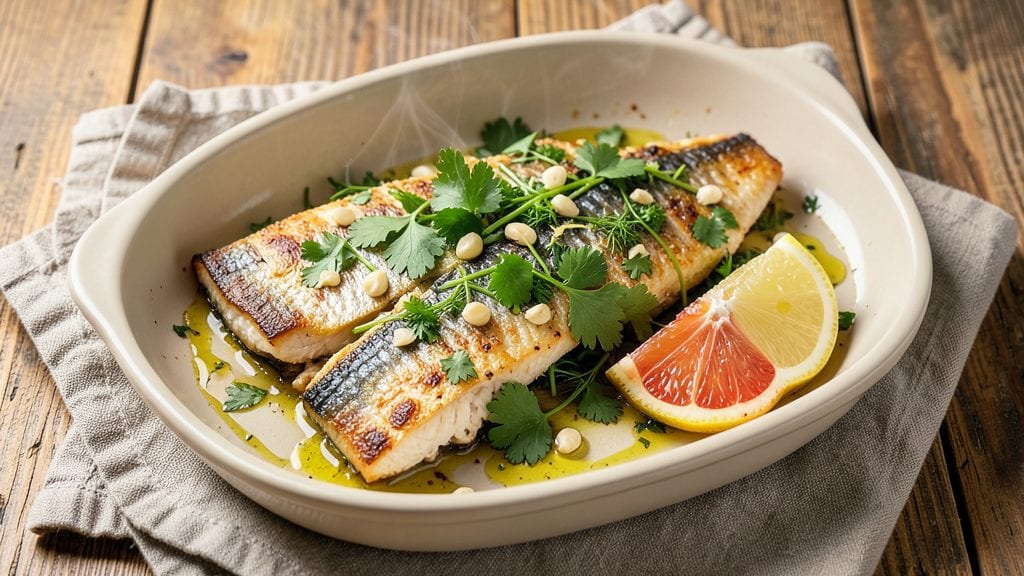
This baked mackerel recipe transforms simple ingredients into a restaurant-worthy dish with a lemon-herb crust that guarantees flaky, buttery perfection. After years of testing techniques, I’ve perfected the balance between crispy exterior and tender, moist flesh—no overcooking required.
The secret lies in the marinade: fresh herbs and citrus brighten the fish while keeping it delicate, ensuring every bite delivers ocean-fresh flavor without fishy overtones.
The process begins with proper preparation—scaling and gutting the mackerel (don’t skip this step!)—then a 15-minute marinade in lemon, garlic, and parsley that infuses flavor without overpowering. Baking at 375°F for 12–15 minutes delivers a golden crust while preserving the fish’s natural richness.
This method works for both whole fillets and steaks, making it versatile for weeknight dinners or elegant gatherings.
What you’ll achieve is a dish that’s foolproof yet impressive, with a crispy, herby crust giving way to melt-in-your-mouth flesh. The lemon-herb topping adds brightness that cuts through the fish’s natural oils, creating a harmonious balance.
Serve with roasted potatoes or a simple green salad to round out the meal—this recipe proves sustainable seafood can be both nutritious and luxurious.
For those concerned about sustainability, mackerel is one of the most abundant and eco-friendly fish choices available. This recipe highlights its natural flavor without masking it, ensuring you’re enjoying a dish that’s as responsible as it is delicious. Let’s get started on creating your best baked mackerel yet.
Ingredients for baked mackerel
Simple, high-impact ingredients create restaurant-quality mackerel with a golden lemon-herb crust.
| Ingredient | Amount | Notes |
|---|---|---|
| Fresh Atlantic Mackerel Fillets 🐟 | 4 whole | Skin-on, deboned, 6-8 oz each |
| Extra-Virgin Olive Oil 🫒 | ¼ cup | High-quality, fruity variety |
| Fresh Lemon Juice 🍋 | ¼ cup | From 1 large lemon, freshly squeezed |
| Fresh Flat-Leaf Parsley 🌿 | ½ cup | Finely chopped, stems included |
| Garlic Cloves 🧄 | 4 cloves | Minced, fresh preferred |
| Fresh Dill Weeds 🌿 | ¼ cup | Finely chopped, stems removed |
| Diamond Crystal Kosher Salt 🧂 | 1 ½ tsp | For seasoning and crust |
| Freshly Ground Black Pepper 🌶️ | ½ tsp | Coarsely cracked |
| All-Purpose Flour 🌾 | 2 tbsp | For dusting fillets |
| Panko Breadcrumbs 🍞 | ¼ cup | For extra crust texture |
| Unsalted Butter 🧈 | 2 tbsp | Melted, for basting |
| Fresh Thyme Leaves 🌿 | ¼ tsp | Finely chopped, from 1 sprig |
The mackerel selection is critical—opt for fresh Atlantic fillets with vibrant color and firm texture. Whole Foods Market or local seafood purveyors offer the best quality, though most grocery stores carry pre-filleted mackerel. For sustainability, look for MSC-certified labels. The fillets should be 6-8 ounces each to ensure proper cooking time without overcrowding. If using whole mackerel, scale and gut immediately to prevent any fishy odors during baking. The lemon juice and fresh herbs should be prepped just before marinating to preserve their bright flavors.
No fresh dill? Substitute with 1 tbsp dried dill, but reduce to half the amount. Running short on parsley? Fresh cilantro works in a pinch, though the flavor profile shifts slightly. For the olive oil, avoid light or refined varieties—they lack the fruity notes needed to complement the fish. The butter can be swapped for olive oil if preferred, though it may alter the crust's texture slightly. When measuring the kosher salt, remember it's coarser—use twice the amount of table salt if substituting. The panko breadcrumbs add texture; crushed cornflakes make a suitable alternative if unavailable.
Store fresh mackerel in the coldest part of your fridge, wrapped in parchment paper, and use within 2 days for optimal freshness. The lemon juice and herbs can be prepped ahead and stored in an airtight container for up to 24 hours in the refrigerator. Once baked, leftovers keep for 1 day in the fridge, though the crust loses its crispness. For longer storage, freeze the cooked fillets for up to 3 months—reheat gently in the oven to restore texture. This dish pairs beautifully with roasted root vegetables or a simple arugula salad for a complete meal.
Why You'll Love This Recipe
- Foolproof Prep: I swear by this—just pat those fillets dry, drizzle with olive oil, and toss in garlic and parsley. No brining, no fussing, no second-guessing. The lemon juice does all the work while you’re scrolling through your phone.
- Crispy-Creamy Magic: That golden crust on the outside? Pure satisfaction. The inside stays tender, the lemon brightens every bite, and the parsley adds a freshness that makes it taste like a fancy dinner—even when it’s just me and a glass of wine at 7 p.m.
- Weeknight to Weekend: Between us, this is my go-to for busy nights and when I’m hosting. Double the batch, and you’ve got tomorrow’s lunch sorted. Serve it with crusty bread for a casual meal or over greens for a dinner party dish—no one will ask how little effort it took.
- Budget-Friendly Protein: Mackerel’s affordable, and a single fillet stretches further than you’d think. Leftovers? Toss them in a salad or wrap them in toast the next day—no waste, no extra cost. Honestly, it’s the kind of recipe that makes grocery day feel like a win.
Step-by-step instructions for lemon-herb crusted mackerel
This method guarantees tender, flaky fillets with a crispy herb crust every time.
Prepare the Herb Crust Mixture
In a medium bowl, combine the 0.5 cup fresh flat-leaf parsley, 0.25 cup fresh dill weeds, 4 cloves minced garlic, 0.25 tsp fresh thyme leaves, 1.5 tsp diamond crystal kosher salt, and 0.5 tsp freshly ground black pepper. Mix thoroughly to distribute the herbs evenly. This aromatic blend forms the foundation of your crust, delivering bright herbal notes that complement the fish perfectly.
Next, add the 2 tbsp all-purpose flour and 0.25 cup panko breadcrumbs to the herb mixture. Stir gently to coat the herbs in flour and breadcrumbs, creating a textured crust that will brown beautifully in the oven. The panko provides extra crunch while the flour helps bind everything together. Keep this mixture ready on your countertop for the next step.
Season and Coat the Mackerel Fillets
Pat each of the 4 whole fresh Atlantic mackerel fillets dry with paper towels, removing any excess moisture from the skin. This step is crucial for achieving a crispy crust - wet skin prevents proper browning. Place the fillets skin-side down on a clean work surface.
Using your fingers or a pastry brush, lightly coat both sides of each fillet with the 0.25 cup extra-virgin olive oil. This creates a barrier that helps the crust adhere while adding richness. Immediately press the herb crust mixture firmly onto both sides of each fillet, ensuring complete coverage. The crust should adhere well to the oily surface, forming an even layer that will crisp in the oven.
Preheat and Prepare the Baking Setup
Preheat your oven to 400°F with the rack positioned in the middle position. This temperature provides enough heat for even cooking while preventing the delicate fish from overcooking. While the oven preheats, position a wire rack over a baking sheet and lightly grease it with the 2 tbsp unsalted butter, melting it slightly with a warm spoon if needed.
Arrange the coated fillets on the prepared wire rack, leaving about 1 inch between each piece. The rack allows hot air to circulate around the fish, promoting even cooking and crisping. Place the baking sheet on the lower oven rack initially - this helps prevent the crust from burning before the fish cooks through.
Bake to Flaky Perfection
Bake the mackerel for 12-15 minutes until the crust is golden brown and crispy, and the fish flakes easily when tested with a fork. The exact time depends on your oven's heat distribution - start checking at the 12-minute mark. You'll see the crust develop a beautiful golden color and smell the aromatic herbs wafting from the oven.
During the last 2 minutes of baking, transfer the baking sheet to the upper oven rack to ensure the crust browns evenly. This temperature shift helps create that perfect contrast between the crispy exterior and tender interior. The fish is done when it reaches an internal temperature of 145°F and flakes easily with minimal resistance.
Finish with Lemon and Serve Immediately
Remove the fillets from the oven and immediately drizzle each with 1 tablespoon of fresh lemon juice (dividing the 0.25 cup evenly). The acidity brightens the flavors and cuts through the richness of the butter and herbs. Let the fish rest for 2-3 minutes before serving to allow the juices to redistribute.
Garnish each fillet with additional chopped parsley and dill if desired. Serve immediately with lemon wedges on the side for squeezing over each portion. The contrast between the crispy herb crust, tender fish, and bright lemon creates a harmonious balance of textures and flavors that makes this dish truly exceptional.
Pro Tips For Making Baked Mackerel
- PAT THE FILLETS DRY: Mackerel stays moist when it wants to—don’t let it win. Use paper towels to blot those fillets thoroughly before baking; I learned this the hard way when my first batch turned out soggy instead of crisp. Wet skin equals steam, not crunch.
- BAKE AT 375°F: Too hot, and you’ll end up with rubbery fish. Too cool, and it’ll turn to mush. 375°F is the Goldilocks zone—hot enough for a gentle bake, low enough to keep the flesh tender. If your oven runs hot, drop it to 350°F and add 5 minutes.
- ZEST THE LEMON FIRST: That bright citrus flavor? It’s not just juice. Zest the lemon before juicing and sprinkle it directly over the fillets—it clings better than a drizzle ever could. My grandmother swore by this, and she was right: the aroma alone makes the dish taste fresher.
- GARLIC SLICE, DON’T MINCE: Whole garlic cloves (peeled, halved) brown better and infuse flavor without turning bitter. If you’re in a rush, thinly slice them instead of mincing—it’s faster and still packs a punch. Just don’t skip the olive oil; garlic needs fat to sing.
Flavor customization for this recipe
Citrus Glaze Twist
For a tangy-sweet contrast, mix 2 tbsp honey with 2 tbsp fresh orange juice and 1 tsp grated orange zest. Brush this glaze over the fillets after coating with the herb mixture, then bake.
The honey caramelizes beautifully, creating a sticky-sweet crust that balances the fish's natural oils. Serve with extra orange slices for garnish. 🍊
Spicy Harissa Crust
Replace the parsley and dill with 2 tbsp harissa paste mixed into the crust. Add 1 tsp smoked paprika and ½ tsp cayenne pepper for heat.
The harissa adds smoky depth while the cayenne gives a subtle kick. Pair with cooling yogurt sauce or minty tabbouleh to balance the spice. 🌶️
Garlic Butter Baste
After the initial 8 minutes of baking, remove the fillets and baste with 2 tbsp melted garlic butter (mix 2 tbsp butter with 1 minced garlic clove).
Return to the oven for the final 4-6 minutes to create a rich, golden finish. This technique adds extra richness without overpowering the herbs. 🧈
Crispy Panko Parmesan
Swap the panko for a mix of ½ cup panko and 2 tbsp grated Parmesan cheese. Add 1 tsp dried oregano to the crust mixture for an Italian-inspired twist. The Parmesan adds umami depth and extra crunch. Use this variation when serving with lemony pasta or roasted vegetables. 🧀
Smoked Paprika Dry Rub
Create a dry rub by mixing 1 tbsp smoked paprika, 1 tsp onion powder, and ½ tsp garlic powder. Press this onto the fillets before adding the herb crust.
The smoky flavor pairs beautifully with the lemon-herb topping, adding complexity to each bite. Perfect for those who enjoy a touch of smokiness. 💨
Asian-Inspired Ginger-Lime
Marinate the fillets for 10 minutes in 2 tbsp soy sauce, 1 tbsp grated ginger, and 1 tbsp lime juice before coating with the crust. The ginger adds warmth while the lime brightens the dish. Garnish with sliced scallions and sesame seeds for an elegant presentation. 🌿
Nutrition facts
Frequently asked questions
Why does my baked mackerel turn out rubbery instead of flaky?
Overcooking is the most common cause. Mackerel cooks quickly—bake at 400°F for only 12-15 minutes (or until it reaches 145°F internally). Use a meat thermometer to avoid dryness. Also, pat the fillets completely dry before baking to prevent steaming, which makes them tough.
Can I use frozen mackerel fillets for this recipe?
Yes, but thaw them properly first! Place frozen fillets in the fridge overnight or use the cold water method (sealed in a leak-proof bag for 30 minutes). Never thaw at room temperature—this promotes bacterial growth. Once thawed, pat them very dry and follow the recipe as written.
What's the best way to store leftovers?
Store baked mackerel in an airtight container with a paper towel pressed on top to absorb moisture. Keep it refrigerated for up to 2 days. For longer storage, freeze for 3 months. Reheat gently in the oven at 350°F for 5-7 minutes to restore texture—microwaving makes it rubbery.
How do I choose the freshest mackerel at the store?
Look for bright, silvery fillets with a clean ocean smell (not fishy or ammonia-like). The flesh should be firm to the touch, not mushy. Ask when it was caught—freshness peaks within 24 hours of harvest. Avoid pre-cut fillets with discoloration or a slimy texture.
Can I make this recipe ahead of time?
Prep the herb crust mixture up to 1 day ahead and store it in an airtight container in the fridge. However, don't coat the fillets until just before baking—the crust loses crispness when made ahead. For a make-ahead dinner, marinate the fillets (without the crust) for 30 minutes and store them in the fridge.