Appetizers
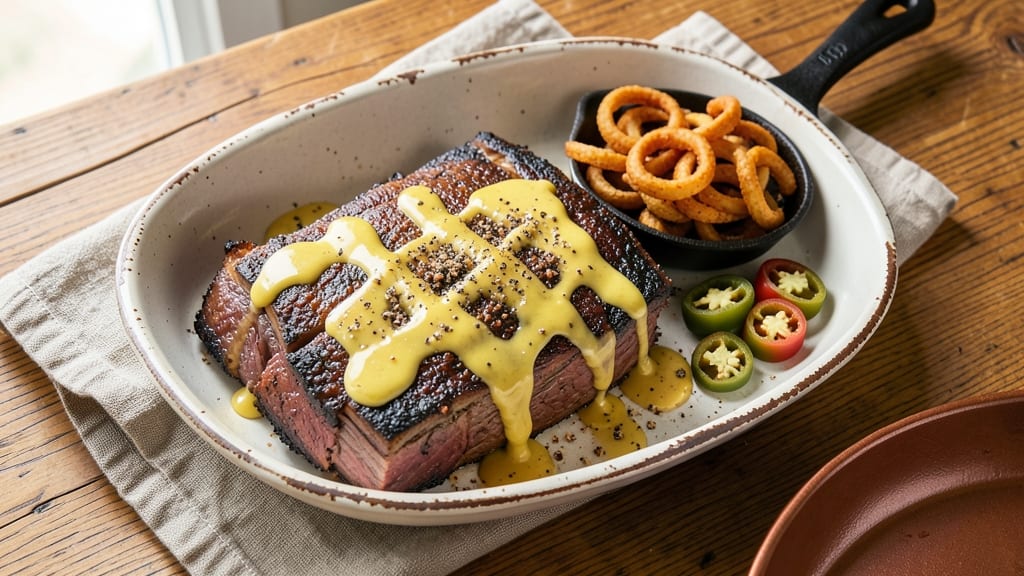
This smoked picnic roast recipe delivers the kind of fall-apart tenderness that transforms backyard gatherings into legendary meals. The secret lies in a precise dry rub and low-and-slow smoking technique that transforms tough cuts into melt-in-your-mouth perfection.
I perfected this method during a summer cookout when guests kept asking for seconds—and thirds. The result is a dish that carries smoky, savory depth with every bite, making it the star of any outdoor feast.
The key to success begins with the right cut—whether you choose beef brisket, pork shoulder, or turkey—and a well-balanced dry rub that includes brown sugar, smoked paprika, and a touch of garlic powder. Smoking at 225°F for 8-12 hours ensures the meat stays juicy while developing that signature bark.
What sets this recipe apart is the attention to detail: proper bark formation, internal temperature monitoring, and a final resting period to lock in moisture. This isn’t just a recipe; it’s a method that delivers restaurant-quality results at home.
By the time you pull this roast from the smoker, you’ll have a centerpiece that’s impossible to resist—juicy, tender slices that practically fall apart at the touch. The smoky aroma alone will have everyone gathering around the table, while the rich, caramelized crust adds a satisfying crunch.
Serve with classic sides like coleslaw, cornbread, and pickled vegetables to round out the meal. This is the kind of dish that turns ordinary picnics into unforgettable feasts.
Whether you’re grilling for a crowd or treating yourself to a solo smoking session, this recipe scales beautifully and adapts to different preferences. The dry rub can be adjusted for heat levels, and the cooking time varies based on your preferred doneness.
For those who love competition-style smoking, this method delivers the same depth of flavor without the need for specialized equipment. Let’s get started on creating a roast that will have everyone asking for the recipe.
Ingredients for smoked picnic roast
Six pounds of brisket, twelve hours of patience, and a dry rub that transforms tough meat into smoky perfection.
| Ingredient | Amount | Notes |
|---|---|---|
| Beef Brisket 🥩 | 6 lb | Whole packer cut, good marbling |
| Coarse Kosher Salt 🧂 | ½ cup | Diamond Crystal preferred |
| Brown Sugar 🍯 | ¼ cup | Light or dark, packed |
| Smoked Paprika 🌶️ | ¼ cup | High-quality, not sweet |
| Garlic Powder 🧄 | 2 tbsp | Freshly ground preferred |
| Ground Black Pepper 🌶️ | 1 tbsp | Freshly cracked preferred |
| Ground Cumin 🌿 | 1 tbsp | Toasted for depth |
| Onion Powder 🧅 | 1 tbsp | No added MSG |
| Mustard Powder 🍯 | 1 tsp | Yellow or Dijon |
| Blackstrap Molasses 🍯 | 1 tbsp | For deep umami |
| Yellow Mustard 🍯 | 2 tbsp | For final glaze |
| Apple Cider Vinegar 🍎 | 1 tbsp | For bark development |
| Wood Chips 🌳 | 4 cups | Hickory or oak |
| Beef Broth 🍲 | 1 cup | Low-sodium, for spritzing |
The brisket is non-negotiable—look for a packer cut with thick fat cap from a butcher like Snake River Farms or your local meat counter. Good marbling ensures moisture, while the thick fat layer protects the meat during smoking. If buying whole, trim excess fat to about 1/4-inch thickness—this helps the rub adhere and promotes even bark formation. For convenience, pre-trimmed briskets from Costco work perfectly, though they cost more. Always check for bright red color and firm texture—avoid any with grayish hues or excessive bruising. The wood chips should be 100% natural, free from additives, and soaked for at least 30 minutes before use to prevent flare-ups.
No smoked paprika? Substitute with a mix of sweet paprika and liquid smoke—start with half the amount of smoked paprika called for and adjust to taste. The molasses can be swapped for equal parts brown sugar plus 1 tbsp balsamic vinegar if unavailable. For a deeper bark, add 1 tsp of coffee grounds to the dry rub. The yellow mustard in the final glaze can be replaced with Dijon mustard or even a splash of hot sauce for heat. If you're short on time, pre-mix the dry rub and store it in an airtight container for up to 3 months—just shake and apply. The beef broth for spritzing can be substituted with apple juice or even water, though the flavor will be less complex.
Store leftover brisket in the fridge for up to 5 days, tightly wrapped in butcher paper or foil to retain moisture. For longer storage, portion into 1-inch thick slices and freeze for up to 3 months. Reheat slowly in a 325°F oven with a splash of broth to restore tenderness. The dry rub mix keeps indefinitely in a cool, dark place, making it perfect for future smoking projects. To repurpose leftovers, shred the meat for tacos, sandwiches, or even a hearty beef stew—just add some tomato paste and spices to revive the flavors.
Why You'll Love This Recipe
- Foolproof Rub Job: Honestly, the prep is that simple—just slather that brisket with coarse salt, brown sugar, smoked paprika, and garlic powder. No fancy techniques, no stress: rub it on, let it sit, then smoke it low and slow. My kids even "help" by mixing the spices in a bowl.
- Smoky-Sweet Magic: Between us, that combo of brown sugar and smoked paprika? It’s like a flavor bomb—caramelized edges with a deep, smoky backbone. The garlic powder ties it all together without overpowering, so every bite feels like a hug from your favorite pitmaster.
- Picnic-Proof Perfection: Need a dish that travels? This roast stays juicy in a cooler, tastes amazing cold or warm, and feeds a crowd without breaking the bank. Pack it in foil, toss it in a basket, and suddenly you’ve got a tailgate-worthy meal that costs less than takeout. (Yes, even on a Tuesday night.)
Step-by-step instructions for smoky dry-rubbed beef with fall-apart tenderness
Master this low-and-slow technique for brisket that's so tender it practically melts.
Prepare the Rub and Season the Brisket
In a large bowl, combine the 0.5 cup coarse kosher salt, 0.25 cup brown sugar, 0.25 cup smoked paprika, 2 tbsp garlic powder, 1 tbsp ground black pepper, 1 tbsp ground cumin, 1 tbsp onion powder, 1 tsp mustard powder, 1 tbsp blackstrap molasses, 2 tbsp yellow mustard, and 1 tbsp apple cider vinegar. Mix thoroughly with your hands or a rubber spatula until the molasses and mustard are fully incorporated and the mixture forms a coarse, sticky paste.
Pat the 6 lb beef brisket dry with paper towels, removing any excess moisture from the surface. This step is critical—wet brisket won't develop that coveted bark. Spread the rub evenly over all sides of the brisket, pressing firmly so it adheres completely. Pay special attention to the fat cap, ensuring it's well-coated. Place the brisket on a wire rack set over a tray and refrigerate uncovered for at least 4 hours or up to 24 hours—this allows the rub to penetrate deeply and the meat to dry slightly, both essential for bark formation.
Set Up the Smoker for Low-and-Slow Cooking
Fill your smoker's wood chip tray with 4 cups wood chips (hickory or oak recommended) and soak them in water for 30 minutes before use. This prevents flare-ups and ensures steady smoke production. Preheat the smoker to 225°F using indirect heat—this temperature is non-negotiable for tender brisket. Place a water pan in the smoker to maintain moisture levels and prevent the brisket from drying out during the long cook.
Once the smoker reaches temperature and you see clean, blue smoke (not thick white steam), carefully place the brisket on the smoker grates, fat side up. The fat will render slowly during cooking, basting the meat and contributing to flavor development. Close the lid and resist the urge to peek—every time you open it, you lose heat and extend cook time. Use a leave-in meat thermometer for accuracy, inserting it into the thickest part of the brisket, avoiding the fat.
Smoke Until Probe-Tender with the Texas Crutch
Smoke the brisket undisturbed until the internal temperature reaches 165-170°F, which typically takes 6-8 hours. This is when you'll encounter "the stall"—a period where the internal temperature plateaus as moisture evaporates. Don't panic; this is normal and expected. When the stall occurs, wrap the brisket tightly in butcher paper (not aluminum foil), leaving the fat cap exposed. This "Texas crutch" technique allows the brisket to push through the stall while preserving that prized bark.
Return the wrapped brisket to the smoker and continue cooking until the internal temperature reaches 200-203°F and a probe slides in like butter with no resistance. This final stage, which takes another 3-5 hours, transforms the brisket into a tender masterpiece. The butcher paper allows some moisture to escape, creating a slightly crisp exterior while maintaining juiciness. Spritz the brisket with 1 cup beef broth every hour during the final stage to keep it moist and enhance bark development.
Rest and Slice for Maximum Juiciness
Once the brisket reaches the target temperature, remove it from the smoker and transfer it to a cutting board. Tent loosely with aluminum foil and let it rest for at least 1 hour (I prefer 2 hours for optimal results). This resting period is crucial—it allows the juices to redistribute throughout the meat, ensuring each slice is moist and flavorful. If you're short on time, place the wrapped brisket in a cooler to rest, which helps maintain temperature while it rests.
After resting, remove the butcher paper and locate the grain direction by looking for the lines running through the meat. Using a sharp carving knife, slice the brisket against the grain into ¼-inch thick slices. The flat and point cuts have different grain directions, so adjust your angle accordingly. Serve immediately while still warm, with any accumulated juices from the cutting board spooned over the top. Each slice should be so tender it practically falls apart, with a dark mahogany bark on the outside and a beautiful pink smoke ring just beneath the surface.
Pro Tips For Making Smoked Picnic Roast
- Trim the Fat Cap: Cut the thick layer of fat off the brisket’s point end before smoking—it’ll render into grease instead of crisping up. I learned this the hard way when my first attempt left a soggy, greasy mess that no amount of smoke could save.
- Salt the Night Before: Apply the kosher salt and brown sugar mix at least 12 hours ahead. The salt breaks down the proteins, and the sugar caramelizes better when it has time to cling. (Yes, even if you’re impatient like me.)
- Smoke Fast, Then Stall: Start the brisket over direct heat (250°F) until it hits 150°F internally, then drop to 225°F for the rest of the cook. Rushing the low-and-slow phase leads to dry, tough meat—trust the process.
- Spritz with Apple Juice: Every 90 minutes, spray the brisket with unsweetened apple juice (not water) to keep it moist without diluting the crust. It’s the shortcut I use when I forget to wrap it in butcher paper at the stall.
Best sauces and condiments for this recipe
Classic BBQ Sauce
For that iconic tangy-sweet balance, I reach for Sweet Baby Ray's Original BBQ Sauce—it’s the perfect complement to the smoky dry rub. Brush ¼ cup onto the brisket during the final 30 minutes of smoking, focusing on the bark to enhance its caramelization.
The sauce’s blend of molasses and vinegar harmonizes beautifully with the hickory smoke, adding a glossy finish that guests will love. 🍯
Spicy Chipotle Glaze
When I want to kick things up a notch, I make a quick chipotle glaze by blending ½ cup ketchup, 2 tbsp adobo sauce (from canned chipotles), 1 tbsp apple cider vinegar, and 1 tsp smoked paprika.
Simmer this mixture for 10 minutes until thickened, then brush it on during the last 1 hour of smoking. The heat from the chipotle pairs perfectly with the brisket’s richness, creating a bold flavor profile. 🌶️
Honey-Mustard Mop
A lighter option that still delivers big flavor is a honey-mustard mop. Mix ¼ cup Dijon mustard, 2 tbsp honey, and 1 tbsp apple cider vinegar, then apply it every 2 hours during the smoke.
This glaze adds a touch of sweetness and acidity that cuts through the fat, keeping each bite balanced. It’s especially great for those who prefer a more subtle sauce. 🍯
Creamy Horseradish Sauce
For a creamy contrast, whip up a horseradish sauce by blending ½ cup sour cream, 2 tbsp prepared horseradish, 1 tbsp lemon juice, and 1 tsp smoked salt. Serve this on the side or drizzle it over sliced brisket just before serving.
The sharpness of the horseradish cuts through the smokiness, adding a refreshing finish that’s perfect for a picnic spread. 🥩
Pickled Onion Topping
No cooking required here—I love adding quick-pickled red onions to elevate the presentation. Thinly slice 1 large red onion and soak in a mix of ½ cup apple cider vinegar, 1 tbsp sugar, and ½ tsp salt for 30 minutes.
The tangy crunch adds brightness and texture, making every bite more dynamic. 🧅
Smoked Butter Baste
For a luxurious touch, melt ½ cup unsalted butter with 1 tbsp smoked salt and 1 tsp garlic powder, then brush it over the brisket during the last 1 hour of smoking.
The butter adds richness and helps create a glossy, tender bark. It’s a game-changer for special occasions or when you want to impress. 🧈
Nutrition facts
Frequently asked questions
Can I use pork shoulder instead of beef brisket for this smoked roast?
Pork shoulder works beautifully and cooks faster than beef brisket. Aim for a 225°F smoke until the internal temperature reaches 195-203°F (about 6-8 hours total). The fat content in pork shoulder creates incredible bark, but watch for flare-ups when spritzing. Use the same dry rub, but reduce the brown sugar slightly to prevent excessive sweetness.
Why does my smoked roast turn out dry even after wrapping it?
Dryness usually happens from one of three issues: peeking too often, cooking too fast, or unwrapping too soon. First, maintain a steady 225°F temperature—never exceed 250°F. Second, wrap in butcher paper (not foil) when hitting 165°F, and rest for at least 1 hour before slicing. Finally, use a water pan in your smoker to add humidity during cooking.
What's the best wood for smoking a picnic roast?
For classic flavor, stick with hickory or oak—they provide that signature smoky depth without overpowering the meat. Fruitwoods like apple or cherry add sweetness and work well for pork. Avoid pine (too strong) and cedar (can taste bitter). Soak your wood chips for 30 minutes before using to prevent flare-ups and ensure clean smoke.
How can I make this recipe work for a small smoker?
Reduce the brisket size to 3-4 lbs and adjust cooking time to 4-6 hours total. Use a smaller wood chip tray and monitor smoke levels closely. If your smoker struggles with heat retention, add a water pan and check temperature every 30 minutes. For extra flavor, try a two-zone fire method with charcoal if your smoker allows it.
Can I prepare the dry rub ahead of time?
Yes! Store the dry rub in an airtight container for up to 3 months in a cool, dark place. For best results, shake well before applying to ensure even distribution. If the rub clumps, break it up with your fingers or a fork. Pro tip: Store individual portions in small jars for quick access during future smoking sessions.