
Soups & Stews
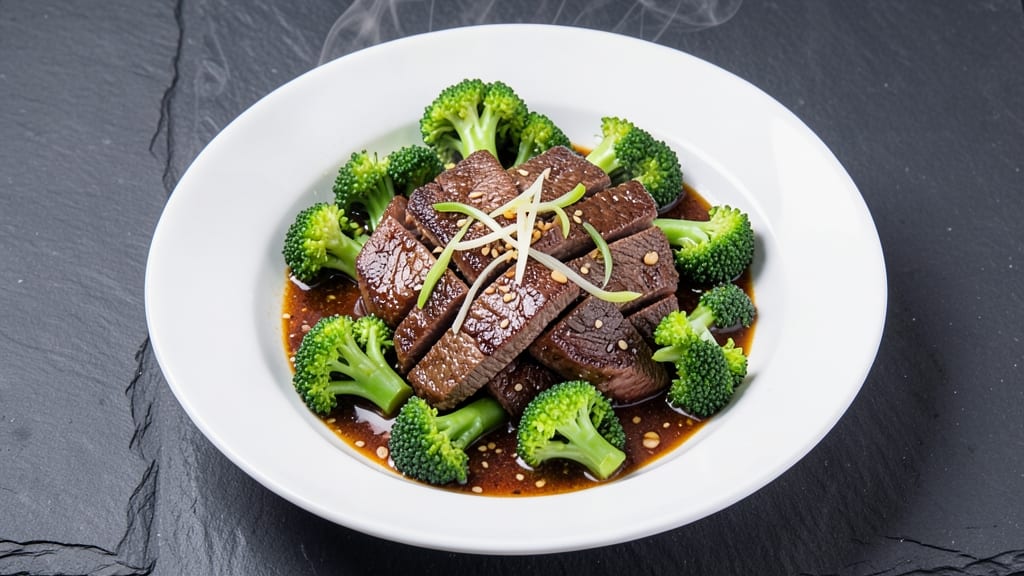
This Chinese restaurant-style beef and broccoli recipe delivers the tender, caramelized beef and glossy sauce you crave after one bite. The secret lies in marinating the beef for deep flavor and using a cornstarch slurry to create that signature restaurant-quality shine.
I've perfected this dish over years of testing, ensuring every element comes together just like your favorite takeout—except better.
What sets this recipe apart is the balance of textures: wok-seared beef with crisp edges and tender centers, paired with bright, crisp broccoli florets that stay vibrant.
The sauce is where the magic happens—a rich umami blend of oyster sauce, soy sauce, and a touch of brown sugar that coats every bite in a glossy, slightly sticky glaze. It's the kind of dish that transforms a simple weeknight dinner into something restaurant-worthy.
The process is straightforward but requires precision: marinating the beef, stir-frying at high heat for those signature sear marks, and building the sauce layer by layer.
You'll end up with beef that's perfectly caramelized on the outside yet tender and juicy inside, broccoli that's crisp-tender, and a sauce so flavorful it'll have everyone asking for seconds. This is comfort food at its finest—bold, satisfying, and impossible to resist.
Serve it over steamed jasmine rice for the full experience, or pair it with egg rolls for a complete takeout-style meal. The leftovers reheat beautifully, making it perfect for meal prep. Let's get started on recreating that restaurant magic at home.
Ingredients for chinese restaurant style beef and broccoli
Fourteen ingredients, restaurant-quality results—this beef and broccoli delivers that signature wok-seared tenderness.
| Ingredient | Amount | Notes |
|---|---|---|
| Flank Steak 🥩 | 1 ¼ lb | Thinly sliced against grain |
| Broccoli Florets 🥦 | 1 ½ lbs | Large florets, stems trimmed |
| Oyster Sauce 🍜 | ⅓ cup | High-quality, like Lee Kum Kee |
| Soy Sauce 🥢 | ¼ cup | Light or all-purpose |
| Brown Sugar 🍯 | ⅛ cup | Packed, light variety |
| Cornstarch 🌾 | 2 tbsp | For glossy sauce |
| Garlic Cloves 🧄 | 6 cloves | Minced, fresh preferred |
| Ginger Root 🌿 | 1 tbsp | Fresh, grated |
| Sesame Oil 🫒 | 1 tbsp | Toasted, for aroma |
| Vegetable Oil 🫒 | ½ cup | High smoke point |
| Green Onions 🧅 | 3 whole | Sliced, white and green parts |
| Salt 🧂 | 1 ½ tsp | Kosher or sea salt |
| Black Pepper 🌶️ | ½ tsp | Freshly ground |
| White Wine 🍷 | ¼ cup | Dry, like Sauvignon Blanc |
| Jasmine Rice 🍚 | 1 ½ cups | Uncooked, for serving |
The beef makes or breaks this dish. Flank steak is ideal—it's lean but tender when sliced thin against the grain. Costco or Whole Foods often carry it pre-sliced, but if you're cutting it yourself, freeze it for 30 minutes first to make slicing easier. Look for bright red meat with good marbling. The broccoli? Freshness matters here—bright green florets with tight buds. If you're short on time, frozen broccoli works (no need to thaw), but fresh gives that signature restaurant crunch. I always grab extra because it's so versatile.
No oyster sauce? Fish sauce plus a splash of soy sauce gets you close, though the umami won't be identical. The cornstarch slurry is non-negotiable for that glossy sauce—it's what gives the dish its signature shine. Lee Kum Kee oyster sauce is my go-to, but any quality brand works. For the garlic and ginger, fresh is non-negotiable—dried just won't cut it. The white wine adds depth, but if you're avoiding alcohol, chicken broth works in a pinch. The sesame oil is for aroma, so don't skip it—just a splash at the end. And if you're wondering about the brown sugar, it balances the saltiness and adds a touch of caramelization to the sauce.
This dish reheats beautifully—honestly, it tastes even better the next day as the flavors meld. Store leftovers in an airtight container in the fridge for up to 4 days. For meal prep, divide into portions and freeze for up to 3 months. The sauce thickens when chilled, so just add a splash of water when reheating. And if you're serving it to guests, make the rice ahead too—it keeps warm for hours in a rice cooker. The leftovers make an amazing lunch the next day, especially over cold rice.
Why You'll Love This Recipe
- One-Pan Magic: I swear by this—just slice the steak thin, toss in broccoli florets, and let the sauce work its magic. No chopping boards, no extra pots, just one pan that smells like heaven by the time you’re done.
- Umami Bomb: That combo of oyster sauce and soy sauce? It’s like a flavor explosion in your mouth, especially when you hit it with a touch of brown sugar for that caramelized edge. The steak stays tender while the broccoli gets that perfect crisp-tender bite.
- Leftovers That Don’t Suck: Seriously, this dish tastes even better the next day. I’ll make a big batch on Sunday, and by Wednesday, it’s still my go-to for a quick lunch—just reheat and serve. (Yes, even my picky teenager will eat it.)
- Budget Dinner Hero: Flank steak is affordable, broccoli’s cheap, and a little oyster sauce goes a long way. You’re feeding four for under $15, and honestly? That’s a win. Plus, it’s the kind of meal that makes you feel like you ordered takeout without the guilt.
Step-by-step instructions for Chinese restaurant style beef and broccoli
Here's how to achieve that signature restaurant texture—tender beef and crisp-tender broccoli in a glossy, umami-rich sauce.
Prepare the Flank Steak for Perfect Tenderness
Slice the 1.25 lb flank steak thinly against the grain into ¼-inch thick strips. This is critical—thin slices ensure quick cooking and maximum tenderness. Place the sliced steak in a bowl and season generously with 1.5 tsp salt and 0.5 tsp black pepper. Let it sit at room temperature for 15-20 minutes while you prepare the remaining ingredients. This resting period ensures even cooking and prevents tough, chewy meat.
While the steak rests, make a simple marinade by combining 0.25 cup soy sauce, 0.25 cup white wine, and 1 tbsp sesame oil in a small bowl. Pour this marinade over the steak and toss gently to coat. Let it marinate for 10 minutes—this brief marinating time enhances flavor without making the meat mushy. The acidity in the wine and soy sauce will tenderize the beef just enough to complement the wok-searing we're about to do.
Create the Glossy Umami Sauce
In a small bowl, whisk together the 0.33 cup oyster sauce, 0.125 cup packed brown sugar, 2 tbsp cornstarch, 6 cloves minced garlic, and 1 tbsp grated ginger root. This mixture forms the base of your sauce, where the oyster sauce delivers that signature umami depth while the cornstarch creates a silky, glossy finish. The brown sugar adds just enough sweetness to balance the savory flavors without overpowering them.
Set this sauce mixture aside while you prepare the broccoli. The cornstarch will thicken beautifully when combined with the beef juices during cooking, creating that restaurant-quality sheen. If you're concerned about the sauce being too thick, remember you can always thin it with a splash of water or beef broth later—it's better to start slightly thicker than you think you'll need.
Wok-Sear the Beef to Restaurant-Perfect Tenderness
Heat 0.5 cup vegetable oil in a wok or large skillet over high heat until shimmering. The oil should be hot enough that when you drop a small piece of steak in, it sizzles immediately and turns golden within 10-15 seconds. Add the marinated steak in a single layer, stirring constantly for 1-2 minutes until it's 80% cooked and just beginning to brown. The high heat is key here—it creates that signature wok-seared texture while keeping the beef tender.
Remove the beef from the wok and set it aside on a plate. Don't overcrowd the pan—this is where most home cooks go wrong. If you add too much steak at once, it will steam instead of sear, resulting in tough meat. Work in batches if needed, but you should be able to fit all the steak in one heat cycle with proper timing. The beef should be cooked through but still slightly pink in the center—it will carry over cook as it finishes in the sauce.
Cook the Broccoli to Crisp-Tender Perfection
In the same wok, add a bit more vegetable oil if needed (about 1 tablespoon) and heat over medium-high heat. Add the 1.5 lbs broccoli florets in a single layer and stir-fry for 2-3 minutes until the edges begin to turn bright green and slightly blistered. The goal is crisp-tender broccoli—bright green with just a hint of resistance when pierced with a fork. Overcooking will turn it mushy, which defeats the purpose of this dish.
Add the 3 sliced green onions to the wok and stir for 30 seconds to wilt the white parts while keeping the green sections vibrant. Remove the broccoli and green onions from the wok and set them aside with the beef. Here's the thing—don't walk away from the stove. Broccoli cooks faster than you think, and those last 30 seconds can make the difference between perfect and overdone.
Combine and Finish with Glossy Umami Sauce
Return the wok to high heat and add the prepared sauce mixture. Stir constantly for 1-2 minutes until the sauce begins to bubble and thicken. Pour in ¼ cup water (or beef broth if you have it) to help dissolve the cornstarch and create a glossy finish. The sauce should coat the back of a spoon and have a beautiful sheen—this is what gives restaurant-style beef and broccoli its signature look.
Add the beef and broccoli back to the wok and toss everything together for 1-2 minutes until everything is evenly coated in the sauce. Taste and adjust seasoning if needed—you might want to add a splash more soy sauce for saltiness or a touch of brown sugar if it needs more balance. Serve immediately over 1.5 cups cooked jasmine rice, garnished with additional sliced green onions if desired. The beef should be tender with a slight chew, the broccoli crisp-tender, and the sauce glossy with perfect umami depth.
Pro Tips For Making Chinese Restaurant Style Beef And Broccoli
- Sear the Steak Fast: Hit the flank steak with a screaming-hot pan—no waiting for it to sizzle. I learned this the hard way: letting it warm up first means gray, rubbery meat instead of the caramelized crust you crave. Keep the heat high and move it fast.
- Trim Broccoli Stems: Don’t toss the stems—they’re the secret to texture. Cut them into matchsticks and blanch them separately for 1 minute before adding to the pan. They’ll stay crisp while the florets soften, just like in the restaurant version.
- Deglaze Like a Pro: After searing the beef, don’t just dump sauce in—scrape up those browned bits with a wooden spoon first. That’s where the flavor lives, and skipping it means missing half the depth. A splash of water or dry sherry works, but don’t rush it.
- Sweeten Last: Add the brown sugar after the sauce thickens, not at the start. I used to toss it in early, and it’d burn, turning the sauce bitter. Stir it in for 30 seconds at the end—just enough to caramelize slightly without scorching.
Creative variations of this recipe
Spicy Sichuan Twist
Transform this classic dish into a fiery Sichuan version by adding 1 tbsp Sichuan peppercorns toasted and ground to the sauce mixture. Include 1-2 tbsp chili bean paste (like Lao Gan Ma) for that signature numbing-spicy kick.
I recommend using flank steak cut into slightly thicker strips (⅜ inch) to handle the extra heat. Finish with ½ tsp white pepper and a drizzle of chili oil before serving. 🌶️
Sweet and Sour Fusion
Give your beef and broccoli a tangy twist by adding ¼ cup pineapple juice and 1 tbsp rice vinegar to the sauce. Include 2 tbsp chopped red bell pepper and 1 tbsp chopped cilantro for freshness.
I like to finish with 1 tsp sesame seeds toasted in the wok for extra crunch. This variation works especially well with ribeye steak instead of flank for a richer flavor. 🍍
Vegetarian Mushroom Swap
Replace the beef with 1.5 lbs shiitake mushrooms sliced into ¼-inch strips and marinated in the same soy-wine-sesame mixture. Use 1 tbsp vegetable oil for stir-frying and add 1 tbsp fresh thyme to the sauce for depth.
I recommend serving this version with a side of tofu scramble for a full vegetarian meal. The mushrooms absorb the sauce beautifully, creating a meaty texture. 🍄
Coconut Curry Infusion
For a Thai-inspired take, replace the oyster sauce with ¼ cup red curry paste and add ½ cup coconut milk to the sauce. Include 1 tbsp fish sauce and 1 tsp palm sugar for balance.
I like to add ½ cup bamboo shoots and 1 red bell pepper sliced for extra texture. Serve over jasmine rice instead of white rice to complement the coconut flavors. 🥥
Honey-Glazed Version
Swap the brown sugar for 2 tbsp honey and add 1 tsp grated ginger to the sauce. Include 1 tbsp hoisin sauce for extra depth. This version works especially well with ribeye steak cut into strips.
I recommend finishing with a sprinkle of toasted sesame seeds and a drizzle of chili oil for contrast. The honey adds a subtle sweetness that balances the umami perfectly. 🍯
Seafood Upgrade
Replace the beef with 1.5 lbs scallops or shrimp for a seafood version. Marinate the seafood in 1 tbsp soy sauce, 1 tbsp cornstarch, and 1 tsp sesame oil for just 5 minutes before cooking.
Use ½ cup white wine in the sauce and add 1 tbsp fresh cilantro at the end. Serve with a side of steamed bok choy for a complete seafood feast. The seafood cooks in just 1-2 minutes, so keep an eye on it! 🦑
Nutrition facts
Frequently asked questions
Why does the beef need to marinate for only 10 minutes?
A short 10-minute marinade enhances flavor without making the beef mushy. The acidity in soy sauce and white wine tenderizes just enough to complement the wok-searing. Longer marinating can break down the meat fibers too much, leading to a less tender final texture.
Can I use frozen broccoli instead of fresh?
Yes! Frozen broccoli works perfectly—no need to thaw it first. The key is to stir-fry it for 3-4 minutes until fully heated through and slightly blistered. Fresh broccoli gives a brighter color, but frozen is a great shortcut for convenience.
What's the best way to prevent the sauce from getting too thick?
Start with the ¼ cup water called for in the recipe, but keep a splash on hand. If the sauce thickens too much, thin it gradually with 1 tsp at a time while stirring constantly. The sauce should coat the back of a spoon but remain glossy, not gluey.
How do I make this dish spicier without overpowering the flavors?
Add ½ tsp chili flakes or 1 tsp minced fresh chili to the sauce mixture. For heat without overpowering, include 1 tsp toasted Sichuan peppercorns (ground) for that signature numbing-spicy kick. Start small—you can always add more!
Can I make this dish ahead of time?
Store leftovers in an airtight container for up to 4 days in the fridge. Reheat gently in a skillet with a splash of water to restore the sauce's gloss. The flavors actually improve overnight as they meld. For meal prep, freeze portions for up to 3 months.