Main Courses
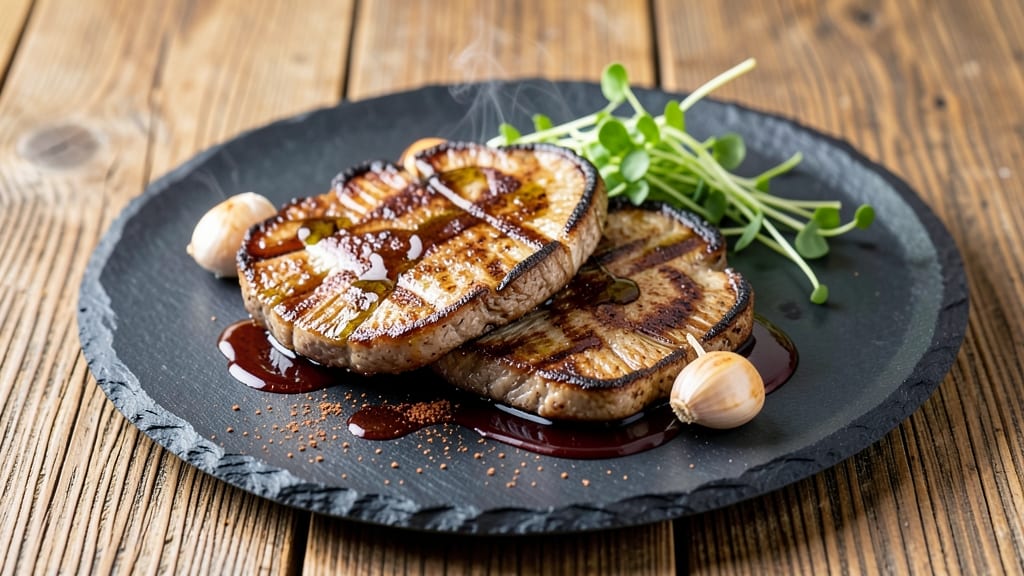
This oyster mushroom steak recipe delivers a meat-like texture and umami depth that will impress even dedicated carnivores. After years of perfecting vegetarian steak alternatives, I’ve found oyster mushrooms offer the closest match to real beef—tender yet firm, with a satisfying bite that holds up to pan-searing.
The secret lies in a precise marinade and cooking technique that transforms these mushrooms into a restaurant-worthy centerpiece.
The process begins with a flavor-packed marinade—soy sauce, garlic, and smoked paprika—that infuses the mushrooms with savory, smoky notes. Pan-searing them in a hot skillet creates a crispy crust while keeping the interior juicy, mimicking the perfect steak sear.
This dish isn’t just vegetarian; it’s a bold, satisfying main course that pairs beautifully with creamy mashed potatoes or roasted asparagus.
What you’ll achieve is a steak-like experience without the meat—thick, caramelized edges, and a meaty chew that holds together when sliced. The umami-rich marinade ensures every bite is packed with depth, making this ideal for anyone looking to reduce meat consumption without sacrificing flavor.
Ready in just 20 minutes, this recipe proves plant-based dining can be just as indulgent.
Serve with a rich red wine reduction or chimichurri for extra flair, and watch as even skeptics ask for seconds. The technique is simple, but the results are professional-quality, proving that vegetarian steak doesn’t require compromise.
Let’s get cooking—this dish is a game-changer for meat lovers and plant-based eaters alike.
Ingredients for oyster mushroom steak
These twelve ingredients transform humble oyster mushrooms into a steak-like masterpiece with restaurant-quality texture and depth.
| Ingredient | Amount | Notes |
|---|---|---|
| Oyster Mushrooms 🍄 | 1 ½ lb | Fresh, thick stems preferred |
| Extra-Virgin Olive Oil 🫒 | ¼ cup | High-quality, fruity variety |
| Soy Sauce 🥢 | ⅓ cup | Low-sodium preferred for balance |
| Garlic Cloves 🧄 | 6 cloves | Freshly minced, aromatic |
| Smoked Paprika 🌶️ | 1 tbsp | Ground, for depth of flavor |
| Balsamic Vinegar 🍷 | 1 tbsp | Aged, for umami tang |
| Dijon Mustard 🥬 | 1 tbsp | Whole-grain, for texture |
| Diamond Crystal Kosher Salt 🧂 | 1 ½ tsp | Fine grain, for seasoning |
| Freshly Ground Black Pepper 🌶️ | 1 tsp | Cracked peppercorns preferred |
| Vegetable Oil 🫒 | 2 tbsp | High smoke point for searing |
| Fresh Thyme Leaves 🌿 | ¼ cup | Chopped, aromatic |
| Red Wine Reduction 🍷 | ½ cup | Store-bought or homemade |
| Vegetable Stock 💧 | ¼ cup | Low-sodium, for deglazing |
The oyster mushrooms are the star—opt for thick, meaty stems from specialty grocers like Whole Foods or Trader Joe's, where they’re often sold in bulk. Freshness matters: mushrooms should be firm with closed caps and no sliminess. Penzeys Spices carries high-quality smoked paprika that elevates the umami profile, while San Marzano tomatoes (if making reduction from scratch) provide superior acidity. For the soy sauce, Kikkoman or Lee Kum Kee deliver consistent results, though Japanese varieties offer deeper complexity. The Dijon mustard should be whole-grain—Maille is a professional standard for its texture and flavor.
No smoked paprika? Substitute liquid smoke at half the amount, though fresh paprika is ideal. Fresh thyme unavailable? Dried thyme at one-third the quantity works, but toast it first for depth. The balsamic vinegar can be swapped for red wine vinegar plus a pinch of sugar, though the caramelization differs. For the red wine reduction, store-bought options like Muir Glen save time, but homemade versions with Cabernet Sauvignon create superior depth. The vegetable stock should be low-sodium—Pacific Foods or Imagine brands offer clean, umami-rich options perfect for deglazing.
Marinated mushrooms keep for up to 3 days in the fridge, though flavor peaks at 24 hours. Store in an airtight container with the marinade to prevent drying. The red wine reduction freezes beautifully for up to 3 months—portion into ice cube trays for single-use applications. For optimal texture, sear mushrooms immediately after marinating. Leftovers reheat best in a skillet with a splash of vegetable stock to restore moisture, though the crust will soften slightly. Portion into meal prep containers for grab-and-go lunches, where they hold up remarkably well for 3 days.
Why You'll Love This Recipe
- One-Pan Magic: I swear by this recipe when I’m too tired to scrub pots—just toss those mushrooms in olive oil, let them sear until golden, then flip. The soy and paprika cling like a dream, and cleanup is one spatula wipe.
- Umami Bomb: That combo of soy sauce and garlic? It’s like a flavor grenade. The mushrooms soak up the richness while the smoked paprika adds this smoky depth—crispy edges, tender centers, and a savory punch that sticks with you.
- Budget Steak Night: Honestly, this fools everyone into thinking it’s the real deal. For half the cost of beef, you get that meaty texture and satisfying chew—perfect for when you want to impress without breaking the bank.
- Meal Prep MVP: I make a big batch on Sundays because it reheats like a champ. Toss the leftovers in a salad, over rice, or straight from the fridge—still tasty, still satisfying, and zero guilt about eating it cold.
Step-by-step instructions for oyster mushroom steak with umami crust
Transforming oyster mushrooms into a steak-like dish requires precision and patience—here's how to achieve that perfect meaty texture and rich crust.
Prepare the Mushrooms for Maximum Flavor and Texture
Begin by cleaning the 1.5 lb oyster mushrooms thoroughly with a damp paper towel to remove any debris, but avoid soaking them as this can make them waterlogged. Using a sharp chef's knife, trim the stems to create flat, even surfaces—this ensures even cooking and better searing. For optimal results, separate the mushrooms into individual pieces, keeping them about ½-inch thick if they're particularly large.
In a small bowl, whisk together 0.33 cup soy sauce, 1 tbsp balsamic vinegar, 1 tbsp Dijon mustard, 1.5 tsp diamond crystal kosher salt, and 1 tsp freshly ground black pepper. This marinade will penetrate the mushrooms, enhancing their umami depth and creating a flavorful crust. Coat the mushrooms evenly with the marinade and let them sit for at least 15 minutes at room temperature. This brief marinating period ensures the mushrooms absorb the flavors without becoming mushy.
Sear the Mushrooms for a Crispy Exterior
Heat 2 tbsp vegetable oil in a large skillet over medium-high heat until it shimmers. The oil should be hot enough to sizzle when the mushrooms touch it—this is critical for developing that coveted crust. Working in batches if necessary, add the marinated mushrooms to the skillet in a single layer, ensuring they don't overcrowd. Cook undisturbed for 3-4 minutes per side until they develop a deep golden-brown crust and release easily from the pan.
Here's the thing—don't rush this step. You're building the foundation of your dish right here. If the mushrooms release too easily before they're browned, reduce the heat slightly and give them another minute. The goal is that crispy, meat-like exterior that holds its shape when sliced. Once golden and crispy, transfer the mushrooms to a plate and set aside, tented loosely with foil to keep them warm.
Build the Umami-Packed Sauce
In the same skillet, reduce the heat to medium and add 0.25 cup extra-virgin olive oil. Allow it to heat through for about 30 seconds until it's just warm. Add the 6 cloves minced garlic cloves and cook for 30 seconds until fragrant—this prevents them from burning while still releasing their aromatic oils. Immediately stir in 1 tbsp smoked paprika and 0.25 cup chopped fresh thyme leaves, cooking for another 30 seconds to toast the spices and deepen their flavors.
Pour in the 0.5 cup red wine reduction and scrape up any browned bits from the bottom of the pan with a wooden spoon. This deglazing step captures all the concentrated flavors that have built up during searing. Let the mixture simmer for 2-3 minutes until it reduces slightly and coats the back of a spoon. The sauce should be glossy and velvety, with a rich, complex flavor profile that complements the mushrooms perfectly.
Finish and Serve with Confidence
Return the seared mushrooms to the skillet and spoon the sauce evenly over them. Add the 0.25 cup vegetable stock and let the mixture simmer together for 2-3 minutes until the mushrooms are heated through and the sauce has thickened slightly. The mushrooms should be tender but still hold their shape—if they feel too soft, they've been overcooked. Taste and adjust the seasoning if needed, adding a touch more soy sauce or salt if desired.
To serve, transfer the mushrooms to a warm platter and drizzle any remaining sauce from the skillet over the top. The result should be mushrooms with a crispy, meat-like exterior and a rich, umami-infused interior that pairs beautifully with the glossy sauce. Serve immediately while the crust is still crisp and the flavors are at their peak. Pair with a simple arugula salad or roasted potatoes to let the mushrooms shine as the star of the dish.
Pro Tips For Making Oyster Mushroom Steak
- SEAR THE MUSHROOMS HARD: Get your pan screaming hot—like, the oil should shimmer when you drop a mushroom in. Oyster mushrooms release water like crazy, so if you start slow, you’ll end up steaming them instead of searing. High heat for the first 2 minutes locks in that meaty texture before the soy sauce comes in.
- BRINE THE MUSHROOMS FIRST: Toss the mushrooms in a bowl with 1 tablespoon soy sauce and ½ cup warm water for 10 minutes before cooking. This keeps them juicy and lets the flavor soak in deeper. Skip this, and they’ll turn rubbery by the end—trust me, I’ve made that mistake.
- MINCE THE GARLIC FINE: No, "chopped" isn’t good enough—you need the garlic to dissolve into the oil, not sit as chunks. Use a knife or microplane to get it almost paste-like. This way, every bite gets that garlicky punch without overpowering the dish.
- LET THEM REST AFTER SEASONING: Once you’ve tossed the mushrooms in soy and smoked paprika, walk away for 5 minutes. This lets the spices cling instead of flying off when you toss them in the pan. I used to rush this, and half the seasoning ended up on my stovetop—wasteful, but an easy fix.
Storing and reheating your leftovers
Refrigerator Storage
Marinated oyster mushrooms stay fresh in the fridge for up to 3 days when stored in an airtight container with the marinade. I use glass Pyrex containers because they maintain flavor better than plastic.
Keep them in the coldest part of your fridge—typically the bottom shelf—where the temperature stays consistently below 40°F. The mushrooms will absorb more marinade over time, so taste before reheating and adjust seasoning if needed. 💡
Freezer Prep Tips
For longer storage, freeze marinated mushrooms in a single layer on a parchment-lined tray for 1 hour to prevent clumping. Transfer to a freezer-safe bag with marinade, removing as much air as possible.
They’ll keep for 2 months without significant texture loss. When ready to cook, thaw in the fridge overnight—never microwave, as it can make them soggy. 🧊
Reheating for Crispy Results
To restore that meat-like crust, reheat in a skillet over medium-high heat with 1 tbsp vegetable oil. Cook for 3-4 minutes per side until golden again. Avoid microwaving—it destroys the texture.
For extra moisture, add 1 tbsp vegetable stock to the pan while reheating. The mushrooms will be tender but still hold their shape beautifully. ⚡
Make-Ahead Sauce Strategy
Make the red wine sauce ahead and store it separately in an airtight container for up to 1 week in the fridge. Reheat gently on the stove before tossing with reheated mushrooms.
This keeps the sauce's glossy texture intact. I often prep the sauce the night before so it’s ready to deglaze the pan when I reheat the mushrooms. 🍷
Portion Control for Meal Prep
Divide the mushrooms into individual meal prep containers with a small amount of sauce to keep them moist. Store for 3 days in the fridge. When reheating, cover with a damp paper towel to trap steam and maintain crispiness.
This method works perfectly for lunches—just pop them in the microwave for 1 minute on high, then finish in a skillet for that restaurant-quality crust. 💪
Nutrition facts
Frequently asked questions
Can I use dried oyster mushrooms instead of fresh for this recipe?
Fresh oyster mushrooms work best for this recipe because they hold their shape and texture better during searing. Dried mushrooms rehydrate too much, making them mushy and difficult to achieve that crispy crust. If you must use dried, soak them in 1 cup hot water for 10 minutes, then pat very dry with paper towels before marinating. Expect a slightly softer texture, though.
How do I get the mushrooms to stay firm and not fall apart?
Keep them thicker (½-inch minimum) and avoid overcrowding the pan during searing. Use medium-high heat and cook undisturbed for 3-4 minutes per side—this creates a protective crust. Also, don’t overmarinate (stick to 15-20 minutes max) or the mushrooms will absorb too much liquid and become soggy.
What’s the best way to substitute the red wine reduction?
For a quick swap, use ½ cup store-bought balsamic glaze or reduce ½ cup red wine with 1 tbsp brown sugar on the stove for 5 minutes. If avoiding alcohol, mix ½ cup apple cider vinegar with 1 tbsp maple syrup and reduce until syrupy. The key is a tangy, slightly sweet element to balance the umami.
Can I grill these oyster mushroom steaks instead of pan-searing?
Preheat your grill to medium-high (400°F) and oil the grates well to prevent sticking. Sear for 4-5 minutes per side until charred, then finish with the sauce indoors. For extra smokiness, add ½ tsp liquid smoke to the marinade. Just watch them closely—they burn faster on grills than in a skillet.
Why does my sauce turn out too thin or too thick?
Thin sauce? You likely didn’t reduce it enough—simmer uncovered for 5-7 minutes until syrupy. Thick sauce? You may have added too much stock or didn’t deglaze properly. For fixes: Thin with 1 tsp water or thicken with ½ tsp cornstarch slurry. Always taste and adjust as you go!