
Main Courses
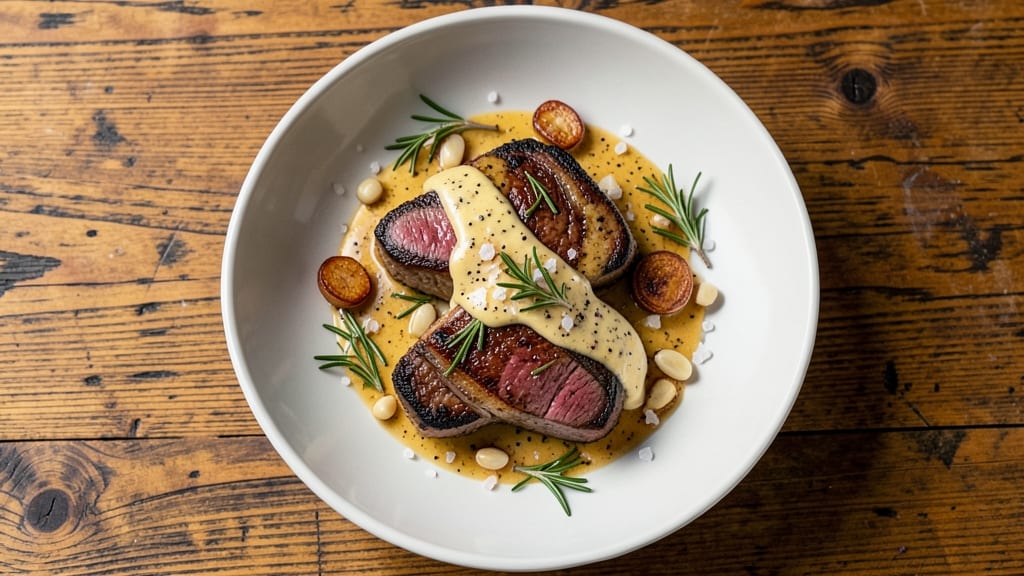
This elk medallion recipe delivers restaurant-quality results with tender, flavorful meat and a golden herbed butter crust that elevates any dinner table. After years of perfecting techniques with game meats, I've developed a method that ensures juicy centers and perfectly seared edges every time.
The secret lies in proper seasoning and precise cooking temperatures—critical steps that transform tough elk into melt-in-your-mouth medallions.
The recipe begins with thinly sliced elk medallions, which cook quickly in a hot pan to lock in moisture while developing that signature crust. A compound butter infused with fresh herbs adds depth and richness without overwhelming the natural flavor of the meat.
This method works beautifully for special occasions or weeknight dinners when you want to impress without spending hours in the kitchen.
By the time you're done, you'll have perfectly cooked elk medallions with a caramelized exterior and tender interior, served alongside roasted vegetables or mashed potatoes. The herbed butter crust adds a layer of complexity that makes these medallions feel like a gourmet experience.
This recipe serves four and takes less than 30 minutes to prepare—ideal for home cooks who want restaurant-quality results.
Pair these medallions with complementary sides like garlic mashed potatoes or seasonal roasted vegetables to create a complete meal. The technique is simple but precise, ensuring you'll achieve professional results every time. Let's get started with this foolproof method for cooking elk medallions to perfection.
Ingredients for elk medallion
Restaurant-quality elk medallions require precise ingredients and technique for perfect searing and herbed butter crust.
| Ingredient | Amount | Notes |
|---|---|---|
| Elk Medallions 🦌 | 1 ½ lb | Thinly sliced, 1/4-inch thick |
| Unsalted Butter 🧈 | ½ cup | Cold, cubed for compound butter |
| Fresh Rosemary 🌿 | 2 tbsp | Finely chopped, organic preferred |
| Fresh Thyme Leaves 🌿 | 1 tbsp | Finely chopped, stems removed |
| Garlic Cloves 🧄 | 4 cloves | Minced, fresh preferred |
| Diamond Crystal Kosher Salt 🧂 | 1 ½ tsp | Fine grain for even seasoning |
| Freshly Ground Black Pepper 🌶️ | ½ tsp | Cracked peppercorns preferred |
| Extra-Virgin Olive Oil 🫒 | 2 tbsp | High smoke point for searing |
| Red Wine Vinegar 🍷 | 1 tbsp | For deglazing pan |
| Fresh Parsley 🌿 | ¼ cup | Chopped, for garnish |
| Beef Tallow or Duck Fat 🥩 | 1 tbsp | For high-heat searing |
The elk medallions are the foundation—look for high-quality, grass-fed elk from specialty butchers like Snake River Farms or Wild Fork Foods. The meat should be bright red, not grayish, indicating freshness. For the herbed butter, European-style unsalted butter (like Plugrá) has higher fat content, which creates a richer crust. If you can't find elk locally, venison works as a substitute, though it has a slightly different texture. The herbs should be organic and vibrant—none of that wilted grocery store sadness. Rosemary and thyme should smell intensely aromatic when crushed between your fingers. For the garlic, freshly minced is non-negotiable—pre-minced garlic loses its punch quickly.
No rosemary? Fresh sage or marjoram works in a pinch, though the flavor profile shifts slightly. Running out of thyme? Dried thyme at one-third the amount is acceptable, but fresh is ideal. If you don't have red wine vinegar, apple cider vinegar or lemon juice will deglaze the pan effectively. For the butter compound, brown butter adds a nutty depth—simply melt the butter until it turns golden and smells toasty. The beef tallow or duck fat is optional but recommended for high-heat searing—it creates a deeper crust than olive oil alone. If you're avoiding animal fats, avocado oil is a neutral alternative with a high smoke point. Always use Diamond Crystal kosher salt for even seasoning—it dissolves more easily than table salt.
Store the elk medallions in an airtight container with parchment paper between layers for up to 3 days in the fridge. The herbed butter can be shaped into a log, wrapped in parchment, and kept in the fridge for 1 week or frozen for 3 months. For best results, let the elk medallions sit at room temperature for 20-30 minutes before cooking to ensure even searing. The herbs can be prepped ahead and stored in the fridge for 5 days, though they'll lose some potency. If making the butter compound in advance, store it in the fridge and bring it to room temperature before using—it should be soft but not melted.
Why You'll Love This Recipe
- One-Pan Magic: I swear by this—just sear the medallions, toss in the garlic and herbs, then let the butter melt into golden perfection. No extra dishes, no fuss, and that pan sauce? Chef’s kiss.
- Herb-Butter Bliss: The moment those medallions hit the pan with rosemary and thyme, my kitchen smells like a mountain lodge. Rich, earthy, and just a touch of garlic warmth—it’s the kind of flavor that makes you pause mid-bite.
- Weeknight or Dinner Party: Honestly, this works for both. Toss together for a quick family meal or dress it up with a sprinkle of flaky salt for guests. The medallions hold up beautifully, so no last-minute stress.
- Leftovers That Don’t Suck: Between us, elk leftovers often flop—but not these. Slice them up for sandwiches, toss into a skillet for hash, or freeze them for another night. They stay tender and taste just as good reheated.
Step-by-step instructions for elk medallions recipe
Master this technique for restaurant-quality elk medallions with a perfect herbed butter crust every time.
Prepare the Herbed Butter Compound
In a medium bowl, combine the 0.5 cup unsalted butter with 2 tablespoons finely chopped fresh rosemary, 1 tablespoon chopped fresh thyme leaves, 4 minced garlic cloves, 1.5 teaspoons diamond crystal kosher salt, and 0.5 teaspoon freshly ground black pepper. Use a fork to mash the butter and herbs into a smooth paste, ensuring the garlic and salt are fully incorporated. The mixture should be cool and firm enough to hold its shape when pressed between your fingers.
This herbed butter becomes the crust for your medallions, delivering intense flavor while preventing the elk from drying out. If the mixture feels too soft, chill it in the refrigerator for 10 minutes before proceeding. The butter should be pliable but not melted—this ensures even distribution when applied to the medallions.
Sear the Elk Medallions to Perfection
Heat a heavy skillet over medium-high heat and add 1 tablespoon beef tallow or duck fat along with 2 tablespoons extra-virgin olive oil. Once the fat shimmers (about 1 minute), carefully add the 1.5 lb elk medallions in a single layer, leaving ½-inch gaps between each piece. Avoid overcrowding—the medallions need space to develop a golden crust.
Sear undisturbed for 2 minutes until the bottoms develop a deep golden-brown crust. Flip each medallion and immediately press a 1-teaspoon portion of the herbed butter onto the top of each piece, spreading it evenly with the back of a spoon. Continue cooking for another 2 minutes until the butter melts and forms a glossy, aromatic crust. The medallions should release easily from the pan at this stage, indicating they're ready to be served.
Deglaze and Finish with Red Wine Vinegar
Remove the medallions from the skillet and set them aside on a warm plate. Reduce the heat to medium and add 1 tablespoon red wine vinegar to the pan, immediately scraping up any browned bits with a wooden spoon. Let the vinegar simmer for 1-2 minutes until it reduces by half, creating a glossy, flavorful pan sauce. Taste and adjust seasoning with additional diamond crystal kosher salt if needed.
Return the medallions to the skillet, spooning the pan sauce evenly over the top. Let them sit for 30 seconds to absorb the sauce, then transfer to a serving platter. Garnish immediately with 0.25 cup chopped fresh parsley for a pop of color and freshness. Serve the medallions while they're still sizzling hot, ensuring the herbed butter crust remains intact and the interior stays tender.
Rest and Serve with Confidence
Allow the elk medallions to rest for 2-3 minutes before serving. This brief resting period ensures the juices redistribute, preventing any potential leakage when cutting. The medallions should have a deep golden-brown crust on the outside and a pink, tender interior with a perfect sear line.
Pair these medallions with a simple arugula salad dressed in lemon vinaigrette or roasted root vegetables to complement their rich, herby flavors. The herbed butter crust adds a luxurious touch, making this dish ideal for special occasions or weekend entertaining. Each bite should deliver a harmonious balance of seared meat, aromatic herbs, and the bright acidity of the red wine vinegar.
Pro Tips For Making Elk Medallion
- Sear in Stages: Start with a screaming-hot pan—elk medallions need that initial shock to lock in juices—but after the first 30 seconds, pull them back just enough to let the butter foam without burning. I used to rush this, and the medallions turned out dry. Let the butter bubble, not smoke.
- Chop Herbs Coarse: Rosemary and thyme lose their punch when minced into oblivion. Roughly tear the sprigs and strip the leaves off thyme stems—this way, they perfume the butter without turning the dish into a herbal slurry. (Yes, even if it looks rustic.)
- Don’t Overcrowd the Pan: Elk medallions need space to brown, not steam. Cook them in batches if needed—two at a time max—so they develop that golden crust instead of turning into gray, sad patties. Your future self will notice the difference.
- Finish with Cold Butter: After searing, let the medallions rest, then toss them in a mix of cold unsalted butter, minced garlic, and a pinch of salt. The cold butter coats them evenly and keeps them moist—no more dry, overcooked elk. (Trust me, this is the thing that matters most.)
Storing and reheating your leftovers
Refrigerator Storage
After cooking, let your elk medallions cool for 10-15 minutes before storing in an airtight container with parchment paper between layers. They'll stay fresh in the fridge for 3-4 days if kept at 40°F or below.
I always use glass containers because they prevent odors from seeping in—plastic can absorb gamey flavors. For best texture, reheat only once, as elk loses moisture with repeated heating. 🌡️
Freezer Prep Tips
For long-term storage, freeze the medallions raw or cooked. If raw, portion them into freezer-safe bags with 1-inch headspace to prevent freezer burn. Cooked medallions freeze well for 2 months—just thaw overnight in the fridge before reheating.
I recommend vacuum sealing if you have the equipment, as it preserves flavor and texture better than plastic bags. Label everything with the date to track freshness.
Reheating Methods
For the best results, reheat elk medallions in a skillet over medium heat with 1 tablespoon beef tallow or olive oil for 2-3 minutes per side. This mimics the original searing process and prevents drying.
Avoid microwaving—it turns the meat rubbery. If using the microwave, cover with a damp paper towel and heat in 20-second bursts, stirring between each interval until reaching 165°F internal temperature. 💡
Butter Crust Preservation
The herbed butter crust is delicate after reheating, so handle it gently. If storing cooked medallions with the butter still on top, press plastic wrap directly onto the surface to seal in moisture.
When reheating, add a fresh ½-teaspoon pat of butter to the pan first—this helps restore the crust's richness. The butter can also be reheated separately and spooned over the medallions just before serving for maximum flavor impact.
Leftovers Strategy
Use leftover elk medallions in creative ways to avoid waste. Chop them into ¼-inch strips for salads or grain bowls, or shred for tacos with a squeeze of lime. I also make a quick elk hash by dicing leftovers and pan-frying with potatoes and onions.
The herbed butter flavor carries beautifully into these dishes, making leftovers feel like a whole new meal rather than scraps. 🍴
Nutrition facts
Frequently asked questions
How thick should elk medallions be sliced for perfect cooking?
Slice the elk ¼-inch thick for even cooking and a tender interior. Thinner cuts (⅛-inch) cook faster but risk drying out, while thicker slices (> ½-inch) may stay undercooked inside. A ¼-inch thickness balances crust development and juiciness, cooking in just 2 minutes per side at medium-high heat.
Can I substitute venison for elk in this recipe?
Yes, venison works well as a substitute! Since venison is leaner than elk, marinate it for 30 minutes in olive oil with extra ½ teaspoon salt and ¼ teaspoon pepper before cooking. The herbed butter technique remains the same, but reduce cooking time to 1-1.5 minutes per side to prevent overcooking. Venison has a slightly gamey flavor, so the butter's richness helps balance it.
Why did my elk medallions turn out dry?
Overcooking or skipping the resting time are the most common causes. Elk cooks quickly—2 minutes per side max at medium-high heat. If using a meat thermometer, aim for 130-135°F internal temp (medium-rare). Always let medallions rest 2-3 minutes before serving to redistribute juices. For extra moisture, add 1 tablespoon beef broth to the pan when deglazing.
What sides pair best with elk medallions?
Roasted root vegetables (carrots, parsnips, or beets) or garlic mashed potatoes complement the rich herbed butter beautifully. For a lighter option, try arugula salad with lemon vinaigrette to cut through the richness. The acidity in the vinegar also helps cleanse the palate between bites. Avoid heavy sauces that overpower the medallions' natural flavor.
Can I make the herbed butter ahead of time?
Shape the herbed butter into a log, wrap tightly in parchment, and refrigerate for up to 1 week or freeze for 3 months. Let it soften at room temperature for 15-20 minutes before using—it should be pliable but not melted. For extra flavor, brown the butter first (melt until golden and nutty) before mixing with herbs. This intensifies the crust's depth.