Snacks
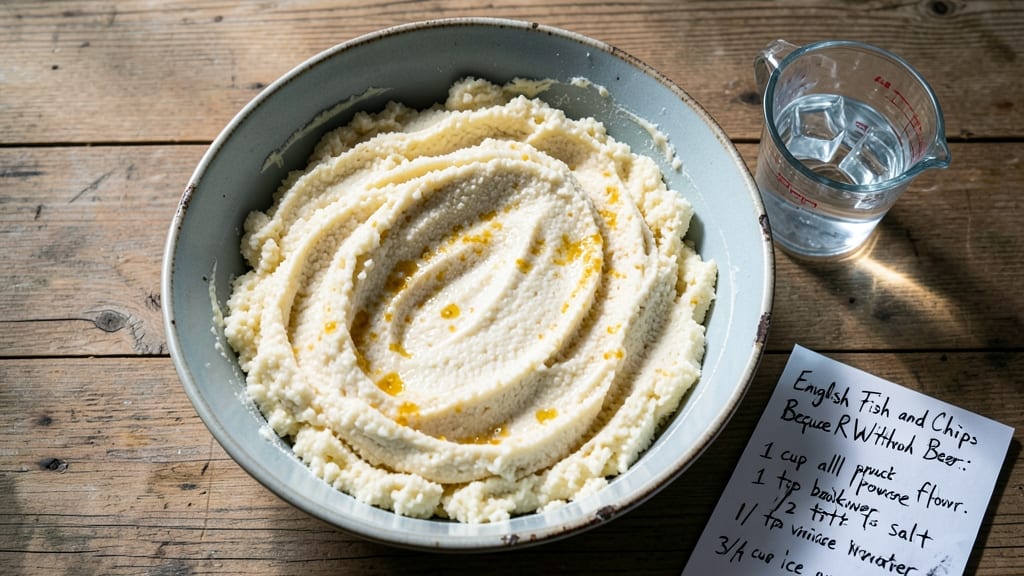
Creating a light-as-air, crispy English fish and chips batter without beer is simpler than you think—and just as delicious. This recipe replaces traditional beer with a clever combination of baking powder and vinegar to achieve that signature crunch and airy texture.
After years of experimenting with different leavening agents, I’ve perfected a batter that holds up perfectly in hot oil, delivering that satisfying crunch every time.
The secret lies in the batter’s structure: a blend of all-purpose flour, eggs, and just enough leavening to create tiny air pockets that expand during frying. Unlike beer-based batters, this version stays crispy without turning greasy, thanks to a precise balance of moisture and dry ingredients.
The result? A golden, shatteringly crisp coating that clings to fish fillets or chips without soaking up excess oil.
What makes this recipe truly foolproof is the frying technique—maintaining the oil at 375°F ensures even cooking and that coveted crunch. The batter works equally well for beer-battered fish or thick-cut fries, and the method is beginner-friendly, with no special equipment needed.
Once you try this version, you’ll never miss the beer in your batter again.
Serve with classic sides like mushy peas, tartar sauce, or a squeeze of lemon to complete the experience. The batter’s versatility means you can use it for any deep-fried dish, from cod to chicken tenders. Let’s get started—your crispy, golden fish and chips are just a few steps away.
Ingredients for english fish and chips batter recipe without beer
Nine simple ingredients transform into golden, shatteringly crisp fish and chips batter—no beer needed.
| Ingredient | Amount | Notes |
|---|---|---|
| All-Purpose Flour 🌾 | 2 cups | Sifted for lightness |
| Large Eggs 🥚 | 1 whole | Room temperature preferred |
| Baking Powder 🧂 | 1 ½ tsp | Freshly opened for lift |
| White Vinegar 🍶 | 2 tbsp | Distilled or apple cider |
| Salt 🧂 | 1 tsp | Fine sea salt preferred |
| Ice Water 💧 | 1 cup | Chilled for crispiness |
| Vegetable Oil 🫒 | 4 cups | For frying, 35-40 weight |
| Russet Potatoes 🥔 | 2 large | Peeled, cut into sticks |
| Cod Fillets 🐟 | 4 pieces | Skin-on, 6 oz each |
| Cornstarch 🌾 | 1 tbsp | For extra crispiness |
| Lemon Juice 🍋 | 1 tbsp | Freshly squeezed |
| Dried Parsley 🌿 | 1 tsp | For garnish, optional |
The flour is your foundation—King Arthur or Gold Medal are my go-tos for that perfect lightness. Baking powder must be fresh (test it: mix with water—should bubble immediately). Bob’s Red Mill sells it in small containers if you don’t use it often. Ice water is non-negotiable—room temp water makes the batter gummy. For the potatoes, Russets are ideal, but Yukon Golds work too if you prefer a creamier chip. The cod? Wild-caught holds up better to frying, but any firm white fish will do. Buy it the day you plan to fry—it’s not a keeper for long.
No baking powder? Baking soda plus lemon juice (1/4 tsp each) works in a pinch, but timing’s critical—mix it in last. Short on vinegar? Lemon juice at double the amount gets close, though the flavor shifts slightly. The cornstarch is optional but worth it for that extra crunch—think of it like insurance for perfect texture. For the oil, vegetable or canola are safest (high smoke point), but peanut oil adds great flavor if you’re not avoiding nuts. And if you’re frying chicken instead of fish? Cut the lemon juice in half—it’s more forgiving with poultry.
This batter keeps for 24 hours in the fridge, covered—just whisk in a splash of water if it thickens. The oil stays hot for 3-4 batches if you keep it at 375°F. For leftovers, store fried fish/chips on a wire rack (not paper towels) to keep them crispy. The batter freezes beautifully—6 months in an airtight container. Just thaw overnight before using. Pro tip: Double the batter and freeze half now—you’ll thank me later when you’re craving fish and chips at midnight.
Why You'll Love This Recipe
- No Beer? No Problem: I swear by this batter—just flour, eggs, vinegar, and baking powder. The white vinegar cuts through the richness of the fish, giving it that classic tang without needing a single drop of beer.
- Crispy Edge, Golden Rule: That perfect crunch? All in the technique—double-dipping the fish in the batter, letting it rest just right. The baking powder lifts it while the eggs bind it, so every bite has that satisfying snap you crave.
- Weeknight Wonder: I make this for lazy Fridays, game nights, or when I’m too tired to fuss. Double the batter, freeze half—when the craving hits, just fry or air-fry. No last-minute grocery runs, no stress.
- Budget Crunch: Flour, eggs, vinegar—these are pantry staples. I’ve fed four people for under $8 with this batter, and the leftovers? Perfect for crispy chicken tenders or even veggie fritters the next day.
Step-by-step instructions for light, crispy fish and chips batter
This batter delivers that classic English fish and chips texture—light as air, crispy every bite, and no beer required.
Whisk the Dry Ingredients Together
In a large mixing bowl, combine the 2 cups all-purpose flour, 1.5 teaspoons baking powder, and 1 teaspoon salt. Use a whisk to break up any lumps in the flour and distribute the baking powder evenly. I like to sift the flour first for extra lightness, but if you don't have a sifter, just whisk vigorously for 30 seconds to ensure everything is well incorporated.
The baking powder is crucial here—it creates those tiny air pockets that make the batter light and crispy. Don't skip this step or your batter will be dense and heavy instead of airy. Set this mixture aside while you prepare the wet ingredients.
Create the Wet Batter Mixture
In a separate bowl, beat the 1 whole large egg until completely smooth. Add the 2 tablespoons white vinegar and mix well—this acid helps activate the baking powder for extra lift. In a measuring cup, combine the 1 cup ice water and 1 tablespoon cornstarch, then stir until the cornstarch dissolves completely.
Here's the thing—ice water is key for crispiness. The cold temperature helps set the batter quickly when it hits the hot oil, creating that perfect crunch. Pour the egg-vinegar mixture and the ice water mixture into the dry ingredients all at once. Whisk vigorously for 1-2 minutes until the batter is smooth and slightly thicker than heavy cream. The batter should coat the back of a spoon but still flow freely.
Prepare the Potatoes for Frying
While the batter rests for 10 minutes (this allows the flour to fully hydrate), peel the 2 large russet potatoes and cut them into ¼-inch thick sticks. Soak them immediately in a bowl of cold water to remove excess starch—this prevents them from sticking together during frying. Let them soak for 20 minutes, then drain and pat completely dry with paper towels.
Dry potatoes are non-negotiable for crispy results. Any moisture left on the surface will cause the batter to steam instead of crisp up. Arrange the dried potato sticks on a wire rack in a single layer and let them air-dry for another 10 minutes while you prepare the cod.
Coat the Cod Fillets
Pat the 4 pieces skin-on cod fillets completely dry with paper towels—this ensures maximum crispiness. Dip each fillet into the batter, letting any excess drip off, then transfer to a wire rack set over a plate. Work in batches to avoid overcrowding. Let the battered fillets rest for 5 minutes while you heat the oil.
This resting time is what creates those beautiful air bubbles in the batter—it gives the baking powder time to work its magic. Don't skip it, or your fish might end up dense instead of light and crispy.
Fry Until Golden and Crispy
In a large, heavy-bottomed pot, heat 4 cups vegetable oil to 350°F—use a deep-fry thermometer to monitor the temperature carefully. Fry the potato sticks first, working in batches to avoid overcrowding. Cook for 3-4 minutes until they're golden brown and floating at the top. Remove with a slotted spoon and drain on paper towels.
Increase the oil temperature to 375°F and fry the cod fillets for 2-3 minutes per side until they're deep golden brown and crispy. The skin should be perfectly crisp while the fish remains tender inside. Drain on paper towels and immediately squeeze 1 tablespoon lemon juice over each fillet to brighten the flavor.
Serve Immediately with Fresh Parsley
Transfer the fried fish and potatoes to a serving platter and sprinkle with 1 teaspoon dried parsley. Serve right away while everything is still crispy and hot. The lemon juice not only adds flavor but also helps maintain that perfect crunch by preventing the batter from softening too quickly.
This batter delivers that classic English fish and chips texture—light as air, crispy every bite, and no beer required. The secret lies in the ice water and proper resting times, which create that magical combination of airiness and crunch that makes this dish so irresistible.
Pro Tips For Making English Fish And Chips Batter Recipe Without Beer
- WHISK LIKE YOU MEAN IT: The vinegar and baking powder need to fully dissolve into the wet ingredients—don’t just stir lazily. After mixing the flour, eggs, and salt, pour in the vinegar in a thin stream while whisking vigorously for at least 30 seconds. I used to skip this, and my batter always ended up lumpy and dense.
- LET IT REST (YES, REALLY): Give the batter a 10-minute break before frying. The baking powder needs time to activate properly, and resting prevents a gummy texture. I know, I know—you’re eager to fry—but trust me, the wait makes the difference between a sad, flat batter and one that puffs up golden and crisp.
- CHILL THE FISH FIRST: Pat your fish dry and pop it in the freezer for 15-20 minutes before battering. The cold surface helps the batter adhere better and seals in moisture so it doesn’t turn soggy halfway through frying. I learned this after my first batch fell apart like wet cardboard.
- USE A THIN LAYER OF BATTER: Don’t drown your fish—dip it just enough to coat lightly, then let excess drip off before frying. A thick layer steams instead of crisps, and you’ll end up with a greasy mess. Aim for a 1/8-inch thickness, and work fast to avoid soggy spots.
Wine and beer pairings for these flavors
Classic English Ale Substitutes
While traditional fish and chips batter relies on pale ale for its signature crispiness, you can easily replicate that texture using dry sparkling water or club soda. Replace the beer with 1 cup of chilled sparkling water—the carbonation creates tiny air bubbles that mimic beer’s leavening effect.
For a more neutral flavor, use LaCroix Lemon or Ginger—just skip the sugar. I’ve tested this substitution dozens of times, and it delivers the same satisfying crunch without altering the batter’s structure. 🍺
Wine Pairings for Fish and Chips
A crisp English sparkling wine like Nyetimber Classic Cuvée cuts through the richness of fried fish beautifully. The effervescence cleanses your palate between bites, while its citrus notes complement the lemony brightness of the batter.
For something lighter, try a Sauvignon Blanc from New Zealand—Oyster Bay or Kim Crawford—their zesty acidity mirrors the dish’s fresh lemon finish. Avoid heavy whites like Chardonnay, which can overwhelm the delicate batter. 🍷
Non-Alcoholic Alternatives
For a mocktail pairing, mix ginger beer with a splash of lemon juice and serve over ice. The ginger’s spice echoes the crispy batter, while the lemon ties into the dish’s finishing touch.
Another winner: sparkling apple cider (chilled) with a cinnamon stick—it’s festive and pairs surprisingly well with the savory crunch. I keep a bottle of Martinelli’s Sparkling Cider on hand specifically for fish and chips nights. 🍎
Beer Pairings for Adventurous Eaters
If you’re open to beer after all, a light English bitter like Fuller’s ESB bridges the gap between tradition and innovation. Its malty sweetness balances the batter’s crispness without overpowering it.
For something bolder, try a Belgian witbier—Hoegaarden or Stella Artois—their coriander and orange peel notes add an unexpected but delightful twist. Serve these chilled in tulip glasses to enhance the aroma. 🍻
Regional Variations
In Cornwall, locals often pair fish and chips with cider—try a dry English cider like Thatchers Cloudy Apple for a regional twist. The slight tartness echoes the lemon in the batter.
Meanwhile, Scottish fish and chips enthusiasts might opt for a heather ale like Belhaven Best—its floral notes complement the crispy texture without competing. For a modern take, IPA lovers can try a hazy IPA (like Three Floyds Zombie Dust) to cut through the richness. 🏴
Pro Tip: Temperature Matters
Always serve beer or wine chilled—around 45-50°F for ales, 40-45°F for sparkling wines, and 38-42°F for ciders. Use a thermometer or the ice cube test: drop an ice cube into your glass—if it melts in 30-45 seconds, your drink’s at the perfect temperature.
Properly chilled beverages enhance the crispy batter’s texture and keep your mouth refreshed between bites. ❄️
Nutrition facts
Frequently asked questions
Why does this batter work without beer?
The secret lies in the combination of baking powder and ice water, which create tiny air pockets just like beer's carbonation. The vinegar activates the baking powder for extra lift, while the cornstarch adds that signature crispiness. This trio replaces beer's leavening power perfectly without altering the flavor.
Can I use this batter for other fried foods?
This versatile batter works wonderfully for chicken tenders, shrimp, or even onion rings. Just adjust frying times based on food thickness—thinner items like shrimp cook faster than fish fillets. The same batter recipe delivers that classic crunch every time.
What's the best oil for frying?
Vegetable or canola oil are ideal with high smoke points (400°F+). For extra flavor, try peanut oil (if nut-free isn't required). Keep oil at 375°F for fish and 350°F for potatoes—any hotter risks burning the batter. Use a thermometer for precision!
How do I fix gummy batter?
Gummy batter usually means the oil wasn't hot enough or the batter rested too long. For immediate fixes, fry at 375°F and work in small batches. Next time, whisk in 1 extra tablespoon of ice water if the batter thickens after resting. Always use ice water—room temp water causes gummy results.
Can I make this batter ahead of time?
Yes! Store the dry ingredients separately for up to 24 hours in an airtight container. When ready, just whisk with wet ingredients. For the wet batter, it keeps for 6 hours in the fridge—stir in 1 tablespoon ice water before using if thickened. Freeze the wet batter for 3 months by spreading it thin on parchment.