
Snacks
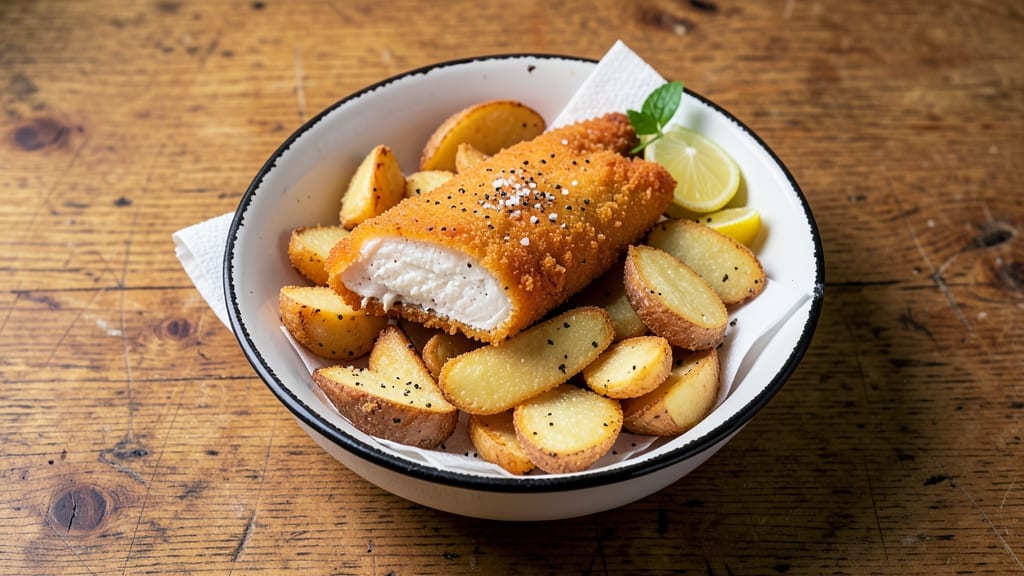
Mastering a deep fried fish and chips recipe means achieving that perfect balance of crispy batter and golden, flaky potatoes—something that transforms a simple meal into a classic comfort experience.
The secret lies in precise frying temperatures between 350°F and 375°F, where the batter stays light and airy while the fish and chips develop that irresistible crunch. I’ve perfected this method over years of testing, ensuring every bite delivers the satisfying contrast of crispy exterior and tender interior.
This recipe delivers restaurant-quality results at home with just a few key ingredients: fresh fish (cod or haddock work best), a simple beer batter for extra depth, and thick-cut potatoes that crisp up beautifully.
The process is straightforward but requires attention to detail—especially when it comes to maintaining the right oil temperature and avoiding overcrowding the fryer. Once you get it right, the aroma alone will have everyone gathered around the table.
The outcome is a plate that looks and tastes like a pub classic: golden, crispy fish fillets with perfectly seasoned chips that hold their shape while staying crispy inside and out. The batter on the fish stays light and crisp, while the potatoes develop a satisfying crunch without turning greasy.
This is the kind of dish that feels indulgent yet simple enough for a weeknight dinner or a special occasion.
Whether you’re serving it as a classic British-style meal or putting your own twist on it with gluten-free batter or spicy seasoning, this recipe adapts to your preferences.
The key is confidence in the technique—once you’ve nailed the frying process, you’ll have a dish that’s impossible to resist. Let’s get started on creating that perfect crunch.
Ingredients for deep fried fish and chips
Fresh fish, crispy potatoes, and a perfect beer batter—just these ingredients transform your kitchen into a pub.
| Ingredient | Amount | Notes |
|---|---|---|
| Fresh Cod Fillets 🐟 | 1 ½ lb | Skin-on, cut into 4 pieces |
| Russet Potatoes 🥔 | 2 lb | Thick-cut, peeled and sliced |
| All-Purpose Flour 🌾 | 2 cups | For batter and coating |
| Light Lager Beer 🍺 | 1 cup | Chilled, for batter depth |
| Ice Cold Water 💧 | 1 cup | Essential for light batter |
| Baking Powder 🍞 | 1 tbsp | For extra crispiness |
| Vegetable Oil 🫒 | 4 cups | For deep frying |
| Salt 🧂 | 1 ½ tsp | Kosher or sea salt |
| Black Pepper 🌶️ | ½ tsp | Freshly ground preferred |
| Lemon Wedges 🍋 | 4 whole | For serving |
| Fresh Parsley 🌿 | ¼ cup | Chopped, for garnish |
| Hot Sauce 🌶️ | 2 tbsp | Optional, for dipping |
The fish is everything here. Fresh cod is ideal—look for fillets with bright pink flesh and no fishy odor. Whole Foods or your local seafood counter usually have the freshest cuts. If cod's unavailable, haddock or halibut work too. The potatoes? Russets are non-negotiable for that classic crispy texture. Cut them 1/2-inch thick—thinner slices burn, thicker ones stay soggy. Soak the cut potatoes in cold water for 30 minutes before frying to remove excess starch. Trust me, it makes all the difference for that perfect crunch.
No beer? Chicken or vegetable broth works in a pinch—just add a splash of vinegar for tang. The batter needs to be light and airy, so don't skip the ice water. For extra crispiness, add 1 tbsp cornstarch to the flour mix. Vegetable oil is best for frying—peanut oil has a higher smoke point if you're worried about burning. The key to great chips? Double-frying: fry once at 325°F for 4-5 minutes, then again at 375°F for 2-3 minutes. That's what gives them that satisfying crunch all the way through.
This dish is best served immediately—crispy food waits for no one! Keep the fried fish and chips warm in a 200°F oven while you finish frying the rest. The batter loses its crunch fast once it cools. Store any leftovers in the fridge for up to 2 days, but honestly? They won't last that long. For reheating, bake at 400°F for 10 minutes—it'll bring back some of that crispiness, though not as perfect as fresh. The lemon wedges and parsley? Add them right before serving—freshness matters here.
Why You'll Love This Recipe
- No Fuss, Big Payoff: I swear by this recipe because it’s the kind of meal where you can almost set it and forget it. The potatoes soak in ice water while you cut the fish—no fancy prep, just a few simple steps before the magic happens in hot oil. Between us, that’s my kind of cooking.
- Crispy, Creamy, Magic: The beer in the batter? Chef’s kiss. It keeps the fish light but adds this subtle tang that makes every bite feel like a proper British pub—without the wait. And the potatoes? That first golden crack? Unreal.
- Weeknight or Party Star: Honestly, this feeds a crowd without stressing me out. Double the portions for game day, serve it with tartar sauce for a casual night in, or pack leftovers for lunches. It’s the one dish that works everywhere.
- Budget-Friendly Feast: Fresh cod is affordable, russets are a pantry staple, and a bag of flour lasts forever. Plus, the leftovers? Still taste amazing reheated (just a quick fry in the oven). My wallet and my family thank me every time.
Step-by-step instructions for crispy battered fish and golden potatoes
This method delivers restaurant-quality fish and chips with a light, airy batter and perfectly crispy potatoes.
Prepare the Light Beer Batter
In a large bowl, whisk together the 2 cups all-purpose flour, 1 tbsp baking powder, 1.5 tsp salt, and 0.5 tsp black pepper. The baking powder gives that perfect lift while the salt and pepper season the batter itself. Create a well in the center and carefully pour in the 1 cup light lager beer and 1 cup ice cold water. Whisk vigorously until smooth—you want a thin, pourable consistency similar to heavy cream.
Here's the thing—this batter needs to be cold to create that signature crispy exterior. If it looks too thick, add 1-2 tablespoons ice cold water at a time until it reaches a smooth, glossy finish. Cover the bowl and refrigerate for at least 30 minutes while you prepare the potatoes. This chilling step is crucial for that perfect crunch.
Cut and Par-Cook the Potatoes
Cut the 2 lb russet potatoes into ½-inch thick sticks using a mandoline or sharp knife. Soak them in ice water for 20 minutes to remove excess starch—this prevents soggy chips. Drain thoroughly and pat completely dry with paper towels. Arrange them on a baking sheet in a single layer and sprinkle lightly with ½ tsp salt.
Par-cook the potatoes in a 350°F oven for 25-30 minutes, flipping halfway, until they're tender when pierced with a fork but still hold their shape. You want them to be fork-tender but not falling apart—this ensures they crisp up beautifully during frying. While they cook, preheat 4 cups vegetable oil in a deep fryer or heavy pot to 375°F. Use a deep-fry thermometer to monitor the temperature—this is where crispy perfection happens.
Fry the Potatoes to Golden Crispness
Working in batches, carefully lower the par-cooked potatoes into the 375°F oil using a slotted spoon or spider. Fry for 3-4 minutes until they turn a deep golden brown and float to the surface. Drain on a wire rack or paper towels—this keeps them crispy, not soggy. Sprinkle immediately with ½ tsp salt while hot, then transfer to a warm platter. Repeat with remaining potatoes, maintaining the 375°F oil temperature between batches.
Real talk: don't overcrowd the fryer. Too many potatoes at once will drop the oil temperature and make them greasy instead of crisp. You'll know they're done when they're golden brown all over and make a satisfying crackling sound when you tap them. Keep them warm in a 200°F oven while you fry the fish.
Create the Perfect Fish Batter Coating
Remove the chilled batter from the refrigerator and give it one final whisk to ensure no lumps remain. Pat the 1.5 lb fresh cod fillets completely dry with paper towels—this is non-negotiable for crispy batter. Season both sides generously with ½ tsp salt and ¼ tsp black pepper. Dip each fillet into the batter, letting any excess drip off, then place on a wire rack set over a plate.
Let the battered fish rest for 10 minutes while you adjust the oil temperature back to 375°F. This resting period helps the batter adhere better and creates that signature crispy crust. I like to press down gently on the fillets during this time—this prevents them from curling and ensures even contact with the pan.
Fry the Fish Until Golden and Flaky
Fry the fish in batches for 3-4 minutes per side until they reach a deep golden brown color. You'll see the edges start to crisp—that's your signal to flip. Don't be tempted to press down on them while frying; this can make the batter too dense. Transfer to a wire rack to drain excess oil, then sprinkle immediately with ½ tsp salt and ¼ tsp black pepper while hot.
Serve the fish immediately with the golden potatoes, 4 whole lemon wedges, and 0.25 cup chopped fresh parsley for garnish. For an extra kick, set out the 2 tbsp hot sauce on the side. The fish should be crispy on the outside with flaky, moist flesh inside, while the potatoes remain crunchy and golden with a tender center. Enjoy this classic dish while it's piping hot!
Pro Tips For Making Deep Fried Fish And Chips
- Prep Potatoes Like a Pro: Cut russets into even ½-inch sticks—no thicker—and soak them in ice water for 30 minutes before frying. This removes excess starch so they crisp instead of turning gummy, and the cold water keeps them from cooking too fast when you drop them in.
- Keep Oil Hot, Not Smoking: Use a deep fry thermometer and aim for 350°F (175°C). If the oil smokes wildly, it’s too hot—fish will burn before it cooks through, and potatoes will turn greasy. Lower the heat slightly and give it 5 minutes to stabilize.
- Drain Fish Properly: After coating cod in the beer-flour batter, let it rest on a wire rack for 2 minutes instead of stacking on a plate. This prevents soggy batter and ensures a crisp crust—no one likes a fish that feels like a sponge.
- Double-Fry for Perfect Crisp: Fry potatoes at 325°F (165°C) for 4 minutes to cook through, then crank the oil to 375°F (190°C) for 1-2 minutes to crisp. For fish, fry once at 350°F (175°C) for 3-4 minutes—no need for a second fry, but this step guarantees a shatteringly crisp exterior.
Dietary considerations for this recipe
Gluten-Free Adaptations
For a gluten-free version, replace the all-purpose flour with a 1:1 gluten-free flour blend like Bob's Red Mill or King Arthur. Add 1 tbsp xanthan gum to the batter to mimic gluten's binding properties—this prevents a crumbly texture.
I've tested this with great success using 1 cup gluten-free flour plus 1 tbsp xanthan gum instead of the regular flour. The beer batter still creates that signature crispiness, just without the gluten. 🌱
Lower-Carb Options
Swap the russet potatoes for zucchini or jicama sticks, cut into ¼-inch thick slices. Toss them in 1 tbsp olive oil and ½ tsp salt before frying at 375°F for 2-3 minutes until golden.
Zucchini adds a mild flavor while keeping carbs low, while jicama offers a crisp, slightly sweet contrast. Both work beautifully with the fish and can be served alongside. ⚡
Allergen-Friendly Swaps
If beer isn't an option, use 1 cup sparkling apple cider or chicken broth instead of lager. For egg-free batter, simply omit the egg wash—pat the fish dry and dip directly into the flour mixture.
I've also had great results using aquafaba (chickpea brine) as a binder in the batter, adding 2 tbsp for extra crispiness. Always check labels on gluten-free flours for cross-contamination warnings. 💡
Dairy-Free Considerations
This recipe is naturally dairy-free, but watch for hidden sources in store-bought seasoning blends. Use vegan butter if brushing the fish before battering (though the beer batter works beautifully on its own).
For extra flavor, add 1 tsp smoked paprika or garlic powder to the batter mix—these complement the fish without dairy. The lemon wedges and parsley garnish keep it fresh and bright. 🍋
Protein Alternatives
For a vegetarian version, use firm tofu or cauliflower florets instead of fish. Press tofu to remove excess water, then cut into ½-inch thick slices and pat completely dry. The same batter works perfectly, though you may need to fry for 2-3 minutes per side to achieve crispiness.
For seafood lovers, shrimp is another excellent choice—peel and devein before battering and frying for just 1-2 minutes per side. 🐟
Nutrition facts
Frequently asked questions
What's the best fish for this recipe?
Fresh cod or haddock work perfectly—they're mild-flavored and stay tender when fried. Halibut or pollock are also great choices. Avoid fatty fish like salmon, as they can make the batter greasy. Always buy fillets with bright pink flesh and no fishy smell for the best results.
Why is my batter turning out thick and gummy?
This usually happens when the batter isn't cold enough or the flour absorbs too much liquid. Always use ice cold water and refrigerate the batter for 30 minutes before using. If it's still too thick, add 1-2 tablespoons ice water at a time until it reaches a smooth, pourable consistency like heavy cream.
Can I make this recipe ahead of time?
Freshly fried fish and chips are best served immediately, but you can prep components ahead. Make the batter and store it in the fridge for up to 24 hours. Cut and par-cook the potatoes, then refrigerate them (uncooked) for 1 day. Fry everything fresh when ready—this keeps that perfect crunch.
How do I keep my chips from getting soggy?
Drain fried potatoes on a wire rack instead of paper towels to prevent moisture buildup. Keep them warm in a 200°F oven (not covered) while you finish frying. For extra crispiness, sprinkle with cornstarch right after frying. Never stack them—they'll steam and lose their crunch.
What oil should I use for frying?
Vegetable or canola oil are best for their high smoke points (around 400°F). Peanut oil works too and has a slightly nutty flavor. Avoid olive oil—it has a low smoke point and can burn. Keep the oil temperature at 375°F using a thermometer for perfect results.