
Snacks
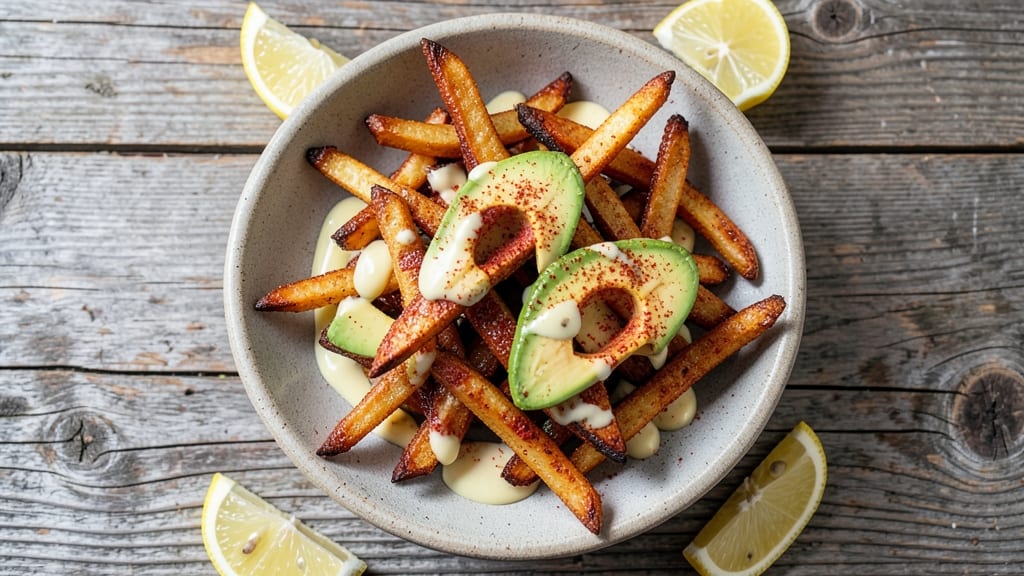
This vegan cactus fries recipe transforms prickly pear into addictively crispy, zero-waste bites that taste like a cross between potato fries and sweet, tangy fruit. The secret lies in thin, even slicing and the perfect balance of spice—whether you prefer classic Mexican adobo or a modern smoky paprika blend.
I’ve tested both frying and air-frying methods, and the results are equally satisfying, with a satisfying crunch that disappears in seconds.
The beauty of cactus fries is their versatility—they’re naturally gluten-free, packed with fiber, and ready in under 30 minutes. Start by peeling and slicing the cactus into even strips (about ¼-inch thick), then pat them dry to ensure crispiness.
A quick soak in cold water removes any lingering bitterness, while a light coating of cornstarch or flour creates that irresistible crunch. The key? Cooking them in small batches to maintain temperature control, whether you’re frying in oil or air-frying for a lighter version.
What you’ll end up with is a platter of golden, crispy fries with a subtle sweetness and a satisfying snap—perfect for snacking, game day, or as a side to tacos or grilled meats. The seasoning clings perfectly, whether you go for smoky chipotle, zesty lime, or a simple salt-and-pepper finish.
Serve with a cooling avocado dip or creamy cashew sour cream to balance the heat, and watch these fries disappear faster than you can say “zero waste.”
This recipe isn’t just about flavor—it’s about sustainability. Every part of the cactus is edible, from the fruit to the peel, making it one of the most eco-friendly snacks you can make.
Whether you’re a seasoned cook or a beginner, these fries are impossible to mess up, and the process is simpler than you’d think. Let’s get started—your taste buds (and the planet) will thank you.
Ingredients for cactus fries
Simple, sustainable, and packed with flavor—just these ingredients transform prickly pear into crispy, zero-waste fries.
| Ingredient | Amount | Notes |
|---|---|---|
| Prickly Pear Cactus 🌵 | 2 whole | Peeled, sliced into 1/4-inch strips |
| Cornstarch 🌾 | ½ cup | For crispy coating |
| Avocado Oil 🫒 | 2 cups | For frying, high smoke point |
| Lemon Juice 🍋 | 2 tbsp | Freshly squeezed, for soaking |
| Smoked Paprika 🌶️ | 1 ½ tbsp | For smoky flavor |
| Ground Cumin 🌿 | 1 tbsp | Earthy warmth |
| Garlic Powder 🧄 | 1 tbsp | Savory depth |
| Salt 🧂 | 1 tsp | Kosher or sea salt |
| Black Pepper 🌶️ | ½ tsp | Freshly ground |
| Lime Zest 🍋 | 1 tbsp | Bright citrus finish |
| Avocado Dip 🥑 | 1 cup | Optional serving suggestion |
The cactus is the star, so grab a fresh prickly pear from a Latin market or specialty store—they’re usually sold peeled and ready to slice. Look for vibrant, firm fruit without soft spots. Whole Foods or Trader Joe's often carry them, or check the international produce section. If you can't find fresh, canned prickly pear slices work in a pinch, but drain them well. The key is even, thin strips—about 1/4-inch thick—for consistent crispiness. I always slice mine with a mandoline for perfect thickness, but a sharp knife works too if you're careful.
No cornstarch? All-purpose flour or arrowroot powder works just as well—just use the same amount. For the seasoning, adobo powder gives that classic Mexican kick, but I often mix smoked paprika, cumin, and garlic powder for a custom blend. Want extra heat? Add a pinch of cayenne. The lemon juice soak is crucial—it removes any bitterness and helps the cactus absorb the seasoning better. If you're air-frying, use avocado oil spray instead of submerging in oil, and cut the batch in half to avoid steaming.
These fries are best served immediately, but you can reheat them in a 350°F oven for 5 minutes to restore crispiness. Store leftovers in an airtight container for up to 3 days, though they lose their crunch over time. The avocado dip keeps for 2 days in the fridge—blend ripe avocado with lime juice, salt, and a splash of water for a quick, creamy pairing. Freezing isn't recommended, as the texture gets mushy. Make a big batch and enjoy them fresh!
Why You'll Love This Recipe
- I’ll be real: the cactus slices take two minutes to peel and slice—no chopping, no fuss. Just peel the spines off (gloves help), slice into sticks, and you’re done before your coffee finishes.
- No-Prep Nightmare: I’ll be real: the cactus slices take two minutes to peel and slice—no chopping, no fuss. Just peel the spines off (gloves help), slice into sticks, and you’re done before your coffee finishes.
- Tangy Crunch Magic: That lemon juice and smoked paprika combo? It’s the secret weapon—bright, smoky, and just sweet enough from the cactus. The cornstarch crust gives it that addictive crunch while staying crispy even when reheated.
- Game for Any Gathering: Serve it as a snack with guacamole, a side with tacos, or even a star at your next potluck. It’s vegetarian, gluten-free, and somehow still feels like a party dish—no one will guess it’s just cactus.
Step-by-step instructions for crispy cactus fries
Here's how to transform prickly pear cactus into golden, crunchy fries with bold smoky flavors.
Prepare the Prickly Pear for Frying
Start by carefully peeling the prickly pear cactus using a vegetable peeler or sharp knife, working against the grain to remove all spines. Cut each cactus into ¼-inch thick strips—this thickness ensures even cooking and maximum crispiness. Place the strips in a large bowl and pour over the 2 tablespoons lemon juice. This acid tenderizes the cactus slightly and prevents browning while you prep.
Let the cactus soak for 10 minutes while you prepare the spice coating. You'll know it's ready when the strips look slightly plump and the lemon juice has been absorbed. Drain any excess liquid but don't rinse the cactus—those citrus notes will enhance the flavor. I always work quickly at this stage because prickly pear can dry out if left uncovered too long.
Create the Crispy Spice Coating
In a shallow bowl, whisk together the ½ cup cornstarch, 1.5 tablespoons smoked paprika, 1 tablespoon ground cumin, 1 tablespoon garlic powder, 1 teaspoon salt, and ½ teaspoon black pepper. Add the 1 tablespoon lime zest and mix until evenly distributed. The lime zest adds a bright citrus punch that cuts through the richness of the fried cactus.
Transfer the drained cactus strips to the spice mixture and toss gently with your hands or a silicone spatula until every piece is fully coated. You want a thick, even layer that will create maximum crispiness when fried. If some pieces seem dry after tossing, add just enough water (about 1 teaspoon) to help the spices adhere without making the mixture soggy. Let the coated cactus rest for 5 minutes while you heat the oil.
Fry to Golden Perfection
Fill a deep skillet or Dutch oven with 2 cups avocado oil and heat over medium-high heat until the oil reaches 350°F. Use a thermometer to monitor the temperature—this precision ensures crispy fries, not greasy ones. The oil should shimmer gently when ready. Test by dropping in a small piece of cactus—if it floats immediately and sizzles loudly, the oil is ready.
Working in batches to avoid crowding, carefully add the cactus strips to the hot oil. Fry for 2-3 minutes per side until they turn a deep golden brown color. You're looking for that perfect balance between crispy exterior and tender interior. If the cactus pieces stick together, gently separate them with a slotted spoon. Transfer the fried cactus to a paper towel-lined plate to drain excess oil, then sprinkle with a pinch of extra salt while still hot.
Serve Immediately with Avocado Dip
These cactus fries are best served immediately while still crispy. Arrange them on a platter and serve with the 1 cup avocado dip on the side. The cool, creamy avocado perfectly balances the smoky, spicy fries. For extra flavor, I like to sprinkle additional lime zest over the top right before serving—it adds that final bright citrus note that makes these fries truly special.
If you can't serve them all at once, keep the fries warm in a 200°F oven for up to 10 minutes while you finish cooking additional batches. The key to perfect cactus fries is serving them crispy and hot—don't let them sit too long or they'll lose their crunch. Enjoy with your favorite margarita or guacamole for the ultimate appetizer experience!
Pro Tips For Making Cactus Fries
- SLICE THINLY, EVENLY: I learned this the hard way—uneven slices mean some pieces overcook into mush while others stay underdone. Aim for ¼-inch thickness, and use a sharp knife or mandoline to keep it consistent. (Yes, even if you’re impatient like me.)
- PAT DRY BEFORE COATING: Wet cactus sticks to cornstarch like glue, and that’s a recipe for soggy fries. After slicing, spread the pieces on a towel and blot them dry with paper towels—this guarantees a crispy crust instead of a sticky mess.
- FRY IN BATCHES: Overcrowding the pan drops the oil temperature, and suddenly you’ve got greasy, limp fries instead of golden, shatteringly crisp ones. Work in small batches—no more than ½ inch thick—and keep the oil hotter than you think.
- BRINE FOR 10 MINUTES: Skip this, and your fries will taste bland no matter how much smoked paprika you add. Toss the sliced cactus in a bowl with 1 cup water, 1 tsp salt, and 1 tbsp lemon juice for 10 minutes—it makes a real difference in flavor and texture. (Your future self will thank you.)
Wine and beer pairings for this cactus fries
Mexican Margaritas
A classic reposado tequila margarita cuts through the smoky, spicy notes of cactus fries beautifully. I recommend a Paloma-style version with grapefruit soda and a lime wedge—its citrus brightness mirrors the lime zest in the fries.
For a stronger pairing, try a spicy margarita with Tajín rim and a shot of chipotle-infused tequila. The heat complements the cactus's natural sweetness perfectly. 🍹
Mexican Lager Beers
Crisp Mexican lagers like Modelo Especial or Pacífico are ideal—their clean, refreshing profiles balance the smoky spices without overpowering. For a more robust option, Negra Modelo adds a subtle malty depth that pairs well with the cactus's caramelized edges.
Serve slightly chilled to enhance the fries' crispiness. Avoid heavy IPAs or stouts, as they can clash with the dish's delicate sweetness.
Mexican Craft Beers
For a modern twist, try Constellation Brewing's Mexican Lager or Deschutes Brewery's Sun River Pale Ale—both offer unique flavor profiles. The Sun River brings a light citrus and herbal note that echoes the lime zest in the fries, while the Mexican Lager remains a crowd-pleaser.
If you prefer hoppier options, a Mexican-style IPA with Citra hops adds a fruity contrast that works surprisingly well. 🍺
Non-Alcoholic Options
Don’t skip the party if you’re avoiding alcohol! A sparkling limeade with muddled jalapeño and agave syrup mirrors the fries' spicy-sweet balance. For a creamy option, blend coconut milk, lime juice, and honey for a refreshing, dairy-free alternative.
Serve over ice with a lime wheel for that extra zing.
Wine Pairings
If you prefer wine, a dry rosé like Miraval or a light-bodied red such as Tempranillo works wonders. The rosé’s crisp acidity cleanses the palate between bites, while the Tempranillo’s earthy notes complement the cumin and smoked paprika.
Avoid heavy, oaky whites or bold reds—they can overwhelm the fries' delicate flavors. 🍷
Dessert Wine Finish
End the meal with a sweet Moscato d’Asti or Pedro Ximénez sherry to highlight the cactus’s natural sweetness. The Moscato’s effervescence and fruitiness make it a playful closer, while the sherry’s caramel and raisin notes echo the fries’ caramelized edges. Serve chilled for the best experience.
Nutrition facts
Frequently asked questions about prickly pear fries
Can I use canned prickly pear instead of fresh?
Yes, but with adjustments! Drain and pat dry canned slices thoroughly to remove excess moisture, then slice into ¼-inch strips for even cooking. Reduce the lemon juice soak to 5 minutes since canned cactus is already prepped. The texture will be slightly softer than fresh, but still delicious when fried with extra cornstarch for crispiness.
Why do my cactus fries turn out soggy?
Soggy fries usually mean one of three things: overcrowding the pan, undercooked oil (350°F is key), or not patting the cactus dry enough. Work in small batches with 2-3 minutes per side and use a thermometer to monitor oil temp. For extra insurance, double the cornstarch coating to 1 cup total.
What's the best way to make these gluten-free?
Simply swap cornstarch for arrowroot powder or tapioca starch in a 1:1 ratio. Both create crispy coatings without gluten. For extra crunch, add ½ cup crushed panko (gluten-free version) to the spice mix. The recipe already avoids common allergens, making it perfect for vegan and gluten-sensitive diets.
Can I bake these instead of frying?
Toss the seasoned cactus strips in 1 tablespoon avocado oil and bake at 425°F for 12-15 minutes, flipping halfway. For extra crispiness, broil for 1-2 minutes at the end. Air-frying at 400°F for 8-10 minutes gives the best results—shake the basket once for even browning.
How do I store leftovers without losing crispiness?
Store in a single layer on a wire rack in the fridge for 2 hours to dry out, then transfer to an airtight container. Reheat in a 375°F oven for 3-5 minutes until crispy again. For longer storage, freeze uncooked strips (tossed in seasoning) for up to 1 month, then fry from frozen, adding 1 extra minute per side.