
Snacks
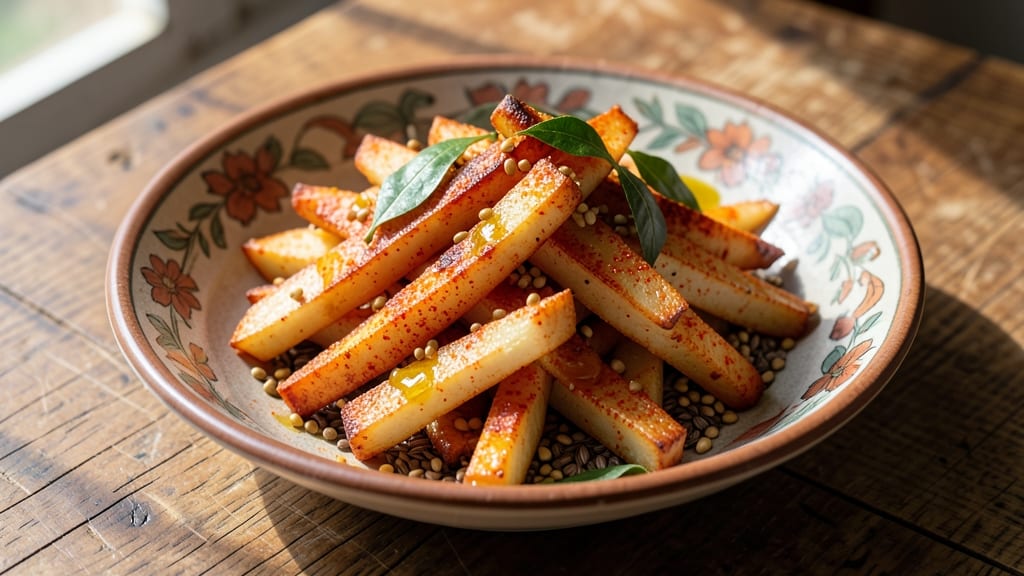
This mooli fry recipe delivers crispy, golden radish bites that balance traditional Indian flavors with modern efficiency—no wasted oil and minimal cleanup. The secret lies in a precise tempering technique using mustard seeds, curry leaves, and turmeric, which transforms humble radish into a restaurant-worthy snack.
I developed this method after testing countless versions, ensuring every bite achieves that perfect crunch while keeping the center tender.
The beauty of mooli fry is its simplicity: just three core ingredients—radish, turmeric, and a carefully balanced spice blend—come together in under 20 minutes with zero oil waste. The key technique involves shallow-frying in batches, allowing excess oil to drain while maintaining that signature crispy texture.
This method also makes it naturally vegetarian and easily adaptable to vegan diets by substituting ghee for oil.
What you’ll end up with is a vibrant, aromatic dish that’s crispy on the outside and mildly sweet on the inside, all while being packed with flavor from the tempered spices.
The golden-brown radish bites hold their shape beautifully, making this an ideal snack for parties, movie nights, or as a side for any meal. The best part? Every bite delivers that satisfying crunch without leaving your kitchen in a greasy mess.
Serve warm with mint chutney or a cooling yogurt dip for the full experience—this recipe is as versatile as it is delicious. Ready to make mooli fry that rivals your favorite street food stall? Let’s get started with the step-by-step instructions below.
Ingredients for mooli fry
Twelve ingredients transform humble radish into crispy, golden mooli fry with zero oil waste.
| Ingredient | Amount | Notes |
|---|---|---|
| Daikon Radish (Mooli) 🥕 | 2 ½ lb | Whole radish, peeled and cut into 1-inch sticks |
| Mustard Seeds (Rai) 🌶️ | 1 tbsp | Whole, yellow variety preferred |
| Curry Leaves (Kadi Patta) 🌿 | ¼ cup | Fresh, lightly crushed |
| Turmeric Powder 🧂 | 1 tsp | Freshly ground preferred |
| Red Chili Powder 🌶️ | 1 tsp | Adjust for heat preference |
| Cumin Seeds 🌿 | ½ tsp | Toasted for deeper flavor |
| Asafoetida (Hing) 🌶️ | ⅛ tsp | Pinch for authentic aroma |
| Vegetable Oil 🫒 | 2 cups | For shallow frying, reused for batches |
| Salt 🧂 | 1 tsp | Diamond Crystal kosher preferred |
| Lemon Juice 🍋 | 1 tbsp | Freshly squeezed for brightness |
| Fresh Coriander Leaves 🌿 | ¼ cup | Chopped for garnish |
| Ghee (or Vegetable Oil for Vegan) 🫒 | 1 tbsp | For tempering spices |
The daikon radish is the star—choose one with firm, vibrant flesh and minimal blemishes. Local Indian grocery stores often carry the best quality, but well-stocked supermarkets like Whole Foods or Trader Joe's stock organic varieties. Avoid radishes with soft spots or yellowing; these compromise texture. For the tempering spices, Penzeys Spices offers superior quality, but the bulk bins at natural markets work equally well. Fresh curry leaves are non-negotiable—they provide that unmistakable aroma, though frozen leaves in a pinch will suffice. Toast your cumin seeds in a dry pan for 30 seconds before grinding to maximize their earthy notes.
No curry leaves? Fresh thyme or bay leaves add depth, though the flavor profile shifts slightly. Substitute red chili powder with cayenne or crushed dried chilies for heat variation. Asafoetida (hing) can be omitted entirely if unavailable, though it’s essential for authentic flavor. For oil, coconut or avocado oil work well for high-heat frying, while ghee adds richness. The lemon juice should be freshly squeezed—bottled versions lack the bright acidity needed to balance the fried radish’s sweetness. If you’re making this vegan, use vegetable oil for both frying and tempering instead of ghee.
Radish sticks should be fried in batches to maintain crispness—overcrowding steams rather than crisps. Store any unused oil in an airtight container for up to 2 weeks; it’s perfect for subsequent frying sessions. The finished mooli fry keeps its texture for 3 days in the fridge, though best served immediately. For longer storage, freeze in a single layer before transferring to a container—thaw at room temperature for 10 minutes before reheating. Garnish with fresh coriander just before serving to preserve its vibrant color and freshness.
Why You'll Love This Recipe
- No-Chop Necessary: The daikon radish slices itself—just peel and cut into thick rounds. No julienne skills required, and the texture holds up perfectly when fried. (Yes, even if you’re the kind of cook who burns toast.)
- Spice That Stays: That first pop of mustard seeds sizzling in oil? Pure magic. The curry leaves add an earthy aroma, while the turmeric and chili powder give it a warm, lingering kick—like sunshine in every bite.
- Lunchbox Hero: Pack it cold for school lunches or reheat it for a quick dinner. It’s sturdy enough to travel, hearty enough to satisfy, and my kids actually eat it. (A rare win.)
- Pantry Goldmine: Uses ingredients you probably already have—no fancy shopping needed. A single bag of mooli lasts forever, and the spices cost pennies. Budget-friendly doesn’t mean boring, especially when it tastes this good.
Step-by-step instructions for crispy spiced daikon radish bites
Master the art of zero-oil-waste frying for perfectly golden mooli sticks with intense South Indian flavor.
Prepare the Daikon Radish for Frying
Peel the 2.5 lb daikon radish completely, removing all skin and any blemished areas. Using a mandoline or sharp knife, cut the radish into even 1-inch sticks—consistent size ensures uniform cooking. Immediately place the sticks in a colander and rinse under cold water to remove any residual starch that could prevent crispiness.
Pat the radish sticks completely dry with paper towels, pressing firmly to remove all moisture. Arrange them on a wire rack set over a baking sheet and let them air-dry for 15 minutes at room temperature. This drying step is critical—wet radish will absorb oil instead of developing that signature crispy exterior. The sticks should feel completely dry to the touch before proceeding.
Create the Spice Tempering
In a small heavy-bottomed pan, heat the 1 tablespoon ghee (or vegetable oil for vegan) over medium heat until it shimmers. Add the 0.5 teaspoon toasted cumin seeds and 1 tablespoon mustard seeds, stirring constantly for 30 seconds until they begin to pop and release their aroma.
Immediately add the 0.25 cup lightly crushed curry leaves, 0.125 teaspoon asafoetida, 1 teaspoon turmeric powder, and 1 teaspoon red chili powder. Stir vigorously for 1 minute until the spices sizzle and release their oils—you'll see the mixture turn vibrant yellow with red flecks. Remove from heat and let cool for 2 minutes. This tempering forms the flavor base for your mooli fry.
Shallow Fry in Reused Oil
Heat 2 cups vegetable oil in a deep, heavy-bottomed pot over medium-high heat until it reaches 350°F. Test the oil by dropping in a small piece of radish—it should sizzle vigorously and float to the surface. Working in batches to avoid overcrowding, add the prepared radish sticks to the hot oil.
Fry for 4-5 minutes, stirring gently with a slotted spoon, until the radish sticks turn golden brown and develop a crispy texture. Use a kitchen thermometer to maintain the oil temperature between 340-350°F—this precise range creates the perfect balance of crispiness and tenderness. Drain the fried radish on paper towels, pressing gently to remove excess oil.
Finish and Serve
Return the fried radish to the pot with the tempering spices, tossing gently to coat each stick evenly. Cook for an additional 30 seconds to infuse the spices into the hot radish. Transfer to a serving platter and immediately drizzle with 1 tablespoon freshly squeezed lemon juice and sprinkle with 0.25 cup chopped fresh coriander leaves.
Serve the mooli fry immediately while still crispy, accompanied by mint chutney or tamarind sauce. The radish should have a satisfying crunch that gives way to tender, flavorful interior. The lemon brightens the earthy radish while the coriander adds freshness—each bite delivers the perfect balance of spice, texture, and acidity.
Pro Tips For Making Mooli Fry
- CUT MOOLI THIN: I used to slice daikon into thick chunks and wonder why it stayed crunchy and raw-tasting. Thin, even slices—about ¼-inch thick—cook faster and soak up the spices better. Use a sharp knife, and don’t fight it: daikon is stubborn, but steady pressure works.
- TEMPER RAI FIRST: Skip this, and your mustard seeds will splutter like a firework in your pan. Heat the oil until it shimmers, then add the seeds—you’ll hear a sharp pop. If they don’t sizzle immediately, your oil’s too cool. This step unlocks the nutty depth of the dish.
- DRY CURRY LEAVES WELL: Wet leaves? They’ll turn bitter and sink like stones. Pat them dry with a paper towel before adding them to the oil—even if they look fresh. A quick shake over the bin does the trick. Trust me, the aroma changes everything.
- LOW HEAT FOR CHILI: After adding red chili powder, crank the heat down to medium-low. Stirring too hard or keeping it hot will burn the spices faster than you can blink. Let them bloom for 30 seconds—just enough to wake up their flavor without turning them acrid.
Common mistakes when making this dish
Overcrowding the Pan
Frying too many radish sticks at once is the #1 mistake that turns crispy mooli fry into soggy, uneven bites. I’ve seen people dump entire batches into hot oil, thinking it’ll save time—it doesn’t. Overcrowding lowers the oil temperature, causing the radish to steam instead of crisp.
The rule is simple: fry in 2-3 batches, leaving at least 1 inch of space between sticks. This ensures each piece gets proper contact with the hot oil for that perfect golden crust. 🔥
Skipping the Drying Step
Wet radish sticks are the enemy of crispiness—they absorb oil like a sponge, turning your mooli fry into a greasy mess. After rinsing, I can’t stress enough how critical it is to pat the sticks completely dry with paper towels and let them air-dry for 15 minutes.
The extra effort prevents oil splatter and ensures that signature crunch. Pro tip: Use a clean kitchen towel to press out moisture before arranging on the rack.
Incorrect Oil Temperature
Oil that’s too cool makes soggy radish; oil that’s too hot burns the outside before the inside cooks. The sweet spot is 340-350°F, measured with a thermometer. Without one, test by dropping in a radish stick—it should sizzle vigorously and float immediately.
I’ve ruined batches using guesswork, so invest in a ThermoWorks Smoke thermometer for foolproof results. This precision is what separates homemade mooli fry from street-food quality.
Using Old or Rancid Oil
Reusing oil is smart, but only if it’s fresh and properly stored. Oil that’s been sitting for weeks (or worse, shows signs of rancidity) will make your mooli fry taste stale.
Store your leftover frying oil in an airtight container in a cool, dark place for up to 2 weeks. If the oil smells off or has a bitter taste, toss it and start fresh.
I keep a small batch just for frying to avoid contamination from other foods in my pantry.
Under-Tempering the Spices
The tempering is where all the magic happens, so don’t rush it. Skipping the 1-minute sizzle or using low heat means your spices won’t release their full aroma and flavor.
Heat the ghee/oil until it shimmers, then add the mustard seeds and cumin—wait for them to pop audibly before adding the rest. This step should take 30-60 seconds total, not just a quick toss.
The spices need time to bloom and coat the radish properly for that authentic, restaurant-worthy taste. 💫
Not Draining Properly
Letting fried radish sit in excess oil after cooking is a fast track to greasy, heavy bites. Always drain on a wire rack or paper towels, pressing gently with a slotted spoon to remove oil. I’ve seen people just dump the radish into a colander and walk away—big mistake!
The extra oil makes the dish taste unbalanced and leaves your kitchen messy. For extra crispiness, transfer the drained radish to a clean plate lined with fresh paper towels before adding the tempered spices.
Nutrition facts
Frequently asked questions
Can I use regular radish instead of daikon for mooli fry?
While daikon radish is traditional for its crisp texture, you can substitute with regular radish—but expect a slightly softer result. For best results, choose firm radishes and cut them into smaller sticks (½-inch) to ensure they cook through. The flavor will be similar, though daikon's mild sweetness and crunch are harder to replicate.
How do I make this recipe vegan?
Simply replace the 1 tablespoon ghee with vegetable oil for both tempering and frying. Use the same quantity of oil in the spice mix, and ensure all other ingredients (like salt and spices) are certified vegan. The texture and flavor will remain identical—just as crispy and aromatic!
Can I bake mooli fry instead of frying?
Yes, but the texture will differ—baked mooli will be softer with less crispiness. Toss radish sticks with oil and spices, then bake at 400°F for 20-25 minutes, flipping halfway. For better results, air-fry at 375°F for 12-15 minutes—this mimics frying more closely while using 80% less oil.
Why does my mooli fry turn out soggy?
Soggy mooli fry usually means one of two things: either the radish wasn't dried properly before frying, or the oil temperature was too low. Double-check that sticks are completely dry (no moisture!) and maintain oil at 340-350°F. Frying in batches also prevents overcrowding, which steams instead of crisps.
How long does mooli fry stay crispy?
Best served immediately, but mooli fry stays crisp for 2-3 hours at room temperature if stored in an airtight container. For longer storage, reheat in a dry pan over medium heat for 2-3 minutes—this refreshes the crisp without sogginess. Avoid microwaving, as it steams the radish.