
Main Courses
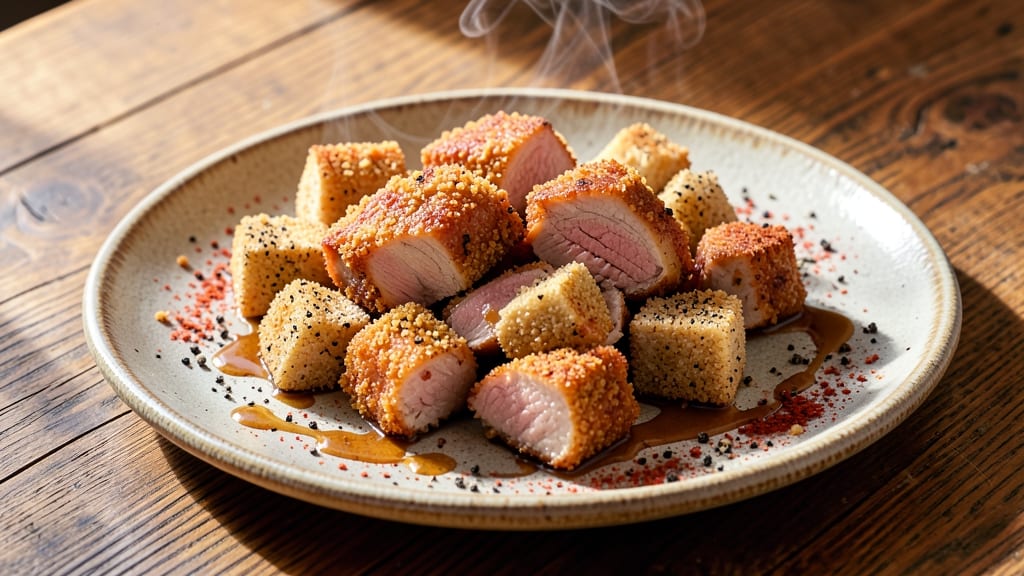
Transforming leftover lechon into a crispy re-crusted masterpiece is where Filipino home cooking gets its second life—and this method ensures you’ll never waste a single bite. The secret lies in a light, crispy breadcrumb coating that locks in the pork’s rich flavor while creating a satisfying crunch.
I’ve tested this technique countless times, and it consistently delivers restaurant-quality results without requiring fancy equipment.
What makes this recipe work is the two-step process: first, a quick sear in hot oil to revive the meat, then a crispy breadcrumb crust that forms in minutes.
The key ingredients—pork leftovers, panko breadcrumbs, and a touch of garlic powder—are simple, but the technique transforms them into something entirely new. This method also works beautifully with other leftover meats, making it a versatile solution for zero-waste cooking.
By the end, you’ll have golden, crispy pork pieces with a textured exterior and tender, flavorful meat inside—perfect for serving as a standalone dish or pairing with rice and a tangy dipping sauce.
The best part? It takes less than 20 minutes to turn leftovers into a showstopper. Here’s how to make it happen.
This recipe is especially useful for large gatherings, where lechon leftovers often outnumber guests. With a few pantry staples and a little prep, you’ll create a dish that feels special without the effort of cooking from scratch. Let’s get started.
Ingredients for lechon leftover
Transform leftover lechon into crispy, restaurant-quality bites with these 13 essential ingredients.
| Ingredient | Amount | Notes |
|---|---|---|
| Leftover Lechon Pork 🥓 | 1 ½ lb | Cut into 1-inch cubes, skin removed |
| Japanese Panko Breadcrumbs 🍞 | 1 cup | Light and crispy texture preferred |
| All-Purpose Flour 🌾 | ¼ cup | For light dusting before coating |
| Garlic Powder 🧄 | 1 tbsp | Freshly ground for optimal flavor |
| Paprika 🌶️ | 1 tsp | Smoked variety for deeper flavor |
| Ground Black Pepper 🌶️ | ½ tsp | Freshly cracked for maximum aroma |
| Salt 🧂 | ½ tsp | Diamond Crystal kosher preferred |
| Vegetable Oil 🫒 | ½ cup | High smoke point for frying |
| Lemon Juice 🍋 | 1 tbsp | Freshly squeezed for brightness |
| Fresh Parsley 🌿 | ¼ cup | Chopped, for garnish and freshness |
| Rice Vinegar 🍶 | 1 tbsp | For tangy dipping sauce option |
| Soy Sauce 🍜 | 1 tbsp | For umami depth in dipping sauce |
| Honey 🍯 | 1 tbsp | For balanced sweetness in sauce |
The quality of your lechon pork is non-negotiable here—anything past the two-day mark in the fridge risks drying out. Look for pork with visible marbling when selecting fresh cuts, as this translates to juicier leftovers. For breadcrumbs, Japanese panko is the gold standard due to its light, airy texture that creates maximum crispiness. I recommend Kikkoman or Main Street brands for consistent quality. If you're using pre-cooked lechon, ensure it's been properly chilled to prevent bacterial growth. The garlic powder and paprika blend should be stored in airtight containers away from light to preserve their volatile oils—Penzeys or McCormick offer excellent quality for these spices.
No panko on hand? Toasted white breadcrumbs work in a pinch, though they won't be as light. Substitute smoked paprika with half a teaspoon of liquid smoke if you're out, but use sparingly to avoid overpowering the delicate pork flavor. For the dipping sauce, rice vinegar can be swapped with apple cider vinegar, though the flavor profile will differ slightly. The vegetable oil should have a high smoke point—avocado or peanut oil are excellent alternatives to vegetable oil. If you're short on time, you can skip the lemon juice in the dipping sauce, but the acidity helps balance the richness of the pork. For those with dietary restrictions, ensure your lechon pork is free from added MSG or excessive sodium if you're watching your intake.
Store leftover pork pieces in an airtight container in the refrigerator for up to 3 days before using them in this recipe. The breadcrumb mixture can be prepped ahead and refrigerated for 2 days, though it's best used fresh for optimal crispiness. Once coated, the pork pieces can be fried immediately or stored in the refrigerator for up to 4 hours before frying to maintain texture. The dipping sauce ingredients keep well in the fridge for 1 week, though the lemon juice should be added fresh when serving. For larger batches, consider freezing the coated pork pieces on a parchment-lined tray before transferring to a bag—this preserves their shape for up to 3 months.
Why You'll Love This Recipe
- Here’s what sold me: I save money and time by using lechon bits that’d otherwise go to waste. The panko stretch goes a long way, and the spices cost pennies. Practical? Yes. Delicious? Absolutely.
- No-Shame Leftovers: Honestly, I’ve turned lechon into something new instead of sad, dry scraps—just shred it, coat it in that crispy panko mix, and bake until golden. No one will guess it’s yesterday’s feast.
- Crunchy-Creamy Magic: That panko crust? It’s the star—light as air, toasted until it shatters, while the garlic powder and paprika cling to the tender pork like a flavor hug. The contrast is ridiculously good.
- Party in a Pan: Between us, this is my go-to for potlucks or lazy Sundays—feed a crowd with zero fuss. Just toss the mix on a sheet pan, and it’s done while you’re still debating what to drink.
Step-by-step instructions for crispy re-crusted lechon leftovers
Transforming leftover lechon into a crispy masterpiece requires precision and patience—here's how to achieve perfect texture every time.
Prepare the Pork Cubes for Crispy Transformation
Begin by cutting the 1.5 lb leftover lechon pork into uniform 1-inch cubes, ensuring all skin is removed. This size guarantees even cooking while maximizing surface area for crisping. Pat each cube dry with paper towels—moisture is the enemy of crispy crusts. Arrange the cubes on a wire rack set over a baking sheet and refrigerate for 30 minutes to ensure they're completely dry before coating.
While the pork chills, combine the 1 cup Japanese panko breadcrumbs, 1 tbsp garlic powder, 1 tsp paprika, 0.5 tsp ground black pepper, and 0.5 tsp salt in a large bowl. Mix thoroughly to distribute the seasonings evenly. The panko's light, airy texture will create that coveted crunch, while the spices add depth. For best results, use freshly ground spices—they release more aroma during cooking.
Create the Double-Coat Crust for Maximum Crispiness
Place the 0.25 cup all-purpose flour in a shallow dish. Working in batches to avoid crowding, lightly toss each pork cube in the flour, shaking off any excess. This initial dusting creates a barrier that prevents the panko from absorbing too much moisture from the pork, which is crucial for that signature crunch. A light coating is all you need—don't press it in.
Transfer the floured cubes to the seasoned panko mixture and toss gently but thoroughly to ensure each piece is completely coated. Press the panko mixture lightly against the pork to help it adhere, but avoid compacting it—this would defeat the purpose of the crispy texture. The double-coating technique (flour first, then panko) ensures both adhesion and maximum crunch. Let the coated cubes rest for 5 minutes at room temperature before frying.
Fry to Golden Perfection Using the Two-Stage Method
Heat 0.5 cup vegetable oil in a large skillet over medium heat until it reaches 350°F on a deep-fry thermometer. The oil should shimmer gently but not smoke—this is the ideal temperature for developing that golden-brown crust without burning. Working in batches of 4-5 pieces (to avoid overcrowding), carefully add the coated pork cubes to the hot oil. Cook for 2-3 minutes per side, turning with a slotted spatula, until they achieve a deep golden brown color.
Remove the fried cubes to a paper towel-lined plate to drain excess oil. Here's the secret to maintaining crispiness: keep them warm in a 200°F oven while you finish the remaining batches. The residual heat in the oven prevents sogginess while you complete the frying process. Each batch should maintain the same 2-3 minute cooking time—rushing this step will result in pale, undercooked crusts.
Assemble the Tangy Dipping Sauce and Garnish
In a small bowl, whisk together the 1 tbsp lemon juice, 1 tbsp rice vinegar, 1 tbsp soy sauce, and 1 tbsp honey until the honey is completely dissolved. Taste and adjust the balance—you want a harmonious blend of tangy, sweet, and umami flavors that complement the crispy pork. The sauce should coat the back of a spoon but remain pourable. For extra brightness, stir in the 0.25 cup chopped fresh parsley just before serving.
Arrange the crispy pork cubes on a serving platter and drizzle the tangy sauce generously over and around them. Garnish with additional parsley for both visual appeal and a fresh herbal note. Serve immediately while the pork is still crispy—each bite should deliver that satisfying crunch followed by tender, flavorful lechon. The sauce should cling to the cubes, enhancing their savory notes with every bite.
Pro Tips For Making Lechon Leftover
- SHRED FIRST, THEN COAT: You’re not making meatballs—this is lechon, and it needs to stay tender. Shred the pork into bite-sized chunks (about 1-inch) before dredging in flour or panko. I used to try coating whole chunks, and they’d either turn into a dry, crusty mess or stay raw inside. Shredding first guarantees even coating and faster, more consistent browning.
- TOAST THE PANKO: Skip the raw panko—it’ll clump and turn to mush when wet. Lightly toast the breadcrumbs in a dry pan over medium heat for 2-3 minutes until golden and fragrant. This adds depth of flavor and prevents that sad, soggy texture. (Yes, even if you’re impatient like me.)
- DON’T OVERMIX THE BATTER: Once you coat the pork in flour, resist the urge to press it hard or roll it into balls. Just toss it lightly—overmixing makes the crust dense instead of crispy. A few loose pieces sticking together is fine; they’ll still get that perfect crunch.
- USE A MIXED CRUST: Layer the flour and panko for maximum texture: start with flour, then panko, then a pinch of garlic powder and paprika. The flour helps the panko stick, while the spices add flavor without overwhelming. I was skeptical until I tried it—now it’s my go-to for crispy, flavorful lechon bites.
Common mistakes when making great lechon leftover
Overcrowding the Pan
This is the most common mistake I see when re-crisping lechon leftovers—the urge to cook everything at once. When you overcrowd your pan with more than 4-5 pieces of pork, the oil temperature drops dramatically, causing the crust to absorb oil instead of crisping.
The result? Soggy, greasy pork that loses its restaurant-quality texture. I’ve learned this the hard way—once, I tried frying 12 pieces at once and ended up with a sad, greasy mess. 🔥
Skipping the Drying Step
Many home cooks skip the critical 30-minute drying step in the refrigerator, thinking it’s unnecessary. But moisture is the enemy of crispiness—any dampness on the pork will turn your panko crust into a sad, gluey mess.
I’ve seen people rush this step and end up with crusts that stick together or fall apart. Trust me, that extra 30 minutes in the fridge makes all the difference in achieving that perfect crunch.
Using Cold Pork Directly
Another frequent mistake is taking pork straight from the fridge and frying it without letting it come to room temperature. Cold pork requires more time in the oil, which can lead to uneven cooking and a less crispy crust.
Always let your coated pork cubes rest for 5 minutes at room temperature before frying. This ensures even cooking and that coveted golden-brown crust. I’ve even seen people microwave the pork to speed this up—never do this, as it steams the meat and ruins the texture.
Incorrect Oil Temperature
Many home cooks guess when it comes to oil temperature, leading to either undercooked or burnt crusts. The oil should be at 350°F—any lower, and your crust won’t crisp; any higher, and it’ll burn before the pork is cooked through. Invest in a deep-fry thermometer—it’s a game-changer.
I used to eyeball it and ended up with inconsistent results until I got one. The shimmering oil test (gentle shimmer without smoking) is a good visual cue, but a thermometer takes the guesswork out entirely.
Not Keeping Pork Warm Between Batches
One of the biggest mistakes is letting the first batch of fried pork sit at room temperature while you finish the rest. The residual heat in the oven is your friend—keeping the fried pieces at 200°F maintains their crispiness while you work.
I once forgot this and had to refry half my batch because the crust went soft. It’s a small detail, but it makes all the difference in presentation and texture.
Overmixing the Panko Coating
When tossing the pork in the panko mixture, it’s easy to overmix, which compacts the breadcrumbs and eliminates their airy texture. The goal is a light, crispy crust, not a dense, heavy one. Press the panko gently against the pork to help it adhere, but don’t pack it down.
I’ve seen people shake the bowl vigorously, and the result is a crust that’s more like a pancake than a crispy coating. A gentle toss is all you need—trust the process. ✨
Nutrition facts
Frequently asked questions
How long can I store leftover lechon before using this recipe?
Use your lechon within 3 days of cooking for best results. The meat should be fully chilled and stored in an airtight container. After that, the texture becomes drier and less tender, which affects the crispiness of the final dish. For longer storage, freeze the pork cubes for up to 3 months before using.
Can I use regular breadcrumbs instead of panko?
Yes, but your crust won't be as light and crispy. Regular breadcrumbs tend to compact more, creating a heavier texture. If you must substitute, use toasted white breadcrumbs and press them gently onto the pork to mimic panko's airiness. For best results, stick with panko—it's worth having on hand for this recipe.
What if my lechon leftovers are very fatty?
Extra fat can cause the oil to smoke too quickly when frying. To prevent this, pat the pork cubes extra dry before coating and consider using a slotted spoon to drain excess fat during frying. Work in smaller batches if needed, and keep your oil temperature at 350°F—this helps render the fat without burning.
Can I bake this instead of frying?
For a lighter version, preheat your oven to 425°F and bake the coated pork cubes on a wire rack for 12-15 minutes, flipping halfway. Brush with a little oil first to help crisping. The texture will be different (less crispy), but still delicious. This method works well if you're watching oil intake or cooking for a crowd.
How should I reheat leftover crispy pork?
Reheat in a 375°F oven for 5-7 minutes to restore crispiness. Avoid microwaving—it makes the crust soggy. For extra crunch, toss reheated pieces in fresh panko and air-fry at 390°F for 2 minutes. Serve immediately to maintain that satisfying texture.