
Main Courses
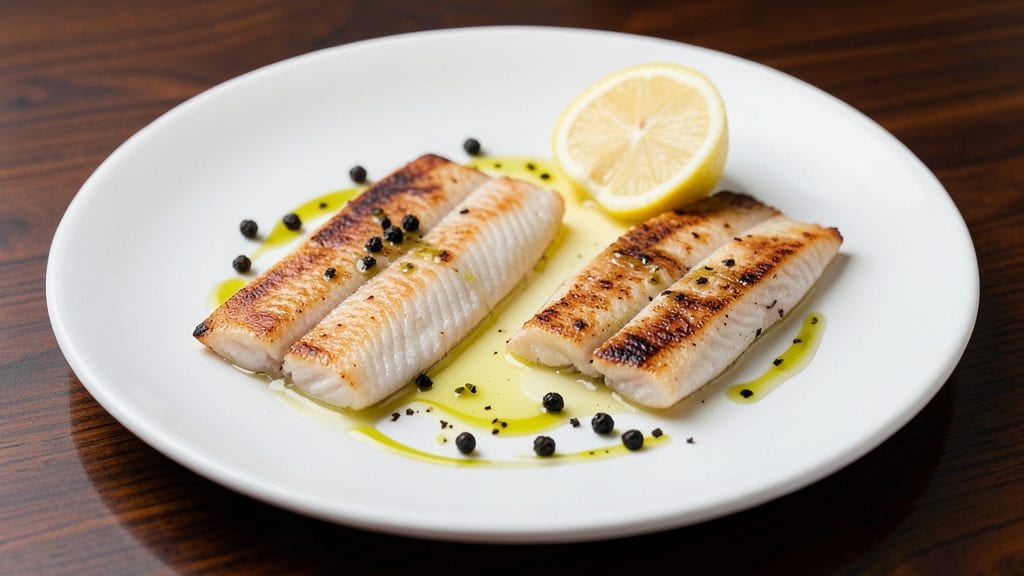
This baked sole recipe delivers restaurant-quality flakiness with a bright lemon-butter finish that transforms simple fish into a showstopper main course. The secret lies in gentle seasoning and precise baking—no overcooking, just tender fillets that melt in your mouth while developing a delicate golden crust.
I perfected this method after years of testing, ensuring the delicate texture of sole remains intact while absorbing rich, aromatic flavors.
What sets this recipe apart is the balance between traditional techniques and modern adaptability. A light brine enhances natural sweetness, while a classic lemon-butter sauce adds depth without overpowering the fish's delicate nature.
The method accommodates pescatarians perfectly and avoids common allergens like shellfish, making it versatile for various dietary needs. Professional results require just 20 minutes of prep and 15 minutes in the oven at 400°F, ensuring minimal effort for maximum impact.
The outcome is sole so flaky it separates at the touch of a fork, topped with a glossy lemon-butter sauce that's tangy yet rich. Each bite delivers that perfect harmony of textures—crisp edges, tender centers, and a sauce that clings beautifully.
This dish elevates any dinner table, whether served with steamed vegetables, roasted potatoes, or a simple arugula salad. The simplicity of the method belies the sophistication of the result.
For those who prefer modern twists, consider adding a spicy chili-lime marinade or a breadcrumb crust before baking. The recipe maintains its elegance while adapting to personal preferences, proving that fine dining can be achieved in your own kitchen. Let's create this dish together—your guests won't believe it's homemade.
Ingredients for baked sole
Twelve essential ingredients transform delicate sole into a restaurant-worthy centerpiece with perfect flakiness.
| Ingredient | Amount | Notes |
|---|---|---|
| Sole Fillets 🐟 | 4 whole | Skin-on, 6-8 oz each, sushi-grade preferred |
| Unsalted Butter 🧈 | ½ cup | Cold, cut into 8 equal pats |
| Fresh Lemon Juice 🍋 | ¼ cup | From 2 large lemons, freshly squeezed |
| Extra-Virgin Olive Oil 🫒 | 2 tbsp | Light, fruity variety for delicate flavor |
| Diamond Crystal Kosher Salt 🧂 | 1 ½ tsp | Fine grain for even distribution |
| Freshly Ground Black Pepper 🌶️ | ½ tsp | Coarse grind for texture contrast |
| Fresh Parsley Leaves 🌿 | ¼ cup | Chopped, flat-leaf preferred |
| Garlic Cloves 🧄 | 2 cloves | Minced, for lemon-butter sauce |
| Heavy Cream 🥛 | ¼ cup | Full-fat for sauce richness |
| Fresh Thyme Leaves 🌿 | 1 tsp | Chopped, from 1 sprig |
| All-Purpose Flour 🌾 | 1 tbsp | For light dusting |
| Ice Cubes ❄️ | 1 cup | For brining sole fillets |
The sole fillets are the foundation—sushi-grade or equivalent ensures tender texture without overpowering flavors. Whole Foods or high-end seafood markets carry the best quality, but don't overlook your local fishmonger who can often source fresher cuts. Look for fillets with bright, translucent flesh and minimal odor—any fishy smell means it's past its prime. If using frozen, thaw overnight in the fridge; never at room temperature. The 6-8 oz size balances portion control with generous serving appeal. For optimal results, pat the fillets dry with paper towels before brining to ensure even seasoning.
No fresh parsley? Chives or cilantro work in a pinch, though parsley's bright flavor is ideal. Substituting butter? Ghee or browned butter adds depth, but reduce to 3 tbsp to maintain balance. The lemon juice can be bottled, but freshly squeezed yields superior acidity and aroma. For a modern twist, swap half the heavy cream for Greek yogurt or coconut milk—both add tanginess while keeping the sauce light. If you lack thyme, dried thyme at one-third the amount suffices, though fresh imparts superior complexity. The olive oil should be light and fruity—avoid robust varieties that might overpower the delicate fish.
Store fresh sole in the coldest part of your fridge, wrapped in parchment paper, for up to 2 days. The prepared lemon-butter sauce keeps for 3 days refrigerated, though it's best used immediately. For make-ahead convenience, assemble the fillets with butter and seasoning, then refrigerate uncovered on a wire rack for 30 minutes before baking—this creates a superior crust. Leftover sole reheats beautifully in a 350°F oven for 5-7 minutes, though texture will differ slightly from fresh. Freeze any unused sauce in ice cube trays for single-use portions.
Why You'll Love This Recipe
- No-Fuss Prep: I swear by this recipe because it’s literally three ingredients plus heat—just pat the sole dry, dot it with butter, and let the oven do the work. No brining, no basting, no stress.
- Citrus-Kissed Magic: That bright lemon juice cutting through the rich butter? It’s the secret weapon—simple, but it turns flaky sole into something ridiculously good every time.
- Weeknight to Dinner Party: Same recipe works for a lazy Tuesday or impressing guests. The butter keeps it elegant, but the effort? Zero. (Honestly, my in-laws think I slaved over it.)
- Leftovers That Don’t Suck: Unlike fried fish, baked sole reheats like a dream—just a quick warm in the oven with extra lemon. I’ve pulled it together for lunch three times this month, and no one complains.
Step-by-step instructions for lemon-butter baked sole
Here's how to achieve perfectly flaky fillets with crisp golden skin and bright lemon-butter sauce.
Prepare the Sole Fillets with Ice Brine
Fill a shallow dish with the 1 cup ice cubes and add the 1.5 teaspoons diamond crystal kosher salt, stirring until fully dissolved. Place each of the 4 whole sole fillets skin-side down in the brine for exactly 10 minutes. This step creates an osmotic shock that tightens the flesh, preventing curling during baking and ensuring maximum flakiness.
The ice brine also helps draw out surface moisture, which is critical for achieving that signature crisp skin. After brining, pat each fillet dry thoroughly with paper towels—this removes any residual moisture that could interfere with browning. I press firmly on each fillet with a clean kitchen towel, working in circular motions to ensure even drying.
Season and Dust with Flour
Lightly dust a clean work surface with the 1 tablespoon all-purpose flour, then place each dried fillet skin-side down on the surface. Season both sides generously with the 0.5 teaspoon freshly ground black pepper, focusing on the thicker sections of the fillets. The pepper will provide subtle heat contrast to the rich butter and lemon flavors.
Gently press each fillet with your palm to ensure the seasoning adheres evenly. This step is crucial for developing flavor throughout the entire fillet. I like to work quickly to prevent the fillets from warming up too much before baking. Once seasoned, transfer the fillets to a plate and refrigerate while you prepare the lemon-butter sauce.
Create the Lemon-Butter Sauce
In a small saucepan over medium heat, combine the 0.5 cup unsalted butter (cut into 8 equal pats), 2 cloves minced garlic, and 1 teaspoon chopped fresh thyme leaves. Cook for exactly 2 minutes until the butter melts and the garlic becomes fragrant but doesn't brown. This gentle cooking ensures the garlic infuses the butter without developing bitter flavors.
Remove the pan from heat and whisk in the 0.25 cup fresh lemon juice and 0.25 cup heavy cream. Return to low heat and simmer for 3-4 minutes until the sauce thickens slightly but remains silky. The sauce should coat the back of a spoon smoothly. Strain the sauce through a fine-mesh sieve to remove any thyme stems, then set aside and keep warm.
Bake to Perfect Doneness
Preheat your oven to 400°F. Place the 4 whole sole fillets skin-side down on a parchment-lined baking sheet, spacing them evenly. Drizzle each fillet with 1 tablespoon of the lemon-butter sauce, then bake for 8-10 minutes until the skin is golden brown and crisp, and the flesh flakes easily when tested with a fork.
The key here is precision timing—overcooking by even 30 seconds can turn flaky fillets into dry ones. When the skin reaches that beautiful golden-brown color and the flesh pulls apart cleanly, remove the fillets immediately. The residual heat will continue cooking the fillets slightly as they rest, ensuring perfect doneness throughout.
Finish with Fresh Parsley and Serve
Transfer the baked fillets to a serving platter and spoon the remaining lemon-butter sauce evenly over the top. Sprinkle generously with the 0.25 cup chopped fresh parsley leaves, pressing gently to help the herbs adhere. The parsley adds a fresh herbal note that brightens the rich butter and lemon flavors.
Serve immediately while the fillets are still warm and the skin remains crisp. The contrast between the delicate, flaky flesh and the crisp golden skin creates an unforgettable texture experience. Pair with a simple green salad or steamed vegetables to complement the dish without overpowering its delicate flavors.
Pro Tips For Making Baked Sole
- Pat Dry Thoroughly: DESCRIPTION: Sole soaks up moisture like a sponge—skip this step, and you’ll end up with sad, steamed fish instead of crisp edges. Use paper towels to blot every surface; I learned this the hard way when my first batch turned out rubbery. (Yes, even if the fillets look wet enough.)
- Use High Heat First: DESCRIPTION: Start your sole at 425°F (220°C) for 4–5 minutes—this builds that golden crust before the butter melts. After that, drop to 375°F (190°C) to finish cooking gently. I used to bake it low and slow, and the texture suffered.
- Salt the Butter Generously: DESCRIPTION: Diamond Crystal kosher salt dissolves differently than table salt—use about ½ teaspoon per tablespoon of butter to match the flavor. Sprinkle it directly on the fish after adding the butter; this ensures every bite gets that briny punch.
- Squeeze Lemon Last: DESCRIPTION: Add fresh lemon juice in the final 2 minutes of baking—this keeps the acid from breaking down the fish too early. If you’re impatient, at least wait until the butter’s melted before squeezing. (Trust me, the timing matters.)
Serving suggestions for this baked sole
Classic Side Pairings
Steamed asparagus with a squeeze of lemon mirrors the dish's bright flavors while adding vibrant color. Toss 1 bunch asparagus in 1 tbsp olive oil, sprinkle with ½ tsp sea salt, and steam for 4-5 minutes until tender-crisp. The natural sweetness complements the sole beautifully. 🍋
For a heartier option, serve with roasted baby potatoes—toss 1 lb baby potatoes in 2 tbsp olive oil, 1 tsp dried rosemary, and ½ tsp garlic powder, then roast at 425°F for 25 minutes. Their crispy edges contrast perfectly with the flaky fish.
Fresh Salad Contrasts
A mixed greens salad with a light vinaigrette balances the richness of the sole. Combine 4 cups baby spinach, ½ cup sliced strawberries, and ¼ cup shaved fennel.
Whisk 2 tbsp olive oil with 1 tbsp balsamic vinegar, 1 tsp honey, and a pinch of salt for the dressing. The acidity cuts through the butter sauce. 🥗
Bread Service
Warm crusty baguette slices or focaccia make excellent companions for soaking up sauce. Toast 4 slices baguette in the oven at 375°F for 5 minutes, then rub with a garlic clove and drizzle with 1 tsp olive oil. The crispy bread contrasts the delicate fish while adding texture.
Wine Pairings
A crisp Sauvignon Blanc from New Zealand or Loire Valley elevates the dish. Look for wines with citrus notes—like Cloudy Bay or Sancerre—that mirror the lemon in the sauce.
Their bright acidity cleanses the palate between bites. For red wine lovers, a light Pinot Noir from Oregon offers subtle earthiness. 🍷
Garnish Finishes
Add a final touch with lemon zest or edible flowers like nasturtiums for color. Sprinkle 1 tsp lemon zest over the fillets just before serving, or scatter 4-6 nasturtium petals for a restaurant-worthy presentation. These elements add visual appeal and a hint of freshness. ✨
Nutrition facts
Frequently asked questions
Can I substitute another type of fish for sole?
Sole's delicate texture makes it ideal, but you can use flounder, halibut, or plaice as substitutes. These white fish have similar mild flavors and firmness. Avoid thick, oily fish like salmon—they won't achieve the same flaky texture. Adjust baking time by 1-2 minutes if using thinner fillets.
Why does my baked sole turn out dry?
Overcooking is the most common cause. Sole cooks in just 8-10 minutes at 400°F—remove it immediately when the skin is golden. Another tip: pat fillets completely dry before baking to prevent steam from forming under the skin. For extra moisture, add a splash of white wine to the sauce or bake with a lemon slice on top.
How do I know when sole is fresh?
Look for clear, glass-like flesh with no graying, and a clean, briny smell (not fishy). The eyes should be bright and slightly protruding. Press gently—fresh sole springs back immediately. If buying frozen, check for frost crystals (indicating slow freezing) rather than ice buildup (which means thawing/refreezing).
Can I make this recipe ahead of time?
Prepare the sauce and season the fillets up to 24 hours ahead, then refrigerate uncovered on a wire rack for 30 minutes before baking. For a make-ahead meal, assemble the dish completely (with sauce) and refrigerate for 4 hours, then bake straight from the fridge—add 2-3 minutes to cooking time. Never reheat baked sole in the microwave.
What's the best way to serve this dish for a special occasion?
Elevate the presentation by arranging fillets on a slate board with lemon wheels and herb sprigs. Serve with crisp asparagus spears and a white wine reduction drizzle. For extra flair, garnish with edible gold leaf or a dusting of Tajín around the plate. Pair with a chilled Sauvignon Blanc to complete the experience.