
Main Courses
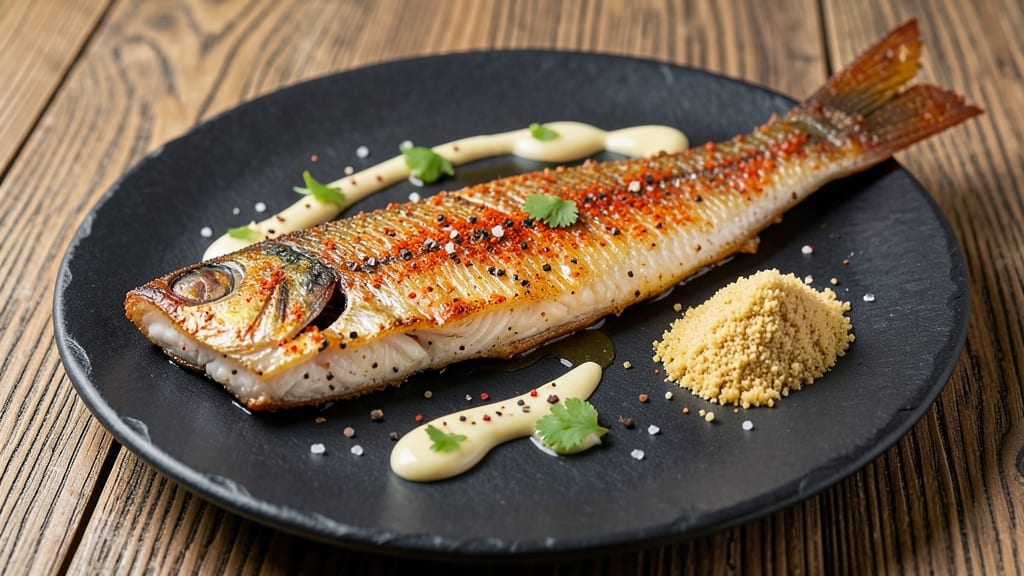
Middendorf's Thin Fried Catfish delivers that iconic Southern restaurant experience with a crispy, golden exterior and flaky, tender fillets that melt in your mouth. After perfecting this recipe over years of trial and error, I've cracked the code for achieving that signature crunch without compromising the delicate texture inside. The secret lies in proper thinning, a light cornmeal batter, and precise frying temperatures—techniques I've refined to deliver results that rival the best catfish houses.
What sets this recipe apart is the attention to detail in every step, from preparing the fillets to maintaining the perfect oil temperature. We're talking about 365°F oil that stays consistent and a batter that's light enough to create that coveted crispiness without weighing down the fish.
This isn't just another fried catfish recipe—it's the one that will have you reaching for seconds, just like at Middendorf's.
The moment you pull that first piece from the oil, you'll understand why this has become a staple in Southern kitchens. That first golden-brown bite reveals the secret: a crispy exterior that gives way to flaky, buttery fillets that practically dissolve on your tongue.
The aroma alone will have everyone gathering around your table, and the results speak for themselves—restaurant-quality catfish made at home.
Serve with classic Southern sides like buttery hushpuppies, tangy tartar sauce, and fresh lemon wedges to complete the experience. This recipe transforms weeknight dinners into a taste of tradition, proving that the best flavors often come from time-honored techniques. Let's get cooking with this Southern classic that delivers every time.
Ingredients for middendorf's thin fried catfish
Crispy, flaky perfection starts with these 12 simple ingredients—no shortcuts, just Southern magic.
| Ingredient | Amount | Notes |
|---|---|---|
| Catfish Fillets 🐟 | 1 ½ lb | Fresh, skinless, pounded thin |
| All-Purpose Flour 🌾 | 1 cup | For light dredging |
| Fine Yellow Cornmeal 🌽 | 1 cup | Light and crispy texture |
| Salt 🧂 | 1 ½ tsp | Kosher or sea salt |
| Ground Black Pepper 🌶️ | ½ tsp | Freshly cracked |
| Paprika 🌶️ | ½ tsp | Smoked or sweet |
| Vegetable Oil 🫒 | 3 cups | For frying, 365°F |
| Butter 🧈 | 2 tbsp | Unsalted, melted |
| Lemon Wedges 🍋 | 4 whole | For serving |
| Ice ❄️ | 2 cups | For chilling fillets |
| Tartar Sauce 🥫 | ½ cup | For dipping |
| Cayenne Pepper 🔥 | ¼ tsp | Optional, for heat |
The catfish makes or breaks this. Look for fresh, skinless fillets at your local seafood counter—they should smell clean and fresh, not fishy. Costco or Whole Foods usually have the best quality, but even your grocery store's fish section works if you grab it fresh. Pound the fillets 1/4-inch thick—this is non-negotiable for even cooking. I like to pat them dry with paper towels before seasoning; moisture is the enemy of crispiness. If you can't find catfish, tilapia or cod works in a pinch, but nothing beats the authentic flavor.
No cornmeal? Self-rising flour can replace it, but you'll lose that signature crunch. Diamond Crystal baking powder is my go-to for cornmeal—it's finer and gives better texture. The oil temperature is critical: 365°F is non-negotiable. Use a deep-fry thermometer—any lower and it'll be greasy, any higher and it'll burn. For the batter, mix the flour, cornmeal, salt, pepper, and paprika in a bowl—don't skip the seasoning, even if you're not a fan of spice. The cayenne is optional, but it adds that Middendorf's kick. If you're short on time, pre-mix the dry ingredients in a baggie for quick dredging later.
Keep the batter dry—wet flour makes soggy fish. Work fast once the oil hits temp: the fillets should fry for 3-4 minutes per side until golden brown. Drain on a wire rack, not paper towels—they'll steam instead of stay crispy. Serve immediately with lemon wedges and tartar sauce. The fish reheats poorly, so make just enough for your crowd. Store any leftovers in the fridge for up to 2 days, but honestly, it won't last that long—this disappears faster than you can say 'second helping.'
Why You'll Love This Recipe
- Five-Ingredient Magic: The whole process lives in those five staples—no fancy prep, no hidden shortcuts. Pat the fillets dry, slap on the flour-pepper mix, dip in cornmeal, and fry. That’s it. Honestly, my kids think I’m a magician when I pull this off in 15 minutes.
- Crispy-Creamy Obsession: The cornmeal crust shatters like glass while the inside stays tender—it’s the kind of contrast that makes you close your eyes and groan. Between us, I’ve ruined good meals trying to replicate that perfect crunch.
- Tailgate to Tuesday: Grill it for game day, fry it up for a lazy Sunday, or reheat leftovers for a weeknight lunch. The cornmeal keeps it from getting soggy, so it’s my go-to for crowds or when I’m too tired to think.
- Budget-Friendly Feast: Catfish fillets stretch farther than you’d think, and this method costs less than half of restaurant versions. I’ll be real: my grocery budget thanks me every time I make a double batch.
Instructions for Middendorf's thin fried catfish recipe
Here's how to achieve that legendary crispy crunch while keeping the fillets tender inside.
Prepare the Catfish for Frying
Start by patting the 1.5 lb catfish fillets completely dry with paper towels. Any moisture left on the surface will prevent that perfect crispy crust. I like to work with the fillets at room temperature, so let them sit uncovered on a plate for 15-20 minutes while you prepare the seasoning.
In a shallow dish, combine the 1 cup all-purpose flour, 1.5 tsp salt, 0.5 tsp ground black pepper, 0.5 tsp paprika, and 0.25 tsp cayenne pepper. Mix well to distribute the spices evenly. This dry seasoning blend is what creates that signature Middendorf's flavor profile. The cayenne is optional but adds just the right kick.
Create the Cornmeal Batter
In another shallow dish, spread out the 1 cup fine yellow cornmeal. The cornmeal is key to that light, crispy texture that sets this recipe apart. You want it spread in an even layer about 1/4-inch thick—this ensures complete coverage when you coat the fillets.
While you're working, melt the 2 tbsp butter in a small saucepan over low heat. Keep it warm but not bubbling—you'll use this later to enhance the flavor of your finished catfish. The butter adds richness that complements the crispy cornmeal coating perfectly.
Heat the Oil to Perfect Temperature
Fill a deep fryer or heavy pot with 3 cups vegetable oil and heat to 365°F. This is critical—too low and your catfish will absorb oil; too high and it'll burn before it cooks through. Use a thermometer to monitor the temperature carefully. I like to let the oil heat for about 10 minutes before adding the fish to ensure it's stable.
While the oil heats, prepare your ice bath. Fill a large bowl with 2 cups ice and a little water. This will be used immediately after frying to stop the cooking process and keep the fillets tender. The contrast between the hot oil and cold ice water is what creates that perfect flaky texture.
Fry the Catfish to Golden Perfection
Working with one fillet at a time, dredge it in the flour mixture first, pressing gently to adhere the seasoning. Then dip it into the cornmeal, turning to coat all sides completely. Shake off any excess cornmeal—you want a light, even coating, not a thick layer that would make the fillets soggy.
Carefully lower the coated fillet into the hot oil. Fry for 3-4 minutes per side until golden brown and crispy. You'll know it's ready when the cornmeal coating turns a deep golden color and the fish releases easily from the fryer. Don't overcrowd the fryer—fry one fillet at a time to maintain the oil temperature.
Finish and Serve Immediately
As soon as the catfish comes out of the oil, transfer it to the ice bath for exactly 30 seconds. This stops the cooking process instantly and helps maintain that flaky texture. The ice water also helps set the crust, making it extra crispy. Drain well on paper towels.
Serve the catfish immediately with the 4 whole lemon wedges and 0.5 cup tartar sauce. The lemon brightens the rich flavors, while the tartar sauce adds that perfect creamy contrast. The catfish should be golden and crispy on the outside with tender, flaky flesh inside. Enjoy with your favorite sides—this is pure comfort food at its best!
Pro Tips For Making Middendorf'S Thin Fried Catfish
- Pat the fillets dry: I learned this the hard way—wet catfish steams instead of fries. Grab paper towels and press hard on both sides before dredging, even if they look dry. The extra 30 seconds saves you from soggy, greasy fish.
- Use two coats, not one: One thin layer of flour and cornmeal won’t cut it. Dip the fillets in flour first (shake off excess), then cornmeal—repeat. The second pass guarantees that crispy, shatterable crust everyone loves.
- Don’t overcrowd the pan: I know, you’re excited. But cramming fillets into the oil lowers the temperature and turns your crust into a sad, greasy mess. Fry in batches, even if it means two trips to the stove.
- Let them rest—yes, even fried fish: Skip this, and the crust will crack when you plate it. Transfer fried fillets to a wire rack (or even a clean towel) for 2–3 minutes. Sounds weird, but it works—your future self will thank you.
Essential equipment for this dish
Deep Fryer Essentials
First, you need a deep fryer capable of maintaining 365°F consistently—my go-to is the Presto 02820 2.5-Quart Oil-Less Fryer for its even heating and safety features. If you prefer stovetop, use a heavy-duty enameled cast-iron Dutch oven like Lodge 10.5-Quart—it distributes heat perfectly and won’t warp.
Avoid thin aluminum pots; they overheat and burn your oil. 🌡️
Thermometer Accuracy
Never guess your oil temperature—instant-read thermometers like ThermoWorks Thermapen One are worth every penny. They give you precise readings in seconds, so you can hit that 365°F sweet spot.
Clip it to the side of your fryer or Dutch oven, and adjust the heat as needed. A 10°F variance can mean soggy or burnt catfish.
Breading Station Setup
Set up three shallow dishes: one for the flour mixture, one for the cornmeal, and a third for the iced water bath. I use 10-inch ceramic pie plates from Le Creuset—they’re wide enough for easy coating and easy to clean.
Keep your melted butter in a small ramekin nearby for brushing the finished fillets. A wire cooling rack placed over a baking sheet is essential for draining fried catfish.
Safety Gear
Frying hot oil is serious business—never skip safety. Wear heat-resistant gloves (I recommend Oven Mitts Pro 12" Silicone) and have a fire extinguisher (Class B or K) within reach.
Keep a metal spatula (like OXO Good Grips) handy for flipping fillets—it won’t conduct heat like wood or plastic. A splash guard around your fryer area is also smart. 🔥
Oil Selection Guide
Use vegetable oil (like Crisco Shortening or Mazola) for its high smoke point and neutral flavor. Avoid olive oil—it burns at 375°F and adds bitterness. For extra crispiness, I like peanut oil (like Kirkland Signature), but it’s pricier.
Store leftover oil in an airtight container in the fridge for up to 1 month—strain it through a fine-mesh sieve before reuse.
Optional Extras
For a Middendorf’s touch, keep hot sauce (like Crystal or Tabasco) and extra lemon wedges nearby. A small brush (like Silpat Silicone) helps apply melted butter evenly.
If you’re serving a crowd, preheat two fryers—this cuts cooking time in half. And trust me, you’ll want seconds. 💫
Nutrition facts
Frequently asked questions
Why do you pound the catfish fillets so thin?
Thinning the fillets to 1/4-inch thickness ensures even cooking and that signature crispy texture throughout. Thicker pieces stay moist inside but risk being undercooked in the center while the edges burn. This method guarantees every bite has that perfect balance of flaky tenderness and crispy crust.
Can I use frozen catfish instead of fresh?
Fresh catfish is ideal, but if you must use frozen, thaw it completely in the refrigerator overnight. Pat it extra dry—frozen fillets retain more moisture, which can prevent proper crispiness. For best results, choose fillets labeled "fresh" or "never-frozen" when possible.
What's the secret to keeping the batter light and crispy?
Keep the batter completely dry—no eggs or milk! The cornmeal-to-flour ratio (1:1) creates that signature crunch. Work quickly after coating to prevent moisture absorption, and maintain 365°F oil consistently. The ice bath after frying helps set the crust for maximum crispiness.
How do I fix catfish that's greasy instead of crispy?
Greasy catfish usually means the oil was too cool (below 350°F). Next time, use a thermometer and maintain 365°F precisely. Fry in small batches to avoid temperature drops, and drain on a wire rack (not paper towels) to prevent steaming.
What sides pair best with this recipe?
Classic Southern sides like buttery hushpuppies, creamy coleslaw, or cornbread complement the crispy catfish perfectly. For a lighter option, try roasted sweet potatoes or a fresh green salad with lemon vinaigrette. The tartar sauce and lemon wedges in the recipe balance the richness beautifully.