Beverages
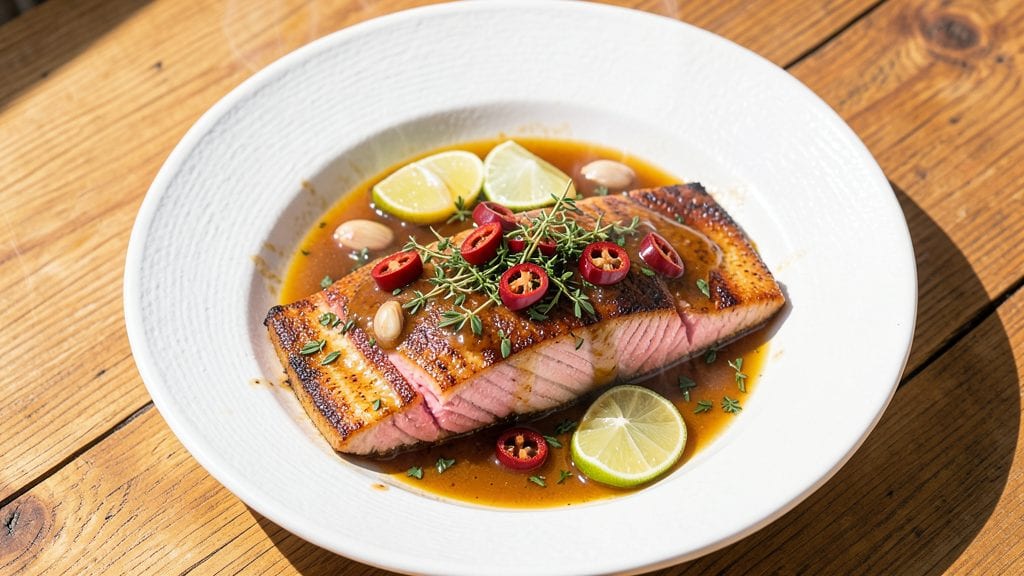
This Bahamian red snapper recipe delivers the island's signature crispy fillets with a bright citrus marinade that transforms simple ingredients into something extraordinary. The secret lies in marinating the snapper in lime juice, Scotch bonnet peppers, and thyme—a flavor combination that defines Bahamian coastal cuisine.
I developed this method after years of perfecting the balance between tender fish and crispy crust, ensuring every bite delivers that characteristic snap and zesty punch.
The preparation process highlights traditional Bahamian techniques: the fish is first marinated for at least 30 minutes to infuse the flavors deeply, then pan-seared until golden brown on both sides. A final basting with melted butter while cooking creates that signature crispy exterior while keeping the inside perfectly tender.
This method preserves the fish's natural moisture while delivering that coveted Bahamian-style crunch.
What you'll achieve is restaurant-quality red snapper with a vibrant yellow crust, tender flakes, and a burst of citrus-spiced flavor in every bite. The marinade's acidity tenderizes the fish while adding a bright contrast to the crispy exterior.
Serve with Bahamian peas and rice or fried plantains for an authentic island experience that transports you to the Bahamas with every forkful.
This recipe works equally well for weeknight dinners or special occasions, making it versatile for any meal. The citrus marinade can be prepared ahead of time, allowing you to focus on the cooking process when ready.
Perfect for seafood lovers seeking authentic flavors with minimal effort, this Bahamian red snapper recipe delivers professional results in under 45 minutes.
Ingredients for bahamian red snapper
Twelve ingredients transform into Bahamian-style crispy red snapper with vibrant citrus flavors and tender flakes.
| Ingredient | Amount | Notes |
|---|---|---|
| Red Snapper Fillets 🐟 | 1 ½ lb | Skin-on, even thickness preferred |
| Fresh Lime Juice 🍋 | ½ cup | From 4-6 limes, freshly squeezed |
| Scotch Bonnet Peppers 🌶️ | 2 whole | Seeds removed, finely chopped |
| Fresh Thyme Leaves 🌿 | ¼ cup | Packed, stems removed |
| Garlic Cloves 🧄 | 4 cloves | Peeled, minced |
| Extra-Virgin Olive Oil 🫒 | ¼ cup | Light variety preferred |
| Unsalted Butter 🧈 | 4 tbsp | Cold, cubed for basting |
| Diamond Crystal Kosher Salt 🧂 | 1 ½ tsp | Fine grain preferred |
| Ground Black Pepper 🌶️ | ½ tsp | Freshly ground |
| All-Purpose Flour 🌾 | ¼ cup | For dredging |
| Fresh Cilantro Leaves 🌱 | ⅛ cup | Chopped, for garnish |
| Fresh Orange Juice 🍊 | ¼ cup | From 1 medium orange |
The red snapper must be skin-on and evenly thick—look for fillets with minimal pin bones at Whole Foods or your local seafood counter. Scotch bonnet peppers are the heart of this dish; if unavailable, substitute with habanero (use half the amount) or a blend of cayenne and bell pepper. For the thyme, Trader Joe's carries excellent dried thyme in bulk, but fresh leaves elevate the flavor dramatically. The citrus marinade requires freshly squeezed lime and orange juice—bottled juice lacks the necessary acidity and brightness. When selecting limes, choose firm ones with bright green skins for maximum juice yield.
No Scotch bonnet? A blend of habanero and bell pepper (1:2 ratio) mimics the heat and sweetness profile. Substitute fresh thyme with dried thyme at one-third the amount, but fresh is non-negotiable for authentic flavor. For the butter basting, European-style unsalted butter like Plugrá melts more cleanly and adds richness. The flour dredge can be omitted if you prefer a more delicate crust, though it enhances the crispiness. If you lack fresh cilantro, fresh parsley works as a garnish substitute. The marinade can be prepared up to 24 hours ahead, allowing the flavors to meld deeply in the refrigerator.
Store any leftover snapper in an airtight container for up to 2 days in the refrigerator, though it's best consumed immediately. The marinade components (citrus, peppers, thyme) can be refrigerated separately for 3 days or frozen for 3 months. For optimal crispiness, reheat gently in a 350°F oven for 5-7 minutes rather than microwaving. The leftovers make excellent sandwich fillings or fried rice additions. When freezing, wrap individual portions tightly in parchment paper before placing in a freezer bag to maintain texture.
Why You'll Love This Recipe
- One-Pan Magic: I swear by this recipe for lazy nights—just toss the snapper, lime, and herbs on a sheet, add the Scotch bonnet (carefully!), and let the oven do the work. No chopping, no fuss, just hands-off perfection.
- Heat That Stays: That Scotch bonnet isn’t just for show—it brings a slow-building warmth that lingers. Pair it with the bright lime and thyme, and you’ve got a flavor punch that turns a simple fillet into something unforgettable.
- Lunchbox Hero: Between us, this is my go-to for meal prep. The snapper holds up beautifully in the fridge, and I’ll pack it with rice or salad for days. Honestly, it’s the only fish I trust to stay fresh and tasty for leftovers.
- Budget-Friendly Catch: Fresh snapper can feel pricey, but this recipe uses just enough to feed a family without breaking the bank. Plus, the lime and garlic stretch the flavor so well—you’ll end up with seconds, not scraps.
Step-by-step instructions for Bahamian red snapper with citrus crispiness
A Bahamian-inspired preparation where bright citrus meets perfectly crispy fillets through precise technique.
Create the Citrus-Thyme Marinade
In a medium bowl, combine the 0.5 cup fresh lime juice, 0.25 cup fresh orange juice, 0.25 cup extra-virgin olive oil, 0.25 cup fresh thyme leaves, 4 cloves minced garlic, 1.5 teaspoons diamond crystal kosher salt, and 0.5 teaspoon ground black pepper. Whisk vigorously until fully emulsified—the marinade should have a vibrant, aromatic consistency with visible thyme flecks suspended throughout.
This citrus base creates the signature Bahamian brightness while the thyme and garlic develop complex layers. Let the marinade rest for 15 minutes at room temperature to allow the flavors to meld before using. The acidity in the citrus will begin tenderizing the snapper, ensuring maximum moisture retention during cooking.
Prepare the Snapper for Crispy Perfection
Pat the 1.5 lb red snapper fillets completely dry with paper towels, removing any moisture from the surface. This critical step ensures maximum crispiness when we create the flour crust later. Place the fillets skin-side down on a clean work surface and season both sides generously with additional diamond crystal kosher salt and ground black pepper—about 0.5 teaspoon each per fillet. Let them rest uncovered for 10 minutes to develop a dry, salted crust.
While the fillets rest, dredge each piece lightly in the 0.25 cup all-purpose flour, shaking off any excess. The flour creates a delicate crust that will crisp beautifully when seared. I press down gently on each fillet during this step to ensure even contact with the flour—this prevents curling and guarantees consistent browning.
Sear for Maximum Crispiness
Heat a large skillet over medium-high heat until a drop of water sizzles vigorously when added. Add 2 tablespoons unsalted butter and allow it to foam and brown slightly—this adds depth of flavor to the crust. Working in batches to avoid overcrowding, add the floured fillets skin-side down and cook undisturbed for 3-4 minutes until the edges are deep golden brown and the crust is firmly set.
Carefully flip the fillets and cook the skin side for another 2-3 minutes until it's crisp and the flesh is opaque throughout. The internal temperature should reach 140°F—this ensures perfect doneness without overcooking. Transfer the cooked fillets to a wire rack and tent loosely with foil to keep them warm while you complete the remaining batches.
Finish with Citrus Butter Baste
Reduce heat to medium-low and add the remaining 2 tablespoons unsalted butter to the same skillet. Pour in 0.25 cup fresh lime juice and 0.25 cup fresh orange juice, scraping up any browned bits from the bottom. Bring to a gentle simmer and cook for 2-3 minutes until the sauce reduces slightly and becomes slightly syrupy.
Return the crispy fillets to the skillet and spoon the citrus butter sauce generously over each piece. Let them baste for 1-2 minutes until the sauce clings to the crispy crust. The residual heat will finish cooking the fillets while infusing them with citrus aroma. Garnish immediately with 0.125 cup chopped fresh cilantro leaves for a vibrant finish.
Serve Immediately with Crispy Integrity
Transfer the fillets to serving plates and serve immediately—they're best enjoyed while the crust remains perfectly crisp. The Bahamian technique of citrus basting ensures the fillets stay moist inside while maintaining that coveted crunch. Pair with steamed johnnycakes or a fresh Bahamian coleslaw to complete the experience.
Each fillet should deliver a perfect balance: a crispy, golden crust that gives way to tender, citrus-kissed flesh with a bright, aromatic finish. The combination of searing and citrus basting creates that signature Bahamian restaurant quality at home.
Pro Tips For Making Bahamian Red Snapper
- Salt the Snapper First: Pat the fillets dry with paper towels, then season them with salt before anything else—even if the recipe doesn’t mention it. I learned this the hard way: Bahamian red snapper needs that initial salt draw to stay juicy, especially when you’re searing it. Ten minutes before cooking is plenty; no need to salt like a pro chef.
- Deseed Scotch Bonnets Carefully: Wear gloves when handling Scotch bonnets—those seeds pack a punch, and you don’t want to accidentally overpower the dish. Cut a small slit in the pepper, scrape out the seeds with a spoon, then finely chop the flesh. That way, you get the heat without the risk of turning your snapper into a ghost pepper experiment.
- Sear Skin-Side Down: If your fillets have skin, lay them skin-side down in the pan first and don’t move them for 3-4 minutes. I used to flip too soon, and the skin would tear like sad paper. Let it crisp up—it’ll hold together better and add texture that no other part of the fillet can match.
- Simmer the Lime Last: Add fresh lime juice after the snapper comes off the heat—otherwise, the acid will cook off and turn your dish bland. I was skeptical until I tried it: the juice stays bright, the flavor pops, and you don’t end up with a sad, watery sauce. Just a splash at the end makes all the difference.
Essential equipment for bahamian red snapper
Skillet Selection
For Bahamian-style crispy snapper, a 10- to 12-inch heavy-bottomed skillet is essential—cast iron or stainless steel work best. I swear by my Lodge 10-inch cast iron skillet for even heat distribution and superior crust development.
Avoid nonstick pans; they can't achieve the same caramelization. If you prefer stainless steel, look for a Made In pan with a tri-ply construction for better heat retention. 🔥
Heat Control Tools
Precision temperature control is key to that signature Bahamian crisp. Invest in a thermometer like the ThermoWorks Smoke to monitor your skillet's heat—aim for 375°F when searing. A heat-resistant silicone spatula (like OXO Good Grips) helps flip delicate fillets without tearing the crust.
For extra control, I use a kitchen torch to crisp any stubborn spots on the crust after pan-searing.
Butter Basting Essentials
The citrus butter baste requires high-quality unsalted butter that melts cleanly. I recommend Plugrá European-style butter for its rich flavor and smooth texture. A small whisk helps emulsify the citrus butter sauce quickly, while a fine-mesh strainer catches any thyme stems if you prefer a smoother finish.
Keep a small saucepan nearby to warm the basting sauce between batches if cooking multiple fillets.
Crispiness Enhancers
For that restaurant-quality crunch, all-purpose flour is your best friend—but cornstarch (mixed 50/50 with flour) creates an even crispier crust. I keep a fine-mesh sieve handy to dust the fillets evenly. A wire cooling rack prevents soggy bottoms while keeping the crust crisp during resting.
For extra flair, I sprinkle toasted sesame seeds or crushed peanuts on top before serving for added texture.
Garnish & Presentation
Fresh cilantro leaves and lime wedges elevate the presentation, but a microplane lets you zest lime peel for a brighter garnish. For serving, I use wooden platter for rustic Bahamian charm or ceramic plates to highlight the vibrant colors.
A small bowl for extra citrus butter sauce completes the presentation—guests love dipping their crispy fillets into the aromatic sauce. 💫
Storage Solutions
If you need to store leftovers, airtight glass containers (like Pyrex) preserve texture best. For reheating, a baking sheet at 350°F for 5-7 minutes maintains crispiness better than microwaving.
I always keep parchment paper on hand to wrap individual portions before freezing—this prevents freezer burn and maintains texture for up to 3 months. 🧊
Nutrition facts
Frequently asked questions
What makes Bahamian red snapper different from other seafood preparations?
The signature Bahamian technique combines citrus marinades (lime and orange) with Scotch bonnet peppers and thyme for a bright, spicy-sweet flavor profile. The key difference is the crispy crust achieved through flour dredging and butter basting during cooking, rather than baking or steaming. This method creates that iconic golden crust while keeping the fish tender inside.
Can I substitute Scotch bonnet peppers if I can't find them?
Yes! Use habanero peppers (half the amount) or a blend of cayenne and bell pepper (1:2 ratio) for similar heat and sweetness. For milder heat, remove seeds from Scotch bonnets first. The pepper's heat is essential to balance the citrus flavors, so don't skip it entirely.
How do I know when the snapper is cooked perfectly?
Look for a deep golden crust and opaque flesh that flakes easily with a fork. The internal temperature should reach 140°F for perfect doneness. Overcooking will make the fish dry, so watch closely during the last 1-2 minutes of cooking. A meat thermometer ensures accuracy.
What's the best way to serve this Bahamian snapper?
Pair with traditional sides like Bahamian peas and rice, steamed johnnycakes, or a fresh citrus coleslaw. The crispy fillets work beautifully as tacos or over salads too. For an authentic touch, serve with lime wedges and extra chopped cilantro.
Can I make this recipe ahead of time?
The marinade can be prepared 24 hours ahead and stored in the fridge. However, cook the snapper fresh for best results—the crust loses crispiness when reheated. If needed, store cooked fillets in an airtight container for up to 2 days and reheat gently in a 350°F oven for 5-7 minutes.