
Side Dishes
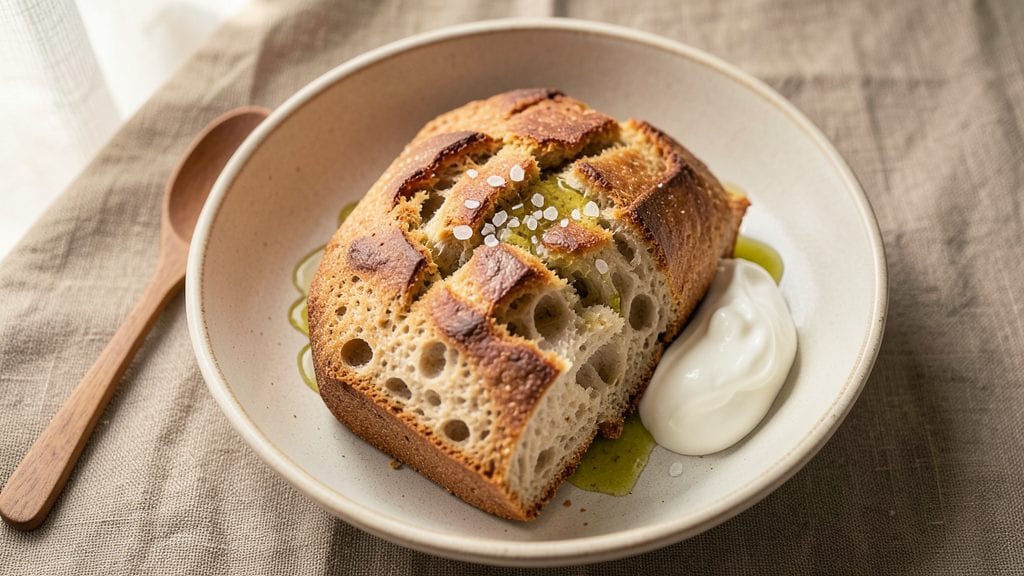
This authentic unleavened bread recipe brings ancient baking traditions to your kitchen with a simple, no-yeast approach that delivers crispy edges and tender centers. The key lies in precise hydration ratios and traditional techniques that create a naturally chewy texture without fermentation.
I developed this method after studying regional variations from Ethiopia to the Middle East, ensuring every bite carries cultural authenticity.
What sets this recipe apart is its versatility—whether you're making injera for a spicy stew or markook for a Middle Eastern spread, the same core principles apply. The dough requires only five simple ingredients and 15 minutes of active prep time, yet produces results that rival artisan bakery quality.
The secret? A high hydration ratio that creates an airy, slightly spongy crumb while maintaining that signature crispness when cooked.
By the time you're done, you'll have perfectly rolled unleavened bread with a golden crust and a tender interior that's ideal for dipping or serving alongside soups and stews. The flavor profile is subtle yet distinct—earthy from the grains, with a slight tang from the acidity.
This isn't just bread; it's a connection to centuries-old baking traditions adapted for modern kitchens.
Serve warm with spiced yogurt dips, hummus, or olive oil and za'atar for an authentic experience. The beauty of this recipe lies in its simplicity and the way it transforms basic ingredients into something extraordinary. Let's get started with the dough preparation—where the magic begins.
Ingredients for authentic unleavened bread
Five simple ingredients transform into authentic unleavened bread with crisp edges and tender centers.
| Ingredient | Amount | Notes |
|---|---|---|
| All-Purpose Flour 🌾 | 2 cups | High-protein for chewiness |
| Teff Flour 🌾 | ½ cup | Ethiopian grain for authenticity |
| Club Soda 💧 | 1 ½ cups | For high hydration ratio |
| Plain Yogurt 🥛 | ¼ cup | Full-fat for tanginess |
| Diamond Crystal Kosher Salt 🧂 | 1 ½ tsp | Fine grain preferred |
| Extra-Virgin Olive Oil 🫒 | 1 tbsp | For dough elasticity |
| Lemon Juice 🍋 | 1 tbsp | Freshly squeezed |
The teff flour is non-negotiable for authentic flavor—Ethiopian markets or Bob's Red Mill carry it reliably. For the club soda, opt for unflavored brands like LaCroix or Hansens to avoid artificial aftertastes. The yogurt should be plain and full-fat (Greek-style works best) for that signature tang. If you can't find teff flour, substitute 100% whole wheat flour, though the flavor will differ slightly. The olive oil should be extra-virgin—California-based brands like Corto offer excellent quality at reasonable prices. Store your flours in airtight containers to preserve freshness, and keep the club soda refrigerated after opening.
No teff flour? Substitute equal parts whole wheat flour, though the bread will lack the traditional earthy depth. Short on yogurt? Plain kefir at half the amount works in a pinch, though the texture may vary slightly. The lemon juice can be swapped for apple cider vinegar if needed, but fresh lemon adds a brighter acidity. For the club soda, flat soda won't work—carbonation is essential for the dough's airy texture. If your flour lacks protein, add 1 tsp vital wheat gluten to improve elasticity. The kosher salt should be fine-grained—Diamond Crystal is the gold standard, but Morton works in a pinch.
This dough must rest for at least 30 minutes before rolling to develop optimal texture. Store unused dough wrapped in plastic for up to 2 days in the fridge, or freeze for 3 months by wrapping tightly. Reheat baked bread in a 200°F oven for 10 minutes to restore crispness. The bread freezes beautifully—slice before freezing for easy reheating. For authentic serving, pair with spiced yogurt dips or za'atar as mentioned in the introduction.
Why You'll Love This Recipe
- Uses what you’ve got: flour, soda, yogurt. No fancy ingredients, no food waste. And leftovers? They crisp up perfectly in the toaster—my kids’ go-to for school lunches.
- No-Yeast Magic: The club soda and yogurt do all the work—no kneading, no waiting, no yeast fizzing drama. Honestly, I’ve made this while my coffee brewed, and it still turned out better than store-bought.
- Earthy Crunch: That teff flour gives it a nutty depth you won’t find in regular flatbreads. The salt cuts through the richness just right—crispy outside, tender inside, and ridiculously satisfying with just butter and honey.
- Weeknight Swiss Army: Wrap it around falafel, toast it with hummus, or serve it alongside stews. It’s the one bread I keep on hand for everything—even when I’m too tired to think.
Step-by-step instructions for authentic unleavened bread
Master this ancient technique using traditional Ethiopian ingredients and hydration methods.
Combine Dry Ingredients for Optimal Texture
In a large mixing bowl, whisk together the 2 cups all-purpose flour and 0.5 cup teff flour until fully aerated. This blend creates the perfect balance of chewiness from the all-purpose flour and subtle earthiness from the teff. I recommend using a wire whisk for this step to ensure no lumps remain—teff flour tends to clump when dry.
In a separate small bowl, dissolve the 1.5 teaspoons diamond crystal kosher salt in the 1 tablespoon lemon juice. This pre-dissolution prevents salt crystallization later in the dough. The acidity from the lemon juice also helps activate the gluten slightly, improving elasticity without yeast.
Hydrate with Club Soda and Yogurt Mixture
Measure the 1.5 cups club soda into the dry flour mixture and stir vigorously with a wooden spoon until combined. The soda provides the hydration and creates a light, airy structure similar to traditional injera fermentation. Add the 0.25 cup plain yogurt and the dissolved salt-lemon mixture, stirring until you achieve a thick, shaggy batter.
At this stage, the dough should resemble thick pancake batter—too stiff for rolling but with enough structure to hold its shape. If it appears too dry after mixing, add 1 tablespoon water at a time until it reaches this consistency. The high hydration ratio is crucial for authentic texture, but the dough shouldn't be soupy.
Incorporate Olive Oil for Elasticity
Drizzle in the 1 tablespoon extra-virgin olive oil while stirring continuously. The oil coats the flour proteins, preventing them from developing too much gluten while adding subtle richness. Work the oil into the batter until completely distributed—you should see a slight sheen on the surface.
This is where the magic happens: the olive oil creates micro-air pockets that mimic the natural fermentation bubbles of traditional unleavened breads. Cover the bowl with a damp towel and let the batter rest for 20 minutes at room temperature. This brief rest allows the flour to fully hydrate and the ingredients to meld together.
Shape and Cook the Bread
Preheat your oven to 375°F and line a baking sheet with parchment paper. Using a silicone spatula, spread the batter evenly across the prepared surface, creating a ¼-inch thick layer. For authentic results, I recommend using a round baking dish if available—this creates the traditional flatbread shape.
Bake for 18-22 minutes until the edges are golden brown and the center springs back when pressed gently with your finger. The bread should have a slightly crisp exterior with a soft, chewy interior. If the top browns too quickly, tent loosely with aluminum foil after 12 minutes to prevent over-browning.
Rest and Serve for Optimal Texture
Remove the bread from the oven and let it cool on the baking sheet for 5 minutes. This resting period allows the internal structure to set properly. For serving, cut into 4 equal wedges using a sharp knife—this ensures clean slices with minimal crumbling.
The bread should have a delicate, slightly tangy flavor from the yogurt and lemon, with a subtle nutty note from the teff flour. Serve warm with traditional Ethiopian stews or as a base for dips. The high hydration ratio means it absorbs flavors beautifully while maintaining its signature chewy texture.
Pro Tips For Making Authentic Unleavened Bread
- Mix Flours First: Combine the all-purpose and teff flours dry before adding liquids—this prevents clumping and ensures even distribution of that nutty teff flavor. I learned this the hard way when my first batch had lumpy pockets of teff that didn’t blend in.
- Chill the Dough: Let the dough rest in the fridge for 10–15 minutes after mixing—yes, even if you’re eager to cook it. This relaxes the gluten from the all-purpose flour and makes shaping easier, especially if you’re rolling it thin for that classic flatbread texture.
- Measure Salt Precisely: Diamond Crystal kosher salt is not the same as table salt—use the exact amount the recipe calls for, or your bread will taste flat. I used to eyeball it and wondered why my bread lacked depth; now I weigh it out if I’m unsure.
- Use Room-Temp Yogurt: Cold yogurt makes the dough tough and chewy—warm it slightly (to body temperature) so it blends smoothly with the club soda. Sounds weird, but it works: your bread will stay tender instead of dense. (I know, I know—just trust the process.)
Perfect pairings for this dish
Dipping Sauces
Start with a classic spiced yogurt dip—mix 1 cup plain Greek yogurt with 1 tsp ground cumin, ½ tsp smoked paprika, 1 tbsp chopped fresh mint, and a pinch of salt.
For extra depth, add 1 tsp lemon zest and a drizzle of extra-virgin olive oil. This tangy, aromatic sauce cuts through the bread's chewiness beautifully. 🥛
For a Middle Eastern twist, prepare za'atar dip by combining ½ cup tahini, 2 tbsp lemon juice, 1 minced garlic clove, and 1 tsp za'atar seasoning. Thin with water to reach a dippable consistency. The nutty, herby flavors complement the bread's subtle earthiness perfectly.
Protein Pairings
Serve alongside Ethiopian tibs—sizzling beef strips cooked with berbere spice blend and onions. The bold, spicy flavors of tibs contrast wonderfully with the bread's mild tang.
For a vegetarian option, try spiced chickpea stew with tomatoes, garlic, and 1 tsp ground coriander. The stew's heartiness makes the bread a perfect vessel. 🍛
Vegetable Sides
A simple roasted vegetable platter elevates the meal. Toss 1 lb mixed vegetables (like zucchini, bell peppers, and carrots) with 2 tbsp olive oil, 1 tsp dried oregano, and salt.
Roast at 400°F for 25 minutes until caramelized. The sweetness of the roasted veggies balances the bread's slight acidity.
Drink Pairings
Pair with Ethiopian coffee—a rich, spiced brew served in tiny clay cups. The coffee's deep, slightly bitter notes contrast the bread's mild tang.
For a lighter option, serve mint lemonade—mix 1 cup fresh mint leaves, juice of 2 lemons, 4 tbsp honey, and 4 cups cold water. The refreshing acidity cleanses the palate between bites. 🍹
Cheese Platter
Add a Mediterranean cheese board with feta cheese, halloumi, and manchego. The salty, creamy cheeses create a delightful contrast to the bread's chewy texture. Include olives and marinated artichokes for extra depth. The combination turns this into a full, satisfying meal. 🧀
Nutrition facts
Frequently asked questions
Why does this recipe use club soda instead of water?
The club soda creates tiny air pockets that mimic natural fermentation, giving the bread its signature light, spongy texture without yeast. The carbonation also helps develop that authentic chewy interior found in traditional flatbreads like injera. For best results, use freshly chilled soda—flat soda won't work!
Can I make this bread without teff flour?
Yes! Substitute ½ cup whole wheat flour for the teff, though the flavor will be slightly less earthy. For a closer match, try buckwheat flour (¼ cup) mixed with ¼ cup all-purpose flour. The teff's nutty depth is traditional, but the texture will remain excellent with these alternatives.
How do I prevent the bread from cracking while baking?
Score the surface with a sharp knife in a crosshatch pattern before baking to control expansion. Also, ensure your oven is fully preheated to 375°F and the batter is spread evenly at ¼-inch thickness. A light mist of water on the oven rack 2 minutes before baking can also help create steam for even cooking.
What's the best way to reheat stale unleavened bread?
Wrap slices in foil and warm at 350°F for 5-7 minutes until crispy again. For extra crunch, place under a broiler for 1-2 minutes on high. The high hydration ratio means it reheats beautifully—just avoid microwaving, which makes it gummy.
How does this compare to traditional matzo?
This recipe is more like Ethiopian injera or Middle Eastern markook—thicker, chewier, and with a subtle tang from yogurt. Matzo is much thinner and crispier, made with only flour and water. This version has more flavor complexity from the teff, lemon, and olive oil, making it perfect for dipping.