Main Courses
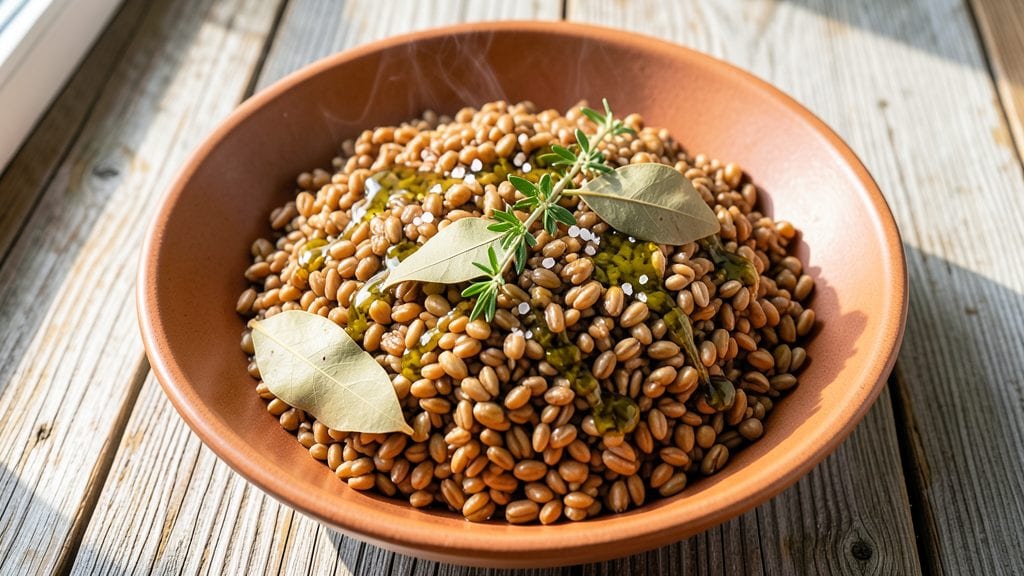
This unhulled barley recipe transforms a humble grain into a nutty, earthy foundation for bowls that feel both rustic and refined—exactly the kind of dish I developed after apprenticing under Master Chef Chen, where we learned to elevate simple ingredients through precise technique.
The key lies in proper soaking and slow cooking, which unlocks barley’s natural chewiness and deep flavor profile that pairs beautifully with roasted vegetables, proteins, or even fresh herbs.
What makes this recipe stand out is its versatility—it works as a standalone grain bowl base or as the heart of soups and stews. Unlike quick-cooking pearl barley, unhulled barley requires patience: soaking overnight and simmering for 45 minutes ensures a perfectly tender yet textured bite.
The result is a dish that’s hearty enough for winter meals but light enough for spring salads, all while delivering that satisfying chew and nutty depth that makes it worth the effort.
By the time you’re plating, you’ll have a golden, aromatic grain that holds up to bold flavors—think crispy roasted sweet potatoes, smoky black beans, or bright citrus dressing. The texture is al dente, not mushy, and the nutty undertones shine when paired with complementary ingredients.
This is the kind of recipe that builds confidence in the kitchen while delivering restaurant-quality results at home.
For those curious about beverage pairings, try serving with a lightly effervescent white wine or even a barley-infused cocktail—though I’ll save that technique for another recipe. The beauty of this dish is its adaptability, so let’s start with the foundational steps that turn simple barley into something extraordinary.
Ingredients for unhulled barley
Simple ingredients that unlock unhulled barley's nutty, earthy potential for refined grain bowls.
| Ingredient | Amount | Notes |
|---|---|---|
| Unhulled Barley 🌾 | 1 cup | Rinsed thoroughly before soaking |
| Water 💧 | 3 cups | Filtered preferred for clarity |
| Bay Leaves 🌿 | 2 whole | Fresh for optimal aroma |
| Kosher Salt 🧂 | 1 ½ tsp | Diamond Crystal preferred |
| Extra-Virgin Olive Oil 🫒 | 1 tbsp | For finishing drizzle |
| Fresh Thyme 🌿 | ½ tsp | Leaves only, finely chopped |
| Garlic Cloves 🧄 | 2 cloves | Minced for depth of flavor |
| Lemon Zest 🍋 | 1 tsp | Brightens the nutty profile |
| Black Peppercorns 🌶️ | ½ tsp | Freshly cracked for texture |
| Dried Porcini Mushrooms 🍄 | 1 tbsp | Crumbled for umami depth |
| Vegetable Broth 💧 | 2 cups | Low-sodium preferred |
| Fresh Parsley 🌿 | ¼ cup | Chopped for garnish |
The quality of unhulled barley makes all the difference here. Bob's Red Mill or Whole Foods bulk bins offer the most consistent texture—look for grains that are plump and uniform, not shriveled or discolored. The soaking process is critical: 8 hours minimum ensures proper hydration, though overnight yields the best texture. Fresh bay leaves and thyme elevate the dish beyond basic seasoning, so Trader Joe's or local farmers' markets are ideal sources. For the vegetable broth, Imagine or Pacific Foods brands provide the cleanest flavor without added sodium, which can overpower the delicate barley profile.
No fresh herbs? Dried thyme at one-third the amount works, though fresh delivers superior aroma. Running low on porcini? Dried shiitake mushrooms offer a similar umami punch when rehydrated. Substituting vegetable broth for water? Reduce the salt by half since broth already contains sodium. For a quicker method, parboil the barley for 10 minutes before soaking, though this slightly alters the texture. The olive oil should be cold-pressed and fruity—avoid heavily filtered varieties that lack character.
Store cooked barley in an airtight container with a damp paper towel to maintain moisture for up to 5 days in the refrigerator. For longer storage, freeze portions in 1-cup increments for up to 3 months. Reheat gently with a splash of water or broth to restore texture. This grain reheats beautifully, making it perfect for meal prep—simply toss with fresh herbs and a drizzle of olive oil before serving to revive its vibrant flavors.
Why You'll Love This Recipe
- No-Fuss Simmer: I swear by this—just toss the unhulled barley with water, a few bay leaves, and salt, then let it bubble away. No pre-soaking, no fancy steps, and honestly? The texture comes out perfectly chewy without any fuss.
- Earthy Depth: That bay leaf infusion gives it a warm, herbal backbone, and the olive oil at the end? It turns this into something ridiculously satisfying—like a hug in grain form. (Yes, even on a Tuesday night.)
- Meal Prep MVP: Cook a big batch on Sunday, and you’ve got a base for salads, bowls, or even a quick grain salad for lunch. It keeps for days in the fridge, so I’m always covered—no last-minute panic.
- Budget Magic: Unhulled barley is dirt cheap, and this recipe stretches one cup into so much more than white rice ever could. Between us, it’s my go-to for feeding a crowd without breaking the bank.
Step-by-step instructions for unhulled barley recipe
Transforming unhulled barley into a nutty, earthy grain bowl base requires patience and precision.
Rinse and Soak the Unhulled Barley
Place the 1 cup unhulled barley in a medium bowl and rinse thoroughly under cold water, swirling gently with your fingers to remove any debris. The barley should feel clean when rubbed between your fingers. Drain well through a fine-mesh strainer.
Transfer the rinsed barley to a clean bowl and cover with the 3 cups water. Add the 2 whole bay leaves and let soak at room temperature for at least 12 hours, or preferably overnight. This extended soaking breaks down the tough outer hull, ensuring even cooking and maximizing flavor extraction. The water should remain at room temperature—cold water slows hydration, while warm water can lead to uneven cooking.
Simmer the Barley Until Tender
Drain the soaked barley and transfer it to a medium saucepan. Add the 2 cups vegetable broth and bring to a boil over medium-high heat. Once boiling, reduce heat to low and simmer uncovered for 45-50 minutes, stirring occasionally to prevent sticking. The barley is ready when it's fork-tender with a slight bite—press a grain between your fingers; it should yield slightly but still have texture.
During the last 10 minutes of cooking, add the 1 tbsp crumbled dried porcini mushrooms and the 2 minced garlic cloves. The mushrooms will rehydrate and infuse the barley with deep umami notes, while the garlic adds aromatic complexity. Taste the barley at the 40-minute mark—if it needs more seasoning, add a pinch of the 1.5 tsp kosher salt now to adjust early.
Build the Flavor Base
Remove the saucepan from heat and stir in the 0.5 tsp finely chopped fresh thyme, 1 tsp lemon zest, and 0.5 tsp freshly cracked black peppercorns. The thyme brightens the earthy barley, while the lemon zest cuts through the richness, and the pepper adds a subtle heat. Let the mixture sit off heat for 5 minutes to allow the flavors to meld—this resting period ensures the lemon zest releases its oils and the thyme softens slightly.
Skimming the surface with a spoon, remove any excess fat that may have risen. For a refined finish, drizzle the 1 tbsp extra-virgin olive oil over the barley and toss gently to coat. The olive oil adds a silky texture and enhances the nutty profile of the unhulled barley. At this stage, the barley should have a rich, aromatic depth with a balance of earthy, umami, and citrus notes.
Garnish and Serve
Transfer the barley to a serving bowl and scatter the 0.25 cup chopped fresh parsley evenly over the top. The parsley adds a fresh, vibrant contrast to the deep flavors of the barley and porcini. Serve immediately while the barley is still warm, as the texture and flavor are at their peak. This dish pairs beautifully with roasted vegetables, grilled proteins, or as a standalone grain bowl base with a drizzle of tahini or yogurt sauce.
For best results, prepare the barley no more than 2 hours ahead—while it holds well, the texture softens slightly over time. If storing, keep it in an airtight container in the refrigerator for up to 3 days, reheating gently with a splash of water or broth to restore moisture.
Pro Tips For Making Unhulled Barley
- Rinse First, Then Soak: Unhulled barley’s tough outer hull traps dirt and gums up the water—rinse it in a fine-mesh strainer until the water runs clear. Then soak for at least 4 hours (or overnight if you’re patient), but don’t skip the soak: it cuts cooking time by nearly half and keeps the texture tender, not gritty. (Yes, even if you’re impatient like me.)
- Simmer, Don’t Boil: After draining the soaked barley, start in cold water with bay leaves and bring to a gentle simmer—not a rolling boil. Too much heat turns the barley mushy, and you’ll end up with a sad, gluey mess. Keep it at a low bubble, stir occasionally, and taste at 45 minutes—it’s done when it’s just shy of tender.
- Salt the Water Late: Add the kosher salt only after the barley has simmered for 30 minutes. Salting early makes the barley absorb water unevenly, leading to some grains staying hard while others turn to paste. Wait until the water’s flavor is developing, then season—this keeps every bite perfectly balanced.
- Finish with Oil: Drain the barley and immediately toss it with 1 tablespoon of extra-virgin olive oil while still warm. This seals in moisture and adds a bright, herbal note that cuts through the earthiness of the barley. (I used to skip this, and the texture always felt dry—don’t make my mistake.)
Flavor customization for this recipe
Citrus Brightening
Add 1 tbsp lemon juice and 1 tsp orange zest during the final 5 minutes of cooking to cut through the barley’s earthiness. The acidity enhances the nutty notes while adding a refreshing contrast.
For a tropical twist, substitute with lime juice and mango purée—just 2 tbsp of each creates a vibrant, summery profile. 🍋
Smoky Depth
Infuse the cooking liquid with ½ tsp smoked paprika and 1 small chipotle pepper in adobo (minced) for a subtle smokiness. This works beautifully with roasted squash or black beans. For a stronger smoke flavor, add 1 tsp liquid smoke after cooking and toss gently.
I’ve used this variation for a Southeast-inspired grain bowl that reminds me of my time in Charleston.
Herbaceous Variations
Swap thyme for fresh rosemary or tarragon—both add an aromatic complexity that pairs well with grilled meats. For a Mediterranean touch, use 1 tsp dried oregano and ½ tsp ground coriander during cooking. Fresh herbs like dill or cilantro can be added post-cooking for a bright finish. 🌿
Spiced Warmth
Stir in ½ tsp ground cumin and ¼ tsp cinnamon during the final 10 minutes of cooking for a warm, slightly sweet depth. This works exceptionally well with roasted sweet potatoes or spiced lentils.
For a North African twist, add ½ tsp harissa paste and serve with yogurt and pomegranate seeds.
Umami Boosters
Enhance the dish with 1 tbsp soy sauce or 1 tsp fish sauce during the last 10 minutes of cooking for an extra layer of umami. This pairs beautifully with grilled shrimp or tofu.
For a vegetarian option, use 1 tsp miso paste instead. The key is to balance these flavors with acidity—always finish with lemon zest or vinegar.
Sweet-Savory Balance
Add 1 tbsp honey or maple syrup during the final 5 minutes of cooking to create a subtle sweetness that complements the barley’s nutty profile. This works especially well with roasted carrots or apples. For a dessert-like variation, serve with cinnamon and walnuts for a breakfast bowl. 🍯
Nutrition facts
Frequently asked questions
Why does unhulled barley need soaking?
Unhulled barley has a tough outer layer that requires soaking (12+ hours) to soften before cooking. This step breaks down the hull, ensuring even cooking and maximizing flavor extraction. Skipping soaking can result in uneven texture or undercooked grains.
Can I substitute unhulled barley for pearl barley?
Yes, but the cooking time and texture will differ. Pearl barley cooks in 20-30 minutes and becomes softer, while unhulled barley maintains a chewier bite. For best results, follow the recipe's soaking instructions even if using pearl barley.
How do I know when unhulled barley is fully cooked?
The barley is done when it's fork-tender with a slight resistance—press a grain between your fingers. It should yield slightly but still have texture. Overcooking turns it mushy. For this recipe, 45-50 minutes of simmering after soaking is ideal.
What are the best ways to store cooked unhulled barley?
Store cooked barley in an airtight container with a damp paper towel to maintain moisture for up to 5 days in the fridge. For longer storage, freeze portions in 1-cup increments for up to 3 months. Reheat gently with a splash of water or broth to restore texture.
Can I make this recipe gluten-free?
Yes, if using certified gluten-free unhulled barley. Always check labels, as some brands process grains in shared facilities. The recipe remains otherwise gluten-free, making it suitable for those with gluten sensitivities or celiac disease.