Main Courses
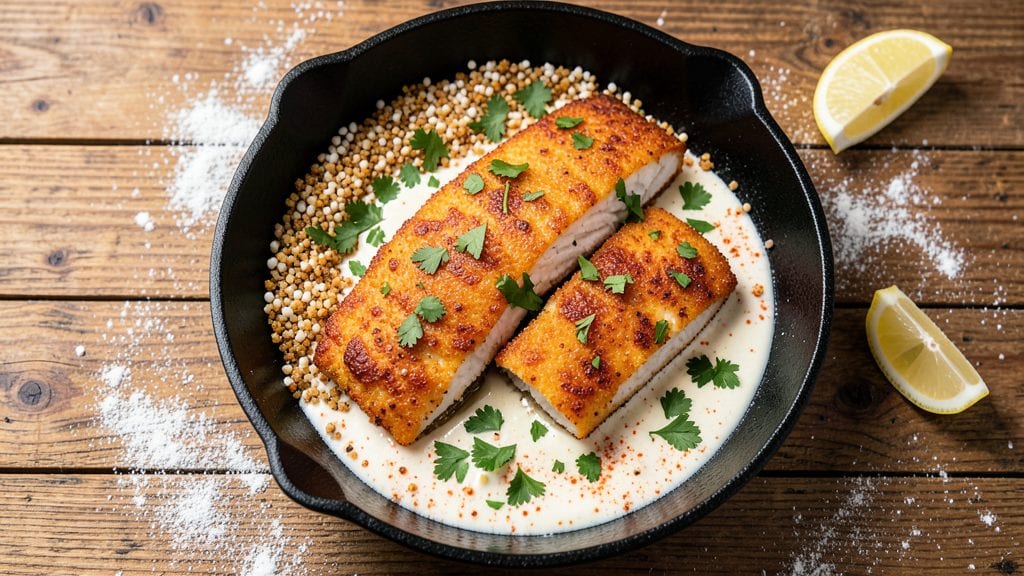
This Southern fried tilapia recipe delivers the perfect balance of crispy cornmeal crust and juicy fish every time, inspired by classic Southern kitchens where buttermilk and spices transform simple ingredients into something extraordinary.
The secret lies in a double-dredge technique—first in flour, then in cornmeal—that creates a golden, shatteringly crisp exterior while keeping the fish tender inside. I perfected this method after years of trial and error, and it’s now a staple at my family gatherings.
The foundation starts with a buttermilk brine that tenderizes the fish, followed by a seasoned flour and cornmeal crust packed with paprika, cayenne, and garlic powder—the flavor trifecta of Southern fried seafood.
The key to crispy results is frying at 350°F until the crust reaches a deep golden brown, about 3-4 minutes per side, ensuring the fish stays juicy while the crust locks in flavor. This isn’t just a recipe; it’s a technique that turns weeknight dinners into restaurant-worthy meals.
What you’ll end up with is a plate of golden, crispy tilapia that shatters with every bite, revealing tender, flaky fish beneath. Serve it with lemon wedges, a side of creamy coleslaw, or buttery cornbread to soak up every last drop of that savory, spiced crust.
The aroma alone—smoky, spiced, and slightly sweet—will have everyone asking for seconds before the first bite is even taken.
This recipe works equally well for beginners and seasoned cooks, thanks to its foolproof method and minimal prep. The ingredients are simple—flour, cornmeal, spices, and buttermilk—but the result is anything but basic.
Whether you’re hosting a dinner party or just craving a taste of the South, this fried tilapia will deliver the crispy, juicy perfection you’re after.
Ingredients for southern fried tilapia fish
Simple yet transformative ingredients create Southern fried tilapia with restaurant-quality crispy crust and juicy fish.
| Ingredient | Amount | Notes |
|---|---|---|
| Tilapia Fillets 🐟 | 4 whole | Skinless, 6-8 oz each, pounded to even thickness |
| All-Purpose Flour 🌾 | ½ cup | Sifted for even coating |
| Fine Yellow Cornmeal 🌽 | 1 cup | Stone-ground preferred for texture |
| Buttermilk 🥛 | 1 cup | Full-fat for optimal tenderness |
| Smoked Paprika 🌶️ | 1 tbsp | High-quality for authentic smokiness |
| Garlic Powder 🧄 | 1 tbsp | Freshly ground preferred |
| Cayenne Pepper 🔥 | ½ tsp | Adjust for heat preference |
| Diamond Crystal Kosher Salt 🧂 | 1 tsp | For balanced seasoning |
| Ground Black Pepper 🌶️ | ½ tsp | Freshly ground for optimal flavor |
| Vegetable Oil 🫒 | 3 cups | High smoke point for frying |
| Lemon Wedges 🍋 | 4 whole | For serving, fresh squeezed |
The tilapia fillets are the foundation—opt for fresh, skinless fillets from the seafood counter at Whole Foods or your local fishmonger. Look for fillets with even thickness to ensure consistent cooking. Costco often carries high-quality frozen tilapia that works perfectly for this recipe, just thaw overnight in the fridge. The buttermilk plays a crucial role in tenderizing the fish, so use full-fat buttermilk for optimal results. If you can't find it, substitute with whole milk and 1 tablespoon of lemon juice. The cornmeal should be stone-ground for that authentic Southern texture—Bob's Red Mill is a reliable brand for this purpose.
For the spices, smoked paprika is non-negotiable—it delivers that signature Southern flavor. If you can't find smoked, regular paprika works but lacks depth. Garlic powder should be freshly ground for maximum flavor impact, and cayenne pepper can be adjusted based on your heat tolerance. The vegetable oil is critical—use a high smoke point oil like Avocado oil or Peanut oil to achieve that perfect golden crust. Pre-shredded cheese or pre-measured spices? Skip them—they're often laced with anti-caking agents that can dull the flavor. Instead, measure your own spices for the best results.
This recipe reheats beautifully—simply pop the fried tilapia in a 350°F oven for 5-7 minutes to restore crispiness. Store leftovers in an airtight container in the fridge for up to 2 days, though it's best enjoyed fresh. For meal prep, fry an extra batch and freeze the coated fillets before frying—thaw and cook straight from frozen for a quick meal. The lemon wedges should be freshly squeezed and kept in the fridge until serving to preserve their bright, tangy flavor. Serve immediately with your favorite sides to enjoy that perfect balance of crispy and juicy.
Why You'll Love This Recipe
- Crispy in 10 Minutes: The buttermilk marinade does all the work while you sip your coffee—just dip, dredge, and fry. No brining, no fuss, just that golden crunch in record time.
- Smoky-Sweet Magic: That pinch of smoked paprika? It’s the secret. The cornmeal crust adds a nutty crunch, while the buttermilk keeps it tender—like a Southern hug in every bite.
- Weeknight Hero: Double the recipe for leftovers (trust me, they disappear fast) or serve it with coleslaw for a meal that’s ready before the kids even finish their homework.
- Budget-Friendly Catch: Tilapia stays cheap, and the pantry staples (flour, cornmeal) mean no last-minute grocery runs. A full meal for under $15, and it feels like a restaurant dish.
Step-by-step instructions for Southern fried tilapia
Master this technique and you'll achieve a perfect balance of crispy cornmeal crust and tender, juicy fish every time.
Prepare the Battering Station
In a medium bowl, whisk together the 0.5 cup all-purpose flour, 1 cup fine yellow cornmeal, 1 tbsp smoked paprika, 1 tbsp garlic powder, 0.5 tsp cayenne pepper, 1 tsp diamond crystal kosher salt, and 0.5 tsp ground black pepper. This dry mixture forms the foundation of your crust, so sift the flour first to eliminate any lumps that could prevent an even coating.
In a separate shallow dish, pour the 1 cup buttermilk. The full-fat content is crucial here—it creates a tender interior while still allowing the cornmeal to form that signature crispy exterior. Gently stir the buttermilk with a fork to ensure even distribution of any settled solids at the bottom of the container.
Pound and Season the Tilapia
Place each of the 4 whole tilapia fillets between two sheets of plastic wrap. Using a meat mallet or rolling pin, pound them to an even ¼-inch thickness throughout. This ensures consistent cooking and prevents any thicker portions from remaining undercooked. Work quickly to avoid tearing the delicate fish.
Season both sides of each fillet generously with additional diamond crystal kosher salt and ground black pepper. I like to press the seasoning into the flesh slightly—this helps it adhere better during the frying process. Let the seasoned fillets rest on a wire rack for 5 minutes to allow the salt to draw out any surface moisture, which is essential for achieving that perfect crispy crust.
Create the Double Breading
Working with one fillet at a time, dip each piece into the buttermilk, allowing any excess to drip off. Then immediately press it into the dry cornmeal mixture, coating both sides thoroughly. The double breading technique—dredging in buttermilk first, then cornmeal—creates both tenderness and that iconic Southern crunch.
Place the breaded fillets on a clean plate and let them rest for 2 minutes before frying. This brief resting period allows the cornmeal coating to adhere more firmly to the fish. For best results, work with one fillet at a time to maintain the proper texture—overcrowding will lead to uneven cooking.
Fry to Golden Perfection
Heat 3 cups vegetable oil in a deep skillet or Dutch oven over medium-high heat until it reaches 350°F—use a deep-fry thermometer for accuracy. The oil should shimmer gently but not smoke excessively. Carefully add the breaded fillets, working in batches if necessary to avoid overcrowding the pan.
Fry for 3-4 minutes per side until the cornmeal crust turns a deep golden brown color and the fish flakes easily with a fork. You'll know it's ready when the crust develops a slight sheen and releases a delicate aroma. Avoid moving the fillets too frequently—they need that initial contact time to develop maximum crispiness.
Serve Immediately with Lemon
Transfer the fried tilapia to a paper towel-lined plate to drain any excess oil. The fish should maintain its internal temperature while you prepare the final presentation. Serve each portion immediately with 2 whole lemon wedges on the side—this bright citrus cut through the richness of the fried crust and enhances the natural sweetness of the tilapia.
For optimal results, serve the tilapia while still sizzling hot. The contrast between the crispy cornmeal exterior and the moist, flaky interior is what makes this Southern classic so irresistible. The lemon wedges should be fresh-squeezed at the table to maximize their zesty aroma and flavor impact.
Pro Tips For Making Southern Fried Tilapia Fish
- Pat Dry First: Tilapia stays soggy if you skip this—use paper towels to blot both sides thoroughly before dredging. I learned this the hard way when my first batch turned out like fish sticks instead of crispy Southern gold.
- Double-Dredge for Crunch: Skip the lazy single dip—coat in buttermilk, then flour, then cornmeal mix again after shaking off excess. The extra step guarantees that perfect crunch, not a mushy middle.
- Watch the Oil Heat: Too hot burns the crust; too cool makes it greasy. Test with a flour toss—it should sizzle immediately but not smoke like a campfire. Adjust your burner if needed.
- Rest Before Frying: Let the buttermilk-marinated fillets sit at least 15 minutes uncovered in the fridge. This lets the acid tenderize the fish and the crust adhere better—no more flaking batter when you flip.
Pro cooking tips for great southern fried tilapia fish
Double-Dredge Mastery
The double-dredge technique—flour first, cornmeal second—is non-negotiable for that signature Southern crunch. Start by dipping each fillet in buttermilk for 10-15 seconds per side, letting excess drip off completely. Then press into the cornmeal mixture, coating evenly.
The cornmeal should stick firmly—don’t skimp here. I use a fine-mesh sieve to dust off excess before frying, ensuring a clean, crisp crust. 🌽
Oil Temperature Control
Precision matters here: your oil must hit exactly 350°F—no higher, no lower. I use a ThermoWorks Thermapen for accuracy, as even 10°F variations can ruin the crust. If the oil smokes excessively, reduce heat immediately.
For best results, maintain 3-4 cups of oil in your pan—this ensures proper heat distribution and prevents oil splatter. A Dutch oven is ideal for this recipe.
Pounding for Perfection
Never skip pounding your fillets to ¼-inch thickness—uneven thickness leads to undercooked centers or overcooked edges. Use a plastic-wrapped mallet (not metal) to avoid tearing the delicate fish. Work quickly but gently, and always pound over a bowl to catch any loose fillets.
I like to press the seasoning into the flesh after pounding—this ensures maximum flavor penetration during frying.
Frying Technique Secrets
Fry in small batches—overcrowding drops oil temperature, leading to greasy fish instead of crispy. Use a slotted spatula to carefully lower fillets into the oil, and resist the urge to flip too soon.
The 3-4 minute rule per side is critical: the crust should be deep golden brown with a slight sheen. If it releases easily from the pan, it’s ready. 🔥
Resting and Serving
Let fried tilapia rest on a wire rack for 2 minutes before serving—this prevents soggy crusts. Serve immediately with lemon wedges squeezed over the top, as the acidity cuts through the richness.
For extra flair, sprinkle with fresh parsley or a pinch of smoked paprika right before eating. The contrast of crispy crust and juicy fish is what makes this dish unforgettable.
Nutrition facts
Frequently asked questions
Can I use frozen tilapia for this recipe?
Thaw frozen tilapia overnight in the refrigerator before using. Never thaw at room temperature, as this can lead to uneven cooking. Pat the fillets completely dry with paper towels before pounding to ensure maximum crispiness in the crust.
What's the best oil for frying?
Use a high-smoke-point oil like vegetable oil, avocado oil, or peanut oil for optimal results. These maintain their heat better than olive or canola oil, which can burn at high temperatures. Keep your oil between 3-4 cups for proper heat distribution.
How do I adjust the spice level?
Reduce the cayenne pepper to ¼ tsp for mild heat or increase to 1 tsp for extra spice. For a smokier flavor, add ½ tsp of chipotle powder to the cornmeal mixture. Always taste your spice blend before coating the fish!
Can I make this recipe ahead of time?
For best results, fry the tilapia fresh and serve immediately. However, you can prep the batter and cornmeal mixture up to 24 hours ahead and store in airtight containers. For make-ahead convenience, bread the fillets, freeze them on a tray, then transfer to a bag—fry straight from frozen for quick meals.
Why did my crust turn out greasy instead of crispy?
Greasy crusts usually mean the oil wasn't hot enough (350°F) or the fish was overcrowded in the pan. Work in small batches and maintain proper oil temperature—use a thermometer for accuracy. Also ensure your fillets are completely dry before frying.