
Main Courses
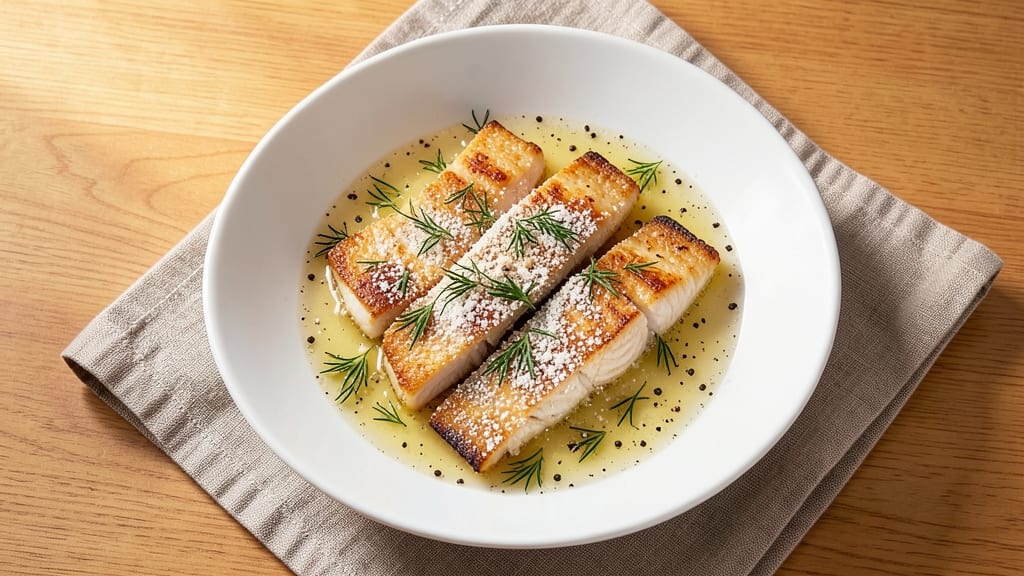
Pan-fried white fish delivers that perfect combination of crispy crust and flaky centers—exactly what makes this dish so satisfying. The secret lies in proper preparation: a light flour coating, medium-high heat, and just enough time to create that golden crust while keeping the inside tender.
I’ve perfected this method with cod, haddock, or tilapia, ensuring every bite is restaurant-quality without the fuss.
Start with skin-on fillets for extra crispiness, or use skinless if preferred—both work beautifully. Brining the fish for 15 minutes enhances moisture, while a simple flour-dill seasoning adds flavor without overpowering.
The key is patience: don’t rush the pan, and let the fish cook undisturbed until the crust forms, then flip just once for even cooking.
What you’ll end up with is golden, shatteringly crispy fish with tender, flaky centers that melt in your mouth. Serve with lemon wedges, fresh herbs, or a light dill sauce to brighten the dish.
This recipe is quick, foolproof, and delivers professional results in just 15 minutes—ideal for weeknight dinners or special occasions.
The beauty of this method is its versatility: swap fish types based on availability, or adjust seasonings to match your taste. Pair with roasted vegetables, a simple salad, or crusty bread to round out the meal. Let’s get cooking!
Ingredients for pan fried white fish
Nine essential ingredients transform simple white fish into restaurant-quality crispy perfection in minutes.
| Ingredient | Amount | Notes |
|---|---|---|
| White Fish Fillets 🐟 | 4 pieces | Cod, haddock, or tilapia preferred |
| All-Purpose Flour 🌾 | ½ cup | Fine-milled for even coating |
| Dried Dill 🌿 | 1 tbsp | Fresh dill preferred if available |
| Kosher Salt 🧂 | 1 ½ tbsp | Diamond Crystal preferred |
| Ground Black Pepper 🌶️ | ½ tsp | Freshly cracked for intensity |
| Unsalted Butter 🧈 | ½ cup | Cold, cubed for even heat |
| Extra-Virgin Olive Oil 🫒 | 2 tbsp | Light, fruity variety |
| Lemon Wedges 🍋 | 4 whole | For serving, fresh squeezed |
| Ice Water 💧 | 1 cup | For brining solution |
| Fresh Parsley 🌿 | ¼ cup | Chopped, for garnish |
The fish quality is non-negotiable—look for firm, translucent fillets with no fishy odor. Whole Foods or Trader Joe's carry excellent cod and haddock, but any reputable seafood counter will do. Skin-on fillets create the crispiest crust, but skinless works if that’s what’s available. For brining, use Diamond Crystal kosher salt—it dissolves completely, unlike table salt. The butter should be cold and cubed; Plugrá brand from European markets delivers superior flavor, but any high-quality unsalted butter works. Fresh dill and parsley elevate the dish, but dried dill (one-third the amount) suffices in a pinch.
No fresh dill? Dried dill or a blend of dried thyme and marjoram works, though flavor will differ slightly. Running short on olive oil? Avocado oil or refined coconut oil are neutral alternatives, but avoid flavored oils. The brining step is critical—15 minutes maximum prevents the fish from absorbing too much moisture. For extra crispiness, double the flour coating and press it firmly onto the fillets. The lemon wedges should be freshly squeezed; bottled juice lacks the bright acidity needed to cut through the richness. If you’re using frozen fish, thaw it in the fridge overnight for even cooking.
Store any leftover cooked fish in an airtight container for up to 2 days, though it’s best enjoyed fresh. The brining solution can be reused once for another protein like chicken. For meal prep, freeze cooked fish in single portions with lemon wedges—reheat gently in a skillet with a splash of water to maintain moisture. The flour mixture keeps indefinitely in a sealed container, making this a pantry-friendly recipe for spontaneous dinners.
Why You'll Love This Recipe
- Five-Ingredient Magic: I swear by this combo—just flour, dill, salt, pepper, and fish. No fancy marinades or last-minute shopping runs. That dried dill? It’s the secret that turns simple white fish into something that smells like a Mediterranean vacation in your kitchen.
- Crispy-Creamy Bliss: The flour crust gives you that perfect golden crunch, while the fish stays tender inside. Honestly, I’ve tried every pan-frying method, and this one nails the texture every single time—no soggy middle or burnt edges.
- Weeknight to Dinner Party: Same recipe, totally different vibes. Toss it together for a lazy Tuesday supper or dress it up with lemon wedges and fresh herbs for guests. My husband even called it “restaurant-worthy” (okay, he’s biased, but still).
- Leftovers That Don’t Suck: Unlike some fried fish, this holds up for days—reheat in a skillet or oven, and it’s just as good. Between us, I’ve had it cold in salads, warmed in wraps, and even on toast. Versatile enough to eat it three ways before the week ends.
Step-by-step instructions for pan fried white fish recipe
Master the art of achieving a perfect crispy crust while keeping the centers tender and flaky.
Prepare the Brine for Maximum Flakiness
In a large bowl, combine the 1 cup ice water with the 1.5 tablespoons kosher salt and stir until fully dissolved. This creates a light brine that will tenderize the fish fillets without making them soggy. Gently add the 4 pieces white fish fillets and let them soak for 10 minutes—no longer, or the fish will start to break down.
After brining, pat each fillet completely dry with paper towels. The drier the surface, the better the crust will form. I press firmly with fresh paper towels, flipping each fillet to ensure every inch is bone-dry. This step is non-negotiable for achieving that coveted crispy exterior while maintaining a delicate interior.
Create the Seasoned Flour Coating
In a shallow dish or plate, combine the 0.5 cup all-purpose flour, 1 tablespoon dried dill, and 0.5 teaspoon ground black pepper. I like to use a fine-mesh sieve to sift the flour lightly over the herbs to distribute them evenly. The flour should look speckled with dill and pepper—this ensures every bite has balanced seasoning.
Working with one fillet at a time, press each side gently into the flour mixture, coating both sides thoroughly but not packing it down. The flour should adhere lightly—like dusting powder rather than a thick crust. This thin, even coating is what creates that perfect crispy crust without overwhelming the delicate fish flavor.
Heat the Pan and Cook to Golden Perfection
Heat a large skillet over medium-high heat until it's properly preheated—you should see a slight shimmer when you hold your hand about 2 inches above it. Add the 2 tablespoons extra-virgin olive oil and 0.5 cup unsalted butter (cold and cubed) to the pan. The butter should foam and sizzle gently before you add the fish.
Carefully place the floured fish fillets in the pan, leaving space between them. Cook undisturbed for 3-4 minutes until the undersides develop a golden brown crust and the edges begin to lift easily. I resist the urge to press down—this prevents the crust from forming properly. Flip each fillet and cook for another 2-3 minutes on the second side until golden brown and cooked through.
Rest and Garnish for Optimal Texture
Transfer the cooked fish fillets to a wire rack set over a plate to allow air to circulate underneath. This resting period, though brief (2-3 minutes), is crucial—it prevents the fish from becoming rubbery as steam redistributes within the fillets. While the fish rests, wipe out the skillet with a paper towel to remove any excess butter and oil.
Return the skillet to low heat and add the 4 whole lemon wedges, squeezing them gently to release their juices. Stir in the 0.25 cup fresh parsley and let it warm for about 30 seconds. Spoon this bright, herby lemon sauce over the rested fish fillets just before serving. The acidity from the lemon cuts through the richness of the butter, enhancing the natural flavor of the fish while adding a vibrant finish.
Pro Tips For Making Pan Fried White Fish
- CRANK THE HEAT FIRST: White fish cooks in minutes—wait until your pan is screaming hot before adding oil. I learned this the hard way: a lukewarm pan means greasy, soggy flour instead of a crisp crust. Let it rip for 60 seconds after oil goes in, then work fast.
- PAT DRY LIKE YOUR LIFE DEPENDS ON IT: Wet fish = steam = ruined crust. Grab paper towels and press hard on both sides of each fillet before dredging. Yes, it feels tedious, but skipping this means your flour coating will turn to paste instead of gold.
- DON’T CROWD THE PAN: One fillet at a time, or the oil temp will crash faster than your motivation. I used to toss two in at once—big mistake. Overcrowding steams the fish instead of searing it, and you’ll end up with a sad, uneven cook.
- SALT THE FLOUR, NOT THE FISH: Mix your flour with 1 tsp salt and a pinch of pepper before dredging. Salting the fish first makes it release moisture, which turns your crust into a sad, gluey mess. Trust me, the flour mix is where the seasoning belongs.
Perfect pairings for this dish
Citrus Brightness
Fresh lemon wedges are non-negotiable for this dish—they cut through the buttery richness and highlight the fish's natural sweetness. I always serve 4 wedges per fillet so guests can squeeze as needed.
For extra zing, add a pinch of flaky sea salt (like Maldon) to the wedges before serving. 🍋
Herbaceous Garnishes
A sprinkle of fresh parsley or chopped chives adds vibrant color and freshness. I prefer parsley because its peppery notes complement the dill in the crust. For a Mediterranean twist, swap in thinly sliced basil or cilantro—just add them right before serving to keep the herbs crisp.
Light Dill Sauce
Mix ¼ cup sour cream with 1 tbsp fresh dill, 1 tsp lemon juice, and a pinch of salt for a cooling contrast. This sauce pairs perfectly with the crispy fish and balances the richness.
Store any leftovers in an airtight container for up to 2 days in the fridge. 💫
Roasted Vegetables
Bright, roasted asparagus or green beans> with garlic and olive oil make an ideal side. Toss 1 lb asparagus in 1 tbsp olive oil, ½ tsp garlic powder, and ¼ tsp salt, then roast at 400°F for 12-15 minutes until tender-crisp.
The earthy flavors complement the fish beautifully.
Crusty Bread
A warm, crusty baguette or ciabatta soaks up any extra lemon butter sauce beautifully. Toast slices in the same skillet used for the fish (after wiping it clean) for a quick, flavorful finish. For extra flair, brush with garlic-infused olive oil before toasting. ✨
Nutrition facts
Frequently asked questions
What’s the best type of white fish for pan frying?
Cod, haddock, and tilapia are ideal—they’re firm, flaky, and hold up well to high heat. Avoid delicate fish like flounder or sole, which can fall apart. For extra crispiness, choose skin-on fillets, as the skin acts as a natural barrier that crisps beautifully.
Can I use cornstarch instead of flour for a lighter crust?
Swap the flour for ½ cup cornstarch—it creates a lighter, crunchier crust that’s perfect for pan frying. Just be sure to coat the fish thoroughly and cook at medium-high heat to avoid burning. Cornstarch also works well if you’re avoiding gluten.
Why did my fish turn out rubbery instead of crispy?
Overcooking or not drying the fish properly are the most common culprits. Ensure your pan is hot enough (butter should foam) and pat the fillets completely dry before seasoning. Cook for 3-4 minutes per side max—fish continues cooking after you remove it from heat.
How do I make this recipe ahead of time?
Cook the fish as directed, then let it cool completely before storing in an airtight container for up to 2 days. Reheat gently in a skillet with a splash of water or lemon juice to restore moisture. For freezing, wrap individual portions tightly and thaw overnight in the fridge before reheating.
Can I substitute butter with oil for a lighter dish?
Yes, but use a high-smoke-point oil like avocado or grapeseed oil instead of butter. Reduce the oil to 2 tablespoons and add a pinch of salt to mimic butter’s flavor. The crust will still crisp up, though it won’t be as rich—perfect for a lighter meal.