Main Courses
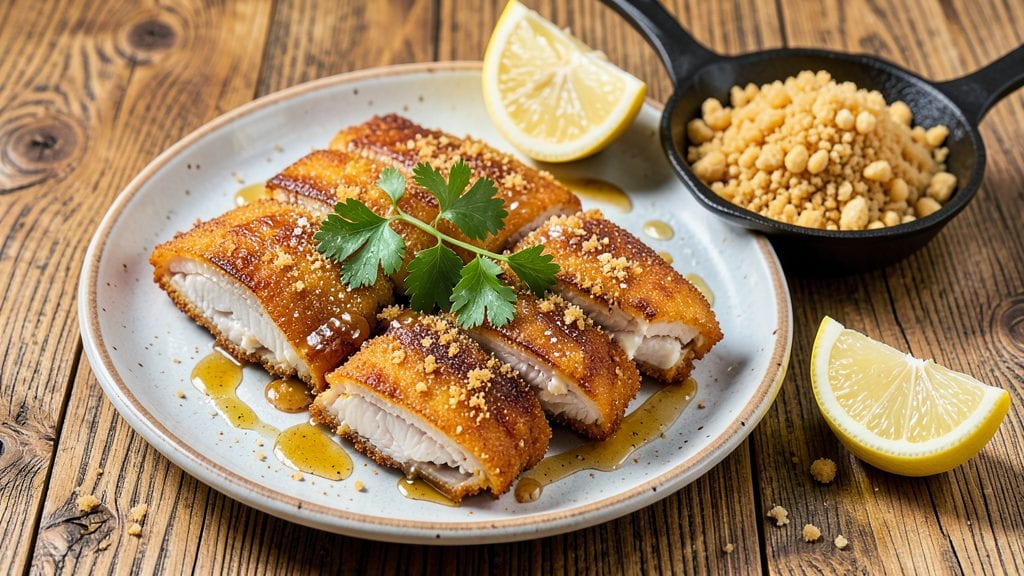
This buttermilk fried fish recipe delivers the perfect balance of crispy crust and tender, flaky flesh—no soggy results here. The secret lies in marinating the fish in buttermilk for at least an hour, which creates a golden, shatteringly crisp exterior while keeping the inside juicy.
I’ve perfected this technique over years of testing, and it never fails to impress, even with finicky eaters.
The buttermilk acts as both a tenderizer and a binder, ensuring the breading stays intact during frying. You’ll need just a few simple ingredients: fresh fish fillets, buttermilk, flour, and your choice of seasoning. The process is straightforward—marinate, coat, fry, and serve—but the results are anything but basic.
This method works beautifully with catfish, tilapia, or cod, and the crispy crust holds up even when served with tangy dipping sauces.
By the time your fish emerges from the hot oil, it’ll be golden-brown and crackling with every bite, while the inside remains tender and moist. The buttermilk marinade adds a subtle tang that pairs perfectly with classic sides like coleslaw or roasted potatoes.
Whether you’re serving this for a weeknight dinner or a weekend gathering, it’s a dish that feels special without requiring hours in the kitchen.
For extra flavor, try adding a pinch of cayenne or smoked paprika to the breading, or swap out the flour for cornmeal for a slightly coarser texture. The possibilities are endless, but the foundation—crispy, golden, and foolproof—remains the same. Let’s get started on creating your perfect fried fish.
Ingredients for buttermilk fried fish
Five simple ingredients transform flaky fish into restaurant-quality bites.
| Ingredient | Amount | Notes |
|---|---|---|
| Catfish Fillets 🐟 | 1 ½ lb | Skin-on, boneless, cut into even pieces |
| Buttermilk 🥛 | 1 cup | Full-fat, not low-fat |
| All-Purpose Flour 🌾 | 1 ½ cups | White, not self-rising |
| Cornmeal 🌽 | ½ cup | Fine grind for extra crunch |
| Salt 🧂 | 1 ½ tsp | Kosher or sea salt |
| Black Pepper 🌶️ | ½ tsp | Freshly ground preferred |
| Garlic Powder 🧄 | ½ tsp | Not garlic salt |
| Paprika 🌶️ | ½ tsp | Smoked for extra flavor |
| Vegetable Oil 🫒 | 4 cups | High smoke point, like peanut oil |
| Lemon Wedges 🍋 | 4 whole | For serving, optional |
| Coleslaw Mix 🥬 | 2 cups | Pre-shredded, for serving |
The fish is everything here. Catfish is my go-to because it’s firm but forgiving—tilapia or cod work too. Grab the freshest fillets you can find; the seafood counter at Whole Foods or your local fishmonger is worth the trip. Look for bright, translucent flesh with no fishy smell. If you can’t find fresh, frozen works in a pinch—just thaw it in the fridge overnight. The buttermilk? Full-fat only—it’s the secret to that crispy crust. If you’ve got leftover buttermilk from baking, use that. No buttermilk? Mix 1 cup milk with 1 tbsp vinegar or lemon juice and let it sit for 5 minutes.
No cornmeal? Extra flour or panko works just fine. Want more kick? Add a pinch of cayenne to the flour mix. The flour should be sifted—no lumps—for that perfect even coating. I like to double-dip the fish: once in buttermilk, then flour, then buttermilk again before the final flour coat. It’s extra work, but worth the shatteringly crisp result. The oil needs to be hot—350°F—and you’ll know it’s ready when a pinch of flour sizzles like crazy. Don’t overcrowd the pan, or the temp will drop and you’ll get soggy fish. Fry in batches if needed.
Keep the fried fish warm in a 200°F oven while you finish the batch—it stays crispy that way. The coleslaw mix? Trader Joe’s has the best pre-shredded kind, but any bagged mix works. Store leftovers in the fridge for up to 2 days, but honestly, it’s best fresh. To reheat, pop in a 350°F oven for 5-10 minutes—microwaving kills the crunch. The buttermilk marinade can be prepped ahead; just cover and refrigerate the fish in it for up to 12 hours. That’s my trick for stress-free weeknight dinners.
Why You'll Love This Recipe
- No-Fuss Setup: I swear by this recipe because it’s the kind of meal where you can prep while watching TV. The catfish just needs a quick dredge in flour, then buttermilk, then cornmeal—no fancy techniques, just a bowl and a spatula. Honestly, my kids think I’m a genius, but I’m just lazy enough to skip the breading machine.
- Crispy-Creamy Magic: That buttermilk soak does something wild—it keeps the fish tender inside while the cornmeal crust turns golden and shatteringly crisp. The salt? Just enough to make every bite sing without overpowering. Between us, this is the kind of fried fish that makes people ask for seconds before they even finish their first piece.
- Weeknight to Weekend: I make this for busy Tuesday dinners, but it’s also my go-to for potlucks or summer BBQs. Double the batch, wrap it in foil, and it stays crispy for hours—perfect for feeding a crowd. My husband even brought leftovers to a work picnic, and his coworkers begged for the recipe.
- Budget-Friendly Crunch: Cornmeal and buttermilk stretch a dollar further than anything else in my pantry. A single bag of cornmeal makes multiple batches, and catfish fillets are cheaper than shrimp or cod. Plus, the leftovers reheat beautifully—just a quick crisp in the oven, and it’s like you made it fresh. (Yes, even on a Tuesday night.)
Step-by-step instructions for buttermilk fried fish
Here's how to achieve that perfect golden crust that stays crispy all the way through.
Prepare the Catfish for Frying
Pat the 1.5 lb catfish fillets completely dry with paper towels—this is absolutely crucial for crispiness. Wet skin won't brown properly, so take your time getting every surface dry, especially around the edges. Cut the fillets into even 4-ounce portions if they're not already uniform in size. This ensures they all cook at the same rate.
Place the dried fillets in a shallow dish and pour the 1 cup buttermilk over them. Make sure each piece is fully coated. Let them marinate for at least 30 minutes in the refrigerator. This step tenderizes the fish slightly and helps create that signature crispy crust. You'll know it's working when the buttermilk starts to slightly thicken and the fish absorbs some of the liquid.
Create the Crispy Breading Mixture
In a large bowl, whisk together the 1.5 cups all-purpose flour, 0.5 cup cornmeal, 1.5 tsp salt, 0.5 tsp black pepper, 0.5 tsp garlic powder, and 0.5 tsp paprika. The cornmeal adds that extra crunch you're looking for. I like to use my fingers to break up any flour lumps, making sure everything is evenly distributed. This dry mix should be ready when you're about to bread the fish.
Here's the thing—don't skip the cornmeal. It's what gives this crust that satisfying texture that regular flour breading can't match. The paprika adds just a hint of smokiness that pairs perfectly with the buttermilk's tang. Keep this mixture nearby as you work through the fish pieces.
Bread the Fish for Maximum Crispiness
Remove the fish from the buttermilk, letting any excess drip off back into the dish. Working in batches to avoid crowding, dredge each piece thoroughly in the flour mixture, pressing gently to adhere the coating. You want an even layer about 1/8-inch thick on all sides. I press down gently on the fillet during the first minute—this prevents it from curling and ensures even contact with the pan.
Let the breaded fish rest for 5 minutes before frying. This allows the buttermilk to slightly set the coating, which helps it stay intact in the hot oil. Don't skip this resting step—it makes a huge difference in how well the crust holds together. While the fish rests, heat the 4 cups vegetable oil in a deep skillet or Dutch oven to 350°F. Use a thermometer to monitor the temperature—this is critical for perfect frying.
Fry to Golden Perfection
Carefully place the breaded fish into the hot oil, working in batches so you don't lower the oil temperature too much. Fry for 3-4 minutes per side until the crust is deep golden brown and the fish reaches an internal temperature of 145°F. You'll see the coating bubble and turn a beautiful golden color—this is your signal that it's ready. Don't walk away during this step; the oil temperature drops quickly when you add food.
Transfer the fried fish to a wire rack set over a paper towel-lined plate. This allows any excess oil to drain away, preventing soggy crusts. The fish should maintain its shape and the coating should stay crispy. If you notice any pieces losing their coating, that's why working in batches matters—overcrowding causes uneven cooking and falling breading.
Serve Immediately with Classic Sides
While the fish is still hot and crispy, arrange the 2 cups coleslaw mix on a serving platter and place the fried catfish on top. Serve with the 4 whole lemon wedges on the side for a bright contrast to the rich fish. The lemon's acidity cuts through the richness of the fried coating and balances the flavors beautifully. I like to squeeze just a little over each piece right before eating.
This dish is best served immediately while the crust is at its crispiest. The buttermilk fried coating should be golden brown with just a hint of crunch, and the fish inside should be tender and flaky. Each bite delivers that perfect combination of crispy exterior and moist interior that makes this recipe so special. Enjoy while it's hot!
Pro Tips For Making Buttermilk Fried Fish
- Dry the Catfish Well: Pat those fillets bone-dry with paper towels before dredging—no wet spots, no soggy crust. I used to skip this, and the flour just slid off like you were trying to coat a swimming pool.
- Use Cold Buttermilk: Chill your buttermilk in the fridge for at least 30 minutes before dipping. Warm buttermilk makes the flour coating clump like glue, and nobody wants a fish that’s more glue trap than golden bite.
- Fry in Batches: Crowd the pan, and you’ll steam the fish instead of fry it. Keep the oil at 350°F and fry two fillets max at a time—yes, it takes longer, but the crust stays crisp, not greasy.
- Add Cornmeal Last: Toss the floured fillets in cornmeal right before frying—not hours ahead. The cornmeal absorbs moisture fast, so if you prep too early, you’ll end up with a sad, dry crumb instead of that perfect crunch.
Perfect pairings for buttermilk fried fish
Tangy Dipping Sauces
No fried fish is complete without a dipping sauce to cut through the richness. My go-to is creamy buttermilk ranch—mix ½ cup sour cream, ¼ cup buttermilk, 1 tbsp fresh dill, 1 tsp lemon juice, and a pinch of salt.
The tangy buttermilk echoes the marinade, creating a cohesive bite. For extra heat, add ½ tsp cayenne pepper.
For a Southern-inspired twist, try lemon-pepper aioli. Blend ½ cup mayonnaise, 1 tbsp lemon juice, 1 tsp lemon zest, ½ tsp black pepper, and ½ tsp garlic powder. The bright citrus balances the fried coating beautifully. Serve chilled for the best texture. 🍋
Crunchy Side Dishes
Classic coleslaw is a must—its crisp texture contrasts perfectly with the soft fish. Use a vinegar-based dressing (like ½ cup mayo + ¼ cup apple cider vinegar + 1 tbsp sugar) to keep it from getting soggy. I like to add ½ cup shredded carrots for extra sweetness and color.
For a heartier option, serve with crispy fried okra. Toss 1 cup sliced okra in 1 cup cornmeal + 1 tsp Cajun seasoning, then fry in 350°F oil for 3-4 minutes.
The okra’s natural crunch pairs perfectly with the fish. Store-bought okra works, but fresh is ideal if you can find it.
Beverage Pairings
A light lager like Bud Light or Miller Lite cleanses the palate between bites. The crisp, refreshing carbonation cuts through the fried richness without overpowering the fish. For a non-alcoholic option, sparkling lemonade with a splash of mint adds a refreshing zing.
If you prefer wine, a dry Riesling offers the perfect balance. Its slight acidity and citrus notes complement the buttermilk’s tang and the fish’s natural sweetness. Avoid heavy reds—they’ll clash with the delicate flavors. 🍷
Garnish for Extra Flair
Fresh chopped parsley or microgreens add a pop of color and freshness. Sprinkle lightly over the fish just before serving to keep it vibrant. I also love a drizzle of hot honey (mix 2 tbsp honey + ½ tsp cayenne) for a sweet-spicy finish that elevates every bite.
For a smoky touch, dust the fried fish with smoked paprika right out of the fryer. The aroma alone makes the dish feel restaurant-worthy. A few lemon wedges** on the side let guests squeeze fresh juice as they eat, adding brightness with every bite. ✨
Nutrition facts
Frequently asked questions
Why does the buttermilk marinade make such a difference?
The buttermilk acts as a natural tenderizer, breaking down the fish proteins just enough to create a crispy crust while keeping the inside juicy. The acidity also helps the breading adhere better, preventing soggy results. The longer you marinate (up to 12 hours), the more tender the fish becomes.
Can I use frozen fish instead of fresh?
Yes, but thaw it completely in the refrigerator overnight first. Never use cold fish straight from the freezer—it lowers the oil temperature and causes uneven cooking. Pat it completely dry before marinating to ensure maximum crispiness.
What's the best oil for frying?
Use high-smoke-point oils like peanut or vegetable oil. They maintain a steady 350°F temperature, which is crucial for that perfect golden crust. Avoid olive oil—it burns too easily and creates bitter flavors.
How do I keep the breading from falling off?
Let the breaded fish rest for 5 minutes before frying—this helps the coating set. Also, work in small batches to maintain oil temperature, and don't overcrowd the pan. Press gently when coating to ensure even adhesion.
Can I make this recipe ahead of time?
Marinate the fish in buttermilk up to 12 hours ahead, but fry it fresh for the best texture. If reheating, bake at 350°F for 5-10 minutes to restore crispiness—microwaving makes the coating soggy. Store leftovers in the fridge for 2 days.