Appetizers
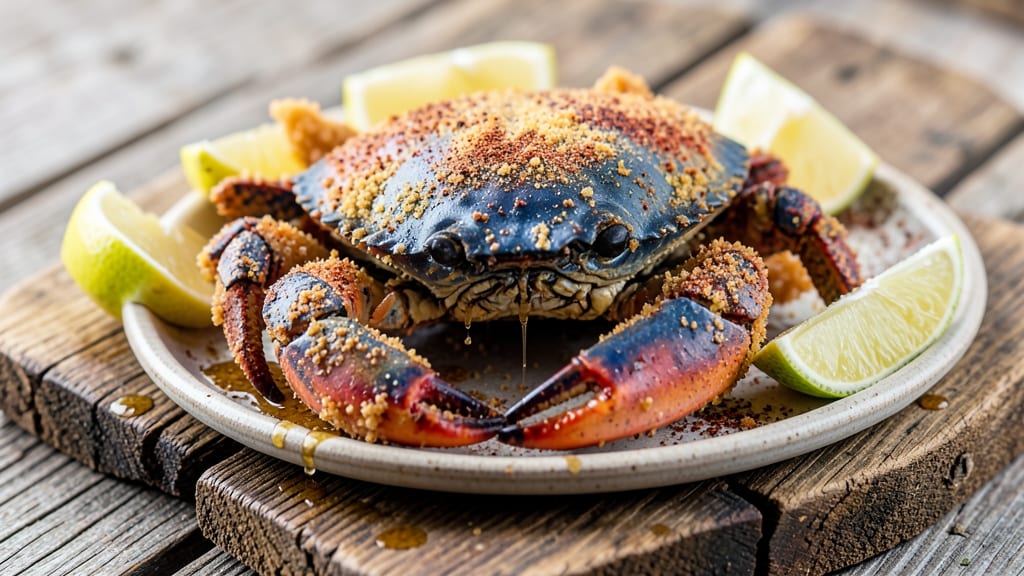
Maryland fried hard crab delivers the ultimate Chesapeake Bay experience—golden, crispy shells that shatter with every bite, revealing sweet, tender crab meat inside. This classic regional dish transforms tough blue crabs into a restaurant-worthy appetizer with just a few simple steps and the right seasoning blend.
The secret lies in a precise breading technique and high-heat frying to achieve that signature crunch while keeping the meat perfectly cooked.
What sets Maryland fried hard crab apart is the balance of flavors—Old Bay seasoning and smoked paprika create a savory, slightly spicy crust that pairs perfectly with the natural sweetness of the crab.
Unlike other fried seafood, this dish requires careful preparation: cracking the crabs properly, drying the meat thoroughly, and using the right oil temperature to ensure even cooking. The result is a dish that’s crispy on the outside and succulent within, with a flavor profile that’s distinctly East Coast.
By the time you serve these crabs, your guests will be reaching for seconds—each bite offers a satisfying crunch followed by sweet, buttery crab meat that melts in your mouth.
The dish is perfect for summer gatherings, game days, or any occasion where you want to impress with a taste of Maryland’s coastal tradition. The key is patience in the breading process and maintaining the oil temperature, which guarantees that crispy texture everyone loves.
Serve with lemon wedges and tartar sauce to cut through the richness, and arrange the crabs on a platter with their shells intact for an elegant presentation. This recipe delivers the full experience—just as it’s done in Maryland’s best seafood shacks. Let’s make it.
Ingredients for maryland fried hard crab
Four crabs and a few pantry staples—this is your ticket to Maryland’s iconic crispy crab feast.
| Ingredient | Amount | Notes |
|---|---|---|
| Live Blue Crabs 🦀 | 4 whole | Hard-shelled, 7-9 inches each |
| All-Purpose Flour 🌾 | 2 cups | For light, crispy coating |
| Cornmeal 🌽 | ½ cup | Fine grind for texture |
| Old Bay Seasoning 🌶️ | 2 tbsp | The signature Maryland flavor |
| Smoked Paprika 🌶️ | 1 tbsp | For deep, smoky notes |
| Garlic Powder 🧄 | 1 tsp | Freshly ground preferred |
| Salt 🧂 | 1 tsp | Kosher or sea salt |
| Black Pepper 🌶️ | ½ tsp | Freshly cracked |
| Vegetable Oil 🫒 | 4 cups | For deep frying (350°F) |
| Lemon Wedges 🍋 | 4 whole | For serving |
| Tartar Sauce 🍣 | ½ cup | For dipping |
| Butter 🧈 | 2 tbsp | Unsalted, melted for basting |
| Paprika 🌶️ | 1 tsp | For garnish |
Live crabs are a must—ask your fishmonger for hard-shell blue crabs, ideally 7-9 inches each. They should be lively and smell briny, not fishy. Local seafood markets or specialty grocery stores like Whole Foods are your best bet for fresh ones. If you can’t find them live, frozen hard crabs work in a pinch, but thaw them overnight in the fridge. The Old Bay seasoning? Don’t skimp on the brand—the real stuff has that perfect balance of spices that makes this dish legendary. Grab a small jar from Penzeys or your local spice shop if you’re serious about authenticity.
No Old Bay? Mix 1 tsp each of celery salt, black pepper, and paprika—it’s not the same, but it’ll save you. Running low on cornmeal? Ritz cracker crumbs add a buttery twist, though the texture won’t be identical. The oil temperature is non-negotiable—use a deep-fry thermometer to keep it at 350°F. If you don’t have one, test with a wooden chopstick: it should sizzle and bubble steadily. For the basting butter, unsalted is key—you’re already salting the crust. And trust me, the extra 30 seconds to dry the crabs thoroughly after breading makes all the difference in that crispy shell.
These crabs are best served immediately after frying—the shells lose crispiness fast. Keep the cooked crabs warm in a 200°F oven on a wire rack while you finish the batch. The tartar sauce and lemon wedges should be prepped ahead and chilled—store-bought is fine, but if you’re feeling fancy, make your own with mayo, capers, and pickles. The leftovers? Eat them within 2 days—the meat stays tender, but the shells get soggy. If you’re prepping for a crowd, double the oil and fry in batches—just keep the temp steady, or you’ll end up with greasy crabs instead of crispy ones.
Why You'll Love This Recipe
- Crispy in Minutes: I swear, the cornmeal crust locks in that crunch so fast—just dip, dredge, and fry for three minutes max. No waiting around for dough to rise or sauces to simmer.
- Old Bay Magic: That smoky paprika and Old Bay blend? It’s like the Chesapeake Bay in a seasoning. The crust stays crisp while the crab stays juicy—salty, sweet, and just a little spicy.
- Tailgate Hero: Between us, this is the dish that turns a casual get-together into a party. Serve it with lemon wedges and a cold beer, and suddenly you’re the host everyone remembers.
- Leftovers? Not a Problem: Fry a batch on Sunday, and you’ve got crispy crab bites for sandwiches all week. Store them in the fridge, and reheat in the oven—no soggy crusts, just pure convenience.
Step-by-step instructions for Maryland fried hard crab
Here's how to achieve that legendary Maryland crispiness with sweet, tender crab meat inside.
🔪 Step 1: Prepare the Crabs for Frying
Start by cleaning the 4 whole live blue crabs thoroughly under cold running water, removing any barnacles or debris from their shells. Use kitchen shears to cut off the apron (the flap under the body) and the "mustache" (the digestive gland) from each crab—these parts are edible but can be messy when frying. I like to save these for making crab stock later.
Next, make a small cut on the underside of each crab's shell near the head, just deep enough to allow the butter to penetrate when basting. This ensures the meat stays moist while the shell gets crispy. Pat each crab completely dry with paper towels—moisture is the enemy of crispiness, and you want that shell to turn golden brown, not steam.
👨🍳 Step 2: Create the Crispy Coating
In a large bowl, whisk together the 2 cups all-purpose flour, 0.5 cup cornmeal, 2 tbsp Old Bay seasoning, 1 tbsp smoked paprika, 1 tsp garlic powder, 1 tsp salt, and 0.5 tsp black pepper. This blend gives you that perfect balance of crispy texture and signature Maryland flavor. I like to use a whisk to break up any lumps in the cornmeal for an even coating.
Dredge each prepared crab in the flour mixture, pressing gently to adhere the coating to all surfaces, especially the shell. Tap off any excess but leave a thick, even layer. This coating is what creates that irresistible crunch—don't skip this step or you'll miss out on that classic Maryland snap.
🔥 Step 3: Fry the Crabs to Golden Perfection
Heat 4 cups vegetable oil in a deep fryer or heavy pot to 350°F—this is crucial for getting that perfect crisp without burning. Use a deep-fry thermometer to monitor the temperature carefully. Once the oil is hot, carefully lower the crabs into the oil using a slotted spoon or tongs. Fry for 3-4 minutes until the shells turn a deep golden brown color.
Here's the thing—you want the shells to be crispy but the meat still tender. If you see the shells browning too quickly, reduce the heat slightly to 325°F and fry for an extra minute. The crab should float when it's done, and the shell should be firm to the touch. Remove the crabs with tongs and place them on a wire rack set over a baking sheet to drain excess oil.
🍳 Step 4: Baste with Butter for Extra Flavor
While the crabs are still hot, melt the 2 tbsp butter in a small saucepan over low heat. Once melted, use a pastry brush to generously baste each crab with the butter, coating the shells thoroughly. This step adds incredible richness and helps keep the meat moist. The butter should sizzle slightly as it hits the hot shells—this is your signal that it's working.
Sprinkle the 1 tsp paprika evenly over the crabs while they're still warm. This gives them that beautiful red garnish and adds a subtle smoky depth to the flavor. Let the crabs rest for 2-3 minutes before serving—this brief rest ensures the butter sets slightly and the shells stay crispy.
🍽️ Step 5: Serve with Classic Maryland Sides
Serve the fried crabs immediately with the 4 whole lemon wedges on the side for squeezing over each piece. The acidity cuts through the richness of the butter and balances the sweetness of the crab meat. Scoop out the 0.5 cup tartar sauce into a small bowl for dipping—this creamy, tangy sauce is a must with Maryland fried crabs.
For the ultimate Maryland experience, serve with coleslaw and hush puppies on the side. The crispy shells, sweet crab meat, and tangy dipping sauce make every bite worth it. Enjoy while they're hot—these crabs are best straight from the fryer, with that perfect contrast of crispy shell and tender meat.
Pro Tips For Making Maryland Fried Hard Crab
- CRACK THE SHELLS FIRST: If you’re frying whole crabs, crack the back shell and pull the apron (that little flap) off before dredging—it’s the part that burns fastest and ruins the texture. I learned this the hard way when my first batch came out with singed aprons and undercooked meat.
- DRY THE CRAB WELL: Pat those crabs thoroughly with paper towels before dredging—wet shells = soggy crust. I used to skip this, and the cornmeal coating would slide off or steam instead of crisp. Take the extra 30 seconds; it makes a real difference.
- FRY IN BATCHES, DON’T CROWD: Overloading the oil lowers the temperature and steams the crabs instead of frying them. Two crabs max per batch in 350°F oil—yes, even if it means waiting. I’ve seen people rush this and end up with greasy, greasy results.
- MIX DRY HEAT, WET HEAT: Toss the crabs in cornmeal first, then dredge in seasoned flour—this locks in the spice and keeps the crust from dissolving. My grandmother swore by this, and she was right: the cornmeal adds crunch, while the flour sticks better to the wet shell.
Dietary considerations for this recipe
Gluten-Free Adaptation
To make this recipe gluten-free, replace the all-purpose flour with a 1:1 gluten-free flour blend like Bob’s Red Mill or King Arthur. Use the same 2 cups measurement, but whisk in 1 tsp xanthan gum to mimic the binding properties of wheat flour.
The cornmeal can stay as-is—it’s naturally gluten-free. For extra crispiness, add ¼ cup crushed gluten-free cornflakes to the coating blend. 🌾
Low-Carb Options
For a lower-carb version, swap the flour for 1 cup almond flour and 1 cup crushed pork rinds (for zero-carb crunch). Keep the 0.5 cup cornmeal and seasonings the same.
The pork rinds add a satisfying crunch while keeping carbs minimal. Just be sure to dry the crabs thoroughly—the almond flour absorbs moisture differently than wheat flour. 🦀
Allergen-Friendly Swaps
If you need to avoid shellfish allergens, this recipe isn’t suitable—crabs are the star! But for other allergies: use dairy-free butter (like Earth Balance) for basting, and check your Old Bay for hidden additives.
For nut-free kitchens, stick with the original flour blend or gluten-free alternative. Always verify all spices for cross-contamination if severe allergies are a concern. 🧂
Vegetarian Considerations
This dish is inherently seafood-based, but you can recreate the crispy, buttery experience with king oyster mushrooms or large shrimp instead. For mushrooms, slice them into crab-like shapes and follow the same breading/frying process.
Shrimp will cook faster—watch closely to avoid overcooking. The flavor won’t match crab, but the technique delivers that signature Maryland crunch. 🍄
Spice Sensitivity Tips
The Old Bay seasoning packs a flavor punch—reduce it to 1 tbsp if you’re sensitive to spices. Replace the remaining 1 tbsp with extra garlic powder for depth. For those avoiding smoked paprika, use ½ tsp cayenne pepper instead—it adds heat without the smoky notes.
Always taste your coating blend before dredging the crabs to adjust seasoning. 🌶️
Kid-Friendly Adjustments
Kids often prefer milder flavors, so cut the Old Bay to 1 tbsp and add ½ tsp extra salt for balance. Skip the smoked paprika and use plain paprika instead. For extra fun, let them help with the basting step—they’ll love brushing butter on the crabs.
Serve with a side of sweet potato fries to make it a complete meal they’ll actually eat. 🍽️
Nutrition facts
Frequently asked questions
Why do Maryland fried crabs need to be hard-shelled?
The "hard-shell" requirement is key for texture and flavor. Hard-shelled crabs have thicker shells that crisp up beautifully when fried, while soft-shelled crabs are too delicate and won't hold their shape. The thicker shell also protects the tender meat during frying, ensuring it stays juicy while the exterior becomes golden and crunchy.
Can I use frozen crabs instead of live ones?
Yes, but with important adjustments. Thaw frozen hard crabs overnight in the fridge, then pat them completely dry before breading. The texture may be slightly less crisp than live crabs, but the flavor will still be excellent. For best results, look for "hard-shell" frozen crabs labeled specifically for frying.
How do I keep the coating from falling off?
The secret is thorough drying and proper breading technique. After cleaning, pat the crabs completely dry with paper towels, then let them air-dry for 10-15 minutes. When dredging, press the coating firmly onto the shells and tap off excess. Also, don't overcrowd the fryer—cook in batches if needed. This ensures the coating adheres properly for that perfect crisp.
What's the best oil for frying Maryland crabs?
Vegetable oil or peanut oil work best for their high smoke points and neutral flavors. Avoid olive oil—it has too low a smoke point and will burn before the crabs are cooked. Keep the oil at 350°F using a thermometer for consistent results. If you prefer, you can reuse oil for 2-3 batches, but strain it between uses.
Can I make this recipe ahead of time?
While the crabs are best served immediately after frying, you can prep components ahead: make the coating blend in advance, clean and dry the crabs (store uncovered in the fridge for up to 4 hours), and prepare the basting butter. Fry just before serving to maintain that signature crispy texture. For leftovers, store in an airtight container and reheat in a 375°F oven for 5 minutes.