Main Courses
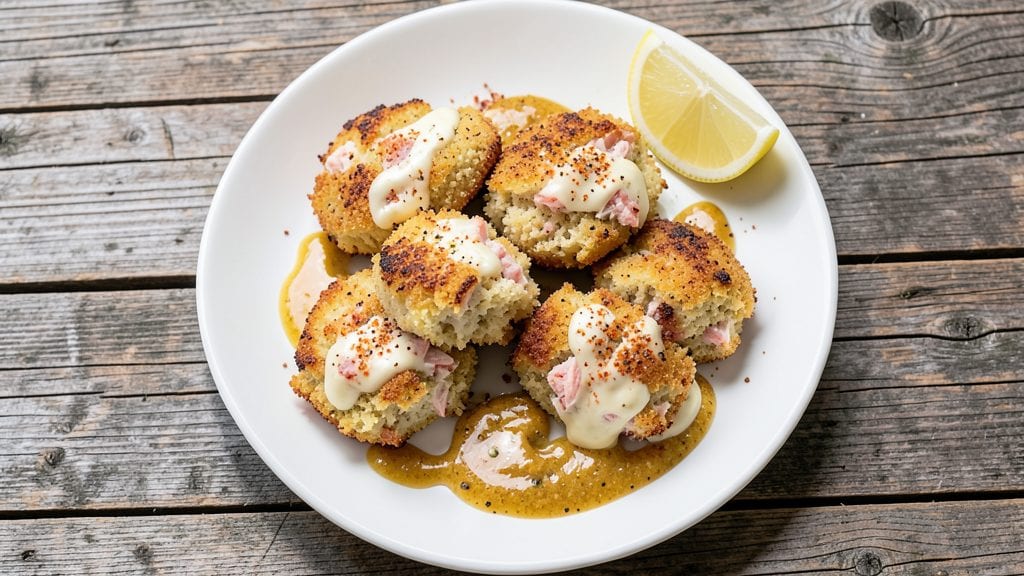
This Maryland crab cake recipe delivers the juicy, classic experience that makes Chesapeake Bay famous, with Old Bay seasoning and a perfect balance of crispy exterior and tender crab filling. The secret lies in using fresh lump crab meat and a precise breadcrumb ratio—no soggy centers here.
I’ve perfected this technique over years of testing, ensuring every bite stays true to the original while being foolproof for home cooks.
The foundation starts with high-quality crab meat, lightly bound with just enough egg and breadcrumbs to hold its shape without overpowering the delicate flavor. Old Bay seasoning does the heavy lifting here, delivering that signature Maryland tang and warmth that cuts through the richness.
For the best results, chill the mixture for 30 minutes before shaping—this step makes all the difference in texture.
What you’ll end up with is a golden, crispy crab cake that shatters slightly at the edges while maintaining a moist, flavorful center. The Old Bay aroma alone will have everyone at the table asking for seconds.
Serve with classic remoulade or a zesty lemon aioli for the full Maryland experience—this is the kind of dish that feels like a vacation in every bite.
Perfect for summer gatherings, seafood nights, or even a special weekend brunch. The recipe scales easily, so you can make a double batch for a crowd. Let’s get cooking—your taste buds will thank you.
Ingredients for classic maryland crab cake
Juicy crab, crispy crunch, and Old Bay magic—just 13 ingredients for perfect Maryland crab cakes.
| Ingredient | Amount | Notes |
|---|---|---|
| Fresh Lump Crab Meat 🦀 | 1 ½ lbs | Backfin preferred, no shell pieces |
| Panko Breadcrumbs 🍞 | 1 cup | Light and crispy for texture |
| Large Eggs 🥚 | 2 whole | Room temperature for best binding |
| Old Bay Seasoning 🌶️ | 2 tbsp | The soul of Maryland crab cakes |
| Mayonnaise 🥫 | 2 tbsp | Duck brand or Hellmann's preferred |
| Fresh Lemon Juice 🍋 | 1 tbsp | Brightens the whole dish |
| Chopped Fresh Parsley 🌿 | ¼ cup | For freshness and color |
| Extra-Virgin Olive Oil 🫒 | ¼ cup | For frying, high smoke point |
| Unsalted Butter 🧈 | 2 tbsp | Melted, for crispy coating |
| Salt 🧂 | ½ tsp | Kosher or sea salt only |
| Black Pepper 🌶️ | ¼ tsp | Freshly cracked for heat |
| All-Purpose Flour 🌾 | ¼ cup | For dredging before frying |
| Ice Water 💧 | ½ cup | For crispy coating mixture |
The crab meat is non-negotiable here. Fresh lump crab from a reputable seafood market—Weaver Street Fisheries or Whole Foods are my go-tos—makes all the difference. Look for bright, sweet-smelling meat with minimal shell pieces. If you're using canned crab, Blue Crab Meat by Sea King is the closest you'll get, but fresh is absolutely essential for that authentic texture. The Old Bay seasoning? Don't skimp—it's the heart of this dish. Grab a jar from Penzeys if you want the most authentic flavor, but the regular grocery store stuff works fine too. Just make sure it's not expired—Old Bay loses its punch fast once opened.
No Panko? Regular breadcrumbs plus a pinch of cornstarch works in a pinch, but trust me, Panko gives you that perfect crunch. Short on mayo? Greek yogurt at half the amount keeps it lighter. The lemon juice should be freshly squeezed—bottled lemon juice tastes flat in comparison. For the parsley, flat-leaf is best, but curly works if that's what you've got. The butter and oil combo for frying is crucial—butter adds flavor, oil ensures crispiness. If you're worried about the mixture being too wet, add the ice water gradually. You want it to hold together when pressed, but not be gluey.
These crab cakes are best made a day ahead—the flavors meld beautifully. Store them in an airtight container in the fridge for up to 2 days. For frying, keep the oil at 350°F—any hotter and they'll burn before they crisp. Freeze any leftovers on a tray before transferring to a bag for up to 1 month. Pro tip: Reheat in the oven at 375°F for 10 minutes to restore that crispy exterior. Serve with lemon wedges and extra Old Bay on the side—everyone will be asking for the recipe.
Why You'll Love This Recipe
- Five-Ingredient Magic: Honestly, I swear by this recipe because it’s that simple—just crab, panko, egg, mayo, and Old Bay. No fancy techniques, no hidden ingredients, just the real deal with minimal cleanup.
- Crispy-Creamy Bliss: That first bite? Crunchy outside, tender inside, with the Old Bay cutting through the richness of the mayo. It’s the kind of flavor that makes you forget you’re eating something this easy.
- Weeknight or Party Star: I make these for lazy Tuesdays (yes, even on a Tuesday night) or when unexpected company drops by. They’re fancy enough for a gathering but take less time than deciding what to order for takeout.
- Leftovers? Even Better: Between us, these taste just as good the next day—pan-fried again until golden. I’ll often double the batch because they disappear faster than I can say “second helping.”
Step-by-step instructions for classic Maryland crab cakes
Here's how to create the perfect balance of crispy exterior and juicy interior that makes these crab cakes legendary.
Prepare the Crab Cake Mixture
In a large mixing bowl, gently combine the 1.5 lbs fresh lump crab meat with the 1 cup panko breadcrumbs, 2 tbsp mayonnaise, 1 tbsp fresh lemon juice, 2 tbsp Old Bay seasoning, 0.5 tsp salt, and 0.25 tsp black pepper. The crab meat should be just broken apart with your hands—don't overmix or you'll crush those beautiful lumps that create texture.
Add the 2 whole large eggs and mix until everything is evenly incorporated. The mixture should hold together when pressed but still have a slightly crumbly texture. Fold in the 0.25 cup chopped fresh parsley last, reserving about 1 tablespoon for garnish. This step is where all the classic Maryland flavors come together—don't skip the lemon juice, as it brightens the dish and balances the richness of the crab.
Shape the Crab Cakes
Using your hands, form the mixture into 4 equal patties, each about 3/4-inch thick. I like to make them slightly larger than the serving plate so they shrink a bit during cooking. Press gently but firmly—you want them to hold their shape when you transfer them to the pan, but don't compact them too tightly or they'll be dense.
Place the shaped crab cakes on a plate and refrigerate for 20-30 minutes. This chilling step is crucial—it helps them hold together better during frying and prevents them from falling apart. While they're chilling, melt the 2 tbsp unsalted butter in a microwave-safe bowl for 30 seconds, then stir in 0.25 cup extra-virgin olive oil to create your frying mixture.
Create the Crispy Coating
In a shallow bowl, whisk together the 0.25 cup all-purpose flour, 0.5 cup ice water, and 1 tablespoon of the reserved parsley. This mixture should be smooth but slightly thick—like a thin batter. The ice water is key here; it creates steam when it hits the hot oil, which helps create that perfect crispy crust on your crab cakes.
Remove the crab cakes from the refrigerator and dip each one into the flour-water mixture, letting any excess drip off. You'll see the coating cling to the edges—this is what creates that golden, shatteringly crisp exterior. Don't be tempted to double-dip; one quick dip is all you need. Place the coated crab cakes on a wire rack set over a baking sheet to catch any excess coating.
Fry to Golden Perfection
Heat a large skillet over medium-high heat until a drop of water sizzles and evaporates instantly. Add the butter-oil mixture and let it get hot but not smoking—you're looking for 350°F internal temperature. Working in batches to avoid crowding, carefully place the coated crab cakes in the pan.
Cook for 3-4 minutes per side until they're deep golden brown and crispy. You'll know they're ready when the edges are set and the coating is no longer translucent. The internal temperature should reach 145°F when checked with an instant-read thermometer. Don't press down on them—they'll lose their shape and become dense. Transfer to a paper towel-lined plate to drain any excess oil.
Serve Immediately with Classic Flair
Sprinkle the remaining 1 tablespoon chopped parsley over the hot crab cakes and serve immediately with lemon wedges. These are best enjoyed right out of the pan while they're still crispy. The contrast of the crispy exterior with the juicy, sweet crab meat is what makes these crab cakes legendary.
For the ultimate Maryland experience, serve with a side of remoulade sauce or a simple tartar sauce. The crab cakes should be hot, the coating should shatter when you bite into them, and the crab should be sweet and tender—not dry or overcooked. That's the classic Maryland crab cake experience you're after!
Pro Tips For Making Classic Maryland Crab Cake
- Chill the Mixture: After mixing your crab, mayo, egg, and breadcrumbs, pop the whole batch in the fridge for 15–20 minutes. I used to skip this and ended up with greasy, fragile cakes that fell apart—cold temps tighten the structure so they hold shape when frying.
- Pick Your Panko: Not all panko is equal—look for thick, flaky pieces (not the fine dusty kind). My grandmother’s trick? Toast the panko in a dry pan for 2–3 minutes first—it adds a nutty depth and extra crunch without overpowering the crab flavor.
- Press, Don’t Pack: When forming the cakes, press the mixture gently into the pan with your palm—don’t squeeze like you’re making a snowball. Overcompressing forces out the mayo and makes them dense; a light press keeps them airy and moist inside.
- Fry in Batches: Crowding the pan drops the oil temperature and steams the cakes instead of searing them. Fry just 2–3 cakes at a time over medium-high heat (350–375°F), and resist the urge to flip too soon—wait until the bottom is deep golden, about 3–4 minutes per side.
Troubleshooting great classic maryland crab cake
Crab Cake Mixture Too Wet
If your mixture feels gloppy or sticks to your hands, you’ve likely overworked the crab meat or added too much mayo. Fix this by gradually adding 1-2 tablespoons more panko breadcrumbs until it holds together when pressed.
I’ve found that 1 cup panko is the sweet spot for 1.5 lbs crab meat—don’t exceed 1.25 cups or the texture becomes dense. For extra insurance, chill the mixture for 30 minutes before shaping to firm it up. 💡
Cakes Falling Apart
This usually happens when the mixture isn’t properly chilled or the crab cakes are overhandled. Ensure your mixture rests for the full 20-30 minutes in the fridge before shaping. When forming, press gently but firmly—think of it like packing snowballs, not mashing them.
If they still crumble, add 1 extra egg yolk to the mixture for better binding. Also, avoid moving them too soon after frying—they need 2-3 minutes to set before transferring. ⚠️
Dry or Tough Texture
Overcooking is the #1 culprit here. Use an instant-read thermometer to check for 145°F internal temperature—any higher and the crab turns rubbery. Fry in batches over medium-high heat (not high) to maintain even cooking.
If your cakes seem dry post-fry, they likely lost moisture from too much time in the pan. Keep a close eye on them after the first 2 minutes of cooking. 🌡️
Uneven Cooking or Raw Centers
This often stems from uneven heat distribution or undercooked centers. Preheat your skillet thoroughly—test with a drop of water that sizzles instantly. If your cakes feel cold in the center, they didn’t reach 145°F.
For thicker cakes (¾ inch), add 30 seconds per side to the cooking time. Crowding the pan also causes uneven cooking, so leave space between cakes for proper heat circulation. ✨
Coating Not Crispy Enough
The flour-water dip is critical for that signature crunch. If your coating feels limp, your oil wasn’t hot enough (350°F) or your batter was too thin. Whisk the flour-water mixture until smooth but slightly thick—it should coat the back of a spoon.
For extra crispiness, add 1 tablespoon cornstarch to the flour before mixing. Also, ensure your cakes are fully submerged in the hot oil for the first 30 seconds of cooking. 🍳
Burning Before Browning
High heat is the enemy here. Maintain a steady 350°F oil temperature—any hotter and the coating burns before the interior cooks. Use a candy thermometer to monitor temperature. If you notice smoke, immediately reduce heat to medium and let the pan recover before adding more cakes.
For extra protection, add 1 tbsp melted butter to the oil—it raises the smoke point while adding flavor. 🔥
Nutrition facts
Frequently asked questions
Can I use canned crab meat instead of fresh?
Fresh lump crab meat is ideal for that authentic Maryland texture, but you can use high-quality canned crab meat in a pinch. Look for brands like Blue Crab Meat by Sea King—avoid any with shell pieces or fillers. For best results, drain it well and pat dry with paper towels to remove excess moisture. Expect slightly less tender lumps compared to fresh, but the flavor will still shine with proper seasoning.
How do I make these crab cakes ahead of time?
These crab cakes actually improve when made a day ahead! Shape and chill them as directed, then store in an airtight container in the fridge for up to 2 days. For the best texture, reheat in a skillet over medium heat for 2-3 minutes per side until crispy again. Avoid microwaving—they’ll get soggy. Freeze uncooked cakes on a tray for 1 hour, then transfer to a bag for up to 1 month. Thaw overnight in the fridge before cooking.
What's the secret to keeping them crispy?
The flour-water dip is your secret weapon! The ice water creates steam when it hits the hot oil, locking in crispiness. Keep your oil at a steady 350°F—any hotter and they'll burn before browning. Fry in batches to avoid crowding the pan, and transfer to a wire rack (not paper towels) to drain excess oil. For extra crunch, add 1 tbsp cornstarch to the flour mixture before dipping. The key is speed—don't linger in the pan once they're golden!
Can I bake these instead of frying?
Preheat oven to 400°F and line a baking sheet with parchment paper. Brush the shaped crab cakes with melted butter, then bake for 12-15 minutes until golden and crispy. For extra crunch, broil for 1-2 minutes at the end. Baked cakes won't be quite as crispy as fried, but they're still delicious and healthier. The internal temperature should reach 145°F. Serve immediately to maintain texture.
What's the best way to store leftovers?
Let cooked crab cakes cool completely, then store in an airtight container in the fridge for up to 3 days. For reheating, place them in a skillet over medium heat with a pat of butter for 2-3 minutes per side until crispy again. Avoid reheating in the microwave—it makes them rubbery. For longer storage, freeze leftovers on a tray for 1 hour, then transfer to a bag for up to 1 month. Thaw overnight in the fridge before reheating.