
Snacks
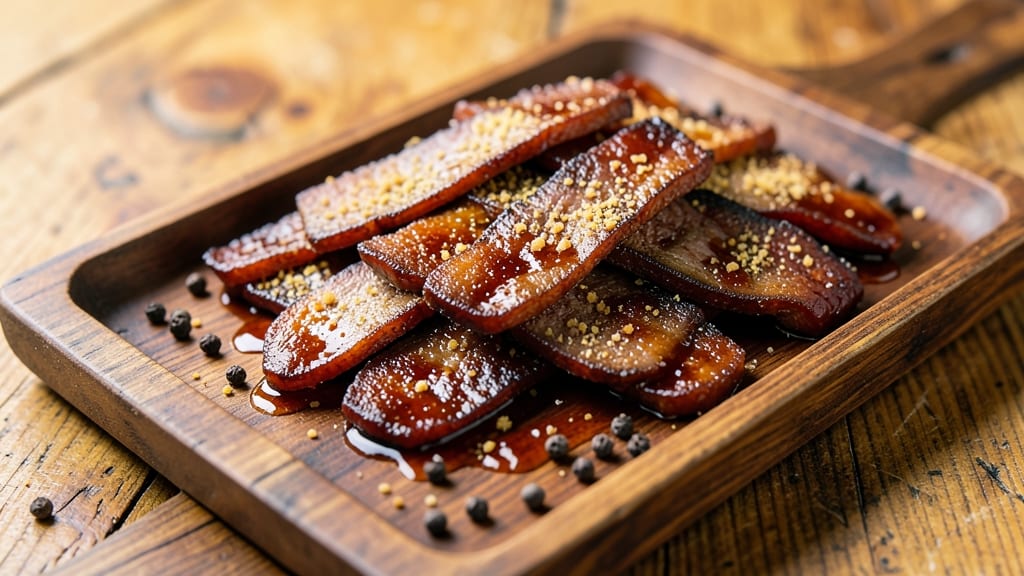
Creating homemade beef jerky with a smoky-sweet spice blend transforms tough cuts into chewy, restaurant-quality snacks you can enjoy anytime. The secret lies in precise slicing, a well-balanced marinade, and proper dehydration—all steps I’ve perfected over years of testing.
This method delivers jerky that’s tender yet firm, packed with bold flavors without the artificial aftertaste of store-bought versions.
What sets this recipe apart is the foolproof technique that ensures safety and consistency. We’ll focus on lean cuts like top round or flank steak, sliced thinly against the grain for maximum tenderness.
The marinade combines sweet, smoky, and savory elements—think brown sugar, liquid smoke, and a touch of Worcestershire—to create depth that lingers. Proper dehydration at 160°F or higher guarantees food safety while preserving that perfect chewy texture.
By the end, you’ll have jerky that’s rich in flavor, protein-packed, and shelf-stable for months when stored correctly. The process is straightforward but requires patience—each step builds on the last to deliver results that rival gourmet brands.
Whether you’re prepping for camping trips or craving a healthy snack, this method guarantees satisfaction every time.
Ready to make jerky that’s perfectly balanced in flavor and texture? We’ll cover everything from meat selection to storage tips, so you can enjoy your creation with confidence. Let’s get started with the ingredients—where precision begins.
Ingredients for make beef jerky
Lean beef, smoky spices, and precise slicing—everything you need for restaurant-quality jerky at home.
| Ingredient | Amount | Notes |
|---|---|---|
| Top Round Beef (or Flank Steak) 🥩 | 2 lb | Lean cut, sliced thin against grain |
| Light Brown Sugar 🍚 | ½ cup | Granulated works if unavailable |
| Worcestershire Sauce 🍶 | ¼ cup | High-quality, anchovy-free preferred |
| Liquid Smoke 🔥 | 1 tbsp | Adjust for smokiness preference |
| Black Peppercorns 🌶️ | 1 tbsp | Freshly cracked for intensity |
| Garlic Powder 🧄 | 1 tbsp | Not garlic salt |
| Onion Powder 🧅 | 1 tbsp | Fresh ground preferred |
| Ground Cumin 🌿 | 1 tsp | Toasted for deeper flavor |
| Paprika 🌶️ | 1 tbsp | Smoked variety for extra depth |
| Kosher Salt 🧂 | 1 tbsp | Diamond Crystal preferred |
| Apple Cider Vinegar 🍎 | ¼ cup | Balances sweetness |
| Granulated Garlic 🧄 | 1 tsp | For extra flavor punch |
| Beef Tenderizer (optional) 💊 | ½ tsp | Enhances marinade penetration |
The beef is non-negotiable here. Top round or flank steak are your best bets—lean but flavorful enough to shine. Look for cuts with good marbling at Costco or Whole Foods (their butcher counters often have pre-sliced options). If you're buying whole, slice it thinly against the grain—this is what makes jerky chewy, not tough. Pro tip: freeze the meat for 30 minutes before slicing, it makes the job easier. And skip the pre-sliced packages at the grocery store; they’re usually too thick and uneven.
No liquid smoke? Smoked paprika plus a dash of coffee gets you close. Running low on Worcestershire? Substitute soy sauce plus a splash of balsamic vinegar—it’s what I do when I forget to restock. The brown sugar can be swapped for maple syrup or agave if you’re avoiding refined sugar, but it’ll taste different. For the spices, Penzeys or bulk bins at natural markets have the freshest options. If you’re making a big batch, double the spices and store them in an airtight container—just don’t let that liquid smoke sit open for too long, it loses potency fast.
Marinated beef keeps for 24 hours in the fridge, but no longer—bacteria loves that mix of sugar and meat. Once dehydrated, your jerky will last 2-3 weeks at room temperature or 6 months in the freezer if vacuum-sealed. I like to portion it into resealable bags with oxygen absorbers for long-term storage. And if you’re prepping for camping, wrap individual pieces in parchment paper to keep them from sticking together in your pack.
Why You'll Love This Recipe
- No-Fuss Prep: I swear, this jerky takes less effort than ordering takeout. Slice the beef thin—no fancy cuts needed—and toss it in a bowl with the sugar, Worcestershire, and peppercorns. The liquid smoke does the heavy lifting while you’re busy with anything else.
- Sweet-Smoky Magic: That caramelized brown sugar and liquid smoke combo? It’s like a campfire in your mouth. The Worcestershire adds this deep, tangy punch that makes every bite taste like it’s been slow-smoked for hours—even though it’s ready in minutes.
- Snack Attack Ready: Honestly, I keep a stash in my gym bag, my desk drawer, and my kid’s lunchbox. It’s perfect for hikes, road trips, or when I’m too lazy to make a full meal. Plus, it’s the only snack that feels like a treat without the guilt.
- Budget-Friendly Protein: A pound of top round goes a long way, and the rest of the ingredients cost pennies. I’ve made enough for a week’s worth of snacks for under $10—way cheaper than store-bought jerky, and way better. (Yes, even on a Tuesday night.)
Step-by-step instructions for smoky-sweet beef jerky
Here's how to transform tough beef into chewy, flavor-packed jerky with a perfect smoky-sweet balance.
Prepare the Beef for Maximum Flavor Penetration
Begin by slicing the 2 lb top round beef (or flank steak) against the grain into strips about ¼-inch thick. This is critical—thinner slices dehydrate faster while maintaining chewiness. I like to use a sharp boning knife for clean cuts, and I trim away any visible fat or connective tissue since it can make the jerky tough.
Place the beef strips in a large bowl and add the 0.5 cup light brown sugar, 1 tbsp garlic powder, 1 tbsp onion powder, and 1 tbsp paprika. Use your hands to massage the spices into the meat, ensuring every strip is evenly coated. This step creates a flavorful barrier that helps the marinade cling later. If you're using the 0.5 tsp beef tenderizer, sprinkle it over the meat now and mix well—it helps break down proteins for better texture.
Create the Marinade and Tenderize the Beef
In a separate bowl, whisk together the 0.25 cup Worcestershire sauce, 0.25 cup apple cider vinegar, 1 tbsp liquid smoke, 1 tbsp kosher salt, 1 tsp ground cumin, 1 tsp granulated garlic, and 1 tbsp freshly cracked black peppercorns. The vinegar and Worcestershire work together to tenderize the meat while adding depth, and the liquid smoke delivers that authentic smoky flavor without a smoker.
Pour the marinade over the beef in the bowl and toss gently to coat. Cover and refrigerate for at least 12 hours, but I prefer 24 hours for maximum flavor penetration. The longer it marinates, the more tender and flavorful the jerky becomes. Pro tip: If you're short on time, you can marinate for just 4 hours in the fridge, but the flavor won't be as deep.
Dehydrate for Perfect Chewiness
Preheat your dehydrator to 160°F—this is the sweet spot for jerky. If you don't have a dehydrator, you can use a clean oven set to its lowest temperature with the door propped slightly open. Arrange the marinated beef strips in a single layer on the dehydrator trays, leaving space between each piece so air can circulate freely.
Dehydrate for 4-6 hours, checking occasionally. The jerky is done when it's no longer pliable but still holds its shape when bent—it should snap rather than bend. Over-dehydrating will make it brittle, while under-dehydrating leaves it chewy but moist. For best results, flip the strips halfway through the process to ensure even drying.
Test for Doneness and Store Properly
Let the jerky cool completely before testing. It should be firm to the touch but still chewy, not rubbery. If any pieces feel too moist, return them to the dehydrator for another 30-60 minutes. Once fully cooled, store the jerky in an airtight container in the refrigerator for up to 2 weeks or freeze for 3 months to preserve freshness.
Here's the thing—properly made jerky should have a deep smoky-sweet flavor with a perfect chew. If it tastes bland, the marinade time was too short. If it's too tough, the slices were too thick or dehydrated too long. But when it's just right, you'll have a snack that's perfect for hiking, travel, or just satisfying that savory craving anytime.
Pro Tips For Making Make Beef Jerky
- Freeze First: Stick your sliced beef in the freezer for 30 minutes before marinating—it tightens the fibers so they don’t shrink into sad, rubbery strips. I learned this the hard way after making jerky that looked like it had been chewed by a dog.
- Skip the Crowding: When dehydrating, leave space between slices—at least ¼ inch—or they’ll steam instead of dry. I used to jam them in like sardines, and the middle pieces came out damp and gross.
- Whisk the Sugar: Mix the brown sugar with Worcestershire and liquid smoke into a smooth paste, not just a sprinkle. The sugar needs to cling to the meat, not settle in clumps like lazy seasoning.
- Pepper Last: Crush whole peppercorns fresh right before dehydrating—they lose punch if ground early. Plus, it keeps the heat balanced instead of overwhelming the first bite. (Yes, I’ve tried the other way.)
Make-ahead tips for this recipe
Batch Prep Essentials
When making jerky in bulk, I always start by slicing the meat into ¼-inch strips using a mandoline slicer—it’s faster and more consistent than a knife. For a 4-pound batch, double the marinade ingredients and divide the beef evenly between two large bowls.
This keeps everything manageable and ensures even flavor distribution. I use quart-sized ziplock bags for marinating since they’re stackable and easy to store in the fridge. 💪
Marinade Prep Ahead
The marinade can be made up to 3 days in advance and stored in an airtight container in the fridge. Just whisk it again before using to redistribute any settled spices.
For extra convenience, I pre-measure all dry ingredients (salt, sugar, spices) in small containers and store them in a spice organizer. When ready to marinate, simply combine with the wet ingredients and pour over the beef. This cuts down on last-minute prep time significantly.
Dehydrator Efficiency
If you’re dehydrating multiple batches, arrange trays in the order of longest to shortest drying time. For example, thicker slices or tougher cuts go on the bottom trays where it’s slightly warmer.
I also recommend using silicone dehydrator mats—they’re non-stick and easy to clean, plus they allow for even airflow. For large batches, run the dehydrator for 3 hours first, then check and redistribute pieces if needed. 🌡️
Storage Solutions
For long-term storage, I vacuum-seal the jerky in 1-ounce portions using a FoodSaver vacuum sealer. These individual servings are perfect for backpacking or as quick snacks. Store the sealed bags in a cool, dark place like a pantry—they’ll last up to 6 months without refrigeration.
If you don’t have a vacuum sealer, use resealable mylar bags with oxygen absorbers for similar results.
Freezer-Friendly Packaging
Freezing jerky is a game-changer for meal prep. Portion the jerky into quart-sized freezer bags, removing as much air as possible before sealing. Label each bag with the date and flavor profile—this helps track freshness and variety.
Jerky freezes best for 3 months, but I’ve had success with 6 months if stored at 0°F or below. When ready to use, simply remove a bag and let it thaw at room temperature for 1-2 hours. 🧊
Travel and Camping Prep
For outdoor adventures, I like to wrap individual jerky pieces in parchment paper and tuck them into resealable snack bags. This keeps them from sticking together and makes it easy to grab a piece on the go.
For extra protection, place the bags inside a hard-shell cooler to shield them from moisture. Pro tip: Add a small silicone moisture absorber to the bag if you’re storing it in a humid environment.
Nutrition facts
Frequently asked questions
Can I use pre-sliced deli beef for jerky?
Pre-sliced deli beef often contains additives like sodium nitrate or phosphate, which can make the jerky too salty or affect texture. For the best results, use fresh top round or flank steak sliced thinly against the grain. If you must use deli meat, choose plain, additive-free roast beef and slice it ⅛-inch thick for faster dehydration.
How do I know when jerky is fully dehydrated?
Jerky is done when it's no longer pliable but holds its shape when bent—it should snap rather than bend. At 160°F, this takes 4-6 hours. Test by poking a piece with a toothpick: if it comes out clean and dry, it's ready. Over-dehydrating makes it brittle, while under-dehydrating leaves it chewy but moist.
What’s the best way to store homemade jerky?
For short-term use, store in an airtight container in the fridge for 2 weeks. For long-term storage, vacuum-seal in 1-ounce portions and keep in a cool, dark place (pantry) for up to 6 months. Freeze for 3+ months in airtight bags—thaw at room temperature before eating. Avoid humidity to prevent mold.
Can I make jerky without a dehydrator?
Yes! Use a clean oven set to 175°F with the door slightly open (propped with a wooden spoon). Place strips on a wire rack over a baking sheet for airflow. Dehydrate for 3-5 hours, checking frequently. For even drying, flip strips halfway. A sunny windowsill works in a pinch (if temps are above 140°F), but it’s slower and riskier for safety.
Why did my jerky turn out tough?
Tough jerky usually means slices were too thick (over ¼-inch) or dehydrated too long. Always slice against the grain and check doneness early. For extra tenderness, marinate for 24 hours and use a meat tenderizer in the marinade. Avoid overcrowding trays—airflow is key for even drying.