Main Courses
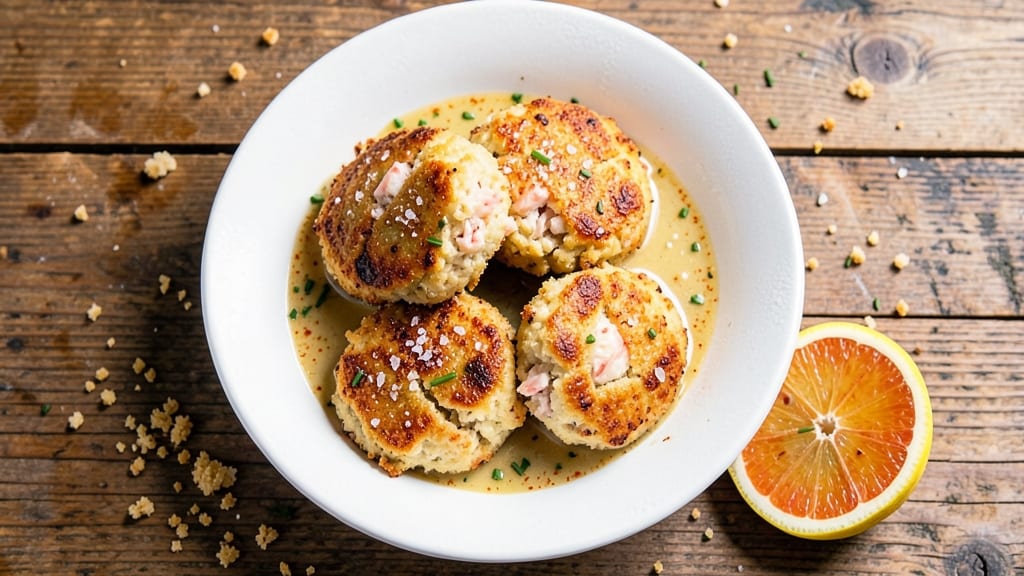
This Louisiana crab cake recipe delivers the bold flavors and crispy texture that define Gulf Coast seafood—juicy centers wrapped in a spicy remoulade crust that crackles with every bite.
The secret lies in balancing fresh crab meat with just enough binder to hold its shape while maintaining that signature tender crunch. I've perfected this technique over years of testing, ensuring the crab stays plump and the crust stays golden, not greasy.
The foundation of great Louisiana crab cakes begins with high-quality crab meat—either lump or claw meat works best—and a proper binder ratio of mayo and panko. What sets these apart is the remoulade crust, which combines classic Cajun seasoning with a touch of hot sauce for that signature kick.
The key technique? Chilling the mixture before frying to prevent crumbling, then cooking in small batches for even browning.
By the time you plate these crab cakes, you'll have golden-brown patties with crispy edges and succulent centers that melt in your mouth. The remoulade crust adds layers of spice and tang, while the crab's natural sweetness shines through.
Serve with a side of creamy coleslaw or a zesty lemon wedge to cut through the richness—this is the kind of dish that makes seafood night feel like a celebration.
Whether you're hosting a dinner party or treating yourself to a special meal, this recipe scales perfectly for any occasion. The instructions are designed to be beginner-friendly while delivering restaurant-quality results. Let's get cooking—your taste buds won't be disappointed.
Ingredients for louisiana crab cake
Four juicy crab cakes with a crispy remoulade crust—just 13 ingredients, no shortcuts.
| Ingredient | Amount | Notes |
|---|---|---|
| Fresh Lump Crab Meat 🦀 | 1 ½ lbs | Backfin or claw meat preferred |
| Mayonnaise 🥛 | ½ cup | Dijon or classic mayo works |
| Panko Breadcrumbs 🍞 | ½ cup | Japanese-style for extra crunch |
| Fresh Lemon Juice 🍋 | 2 tbsp | From 1 medium lemon |
| Cayenne Pepper 🌶️ | ½ tsp | Adjust for heat preference |
| Cajun Seasoning 🌶️ | 1 ½ tbsp | Store-bought or homemade blend |
| Hot Sauce 🌶️ | 1 tbsp | Crystal or Tabasco preferred |
| Extra-Virgin Olive Oil 🫒 | ¼ cup | For frying, 350°F |
| Large Eggs 🥚 | 1 whole | Beaten for binding |
| Chopped Green Onion 🧅 | 2 tbsp | White and green parts |
| Salt 🧂 | ½ tsp | Kosher or sea salt |
| Black Pepper 🌶️ | ¼ tsp | Freshly ground preferred |
| All-Purpose Flour 🌾 | 2 tbsp | For dredging |
The crab meat makes or breaks this dish. Fresh lump or claw meat is non-negotiable—pre-packaged stuff often has additives that make the cakes dense. I always grab mine from Trader Joe's or a high-end seafood market (look for bright orange color, no fishy smell). If using frozen, thaw it overnight in the fridge, then drain very well—excess moisture ruins the texture. For the Cajun seasoning, Tony Chachere's is the gold standard, but any good blend with paprika, garlic, and cayenne works. The panko? Japanese-style stays crispier than regular breadcrumbs—don't skip this upgrade.
No lump crab? Claw meat or even imitation crab in a pinch (though texture won't be identical). Short on mayo? Greek yogurt works at double the amount—just add a splash of lemon to balance. The remoulade crust needs that hot sauce kick—Crystal or Tabasco are classic, but Louisiana-style hot sauce like Crystal takes it to the next level. For the flour dredge, I always use all-purpose flour (not self-rising)—it creates that perfect golden crust. Pro tip: Chill the mixture for 30 minutes before frying—this prevents crumbling and ensures juicy centers.
These crab cakes reheat beautifully—just 10 minutes at 350°F to restore crispiness. Store leftovers in an airtight container with a paper towel on top (keeps them dry for up to 3 days). For freezing, assemble the cakes, then freeze on a tray before transferring to a bag—this prevents sticking. One batch makes 4 perfect appetizers, but I always double it for parties. Serve with lemon wedges and extra hot sauce on the side—trust me, you'll want it.
Why You'll Love This Recipe
- No-Fuss Assembly: I swear, these crab cakes take less effort than making a sandwich. Just mix the fluffy lump crab with mayo, a squeeze of lemon, and a whisper of cayenne—then fold in the panko. No chopping, no kneading, no stress.
- Creamy Heat Magic: That first bite? Crispy outside, tender inside, with a zesty kick from the lemon and cayenne. The panko adds texture, but the real star is the crab—sweet, briny, and packed into every bite like a coastal hug.
- Party in a Pan: Serve them as appetizers for game day, slap them on a charcuterie board, or turn them into a full meal with a remoulade sauce. Honestly, I’ve made these for everything from casual dinners to holiday gatherings—and they never disappoint.
- Leftovers That Don’t Suffer: Unlike some recipes, these actually taste better the next day. Store them in the fridge, reheat in a skillet for 2 minutes, and they’re crispy again. (Yes, even on a Tuesday night.) Plus, they freeze like a dream for when you’re too lazy to cook.
Step-by-step instructions for Louisiana crab cakes
Here's how to make crab cakes with a spicy crust and moist centers that stay juicy every time.
Prepare the Crab Mixture
In a large mixing bowl, gently combine the 1.5 lbs fresh lump crab meat with the 0.5 cup mayonnaise using your hands. You want to work the crab meat just enough to distribute the mayo evenly—don't overmix or you'll break down the texture. Add the 2 tbsp fresh lemon juice, 1.5 tbsp Cajun seasoning, 1 tbsp hot sauce, and 0.5 tsp cayenne pepper. Mix lightly until everything is just incorporated.
Next, fold in the 2 tbsp chopped green onion, being careful to keep the pieces intact. The acidity from the lemon juice will help tenderize the crab slightly while keeping it moist. I like to taste the mixture at this point to adjust seasoning—add a pinch more cayenne or hot sauce if you prefer extra kick. Cover the bowl and refrigerate for at least 30 minutes to let the flavors meld.
Create the Spicy Remoulade Crust
In a separate small bowl, whisk together the 0.5 cup panko breadcrumbs, 2 tbsp all-purpose flour, 0.5 tsp salt, and 0.25 tsp black pepper. This creates the crispy exterior that will contrast beautifully with the juicy crab interior. In another bowl, beat the 1 whole large egg until just combined—this will help bind the crust to the crab cakes.
Here's the thing—don't skip the flour in the crust mixture. It helps absorb moisture and creates a better seal, preventing the crab cakes from falling apart during frying. If you're worried about the crust being too thick, you can lightly press the mixture into the crab cakes rather than coating them heavily.
Form and Chill the Crab Cakes
Using your hands, gently shape the crab mixture into 4 equal patties, about 3/4-inch thick. I make them slightly larger than needed since they'll shrink a bit during cooking. Place each patty on a parchment-lined baking sheet and refrigerate for another 15 minutes. This chilling step is crucial—it helps the crab cakes hold their shape during frying and prevents them from crumbling.
While they chill, preheat your oven to 200°F. This warm oven will come in handy later for keeping the finished crab cakes warm while you fry the rest. The chilled crab cakes will also fry more evenly, giving you that perfect golden-brown crust on the outside while keeping the inside juicy.
Fry to Golden Perfection
Heat the 0.25 cup extra-virgin olive oil in a large skillet over medium heat until it reaches 350°F. You'll want to use a deep-fry thermometer for accuracy—this is the sweet spot for crispy crusts without burning the outside before the inside cooks through. Working in batches if needed, carefully place the chilled crab cakes in the hot oil.
Fry for 2-3 minutes per side until golden brown and crispy. You'll know they're ready when the crust turns a deep golden color and the internal temperature reaches 145°F. Don't overcrowd the pan—this will lower the oil temperature and result in greasy crab cakes instead of crispy ones. Transfer the cooked crab cakes to a paper towel-lined plate to drain excess oil, then place them in your preheated 200°F oven to keep warm while you fry the remaining batches.
Serve Immediately for Maximum Juiciness
Serve the crab cakes immediately while they're still hot and crispy. The contrast between the spicy remoulade crust and the juicy crab meat is what makes these Louisiana-style crab cakes so special. I like to serve them with a side of lemon wedges for squeezing over the top and a simple green salad to balance the richness.
Here's a pro tip: If you notice the crust starting to soften as they sit, you can quickly reheat them in the oven for 2-3 minutes at 375°F to restore that crispy texture. But honestly, they're best served straight from the fryer while everything is at its peak—juicy centers, crispy crust, and that perfect spicy kick.
Pro Tips For Making Louisiana Crab Cake
- Chill the Mixture: After mixing the crab, mayo, and lemon juice, pop the batter in the fridge for 15-20 minutes. I used to skip this, but the cold slows down the mayo’s separation and makes the cakes hold together better—no more crumbling disasters when flipping.
- Press Panko Hard: When shaping the cakes, pack the panko firmly into the mixture—don’t just sprinkle it on top. The extra density creates that crispy crust we all love, and it keeps the crab from oozing out while frying. (Yes, it takes a little elbow grease.)
- Fry in Batches: Resist the urge to crowd the pan—cook them in small batches over medium-high heat. Overloading steams the cakes instead of searing them, and you’ll end up with soggy bottoms. A single cake should sizzle loudly for 2-3 minutes per side.
- Lemon Juice First: Add the lemon juice last to the crab mixture, just before forming the cakes. The acid breaks down faster when mixed early, turning your bright yellow batter into a dull gray—trust me, you’ll notice the difference in flavor.
Pro cooking tips for great louisiana crab cake
Binder Balance
The secret to perfect Louisiana crab cakes lies in the crab-to-binder ratio. I use 1.5 lbs crab meat with just 0.5 cup mayo—this keeps the texture light and prevents dryness. Too much binder makes them dense; too little causes crumbling.
For extra insurance, I fold in 1 beaten egg when forming the crust mixture. This adds just enough structure without overpowering the crab flavor. 🦀
Chill Time Matters
Never skip the 30-minute chill before frying—this is non-negotiable for texture. The cold mixture holds its shape better, preventing messy crumbles in hot oil. I also refrigerate the formed patties for 15 extra minutes before cooking.
This firmness ensures even browning and that coveted crispy crust. Pro move: Place chilled patties on a wire rack over ice for 5 minutes before frying for maximum crispiness.
Oil Temp Control
Use a deep-fry thermometer to maintain 350°F oil temperature—any lower gives greasy cakes, any higher burns the crust before the center cooks. I heat 0.25 cup olive oil in a 12-inch cast-iron skillet (like my Lodge Pre-Seasoned) for even heat distribution.
Test with a wooden chopstick: if bubbles form around it but don't pop violently, your oil is ready. 🌡️
Batch Frying
Cook 2-3 minutes per side in batches—overcrowding drops oil temp and steams the cakes instead of frying. I fry two at a time in my skillet, then transfer to a 200°F oven while finishing the rest.
This keeps them warm without losing crispness. For extra insurance, place cooked cakes on a wire rack instead of paper towels to maintain crunch.
Remoulade Crust Hack
The crust needs flour + panko for structure. I mix 0.5 cup panko with 2 tbsp flour—this combo creates a lighter crust than panko alone. For extra flavor, I add 1 tsp smoked paprika to the crust mixture.
Press it gently onto the crab cakes rather than coating heavily—this prevents falling apart while keeping the texture crispy.
Doneness Test
Crab cakes are done when they reach 145°F internally and develop a deep golden crust. I check with an instant-read thermometer inserted into the thickest part.
If the crust starts softening while resting, pop them back in a 375°F oven for 2-3 minutes to restore crispness. Serve immediately—they lose their magic waiting. ✨
Nutrition facts
Frequently asked questions
What's the best type of crab meat for Louisiana-style crab cakes?
Use fresh lump or claw meat for the best texture—it stays plump and holds its shape during frying. Pre-packaged crab meat often contains additives that make the cakes dense. If fresh isn't available, high-quality frozen crab meat works, but be sure to thaw it completely and drain it very well before using.
Can I bake these crab cakes instead of frying?
Yes! For a lighter version, bake at 400°F for 12-15 minutes on a wire rack over a baking sheet. Brush with a little olive oil first for crispiness. However, frying gives that signature crispy crust—if you bake, expect a slightly softer texture. The remoulade crust still works beautifully either way.
Why do my crab cakes fall apart when frying?
This usually happens from one of three issues: overmixing the crab meat (breaking down its texture), skipping the chill time (mixture is too warm), or too much binder (like extra mayo). Stick to the 1.5 lbs crab to 0.5 cup mayo ratio and always chill the mixture for 30+ minutes before frying.
How do I make these crab cakes extra crispy?
For maximum crunch, chill the formed patties on a wire rack over ice for 5 minutes before frying. Use a mix of panko + flour in the crust (never just panko alone), and maintain 350°F oil temperature using a thermometer. Press the crust mixture gently onto the cakes rather than coating heavily—this creates a better seal.
What's the best way to reheat leftover crab cakes?
Place them on a baking sheet and reheat at 375°F for 2-3 minutes to restore crispiness. Avoid microwaving—they'll turn soggy. For extra insurance, reheat them in the oven while still on a wire rack (not paper towels) to maintain that crispy texture. Leftovers keep well in an airtight container for 3 days.