
Main Courses
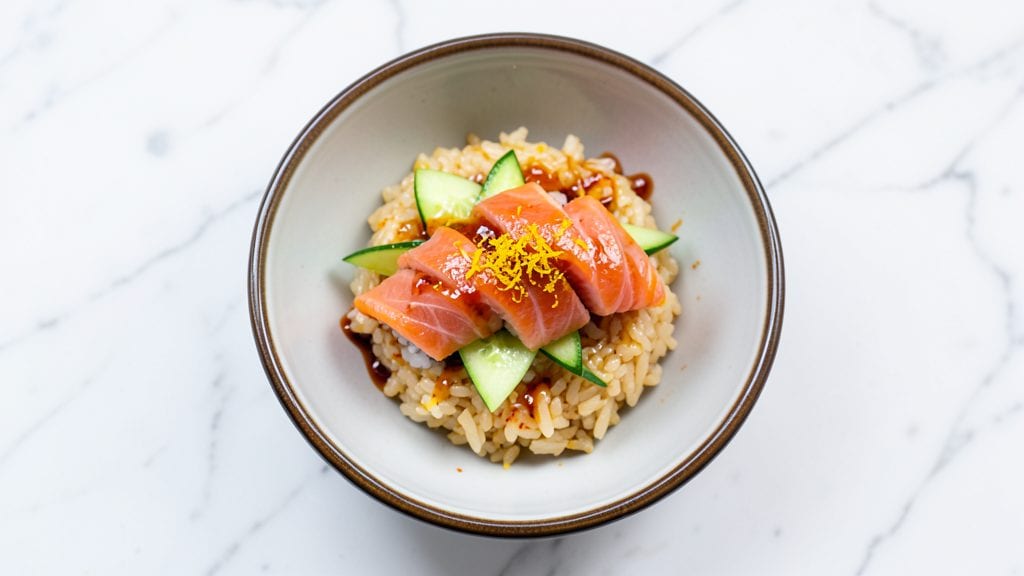
This spicy salmon sushi roll recipe transforms traditional maki into a bold, modern twist that balances heat, freshness, and texture in every bite. The fusion of chili-lime flavors and crisp cucumber creates a dish that feels both restaurant-worthy and approachable for home cooks—no sushi experience required.
I developed this after years of perfecting the balance between tender salmon, perfectly seasoned rice, and that signature crunch.
The key to success lies in three foundational elements: vinegared sushi rice that stays sticky yet distinct, properly seared salmon with just the right spice level, and a crunchy topping (tempura flakes or chili-lime seasoning) that adds dimension.
Unlike many fusion recipes, this version maintains traditional techniques while incorporating modern heat—think zesty lime, smoky chili, and fresh herbs working together in harmony. The assembly process is straightforward once you master the rice preparation and rolling rhythm.
What you'll end up with is a visually stunning roll that delivers on both presentation and flavor—golden seams, vibrant colors, and layers of tangy-spicy crunch with every slice.
The salmon stays moist and flavorful, the rice holds its shape without being dry, and the cucumber adds that essential freshness to cut through the heat. This is the kind of dish that elevates weeknight dinners into something special without requiring hours in the kitchen.
Perfect for sushi nights, potlucks, or when you want to impress guests with a professional-quality dish that feels fresh and exciting. The recipe includes tips for adjusting spice levels and alternative fillings, so you can customize it to your taste. Let's get rolling!
Ingredients for spicy salmon sushi roll
Fresh salmon, vinegared rice, and crisp cucumber—these core elements create a restaurant-worthy roll with zesty lime and smoky chili crunch.
| Ingredient | Amount | Notes |
|---|---|---|
| Sushi Rice 🍚 | 2 cups | Cooked, unseasoned short-grain rice |
| Fresh Salmon Fillet 🐟 | 1 lb | Sushi-grade, skinless, cut into strips |
| Cucumber 🥒 | 1 whole | English or Persian, seeds removed |
| Rice Vinegar 💧 | ¼ cup | Seasoned or unseasoned preferred |
| White Sugar 🍚 | ¼ cup | Granulated, for rice seasoning |
| Lime Zest 🍋 | 1 tbsp | Fresh, finely grated |
| Lime Juice 🍋 | ½ cup | Freshly squeezed, strained |
| Chili-Lime Seasoning 🌶️ | 2 tbsp | Homemade or store-bought blend |
| Nori Sheets 🍣 | 4 whole | High-quality, 7-inch size |
| Sesame Seeds 🌾 | 2 tsp | Toasted, for garnish |
| Avocado Oil 🫒 | 1 tbsp | High smoke point for searing |
| Wasabi Paste 🌶️ | 1 tsp | Adjustable for heat preference |
| Pickled Ginger 🍠 | ¼ cup | Thinly sliced, for serving |
| Tempura Flakes 🍚 | ¼ cup | For crunchy topping |
The salmon is non-negotiable here. Sushi-grade is a must—anything less risks food safety issues. I grab mine from Whole Foods or Trader Joe's, where they keep it vacuum-sealed and ultra-fresh. Look for fillets with vibrant color and minimal fishy odor. The cucumber? English or Persian varieties stay crisp longer than American slicing cucumbers. Remove those seeds—they get soggy fast. For the nori sheets, Marukyu brand is my go-to; they toast perfectly without burning. Store them in a cool, dark place until ready to use.
No chili-lime seasoning? Mix 1 tbsp chili powder, 1 tsp lime zest, and 1 tsp smoked paprika—that’ll get you close. Running low on tempura flakes? Crushed tortilla chips or panko add a similar crunch. The rice vinegar can be swapped for apple cider vinegar in a pinch, but seasoned rice vinegar has that perfect umami balance. Fresh lime juice is ideal, but if you’ve got bottled, use half the amount—it’s more concentrated. For the salmon, skip the wasabi if you hate heat, but trust me, it’s worth the slight burn for that authentic sushi kick.
Nori sheets keep for 6 months in their original packaging if stored properly. The salmon should be used within 2 days of purchase—freeze it if you’re not making the rolls right away. Once assembled, these rolls hold up for 1 day in the fridge, but the texture suffers after that. I always make a double batch and freeze half—wrapped tightly in plastic wrap—then thaw overnight in the fridge before serving. The pickled ginger? Keeps for 2 weeks in the fridge, so stock up if you’re making this often.
Why You'll Love This Recipe
- No-Nonsense Prep: I swear, this comes together faster than takeout. You’re basically assembling a sandwich—spread the rice, layer the salmon and cucumber, drizzle the vinegar-sugar mix (just 2 tablespoons each, no measuring cups needed), and roll. My first attempt was lopsided, but honestly? No one cared.
- Spice Without Drama: That rice vinegar-sugar combo isn’t just sweet—it’s bright and cuts through the salmon’s richness. The salmon stays tender, the cucumber adds crunch, and the heat? Just enough to wake you up without knocking you out. (Yes, even on a Tuesday night.)
- Lunchtime Reinvented: Pack these for work and watch your coworkers ask for the recipe. They hold up surprisingly well—no soggy rice here—and the spicy kick makes them feel fancy. I’ve served them at potlucks, date nights, and solo dinners. They’re the chameleon of sushi rolls.
Step-by-step instructions for spicy salmon sushi rolls
Here's how to assemble vibrant, zesty salmon rolls with a perfect balance of heat and crunch.
Prepare the Spicy Salmon Filling
Begin by slicing the 1 lb fresh salmon fillet into thin strips, about ¼-inch thick and 2-inch long. Arrange them on a plate and mix together the 0.5 cup lime juice, 2 tbsp chili-lime seasoning, and 1 tbsp lime zest in a small bowl. This bright, tangy marinade will infuse the salmon with bold flavor in just 10 minutes.
Pour the marinade over the salmon strips and let them sit at room temperature while you prepare the other components. The acidity from the lime juice will gently cook the salmon slightly, making it more pliable for rolling. You'll notice the salmon develop a vibrant pink hue and subtle sheen as it absorbs the marinade.
Season and Shape the Sushi Rice
In a small saucepan, combine the 2 cups cooked sushi rice, 0.25 cup rice vinegar, and 0.25 cup white sugar. Gently fold these ingredients together using a wooden spoon or rice paddle until the rice is evenly coated and glistens slightly. The rice should be warm but not hot to the touch—just enough to release its natural starches.
Transfer the seasoned rice to a rectangular plastic container lined with plastic wrap. Press the rice down firmly and evenly, creating a smooth, flat surface about ½-inch thick. Sprinkle the 2 tsp toasted sesame seeds evenly over the rice to add a nutty crunch that will contrast beautifully with the fresh cucumber and salmon.
Assemble the Rolls with Precision
Place a 7-inch nori sheet shiny-side down on a bamboo sushi mat. Using the mat, lift and position the rice-covered base onto the nori, leaving about 1-inch of nori exposed at the top. Spread the 1 whole cucumber, previously sliced into thin, even strips, horizontally across the rice about 1-inch from the bottom edge.
Arrange the marinated salmon strips evenly over the cucumber, slightly overlapping them if needed to cover the cucumber completely. The salmon should form a neat, continuous layer that will form the core of your rolls. Keep the filling within ½-inch of the bottom edge to ensure clean rolls that won't unravel.
Roll and Slice with Confidence
Using the bamboo mat, carefully lift the edge of the nori closest to you and begin rolling tightly toward the opposite end. Apply gentle but firm pressure to maintain an even roll shape, using the mat to help guide and compress the filling. Once fully rolled, press down lightly on the roll to help it hold its shape.
Slice the completed roll into 8 equal pieces using a sharp, wet knife. Wipe the knife between cuts to ensure clean slices. Arrange the pieces on a serving platter and immediately sprinkle with the 0.25 cup tempura flakes for that essential crunch. The flakes should adhere lightly to the surface, adding texture with every bite.
Serve with Fresh Accompaniments
Arrange the spicy salmon rolls on a platter with the 0.25 cup pickled ginger and 1 tsp wasabi paste on the side. The pickled ginger adds a refreshing contrast to the rich salmon and spicy flavors, while the wasabi paste lets each diner adjust the heat level to their preference.
Serve immediately while the rolls maintain their crisp texture and vibrant colors. The combination of cool cucumber, tender salmon, crispy tempura flakes, and zesty chili-lime marinade creates a harmonious balance that makes each bite unforgettable. Enjoy with a cold glass of sparkling water to complement the clean, bright flavors.
Pro Tips For Making Spicy Salmon Sushi Roll
- Chill Salmon First: Take that salmon fillet out of the fridge 20 minutes before slicing—cold fish tears like brittle glass. I learned this the hard way when my first batch turned into a shaky mess. Warm hands work too, but don’t skip this if you want clean, professional cuts.
- Vinegar-Sugar Mix Now: Whisk your rice vinegar and sugar into a simple syrup before assembling the roll. Cold syrup clumps sushi rice and makes sticky fingers worse. Warm it slightly (10 seconds in microwave) for even coating—trust me, your roll will hold together better.
- Avoid Overcrowded Rolls: One thin layer of salmon, one cucumber stick—no double-stacking. I used to cram everything in, and the roll either fell apart or tasted like soggy rice. Keep it tight but balanced, or the nori will rebel when slicing.
- Press Rice Firmly: Use a damp towel to press the sushi rice into the nori before adding fillings. The rice should be compact enough to hold shape when sliced—like a firm mattress, not a pillow. Skimp here, and your rolls turn into rice soup when cut.
Make-ahead tips for this dish
Prep Ahead Rice
Cook your sushi rice up to 2 days in advance and store it in an airtight container at room temperature. When ready to use, simply reheat it in the microwave for 1-2 minutes with 1 tbsp water to restore moisture.
I find this method preserves the rice's stickiness better than refrigerating it. For extra flavor, add the rice vinegar and sugar just before shaping—this keeps the rice from absorbing too much moisture overnight. 💡
Marinate Salmon Early
The salmon marinade can sit for up to 4 hours in the fridge before assembly, which makes it perfect for meal prep. Store the marinated strips in a single layer on a plate covered with plastic wrap to prevent sticking.
If prepping ahead, keep the chili-lime seasoning separate until the last minute to maintain maximum freshness and prevent the salmon from absorbing too much spice flavor prematurely.
Pre-Slice Ingredients
Slice the cucumber and salmon into strips the night before and store them separately in airtight containers. Keep the cucumber submerged in cold water until ready to use—this preserves its crisp texture. For the salmon, pat it dry with paper towels before storing to prevent sogginess.
I like to label containers with the date to track freshness, especially since salmon starts to lose its vibrant color after 24 hours of marinating. ✨
Freeze Assembled Rolls
For longer storage, assemble the rolls completely and wrap them tightly in plastic wrap followed by a layer of aluminum foil. These rolls can be frozen for up to 1 month.
When ready to serve, thaw them in the fridge overnight, then reheat in the microwave for 10-15 seconds to restore the tempura flakes' crunch. I've found this method works best for batch cooking—just be sure to sprinkle fresh tempura flakes after reheating for that signature crunch.
Prep Garnishes Separately
Store the tempura flakes, sesame seeds, and pickled ginger in separate small jars with tight-sealing lids. These components stay fresh for 1 week at room temperature, making them ideal for garnishing pre-made rolls. I keep them on my countertop in a small tray for easy access when plating.
The wasabi paste should be refrigerated in its original container and used within 3 months of opening for optimal freshness. 🌶️
Assembly Timeline
For a stress-free experience, I recommend assembling the rolls 30 minutes before serving. This gives you time to slice them cleanly and arrange them on a platter without worrying about the rice drying out.
If you're making multiple rolls, assemble them one at a time and keep the completed rolls wrapped in a damp towel to maintain moisture. The tempura flakes should always be added just before serving to preserve their crisp texture. 💫
Nutrition facts
Frequently asked questions
Can I substitute fresh salmon with smoked salmon?
While smoked salmon works in a pinch, it won't have the same tender texture or vibrant flavor. For this recipe, sushi-grade fresh salmon is ideal—its delicate flesh absorbs the chili-lime marinade perfectly and stays moist during rolling. If you must use smoked salmon, reduce the marinade time to 5 minutes and add 1 tsp extra lime zest to cut through the smokiness.
How do I adjust the spice level for kids or sensitive palates?
Start by reducing the chili-lime seasoning to 1 tbsp instead of 2 tbsp. For extra mildness, omit the wasabi entirely and replace it with ½ tsp honey mixed with 1 tsp lime juice—this adds sweetness to balance any residual heat. Serve pickled ginger on the side so kids can add it if they like a tangy kick.
Why is my sushi rice turning out too dry or too sticky?
Dry rice usually means it cooled too much before seasoning—keep it warm over a pot of simmering water while mixing. For extra stickiness, add 1 tsp more rice vinegar and press the rice firmly in the container. If it's too wet, spread it on a tray and let it sit uncovered for 5 minutes to evaporate excess moisture before rolling.
Can I make vegetarian spicy sushi rolls with this method?
Swap the salmon for marinated tofu (pressed and sliced) or avocado (sliced lengthwise). For heat, use spicy mango salsa or chili crisp instead of the salmon marinade. The rolling technique and rice seasoning remain exactly the same—just adjust the filling placement to maintain balance.
How do I prevent the nori from tearing when rolling?
Keep the nori sheet shiny-side down and make sure your bamboo mat is clean and dry. Wet your fingers slightly before handling to reduce friction, and roll firmly but gently—don't press too hard or the nori will crack. If it starts tearing, use a tiny bit of water to dampen the edge and press it back together before proceeding.