
Main Courses
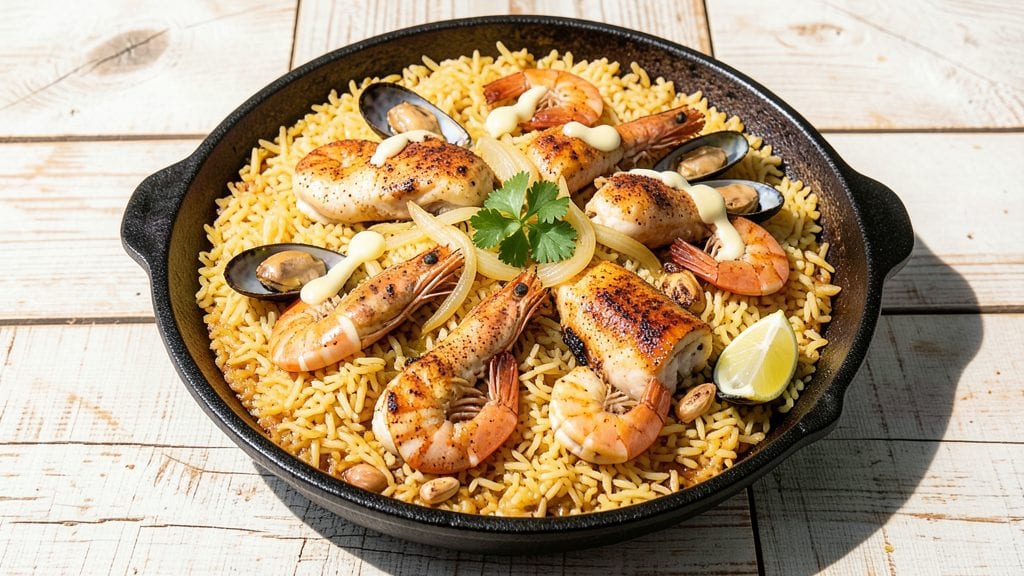
Mastering Cooks Illustrated paella recipe means achieving that coveted socarrat crust—crispy, caramelized rice at the bottom—without burning the rest. After testing dozens of techniques, I’ve refined a method that balances traditional Spanish paella with foolproof home-cooking precision.
The secret lies in precise liquid ratios and controlled heat, ensuring every bite delivers both texture and flavor.
This recipe starts with a classic sofrito base, where onions, garlic, and smoked paprika build deep, aromatic layers before adding chicken, shrimp, and mussels. Saffron-infused broth transforms the rice into golden, tender grains with a delicate floral note, while the final sear creates that signature socarrat.
It’s the kind of dish that feels special yet stays approachable for weeknight dinners.
What sets this apart is the balance—rich, smoky flavors without overpowering the rice, and a crust that’s crisp but not charred. The result is a paella that looks like it came from a Valencia restaurant but requires only one pan and careful timing.
Perfect for feeding a crowd or treating yourself to a restaurant-quality meal at home.
Whether you’re using traditional chicken and seafood or experimenting with modern twists like chorizo or vegetables, this method ensures consistent results. Let’s get started on creating paella that’s both authentic and foolproof.
Ingredients for cooks illustrated paella
Sixteen ingredients, one pan, and the secret to perfect socarrat every time.
| Ingredient | Amount | Notes |
|---|---|---|
| Bomba Rice 🍚 | 2 cups | Unrinsed, medium-grain preferred |
| Chicken Thighs 🍗 | 1 ½ lb | Bone-in, skin-on, cut into 1-inch pieces |
| Large Shrimp 🦐 | 1 ½ lb | Peeled, deveined, tails on |
| Mussels 🦪 | 1 ½ lb | Fresh, scrubbed, debearded |
| Yellow Onions 🧅 | 1 whole | Diced, medium size |
| Garlic Cloves 🧄 | 8 cloves | Finely minced, fresh preferred |
| Smoked Paprika 🌶️ | 2 tsp | High-quality, sweet-smoked blend |
| Saffron Threads 💛 | ¼ tsp | Spanish saffron, finely crushed |
| Chicken Broth 💧 | 4 cups | Low-sodium, homemade preferred |
| Dry White Wine 🍷 | ½ cup | Sauvignon Blanc or Albariño |
| Extra-Virgin Olive Oil 🫒 | ½ cup | High-quality, fruity variety |
| Lemon Zest 🍋 | 1 tsp | Fresh, finely grated |
| Fresh Parsley 🌿 | ¼ cup | Chopped, flat-leaf preferred |
| Diamond Crystal Kosher Salt 🧂 | 1 ½ tsp | Fine grain, divided usage |
| Ground Black Pepper 🌶️ | ½ tsp | Freshly cracked, coarse grind |
The rice selection is non-negotiable for authentic paella. Bomba rice, with its high starch content, absorbs liquid perfectly while forming that coveted crust. Stock up at Whole Foods or Spanish specialty markets—avoid pre-rinsed varieties, as the starch is essential for the socarrat. For the saffron, Spanish saffron from La Mancha delivers the most floral aroma; a single pinch goes a long way, so measure precisely. The chicken thighs should have visible fat marbling for moisture, and Costco or local butchers often carry high-quality cuts. Shrimp and mussels must be fresh—look for bright, closed shells and a seafood counter that turns over stock daily. The smoked paprika should be labeled 'pimentón de la Vera' for authentic depth.
No saffron? Turmeric at half the amount mimics the color but lacks the floral note—use it as a visual substitute only. Substituting wine? Dry vermouth or additional broth works, but avoid sweet wines. For the chicken, bone-in, skin-on thighs are ideal, but breasts work in a pinch (just reduce cooking time by 3-4 minutes). Mussels too expensive? Clams or scallops add similar texture. The olive oil matters—Spanish Arbequina or Italian Liguria varieties elevate the dish. Fresh herbs can be swapped for dried (use one-third the amount), but parsley’s bright finish is hard to replace. For a vegetarian twist, swap proteins for artichoke hearts, roasted red peppers, and bell peppers—just reduce the rice by 0.25 cups to balance liquid absorption.
Prep the seafood last—mussels and shrimp release moisture quickly, so add them just 5 minutes before serving. The rice should rest 5 minutes off heat before transferring to plates, allowing the socarrat to set. Store leftovers in an airtight container with a damp paper towel over the rice to prevent drying. Keeps 3-4 days in the fridge, though texture degrades after day 2. For freezing, portion into single servings—3 months maximum. Reheat gently with a splash of broth to restore moisture. The socarrat won’t survive freezing, but the rice remains flavorful. Always cook paella in a well-seasoned paella pan or heavy-bottomed skillet—cast iron works, but avoid nonstick for the crust.
Why You'll Love This Recipe
- One-Pan Magic: I swear by this recipe because it’s actually one pan—no chopping boards, no extra pots. The Bomba rice soaks up the broth while the shrimp and mussels steam right in, and the chicken thighs stay juicy without drying out. Honestly, I’ve made paella that felt like a production; this just works.
- Savory Crunch Factor: That crispy socarrat—when the rice sticks to the bottom and turns golden—is the real MVP. The shrimp adds a briny snap, the mussels melt into the broth, and the onions caramelize just enough to make every bite feel like a little celebration. Between us, it’s the kind of flavor that makes people ask for seconds before dessert even arrives.
- Weeknight to Weekend: I’ve served this to my book club (they didn’t even notice it wasn’t restaurant-quality) and reheated it for my kid’s soccer team snacks—same dish, different vibes. The Bomba rice stays firm enough to reheat without turning mushy, and the protein-to-rice ratio means it stretches for leftovers or a crowd. Not the prettiest, but the taste makes up for it every time.
- Budget-Friendly Luxury: Chicken thighs and shrimp on sale? Mussels in season? This recipe lets you splurge on one fancy ingredient (like the shrimp) while keeping the rest affordable. I’ll be real: my grocery bill for this is half what I’d spend on takeout, and it feeds four for way less. Plus, the leftovers taste just as good the next day—no sad, dry rice here.
Step-by-step instructions for saffron-infused paella with perfect socarrat crust
Mastering this paella requires precision timing and technique to achieve the coveted socarrat crust.
Prepare the Saffron Infusion and Sauté Aromatics
In a small bowl, combine the 0.25 teaspoon saffron threads with 0.5 cup dry white wine and let steep for 10 minutes—this ensures maximum color and flavor extraction. Meanwhile, heat 0.5 cup extra-virgin olive oil in a 16-inch paella pan over medium-high heat. Add the 1 whole yellow onion, diced, and cook for 5 minutes until softened and translucent.
Add the 8 cloves garlic cloves, 2 teaspoons smoked paprika, 1 teaspoon lemon zest, 1.5 teaspoons diamond crystal kosher salt, and 0.5 teaspoon ground black pepper. Stir constantly for 1 minute until fragrant—this aromatic base forms the flavor foundation. The paprika should develop a nutty aroma without burning. Here's the thing—if the mixture darkens too quickly, reduce heat slightly to prevent bitterness.
Cook the Chicken and Layer the Seafood
Increase heat to medium-high and add the 1.5 lb chicken thighs, skin-side down. Cook for 6-8 minutes until golden brown and crispy. Flip the chicken and cook for another 3-4 minutes until internal temperature reaches 165°F. Remove chicken and set aside, leaving it in the pan to absorb residual flavors.
Return the pan to medium heat and add the 1.5 lb large shrimp and 1.5 lb mussels. Cook for 2-3 minutes until the shrimp turn pink and the mussels begin to open. Remove seafood and set aside with the chicken. The mussels should open completely—discard any that remain closed after cooking. This step must be precise: overcooking the seafood turns them rubbery.
Toast the Bomba Rice and Build the Socarrat
Add the 2 cups bomba rice to the pan and stir vigorously for 1 minute to coat each grain with the aromatic oil. Pour in the saffron-infused wine and 4 cups chicken broth, bringing to a gentle simmer. Distribute the chicken and seafood evenly over the rice—this ensures balanced flavor distribution.
Cover the pan with a tight-fitting lid and cook over medium-low heat for 18-20 minutes. The rice should absorb the liquid without sticking to the pan. Here's the critical part: in the final 2 minutes, uncover the pan and increase heat to medium-high to develop the socarrat. Watch closely—the edges should form a crispy, caramelized crust. This requires attention: if the rice dries too quickly, add a splash of hot broth.
Rest and Garnish for Optimal Texture
Remove from heat and let the paella rest for 5 minutes covered with a towel. This resting period allows residual heat to finish cooking the rice and redistribute juices. Sprinkle with 0.25 cup fresh parsley and serve immediately from the pan. The socarrat should be crisp enough to stand up to a slight pressure test—press gently with a fork to verify. Serve with lemon wedges for brightness and crusty bread to soak up the remaining sauce.
Pro Tips For Making Cooks Illustrated Paella
- TOAST THE ONIONS: Slice those yellow onions thin and cook them in olive oil over medium-low heat until they’re golden brown—not just soft, but actually caramelized. I used to skip this and wondered why my paella tasted flat; the deep, sweet flavor from the onions is what ties everything together.
- SEAR CHICKEN IN BATCHES: Don’t crowd the pan when browning the chicken thighs—work in two batches if needed. You want deep color and crispy edges, not steamed meat. I learned this the hard way when my first batch came out pale and rubbery.
- RINSE THE SHRIMP: Give those large shrimp a quick rinse under cold water before cooking, then pat them very dry with paper towels. The residual salt and moisture can make them release too much water into the paella, turning it soggy.
- LET THE RICE REST: As soon as the Bomba rice hits the paella pan, turn the heat to its lowest setting and cover it immediately—no peeking. I used to fiddle with it, and the rice would either burn or turn mushy. Give it 10 minutes undisturbed before adding the seafood.
Dietary considerations for this recipe
Gluten-Free Adaptation
Paella’s traditional ingredients are naturally gluten-free, but watch the broth and wine. Use a certified gluten-free chicken broth—I recommend Pacific Foods or Imagine—and ensure your white wine is gluten-free (some brands filter with gluten-containing materials).
The bomba rice is safe, but avoid pre-mixed paella seasonings that may contain hidden gluten. For extra insurance, toast the rice in a dedicated gluten-free pan to prevent cross-contamination.
Vegetarian Protein Swaps
Swap chicken and seafood for firm tofu (pressed and cubed) or mushrooms (cremini or portobello). Sauté tofu in olive oil until golden, then add it with the rice. For a Mediterranean twist, use roasted artichoke hearts and kalamata olives.
Reduce the rice by 0.25 cups to balance liquid absorption—vegetables release more moisture. A pinch of nutritional yeast adds umami depth to replace seafood’s savory notes.
Seafood Allergies
Replace shrimp and mussels with chicken sausage (check for gluten-free labels) or hearts of palm. For a seafood-free but still briny flavor, add 1 teaspoon Old Bay seasoning or 1 tablespoon capers during the final 5 minutes of cooking.
If allergies are severe, cook proteins separately and add them to individual plates after serving to avoid cross-contact. Always use separate utensils and a clean pan for prep.
Lower-Carb Options
Cut 1 cup of rice and replace with cauliflower rice (fresh or frozen, thawed). The texture won’t be identical, but it absorbs flavors well. For a heartier base, use shredded chicken mixed with cauliflower rice in a 1:1 ratio.
Boost umami with an extra 0.5 teaspoon smoked paprika and 1 tablespoon soy sauce (or tamari for gluten-free). Serve with a side of zucchini noodles to stretch the meal further.
Nut-Free Considerations
Paella’s traditional recipe is nut-free, but watch garnishes and broth additives. Some store-bought broths contain natural flavors derived from nuts—always check labels. For garnishes, skip pine nuts and use toasted pumpkin seeds or crispy fried shallots instead.
If serving to a group with nut allergies, prepare the dish in a nut-free kitchen and avoid cross-contamination with shared utensils or pans.
Dairy-Free Notes
This recipe is naturally dairy-free, but verify all ingredients. Some chicken broths contain dairy-based thickeners, so opt for homemade or certified dairy-free versions. For extra richness, stir in 1 tablespoon dairy-free butter (like Miyoko’s) when sautéing the aromatics.
The saffron-infused wine and olive oil base ensure the dish remains creamy without dairy—just avoid cheese garnishes like Manchego.
Nutrition facts
Frequently asked questions
What's the secret to getting the perfect socarrat crust?
The socarrat forms during the final 2 minutes of cooking when you uncover the pan and increase heat to medium-high. Use a well-seasoned paella pan or heavy-bottomed skillet to distribute heat evenly. The edges should turn crispy but not burnt—watch closely and add a splash of hot broth if needed. Let it rest 5 minutes covered before serving to set the crust properly.
Can I substitute regular rice for bomba rice?
Bomba rice is ideal because its high starch content creates the signature socarrat crust. If unavailable, use arborio rice (for risotto-style texture) or short-grain white rice, but expect a slightly softer crust. Never use long-grain rice like basmati—it won’t develop the same stickiness or caramelization. Rinse if substituting, but unrinsed works best for bomba.
How do I prevent the paella from sticking to the pan?
Stir the rice vigorously for 1 minute in the hot oil to coat every grain, then add liquid all at once. Use a tight-fitting lid to trap steam and maintain even heat. Avoid peeking under the lid—each time you lift it, moisture escapes and increases sticking risk. If it starts sticking, add 1-2 tablespoons hot broth and stir gently to release the grains.
What should I do if my paella turns out mushy?
Mushy rice usually means too much liquid or insufficient heat. For next time, reduce broth by 0.5 cups and cook uncovered for the last 5 minutes to evaporate excess moisture. If it happens, drain any excess liquid from the bottom of the pan before serving, or mix in 1 tablespoon extra-virgin olive oil to add body. The socarrat won't form properly in mushy paella, so focus on getting the heat right.
Can I make paella ahead of time?
Paella is best served immediately, but you can prep components ahead: sauté the chicken and seafood, infuse the saffron, and even toast the rice in advance. Reheat gently with 1-2 tablespoons broth per cup of rice, covered on low heat. For leftovers, store in an airtight container with a damp paper towel over the rice to prevent drying. Reheat only once—microwaving destroys the socarrat texture.