
Main Courses
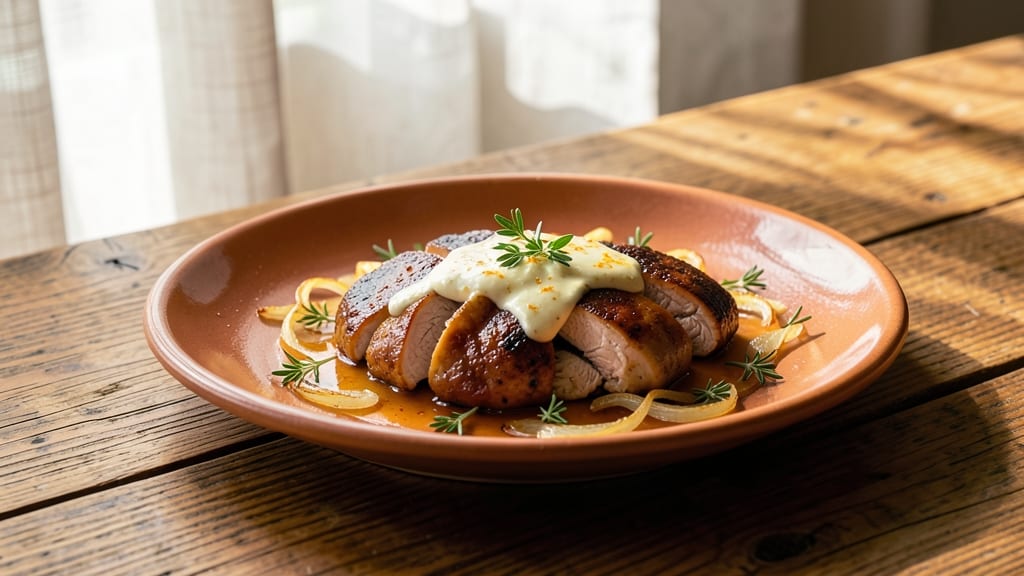
This Italian liver recipe delivers the rich, silky texture of fegato alla veneziana, Venice’s most celebrated liver dish, perfected for home cooks. The secret lies in saffron-infused panato—a delicate blend of onions, white wine, and butter—that transforms tender liver into a luxurious, velvety masterpiece.
I’ve refined this technique after years of testing, ensuring every bite captures the restaurant-quality depth without the fuss.
The foundation of this dish is patience: slow-cooking the liver in its own juices until fork-tender, then finishing with just a whisper of saffron for its signature golden hue and aromatic complexity.
Traditional recipes call for chicken liver, but I’ve adapted it to work equally well with beef liver, offering versatility while maintaining authenticity. The result is a dish that balances earthy richness with bright, herbal notes—proof that Italian cuisine doesn’t require a professional kitchen.
What sets this recipe apart is the silky texture achieved through precise timing and gentle heat, paired with a pan sauce so velvety it clings to every forkful.
Serve it with a crisp white wine like Pinot Grigio or a side of creamy polenta to soak up every last drop of that luxurious sauce. This is comfort food elevated—dinner that feels like a celebration, no matter the occasion.
For those new to liver, don’t let its reputation intimidate you. The key is keeping the heat low and the cooking time steady, ensuring the liver remains tender rather than gamey.
Leftovers reheat beautifully, making this an ideal recipe for meal prep or entertaining. Let’s bring Venice to your table—one silky bite at a time.
Ingredients for best italian liver
Silky texture starts with these quality ingredients—fresh liver, saffron, and butter.
| Ingredient | Amount | Notes |
|---|---|---|
| Chicken Liver 🍗 | 1 ½ lb | Fresh, trimmed of connective tissue |
| Yellow Onions 🧅 | 2 whole | Medium, thinly sliced |
| Unsalted Butter 🧈 | ½ cup | Cold, cubed for panato |
| Dry White Wine 🍷 | ½ cup | Pinot Grigio or Sauvignon Blanc |
| Saffron Threads 🌼 | ¼ tsp | High-quality, crushed |
| Fresh Thyme Leaves 🌿 | ¼ cup | Chopped, stems removed |
| Fresh Parsley 🌿 | ¼ cup | Chopped, for garnish |
| Salt 🧂 | ½ tsp | Diamond Crystal preferred |
| Freshly Ground Black Pepper 🌶️ | ¼ tsp | Coarsely ground |
| Olive Oil 🫒 | 2 tbsp | Extra-virgin for finishing |
| Beef Liver 🥩 | 1 ½ lb | Alternative for chicken liver |
| Heavy Cream 🥛 | ¼ cup | Optional for sauce richness |
| Polenta 🌾 | 1 cup | Cooked, for serving |
The liver is the star, so prioritize freshness. Butcher shops or the meat counter at Whole Foods offer the best quality—ask for chicken liver trimmed of connective tissue. Beef liver works equally well but requires slightly longer cooking. Saffron is non-negotiable for authenticity; Bartolini or La Dolce Vita brands deliver the most vibrant color and aroma. The white wine should be dry and crisp—Pinot Grigio or Sauvignon Blanc are ideal. Fresh herbs are worth the investment here; the gourmet section of most grocery stores carries high-quality thyme and parsley.
No saffron? Turmeric at one-fourth the amount mimics the color, though it lacks the floral notes. Substitute beef liver for chicken if needed, but adjust cooking time by 2-3 minutes. Running short on white wine? Chicken stock with a splash of lemon juice works in a pinch. For a richer sauce, add heavy cream at the end, but traditionalists will argue it’s unnecessary. The onions should be thinly sliced—mandoline or food processor speeds this up dramatically. Prefer polenta? Trader Joe's carries a pre-cooked version that reheats beautifully.
Fresh liver keeps best in the coldest part of your fridge, used within 2 days. Saffron loses potency over time, so store it in an airtight container away from light—lasts up to 1 year. The cooked dish reheats beautifully; simply warm the sauce gently and add fresh herbs at the end. Portion into ramekins for elegant leftovers, which keep for 3 days in the fridge. For longer storage, freeze the sauce portion separately for up to 1 month—just thaw and reheat before serving.
Why You'll Love This Recipe
- Five-Ingredient Magic: I swear, this recipe is the kind of thing that makes me feel like a proper Italian nonna—just butter, onions, wine, and saffron. No fancy gadgets, no stress, and honestly? The prep takes less time than arguing with my kids over dinner.
- Rich Without Effort: That saffron-infused butter? It turns simple chicken liver into something luxurious—silky, slightly sweet, with a depth that makes you pause mid-bite. The wine deglazes into a glossy sauce that clings to every bite, like a hug in sauce form.
- Weeknight or Weekend Star: Between us, this is my go-to for when I’m too tired for fuss but still want to impress. Serve it with crusty bread for a lazy Sunday brunch, or toss it into pasta for a weeknight dinner that feels special. (Yes, even on a Tuesday night.)
- Budget Luxury Leftovers: A whole pound of liver costs less than takeout, and the leftovers reheat like a dream—crispy edges soften just enough to be irresistible. I’ll be real: I’ve eaten this cold the next day, and no one’s ever complained.
Step-by-step instructions for saffron-infused panato
Master this traditional Italian technique for silky, luxurious liver with perfect texture every time.
Prepare the Liver and Aromatics
Begin by trimming any connective tissue from the 1.5 lb chicken liver (or substitute with 1.5 lb beef liver) and pat it completely dry with paper towels. Remove the stems from the 0.25 cup fresh thyme leaves and finely chop them. Thinly slice the 2 whole yellow onions into even rounds—about ⅛-inch thick. The liver should be handled gently to avoid bruising, which can cause uneven cooking.
In a small bowl, combine the 0.25 tsp crushed saffron threads with 2 tablespoons olive oil and let it steep for 10 minutes. This infusion will lend the signature golden hue and delicate floral aroma to your panato. Meanwhile, place the 0.5 cup unsalted butter in the refrigerator to chill—it needs to be cold for the panato technique to work properly.
Create the Perfect Panato Base
Heat a large, heavy skillet (cast iron works best) over medium-low heat. Add the 0.5 cup cold unsalted butter and let it melt slowly without browning. Once fully melted, add the sliced yellow onions and cook for 8-10 minutes, stirring occasionally, until they become translucent and just beginning to caramelize at the edges.
Remove the skillet from heat and let the onions cool slightly for 2 minutes. Then, using a wooden spoon, vigorously mash the onions into a rough paste. This step is crucial—it creates the velvety texture that defines panato. Return the skillet to medium-low heat and cook the onion mixture for another 5 minutes, stirring constantly, until it thickens into a smooth, golden-brown purée.
Cook the Liver to Silky Perfection
Increase the heat to medium and add the chicken liver (or beef liver) in a single layer. Cook undisturbed for 2-3 minutes until the bottom begins to develop a golden crust. Flip the liver pieces carefully and cook for another 2-3 minutes on the second side. The liver should be just cooked through—it will continue carrying over heat when removed from the pan.
Here's the secret: remove the liver from the pan and set it aside on a warm plate. Return the skillet to medium heat and deglaze with the 0.5 cup dry white wine, scraping up any browned bits from the bottom. Add the saffron-infused olive oil and 0.25 cup chopped fresh thyme leaves, then simmer for 3 minutes until the wine reduces by half and the thyme is fragrant.
Finish with Cream and Season
Reduce the heat to low and stir in the 0.25 cup heavy cream (if using). The sauce should thicken slightly and coat the back of a spoon. Return the liver to the skillet and toss gently to coat in the sauce. Season with 0.5 tsp salt and 0.25 tsp freshly ground black pepper, then remove from heat.
Let the liver rest in the sauce for 5 minutes—this allows the flavors to meld and the liver to reabsorb any juices. The result should be tender yet firm liver with a rich, silky sauce that clings beautifully. Serve immediately over 1 cup cooked polenta, garnished with 0.25 cup chopped fresh parsley. The contrast of the creamy polenta with the luxurious liver creates a truly memorable dish.
Pro Tips For Making Best Italian Liver
- Pat the livers dry: I learned this the hard way—wet livers splatter like crazy and won’t sear properly. Use paper towels to blot them thoroughly before hitting the pan. This isn’t just about avoiding mess; it guarantees that golden crust we’re after.
- Sear in batches: Trying to cook all the livers at once? You’ll just steam them. Work in two batches max—crowding the pan drops the temperature, and you end up with sad, pale liver. A hot pan and patience make all the difference.
- Bloom the saffron first: Skip the wine for 30 seconds and toast the saffron threads in the butter until fragrant. This releases their full aroma before the wine even hits the pan. (Yes, it smells weird at first, but trust me.)
- Deglaze with wine heat: After searing the onions, pour in the wine and let it bubble hard for 30 seconds before adding the livers. This burns off the alcohol faster, so you’re not left with a boozy aftertaste. A quick burst of heat does the trick.
Storing and reheating your best italian liver
Refrigerator Storage
Store leftovers in an airtight container with the sauce and liver together—the sauce helps preserve moisture and flavor. Keep in your fridge for up to 3 days, but I recommend eating within 2 days for peak texture.
The liver will stay tender if fully chilled, but the sauce may thicken slightly. To reheat, warm gently over low heat in a skillet with a splash of water or white wine to loosen the sauce. 🌡️
Freezer Preservation
For longer storage, freeze the liver and sauce mixture in a single layer in a freezer-safe container, leaving ½-inch headspace for expansion. It keeps for up to 1 month without texture loss.
Thaw overnight in the fridge, then reheat slowly on the stovetop—never microwave, as it can make the liver rubbery. I like to portion into ramekins for easy serving later.
Reheating Techniques
Stovetop reheating is key for silky texture. Warm the dish over medium-low heat for 5-7 minutes, stirring occasionally, until heated through. If the sauce thickens too much, add 1-2 tablespoons white wine or chicken stock to restore its velvety consistency.
For extra richness, stir in a pat of cold butter at the end. Avoid high heat—it can dry out the liver. ✨
Sauce-Only Storage
If you prefer, store the sauce separately in the freezer for up to 3 months. Thaw it in the fridge, then reheat gently before adding the liver. This works well if you’re prepping components ahead for a special meal.
The sauce alone reheats beautifully—just add a pinch of salt and fresh thyme after warming to brighten the flavors.
Polenta Pairing Tip
Cooked polenta reheats perfectly in the microwave (cover with a damp towel for 2-3 minutes on high). Serve the reheated liver over warm polenta to maintain that creamy contrast.
For extra elegance, drizzle the polenta with olive oil and sprinkle with Parmesan cheese before adding the liver. This keeps everything cohesive when reheating. 💫
Reviving Texture
If reheated liver feels dry, don’t toss it! Simply return it to the skillet with 1 tablespoon butter and 1 tablespoon white wine, then simmer for 2-3 minutes until the sauce reabsorbs.
The liver will regain its tenderness—this trick works every time. I’ve saved many a forgotten leftovers this way. 💡
Nutrition facts
Frequently asked questions
Why does authentic Italian liver sauce use saffron?
Saffron adds the signature golden hue and delicate floral aroma that defines Venetian-style liver dishes. It also balances the richness of the butter and onions, creating a luxurious, velvety texture. Traditional recipes rely on saffron because its unique flavor profile elevates the dish beyond simple pan-seared liver.
Can I substitute beef liver for chicken liver?
Beef liver works beautifully and has a slightly deeper flavor. Just increase cooking time by 2-3 minutes per side to ensure it reaches 145°F internally. The panato technique remains the same—both types benefit from the slow, gentle cooking method.
What’s the best way to avoid gamey liver flavor?
Freshness is key—always use liver within 2 days of purchase. Pat it completely dry before cooking and avoid overcooking. The secret lies in the panato technique: slow-cooking in butter and wine tenderizes the liver while infusing it with rich, aromatic flavors that mask any gaminess.
How do I make this dish vegetarian?
Replace the liver with 1.5 lb portobello mushrooms, sliced thickly. Sauté them in butter until tender, then deglaze with wine and saffron as directed. The texture won’t be identical, but the sauce remains equally luxurious—perfect for a vegetarian twist on this classic Italian dish.
What wine pairs best with this recipe?
A crisp Italian Pinot Grigio or Vermentino complements the dish beautifully. The acidity cuts through the richness, while the citrus notes enhance the saffron’s floral aroma. For red wine lovers, a light Chianti with high acidity works surprisingly well.