
Main Courses
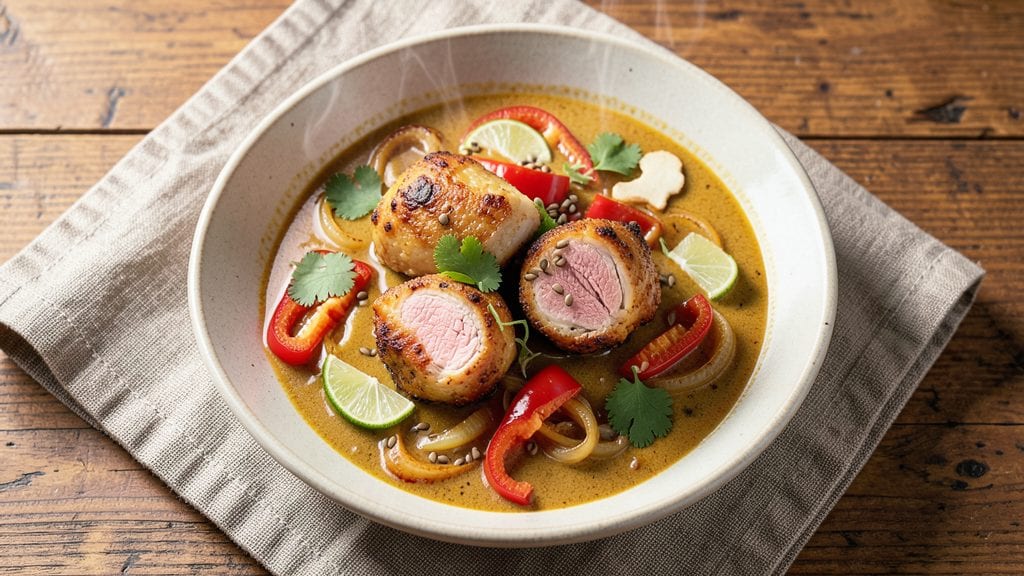
This Coco Curry copycat recipe delivers the same smoky, coconut-kissed flavor you crave from your favorite takeout spot—without the 45-minute wait. The secret lies in balancing sweet, spicy, and creamy notes through precise spice toasting and slow sauce reduction.
I've recreated this dish exactly as it should be: rich, aromatic, and packed with tender protein swimming in velvety coconut curry.
The professional technique begins with blooming whole spices in hot oil to unlock their full depth before adding the curry paste. This step transforms ordinary coconut milk into a complex, fragrant base that's the heart of the dish.
For the protein, I recommend using chicken thighs—they stay juicy and absorb the sauce beautifully, though shrimp or tofu work equally well when prepared correctly. Every element comes together in a one-pot method that minimizes cleanup while maximizing flavor.
What you'll achieve is a restaurant-quality curry with perfectly balanced heat, sweetness, and creamy texture. The sauce coats every bite of protein, creating that signature Chipotle experience at home—where the spices sing and the coconut milk provides just the right amount of richness.
The aroma alone will have everyone gathering around your table, and the first bite delivers that familiar, comforting satisfaction.
Serve this curry over basmati rice or with warm naan to soak up every last drop of that velvety sauce. The dish reheats beautifully, making it ideal for meal prep or feeding a crowd.
Whether you're a curry novice or a seasoned home cook, this method ensures professional results every time. Let's get started on recreating your favorite takeout dish at home.
Ingredients for coco curry copycat
Pantry staples plus a few key ingredients make this copycat curry taste like takeout magic.
| Ingredient | Amount | Notes |
|---|---|---|
| Chicken Thighs 🍗 | 1 ½ lb | Bone-in, skin-on preferred |
| Full-Fat Coconut Milk 🥥 | 1 can | 13.5 oz can, no substitutes |
| Red Curry Paste 🌶️ | 3 tbsp | Maesri brand preferred |
| Yellow Onion 🧅 | 1 whole | Medium size, diced |
| Garlic Cloves 🧄 | 4 cloves | Freshly minced |
| Fresh Ginger 🌿 | 2 tbsp | Grated, peeled |
| Coconut Sugar 🍯 | 2 tbsp | Or light brown sugar |
| Fish Sauce 🐟 | 1 tbsp | Red Boat brand preferred |
| Vegetable Oil 🫒 | 2 tbsp | For spice blooming |
| Cumin Seeds 🌿 | 1 tsp | Toasted for depth |
| Ground Coriander 🌶️ | 1 tsp | Freshly ground preferred |
| Lime Juice 🍋 | 1 tbsp | Freshly squeezed |
| Salt 🧂 | ½ tsp | Kosher or sea salt |
| Fresh Cilantro 🌿 | ¼ cup | Chopped, for garnish |
| Basmati Rice 🍚 | 1 ½ cups | Uncooked, long-grain |
The curry paste is non-negotiable here—Maesri brand from the Asian market section nails the Chipotle vibe. If you can't find it, Thai Kitchen red curry paste works in a pinch, but it's not the same. Coconut milk must be full-fat (none of that light stuff)—Thai Kitchen or Aroy-D brands are the gold standard. Chicken thighs stay juicy, but bone-in, skin-on gives the most authentic texture. For the spices, whole cumin seeds toasted in oil add depth that pre-ground can't match. Look for them in the bulk section at Whole Foods or any Asian grocery store.
No fish sauce? Soy sauce at half the amount gets you close, but you'll lose that umami punch. Running out of coconut sugar? Light brown sugar works 1:1. Fresh ginger and garlic are ideal, but jarred minced ginger (drained well) saves time. The lime juice needs to be fresh—bottled juice tastes flat. For the cilantro, if you hate the stems, just use the leaves. The rice? Basmati is non-negotiable—jasmine gets mushy. Pro tip: rinse the rice first to remove excess starch.
This curry reheats beautifully—tastes even better the next day once all the flavors meld. Keeps in the fridge for 4-5 days or freezes for 3 months. I always make a double batch because it disappears fast. Store in airtight containers with a splash of coconut milk on top to keep it creamy. The rice? Cook it fresh or use microwaveable basmati packs—no one will know the difference.
Why You'll Love This Recipe
- One-Pot Magic: I swear by this recipe—just toss everything into one pot, stir, and let it simmer. No fancy techniques, no extra dishes, and the chicken practically cooks itself while the curry builds flavor.
- Creamy Heat Balance: That full-fat coconut milk? It’s the secret weapon—rich but not heavy, with the red curry paste giving it just the right kick. The garlic and onion caramelize into something so fragrant, you’ll want to eat it straight from the pan.
- Leftover Goldmine: This curry only gets better the next day. I make a double batch on Sundays, and by Wednesday, it’s still the star of my lunch—whether reheated or turned into a quick stir-fry with rice.
- Budget-Friendly Luxury: Chicken thighs are forgiving and cheap, and a single jar of red curry paste stretches across multiple meals. Honestly, it feels like a fancy restaurant dish without the price tag or the stress.
Step-by-step instructions for coco curry copycat recipe
Here's how to recreate that perfect Chipotle coco curry at home with rich, balanced flavors.
Bloom the Spices in Vegetable Oil
Heat the 2 tablespoons vegetable oil in a large skillet over medium heat. Add the 1 teaspoon cumin seeds and toast them for 30 seconds until they release their nutty aroma and begin to sizzle gently. This step unlocks their full flavor - don't rush it or they'll burn quickly.
Immediately add the 3 tablespoons red curry paste and stir for 1 minute until it becomes fragrant and slightly darkened around the edges. The paste will release its deep, complex flavors when properly bloomed. Keep the heat at medium - too high will scorch the spices before they develop their aroma.
Sauté Aromatics Until Fragrant
Add the 1 whole yellow onion and cook for 5-6 minutes until softened and translucent. You'll see the onions release their moisture and begin to caramelize slightly at the edges. Add the 4 cloves garlic cloves and 2 tablespoons fresh ginger (already grated) and cook for another 1-2 minutes until the garlic becomes golden and fragrant.
The ginger should mellow out and lose its raw bite - this is your signal it's ready. Don't let the garlic burn, or it will turn bitter. If you notice the aromatics sticking slightly, add a splash of water to deglaze and keep everything moving.
Cook the Chicken Until Golden
Push the aromatics to one side of the skillet and add the 1.5 lb chicken thighs (skin-on preferred) to the empty space. Cook for 5-6 minutes per side until the skin is golden brown and crispy, and the internal temperature reaches 165°F when checked with a meat thermometer.
Resist the urge to move the chicken too soon - let it develop that beautiful crust. Once golden, remove the chicken from the skillet and set it aside on a plate. You'll notice the chicken releases easily when it's ready to flip - this is the perfect signal.
Build the Creamy Coconut Curry Sauce
Return the skillet to medium heat and add the 1 can full-fat coconut milk, scraping up any browned bits from the bottom. Stir in the 2 tablespoons coconut sugar, 1 tablespoon fish sauce, 1 teaspoon ground coriander, and 0.5 teaspoon salt. Bring to a gentle simmer and let it cook for 5-7 minutes until slightly thickened.
Taste the sauce and adjust seasoning if needed - you might want to add a bit more fish sauce for umami or salt for balance. The sauce should be creamy but not too thin, coating the back of a spoon. This is where all the flavors come together in perfect harmony.
Finish and Serve with Fresh Cilantro
Return the chicken to the skillet and spoon the sauce over it, letting it simmer together for 2-3 minutes to heat through completely. Stir in the 1 tablespoon lime juice and remove from heat. The acidity brightens all the flavors and cuts through the richness of the coconut milk.
Serve the coco curry immediately over 1.5 cups cooked basmati rice (about 3/4 cup dry rice yields this amount). Garnish with 0.25 cup fresh cilantro just before serving - this adds freshness and a pop of color. The curry should be rich, slightly sweet, with a perfect balance of spice and umami that tastes just like your favorite takeout.
Pro Tips For Making Coco Curry Copycat
- Bloom the Paste: Sauté the red curry paste in 1 tablespoon of oil over medium-low heat for 3-4 minutes first—it’ll deepen the flavors instead of burning. I used to rush this and end up with a bitter, smoky mess. Let it bloom like you would spices for chili.
- Dry the Chicken: Pat those chicken thighs bone-dry with paper towels before searing. Wet skin steams instead of crisps, and you’ll lose that golden crust that holds the curry sauce. Trust me, the difference in texture is night and day.
- Simmer, Don’t Boil: Once you add the coconut milk, keep the heat at a gentle simmer—not a rolling boil. Full-fat coconut milk can split if it gets too aggressive, turning your creamy sauce into a greasy, curdled disaster. A low simmer keeps it silky.
- Reserve the Fat: After browning the onions and garlic, scoop out any leftover fat from the pan with a spoon and swirl it into the curry at the end. That extra fat makes the sauce richer without needing to add more oil. It’s the lazy chef’s secret upgrade.
Pro cooking tips for this dish
Spice Blooming Essentials
Never skip toasting your whole spices—this unlocks their full potential. Heat the 2 tbsp vegetable oil in a skillet over medium heat until shimmering, then add the 1 tsp cumin seeds and toast for exactly 30 seconds.
Watch closely—they darken quickly and release an intoxicating aroma. Immediately add the 3 tbsp Maesri red curry paste and stir for 1 minute until fragrant. This step builds the sauce's depth that separates takeout from homemade. 🌶️
Protein Timing Secrets
Chicken thighs are forgiving, but timing matters. Cook them skin-side down first for 5-6 minutes until golden brown, then flip for another 5-6 minutes until the internal temp hits 165°F. The skin should crisp beautifully—this creates that satisfying texture contrast.
Remove them when they release easily from the pan, then set aside. This resting period prevents overcooking when they return to the sauce. 🍗
Sauce Reduction Mastery
After adding the 1 can coconut milk, let it simmer uncovered for 5-7 minutes—this reduces it slightly and intensifies the flavors. The sauce should coat the back of a spoon but still be pourable.
If it's too thin, simmer another 2 minutes. Taste and adjust with fish sauce (for umami) or lime juice (for brightness). The final balance should be creamy, slightly sweet, and just spicy enough. 🥥
Deglazing Like a Pro
When your aromatics stick slightly, don't scrape aggressively—add 2 tbsp water and let it bubble for 30 seconds to release those flavorful browned bits. Stir vigorously to incorporate them into the sauce. This simple technique adds layers of complexity that takeout versions often miss.
I always deglaze after the onions caramelize but before adding garlic, as it's the perfect moment to capture those flavors. 💡
Fresh Cilantro Finish
Add the 0.25 cup chopped cilantro only at the very end—it wilts in heat and loses its vibrant flavor. Stir gently just before serving to keep it bright and fresh. The cilantro's citrusy note cuts through the richness of the coconut milk, balancing the dish perfectly.
For extra flair, add a pinch of flaky sea salt on top—it enhances all the flavors. 🌿
Heat Control Tips
Keep the heat at medium or medium-low throughout cooking—high heat burns spices and curry paste, creating bitter flavors. If your sauce starts to splatter when adding coconut milk, reduce the heat immediately.
A gentle simmer ensures even cooking and prevents curdling. I've learned this the hard way—once, I rushed and ended up with a separated sauce. Patience pays off here! 🔥
Nutrition facts
Frequently asked questions
Can I make this curry with shrimp or tofu instead of chicken?
For shrimp, use 1 lb large shrimp (peeled and deveined) and cook for just 2-3 minutes per side until pink (145°F internal temp). Tofu works too—use 1 block extra-firm tofu, pressed and cubed, and pan-fry for 4-5 minutes per side before adding to the sauce. Both proteins absorb the coconut curry beautifully.
Why does my sauce taste too sweet or spicy?
Balance is key! If it's too sweet, add 1 tsp fish sauce or 1 tbsp lime juice to brighten flavors. For extra spice, stir in ½ tsp cayenne pepper or a pinch of red pepper flakes. If it's too spicy, dilute with 2 tbsp coconut milk or a splash of water. Taste as you go—adjust gradually.
Can I make this curry in a slow cooker?
Yes, but with adjustments! Sauté the onions, garlic, and ginger first, then transfer everything (except rice) to the slow cooker. Cook on Low for 4-5 hours or High for 2-3 hours. The sauce will thicken more, so add 2-3 tbsp water if needed. Finish with fresh cilantro and lime juice just before serving.
What’s the best way to reheat leftovers?
Reheat gently in a skillet over low heat with 1-2 tbsp coconut milk to restore creaminess. Avoid microwaving—it can make the sauce watery. For rice, cover with a damp paper towel and reheat in the microwave for 1 minute. Leftovers taste even better the next day!
Can I substitute coconut milk with something else?
Not recommended—coconut milk is essential for that signature creamy texture. If you're allergic, try a mix of ½ cup coconut milk + ½ cup heavy cream, but the flavor won’t be identical. For dairy-free options, use full-fat coconut milk only—light versions won’t work. The richness is non-negotiable!