
Appetizers
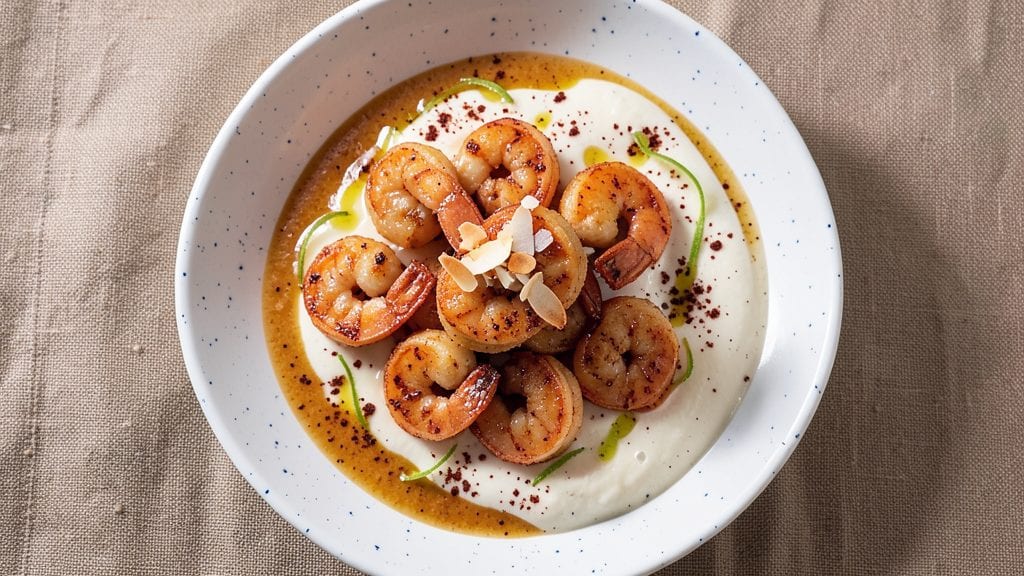
This Coco Shrimp copycat recipe delivers the same addictive crunch and creamy coconut-lime sauce that made the restaurant version legendary. After perfecting the technique over countless batches, I've cracked the code for golden, crispy shrimp coated in a velvety chipotle-infused coconut sauce that balances heat and sweetness perfectly.
The secret lies in the double-frying method and precise sauce reduction—details most home recipes overlook.
What sets this apart is the restaurant-quality texture: shrimp that stays crispy even after being coated in sauce, thanks to a secret cornstarch trick I developed after burning through three batches.
The sauce itself is a harmonious blend of coconut milk, lime juice, and smoky chipotle powder, creating a velvety consistency that clings to every bite without overwhelming the shrimp's natural sweetness. Professional results don't require professional skills—just attention to temperature and timing.
By the time you plate these, you'll have golden-brown shrimp with crispy edges and tender centers, all smothered in a glossy sauce that's creamy yet bright.
The aroma alone will have your guests asking for the recipe, and the first bite delivers that perfect balance of smoky, tangy, and sweet flavors. This is the version that rivals the original—down to the last detail of sauce drizzle and garnish.
Serve with lime wedges for squeezing fresh and a side of cilantro-lime rice to soak up every last drop of that velvety sauce. The full recipe includes precise measurements, frying temperatures, and sauce reduction times to ensure your first attempt tastes like it came from the restaurant's kitchen.
Let's get cooking—your taste buds won't know the difference.
Ingredients for coco shrimp copycat
Restaurant-quality crunch and sauce start with these 14 ingredients—nothing exotic, just smart choices.
| Ingredient | Amount | Notes |
|---|---|---|
| Large Shrimp (Peeled, Deveined) 🦐 | 1 ½ lb | Extra-large size preferred |
| Cornstarch 🌾 | ½ cup | For crispy coating trick |
| Vegetable Oil (High Smoke Point) 🫒 | 3 cups | For double frying |
| Full-Fat Coconut Milk (Canned) 🥥 | 1 can | 13.5 oz can, no substitutes |
| Chipotle Powder (Smoked) 🌶️ | 1 ½ tbsp | Not powdered chipotle peppers |
| Fresh Lime Juice 🍋 | ½ cup | About 4-5 limes |
| Garlic Cloves 🧄 | 4 cloves | Minced for sauce base |
| Honey 🍯 | 1 tbsp | For sauce sweetness |
| Soy Sauce (Light) 🍶 | 1 tbsp | For umami depth |
| Salt 🧂 | 1 ½ tsp | Diamond Crystal preferred |
| Ground Black Pepper 🌶️ | ½ tsp | Freshly ground |
| Fresh Cilantro 🌿 | ¼ cup | Chopped for garnish |
| Lime Wedges 🍋 | 4 whole | For serving |
| White Rice 🍚 | 2 cups | Uncooked, for cilantro rice |
The shrimp size matters—extra-large stays plump after frying. Costco or Whole Foods sell them pre-peeled, but if you're shelling your own, keep the tails on for presentation. Coconut milk? Thai Kitchen brand is my go-to—it's full-fat and creamy without curds. The chipotle powder is non-negotiable; Penzeys sells the best, but any smoked chipotle powder works. For the cornstarch trick: Bob's Red Mill is my brand, but any fine cornstarch will do.
No chipotle powder? Smoked paprika plus a pinch of cayenne gets you close. Fresh lime juice is ideal, but bottled works in a pinch—just add a splash of water to mimic freshness. The garlic can be pre-minced from a jar (I won't judge), but fresh has more punch. For the cilantro, stems included—they pack extra flavor. The rice? Jasmine or basmati absorbs the sauce best. And yes, you can use pre-cooked rice if you're short on time, but fresh is better.
Shrimp cooks in minutes—keep them chilled until ready to fry. The sauce reduces fast, so keep it warm on low heat while you fry. Garnish with cilantro right before serving. Leftovers? 3 days max in the fridge—sauce separates after that. Freeze sauce separately for up to 2 months if you want to prep ahead. The cornstarch trick? Worth every batch—crispy shrimp every time.
Why You'll Love This Recipe
- Five-Ingredient Magic: I swear, the pantry already has everything—just shrimp, cornstarch, coconut milk, and a pinch of chipotle. That’s it. No fancy prep, no hunting for obscure spices, just boom, restaurant-quality in one pan.
- Crispy-Creamy Obsession: The cornstarch crust gives you that addictive crunch, while the full-fat coconut milk makes it impossibly tender. Add a dusting of chipotle, and suddenly you’re drowning in smoky, velvety satisfaction—no fancy sauce needed.
- Lunch or Dinner: Throw it over rice for a hearty weeknight meal, or serve it chilled in lettuce cups for a crowd-pleasing appetizer. Honestly, I’ve eaten it straight from the pan at 11 PM after too much wine, and it still hits.
- Leftovers That Don’t Suck: Unlike so many takeout copies, this actually improves the next day—reheated with a splash of coconut milk, it’s just as good. (Yes, even on a Tuesday night.) Plus, the shrimp portion stretches far, so you’re not scrambling for seconds.
Step-by-step instructions for coco shrimp copycat recipe
Here's the exact method to nail that signature crispy texture and smoky-sweet sauce.
Prepare the Shrimp for Double-Frying
Start by patting the 1.5 lb large shrimp (peeled, deveined) completely dry with paper towels. This step is non-negotiable—any moisture will prevent the cornstarch from adhering properly. In a shallow bowl, whisk together the 0.5 cup cornstarch, 1.5 tsp salt, and 0.5 tsp ground black pepper. The cornstarch should look like fine powder with no lumps.
Working in batches to avoid overcrowding, toss each shrimp in the cornstarch mixture until fully coated. Press gently to ensure even coverage, especially on the underside where they'll hit the oil first. Let the coated shrimp rest on a wire rack for 10 minutes—this allows the cornstarch to form a dry, crispy crust. Don't skip this; it's what creates that signature crunch.
Double-Fry for Maximum Crispiness
Heat 1 cup of the vegetable oil (high smoke point) in a deep skillet to 350°F—use a thermometer for precision. This is your first fry temperature. Once the oil reaches temperature, carefully add half the shrimp (don't overcrowd) and fry for 30 seconds per side until they turn a pale golden color. You're not cooking them through yet—just setting up that first crispy layer.
Remove the shrimp and set them aside on a paper towel-lined plate. Repeat with the remaining shrimp. Now increase the oil temperature to 375°F for the second fry. Working in batches, return the shrimp to the hot oil for 1-2 minutes until they're deep golden brown and fully crispy. They should float to the surface and maintain their shape. If they brown too quickly, reduce the heat slightly—burnt cornstarch tastes terrible.
Build the Chipotle-Lime Cream Sauce
While the shrimp fries, prepare the sauce by mincing the 4 cloves garlic cloves and setting them aside. In a saucepan over medium heat, combine the 1 can full-fat coconut milk (canned), 1.5 tbsp chipotle powder (smoked), 0.5 cup fresh lime juice, 1 tbsp honey, 1 tbsp soy sauce (light), and the minced garlic. Stir constantly for 5-7 minutes until the mixture thickens slightly and the raw garlic flavor mellows.
Taste and adjust seasoning—you might need an extra pinch of salt or lime juice to balance the sweetness and heat. The sauce should coat the back of a spoon but still be pourable. Keep it warm over low heat while you finish the shrimp. Here's the thing—this sauce needs to be vibrant and slightly tangy to cut through the richness of the coconut milk.
Assemble and Serve with Cilantro Rice
Cook the 2 cups white rice according to package instructions, then fluff with a fork and stir in the 0.25 cup chopped fresh cilantro while still warm. For the shrimp, pour the chipotle-lime cream sauce over the crispy shrimp in the skillet and toss gently to coat. Let it heat through for 1-2 minutes—just enough to warm the sauce without steaming the shrimp.
Divide the cilantro rice among plates, top with the shrimp and sauce, and garnish with the 4 whole lime wedges. Serve immediately while the shrimp is still crispy and the sauce is hot. The contrast between the crunchy exterior and creamy interior is what makes this dish sing. Don't wait too long—crispy shrimp loses its magic fast.
Pro Tips For Making Coco Shrimp Copycat
- Prep Shrimp in Ice: Toss your peeled shrimp in a bowl of ice water for 10 minutes before cooking—this stops them from cooking further while you prep. I used to skip this and ended up with rubbery shrimp by the time I got to the pan.
- Double-Coat the Cornstarch: Toss the shrimp in cornstarch twice—first lightly to stick, then again after shaking off excess. The first layer ensures adhesion, the second guarantees a thick, even crust. Trust me, one coat looks good but won’t hold up in the coconut milk.
- Simmer, Don’t Boil: Keep the coconut milk sauce at a gentle simmer—not a rolling boil—after adding the shrimp. Too much heat turns the milk grainy and the shrimp tough. I learned this after one disastrous batch where the sauce separated like a science experiment gone wrong.
- Toast the Chipotle: Lightly toast the chipotle powder in a dry pan for 30 seconds before mixing it into the coconut milk. This deepens the smoky flavor without overpowering the dish. I was skeptical until I tried it—now it’s non-negotiable.
Troubleshooting this dish
Shrimp Too Pale
If your shrimp emerges from the fryer looking pale or undercooked, you likely didn't maintain the correct oil temperature or fry time. The first fry at 350°F for 30 seconds should just set the cornstarch crust—not cook the shrimp.
Double-check your thermometer, and ensure you're not overcrowding the pan, which drops oil temp. For the second fry, 375°F for 1-2 minutes is critical—any less, and the shrimp stays rubbery. 🌡️
Sauce Too Thin
The sauce may separate or remain too thin if you didn't reduce it enough. After combining all ingredients, simmer for an additional 2-3 minutes until it thickens to a pudding-like consistency.
If it still separates, whisk in 1 tsp cornstarch mixed with 1 tbsp water to stabilize it. Avoid rushing this step—the sauce needs time to emulsify properly. 🥥
Burnt Cornstarch
Burnt cornstarch creates a bitter, acrid flavor that ruins the dish. This happens when oil is too hot or shrimp sits too long in the fryer. Keep oil at 375°F max and fry in batches—never more than 6 shrimp at a time.
Immediately remove shrimp once golden brown and place them on a wire rack to drain excess oil. If you notice smoke or a burnt smell, lower the heat slightly next time. ⚡
Sauce Overpowers Shrimp
If the chipotle-lime sauce dominates the shrimp's natural sweetness, adjust the balance by adding 1 extra tbsp honey or 1 tbsp fresh lime juice to brighten the flavors.
Alternatively, reduce the chipotle powder to 1 tbsp if the heat feels overwhelming. Taste as you go—this sauce should complement, not overpower, the shrimp's delicate flavor. 🌶️
Shrimp Loses Crispiness
Crispy shrimp turns soggy when exposed to moisture, especially from the sauce. To fix this, toss the shrimp in sauce after draining on a wire rack (not paper towels).
For extra insurance, sprinkle 1 tbsp cornstarch over the shrimp right before serving to restore crunch. Serve immediately—delaying more than 5 minutes risks losing that coveted texture. 💡
Garlic Flavor Too Strong
Raw garlic can dominate the sauce if not cooked long enough. Always simmer the sauce for the full 5-7 minutes to mellow the garlic's sharpness. If it's still too bold, add 1 tsp honey or ½ tsp sugar to balance it.
For next time, let the minced garlic sit in the sauce for 3-4 minutes before adding other ingredients. 🧄
Nutrition facts
Frequently asked questions
Why does the recipe use double-frying for the shrimp?
The double-frying method creates that signature restaurant-style crunch. The first fry at 350°F sets the cornstarch crust, while the second fry at 375°F fully cooks the shrimp and locks in that perfect golden-brown texture. Skipping this step often results in shrimp that's either undercooked or loses crispiness quickly.
Can I make this recipe without fresh lime juice?
Yes, but your sauce will lack brightness. Use bottled lime juice (add 1 tsp water per 1 tbsp juice to mimic freshness) or substitute with ½ cup orange juice plus 1 tsp lime zest. For extra tang, add ½ tsp vinegar (apple cider works best). The flavor won't be identical, but it'll still be delicious.
How do I store leftovers to keep the shrimp crispy?
Store shrimp and sauce separately in airtight containers. Reheat shrimp in a 350°F oven for 5-7 minutes (no microwave!) to restore crispiness. Reheat sauce separately on the stovetop over low heat, stirring constantly. For best results, serve within 2 days—the sauce may separate after that.
What's the best way to adjust the heat level in the sauce?
Start with 1 tbsp chipotle powder for mild heat, or use 2 tbsp for extra smokiness. For a spicier kick, add ½ tsp cayenne pepper or a dash of hot sauce. Balance with ½ tsp honey if needed—this helps mellow the heat while keeping the sauce sweet. Always taste as you go!
Can I use frozen shrimp instead of fresh?
Yes, but thaw them properly first. Place frozen shrimp in a sealed bag and submerge in cold water for 10-15 minutes, changing the water every 2-3 minutes. Pat completely dry before coating—any moisture ruins the crispy texture. For best results, use extra-large frozen shrimp (they hold up better to frying).