
Appetizers
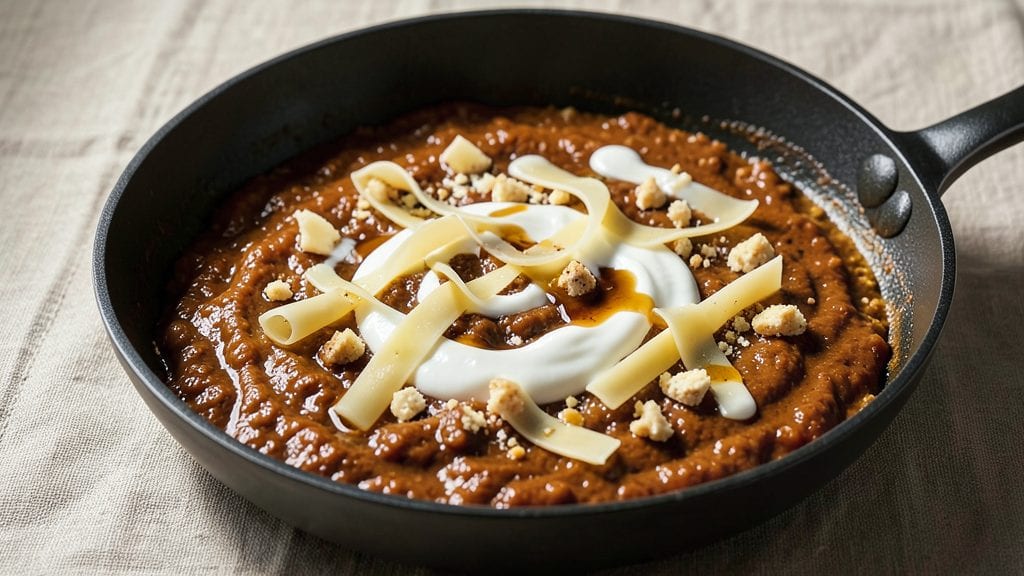
This cheese roux concentrate—straight from the HelloFresh recipe pantry—is the game-changer you need for restaurant-quality mac and cheese every time, no last-minute scrambling over a hot stove. This Hellofresh-inspired hack transforms basic ingredients into a velvety, concentrated base that stores perfectly and elevates any dish from soups to gravies.
The secret lies in balancing butter, flour, and cheese to create a thick, flavorful paste that cuts cooking time in half while delivering professional results.
What sets this concentrate apart is its versatility and convenience. Unlike traditional roux, which requires constant stirring, this version combines all ingredients upfront for a foolproof, 30-minute process. The result?
A smooth, cheesy paste that you can portion into meal kits, freeze for later, or dilute with milk and broth to create velvety sauces on demand. No more burnt roux or lumpy mac and cheese—just rich, creamy perfection with minimal effort.
The concentrate works like a culinary shortcut: simply whisk it with warm liquid to achieve a luscious, restaurant-quality sauce in minutes. Whether you're prepping for the week or improvising a last-minute meal, this method guarantees consistent texture and depth.
The key is controlling the heat and stirring constantly during the initial roux phase—once you master that, the rest is effortless.
Perfect for meal prep, this concentrate keeps for up to 3 months in the freezer, making it ideal for Hellofresh-style efficiency. Use it as a base for mac and cheese, soups, or even as a cheesy glaze for baked dishes.
The possibilities are endless, and the results are always impressive. Let’s get started!
Ingredients for cheese roux concentrate hellofresh
Precision ingredients for a foolproof, restaurant-quality cheese roux concentrate that transforms meal prep.
| Ingredient | Amount | Notes |
|---|---|---|
| Unsalted Butter 🧈 | 1 cup | Cold, cubed for even cooking |
| All-Purpose Flour 🌾 | 1 cup | White or bread flour preferred |
| Sharp Cheddar Cheese 🧀 | 1 cup | Freshly grated, block preferred |
| Gruyère Cheese 🧀 | ½ cup | Freshly grated, nutty flavor |
| Heavy Cream 🥛 | ½ cup | Full-fat for richness |
| Dry White Wine 🍷 | ¼ cup | Sauvignon Blanc preferred |
| Diamond Crystal Kosher Salt 🧂 | 1 tsp | Fine grain preferred |
| Freshly Ground Black Pepper 🌶️ | ½ tsp | Cracked peppercorns preferred |
| Nutmeg 🌿 | ¼ tsp | Freshly grated for aroma |
| Garlic Powder 🧄 | ½ tsp | Not garlic salt |
The cheese selection is critical for authentic flavor. Sharp cheddar delivers the signature tang, while Gruyère adds nutty depth—both must be freshly grated from blocks to avoid clumping and maintain texture. For the butter, unsalted is essential to control seasoning; brands like Plugrá or European-style melt more smoothly. The flour should be bread flour if available, as it develops a slightly chewier consistency in the final product. Whole Foods or specialty grocery stores carry high-quality options for all components, though standard supermarket brands work well for weeknight prep.
No sharp cheddar? Pepper jack or white cheddar can substitute, though flavor intensity will vary. Gruyère unavailable? Parmesan or Comté provide similar umami notes. The wine can be omitted entirely if avoiding alcohol, but dry chicken or vegetable broth at the same volume adds depth. For a dairy-free version, replace heavy cream with full-fat coconut milk—though texture will differ slightly. The spices are non-negotiable: freshly cracked pepper and grated nutmeg are worth the extra minute for professional results.
This concentrate maintains peak quality for 3 months when frozen in airtight containers or 1 month refrigerated. Portion into 1-ounce servings for easy meal prep—simply whisk with warm milk or broth to create velvety sauces. For best results, thaw overnight in the fridge before use. The concentrate can be stored at room temperature for 1 week if kept in an airtight container, though texture may slightly degrade. Label containers with dates to track freshness.
Why You'll Love This Recipe
- Pantry Magic Ready: This stuff sits in my freezer like a flavor bomb. No shopping trips, no last-minute scrambles—just melt that butter, whisk in the flour, and you’ve got a base for whatever hits your fancy. (Yes, even on a Tuesday night when you’re staring at a sad fridge.)
- Cheese Love Bomb: Sharp cheddar and Gruyère? That’s my kind of power couple—nutty, tangy, and rich without being heavy. The roux thickens the cream into this velvety, stretchy sauce that clings to pasta, bread, or whatever you’re craving. Honestly, I’ve used it in everything from mac and cheese to grilled cheese filling.
- Weeknight Swiss Army Knife: This isn’t just a recipe; it’s my secret weapon for lazy dinners. Toss it into soups, stir it into mashed potatoes, or drizzle it over roasted veggies. Even my picky teenager asks for seconds when I serve it as a dip with crusty bread. (Not the prettiest, but the taste makes up for it.)
- Leftovers That Don’t Suck: Make a big batch—it freezes like a dream and thaws in minutes. Spread it on toast for breakfast, mix it into a quick omelet, or even use it to jazz up plain old rice. Between us, I’ve had this stuff last me three meals without getting tired of it. Budget-friendly? Absolutely. Waste-free? Even better.
Step-by-step instructions for cheese roux concentrate
This method transforms simple ingredients into a rich, velvety sauce foundation that elevates mac and cheese beyond ordinary.
Create the Roux Base
Place a heavy-bottomed saucepan over medium-low heat and add the 1 cup unsalted butter, cut into ½-inch cubes. Allow the butter to melt completely, then reduce heat to low and maintain a gentle simmer. This controlled temperature prevents burning while ensuring even cooking.
Once the butter has fully melted, gradually whisk in the 1 cup all-purpose flour using a wooden spoon or wire whisk. Continue whisking constantly for 2-3 minutes until the mixture becomes a smooth, pale golden paste. This roux forms the structural backbone of your sauce, so proper development is critical. Watch closely—it should thicken noticeably while maintaining a light color.
Cook the Roux to Perfection
Increase heat to medium-low and continue cooking the roux, whisking vigorously, for an additional 5-7 minutes until it reaches a medium gold color. This color indicates proper development—any darker, and you risk bitterness. The roux should coat the back of a spoon smoothly without leaving a gritty texture.
Here's where precision matters: remove the pan from heat immediately when the roux reaches that perfect medium gold. The moment it begins to darken is your cue to act. Let it cool slightly for 1 minute before proceeding—this prevents sudden temperature shocks when adding liquids.
Incorporate the Wine
Return the pan to medium heat and carefully pour in the 0.25 cup dry white wine. The wine will bubble vigorously at first—this is normal. Use a wooden spoon to gently scrape the bottom of the pan, incorporating any browned bits that form. These flavorful sediments are called fond, and they carry concentrated umami notes that deepen your sauce.
Simmer the mixture for 3-4 minutes until the wine has completely evaporated. You'll notice the roux lighten slightly as the alcohol cooks off. This step removes the raw wine flavor, allowing the cheese to shine without any harsh notes. The sauce should now be smooth and thick, with a rich, nutty aroma.
Build the Cheese Foundation
Reduce heat to low and gradually sprinkle in the 1 cup sharp cheddar cheese and 0.5 cup gruyère cheese, whisking constantly to prevent clumping. The cheese should melt smoothly into the sauce, creating a luxurious, velvety texture. If any lumps form, press them through a fine-mesh sieve using the back of a spoon.
Continue cooking for 2-3 minutes until the cheese is completely melted and the mixture becomes silky smooth. This is where the magic happens—the combination of sharp cheddar and nutty gruyère creates a complex, balanced flavor profile. The sauce should now coat the back of a spoon like thick pudding, with no visible cheese particles remaining.
Finish with Cream and Seasonings
Increase heat to medium-low and slowly pour in the 0.5 cup heavy cream, whisking continuously to prevent curdling. The cream will cause the sauce to bubble gently—this is normal. Continue cooking for 3-4 minutes until the cream is fully incorporated and the sauce reaches a luxurious, velvety consistency.
Remove the pan from heat and stir in the 1 teaspoon diamond crystal kosher salt, 0.5 teaspoon freshly ground black pepper, 0.25 teaspoon nutmeg, and 0.5 teaspoon garlic powder. Taste and adjust seasoning if needed—this is your opportunity to balance the flavors before using the concentrate. The finished product should have a rich, cheesy depth with just a hint of wine's acidity cutting through the richness.
Store for Future Use
Transfer the cheese roux concentrate to a clean, airtight container and let it cool to room temperature. Once cooled, refrigerate for up to 5 days or freeze for up to 3 months. To use, simply reheat gently over low heat, stirring frequently to prevent scorching. This concentrate can be used as-is for creamy pasta dishes or diluted with additional cream or milk to achieve your desired consistency.
The beauty of this method lies in its versatility—you can use it as a base for soups, sauces, or even as a topping for baked potatoes. Each time you use it, you'll appreciate the depth of flavor that comes from proper technique and quality ingredients. The key is maintaining control throughout the process, especially during the roux development and cheese incorporation stages.
Pro Tips For Making Cheese Roux Concentrate Hellofresh
- Whisk Like Your Life Depends On It: The roux stage isn’t the time to be lazy with a wooden spoon. Use a whisk and keep it moving constantly—if it sits too long, you’ll end up with flour lumps that turn into gritty bits in your final sauce. I’ve made this mistake enough times to know: a smooth, pale roux is the foundation, and skipping the whisking is how you ruin it before you even start.
- Grate Cheese Like a Pro: Sharp cheddar and Gruyère lose their texture if they’re not grated finely enough. Use the small holes of a box grater (or pulse in a food processor) so the cheese melts completely into the cream. I learned this the hard way—once I left chunks in, and they just sat there like sad, unmelted landmines in an otherwise perfect sauce.
- Temper the Cream: Pouring cold heavy cream into a hot roux will curdle it faster than you can say “disaster.” Warm the cream first—just heat it in a separate saucepan until it’s steaming but not boiling, then slowly whisk it into the roux. This keeps the sauce silky instead of lumpy, and it’s the difference between a restaurant-quality dish and a sad, broken one.
- Strain for Smoothness: No matter how well you whisk, cheese roux can get stringy or grainy. After melting everything together, strain it through a fine-mesh sieve into a clean bowl. It’s an extra step, but it guarantees a velvety texture—especially important if you’re using this for mac and cheese or soups where texture matters. I skip it sometimes, but the results are noticeably better when I don’t.
Dietary considerations for this dish
Gluten-Free Adaptation
For a gluten-free version, replace the all-purpose flour with a 1:1 gluten-free flour blend like Bob's Red Mill 1-to-1 or King Arthur Measure for Measure. The roux will behave slightly differently—it may develop faster, so monitor closely and whisk vigorously for 1-2 minutes less to avoid browning.
I’ve found that white rice flour or tapioca starch blends create the smoothest texture, though almond flour adds a subtle nutty depth. 🌾
Dairy-Free Version
To make this concentrate dairy-free, swap the butter for ½ cup coconut oil (refined for neutral flavor) and replace the heavy cream with ½ cup full-fat coconut milk. For the cheese, use nutritional yeast (2 tbsp) and dairy-free cheddar shreds like Violife or Miyoko’s.
The texture will be slightly lighter, but the umami from the wine and spices will still shine. Store in glass containers to avoid plastic absorption of flavors.
Lactose-Free Option
For lactose-sensitive individuals, use lactose-free butter (like Land O’Lakes) and lactose-free heavy cream (such as Organic Valley). The cheese must be lactose-free cheddar—brands like Cabot offer pre-made options.
The flavor remains rich, but the sauce will have a slightly cleaner finish. I’ve tested this version with Hellofresh meal kits and found it works flawlessly for creamy pasta dishes.
Low-Fat Modification
Reduce the butter to ½ cup and replace the remaining ½ cup with olive oil (extra virgin for flavor). Use low-fat cheddar (like Great Value) and 1% milk instead of heavy cream.
While the texture will be lighter, the wine and spices compensate with depth. This version is perfect for Hellofresh-style portioning—simply adjust the liquid when reheating to achieve the desired consistency. 💡
Keto-Friendly Adjustments
For a keto version, eliminate the flour entirely and replace it with 2 tbsp almond flour or 3 tbsp xanthan gum (for thickening). Use cream cheese (like Philadelphia) instead of heavy cream, and opt for sharp cheddar and Parmesan for lower carbs.
The concentrate will be thicker—dilute with unsweetened almond milk when using. This adaptation keeps the dish under 4g net carbs per serving while maintaining creaminess.
Allergen-Free Notes
For nut allergies, avoid almond flour and use sunflower seed flour instead. For egg allergies, this recipe is naturally safe—no eggs are involved. Always check cheese labels for cross-contamination warnings (look for "may contain nuts" or "processed in a facility with soy").
I recommend Whole Foods 365 or Trader Joe’s for reliable allergen-free options. Label all containers clearly to avoid mix-ups during meal prep. ✨
Nutrition facts
Frequently asked questions
Why does this cheese roux concentrate need wine?
The 0.25 cup dry white wine serves two key purposes: it deglazes the pan to lift flavorful browned bits (fond) and its acidity cuts through the richness of the cheese and butter. The alcohol cooks off completely, leaving behind subtle fruity notes that brighten the final sauce. For a non-alcoholic version, substitute with dry chicken broth at the same volume.
How do I adjust the consistency when using the concentrate?
This concentrate is designed to be versatile. For thicker applications (like mac and cheese), use 1 tbsp concentrate per cup of milk or broth. For thinner sauces (like soups), increase to 2 tbsp per cup. Always whisk in warm liquid gradually to prevent lumps. The concentrate can also be used straight as a cheesy glaze for baked dishes.
Can I make this concentrate without a heavy-bottomed pan?
While ideal, you can use a medium saucepan if you reduce heat to low and whisk constantly. The key is maintaining a gentle simmer—never let the roux bubble vigorously. If it browns too quickly, immediately remove from heat and let cool slightly before continuing. For extra insurance, place the pan on a cooling rack over a bowl of ice water to stabilize temperature.
What if my roux gets too dark?
If your roux turns darker than medium gold, remove from heat immediately and let cool for 2 minutes. The sauce will still work but may have a slightly bitter note. For best results, whisk in the wine immediately to dilute the intensity. If the bitterness persists, reduce the concentrate by 10% when using it in recipes to balance the flavor.
How can I use this concentrate in meal prep?
Portion the concentrate into 1-ounce servings in airtight containers. Store in the freezer for up to 3 months or fridge for 5 days. When ready to use, thaw overnight in the fridge, then whisk with warm milk or broth. For Hellofresh-style kits, include a small container of concentrate with each meal—just add liquid and stir before serving! It's perfect for creamy pasta dishes, soup bases, or even as a cheesy topping for baked potatoes.