Soups & Stews
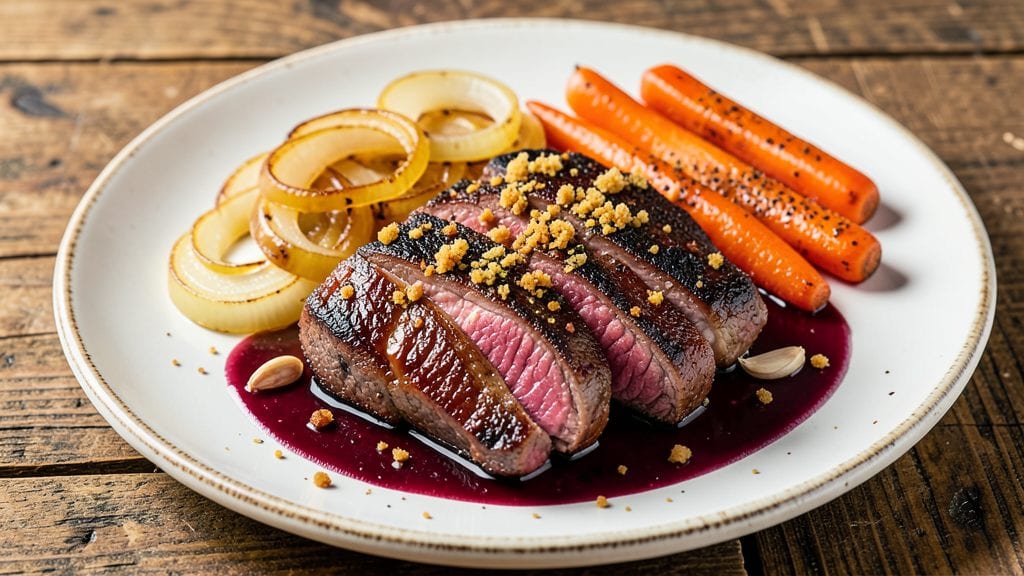
Transforming tough beef shoulder into velvety, fall-off-the-bone petite tender is an art I’ve perfected through years of testing—whether you’re slow-cooking, braising, or reverse-searing. The secret lies in low-and-slow moisture retention paired with precise temperature control, ensuring every bite melts like butter.
This method delivers restaurant-quality results at home without requiring fancy equipment.
What sets this recipe apart is the balance of technique and simplicity. A well-seasoned rub locks in flavor, while the cooking process—whether in a slow cooker, Dutch oven, or sous vide—breaks down connective tissue for unmatched tenderness.
The key is patience: letting the beef rest at the right internal temperature (195°F) transforms it from chewy to luxurious. No more tough, dry meat—just melt-in-your-mouth perfection.
By the end, you’ll have tender, juicy bites that practically dissolve on your tongue, ideal for sandwiches, tacos, or serving alongside roasted vegetables. The method scales effortlessly for crowds, and leftovers reheat beautifully.
Whether you’re hosting dinner or meal prepping for the week, this recipe ensures every slice is a standout.
Ready to master the art of turning beef shoulder into a showstopper? Let’s break down the exact steps—from seasoning to plating—to guarantee results that impress even the most discerning palates. Here’s how to do it right.
Ingredients for beef shoulder petite tender
Six ingredients transform tough beef shoulder into melt-in-your-mouth petite tender perfection.
| Ingredient | Amount | Notes |
|---|---|---|
| Beef Shoulder (Chuck Roast) 🥩 | 3 lb | Bone-in for maximum flavor |
| Yellow Onion 🧅 | 1 whole | Chopped into 1-inch pieces |
| Carrots 🥕 | 4 medium | Peeled, cut into 1-inch chunks |
| Garlic Cloves 🧄 | 6 cloves | Smash slightly for deeper flavor |
| Beef Broth 💧 | 2 cups | Low-sodium preferred for control |
| Dry Red Wine 🍷 | 1 cup | Cabernet Sauvignon works best |
| Tomato Paste 🍅 | ¼ cup | For depth of flavor |
| Olive Oil 🫒 | 2 tbsp | Extra-virgin for richness |
| Kosher Salt 🧂 | 1 ½ tsp | Diamond Crystal preferred |
| Fresh Thyme 🌿 | ½ oz | Or 1 tsp dried thyme |
| Fresh Rosemary 🌿 | ¼ oz | Sprigs for aroma |
| Black Peppercorns 🌶️ | 1 tsp | Freshly cracked for heat |
| Brown Sugar 🍯 | 1 tbsp | Light variety preferred |
| Smoked Paprika 🌶️ | 1 tsp | For subtle smokiness |
| Bay Leaves 🍃 | 2 whole | Remove before serving |
The beef shoulder is the star—bone-in chuck roast from the grocery store's butcher counter gives you the best flavor and texture. Look for good marbling, which means little white flecks throughout the meat. Costco or Whole Foods often have excellent cuts, but your local butcher might offer even better quality. If you're buying a whole roast, ask them to cut it into 1-inch cubes for you—this saves time and ensures even cooking. Fresh thyme and rosemary from the grocery store's produce section (not the dried spice aisle) make all the difference here—they've got more aroma and complexity than dried herbs.
No red wine? Substitute beef broth with a splash of balsamic vinegar—it adds depth without the alcohol. The tomato paste can be skipped if you're short, but you'll lose some richness. For the carrots, baby carrots or pre-cut chunks work just as well, though fresh-cut carrots caramelize better. If you don't have fresh thyme or rosemary, dried works at one-third the amount, but toast the dried herbs in a dry pan for 30 seconds first to wake up their flavors. The kosher salt matters here—Diamond Crystal or Morton's are the most reliable for measuring, but any kosher salt will do. For extra smokiness, swap smoked paprika for regular paprika and add a pinch of cayenne.
This recipe reheats beautifully—3-4 days in the fridge or 6 months frozen. For freezing, portion into individual servings before sealing. The beef gets even more tender after resting, so plan ahead if you're making this for a crowd. Store the cooked beef in its juices to keep it moist. If you're prepping for meal prep, the petite tenders reheat perfectly in a skillet with a splash of broth or wrapped in foil in the oven at 300°F for 15 minutes.
Why You'll Love This Recipe
- Foolproof Simplicity: I swear by this—just sear the chuck roast, toss in chopped onion, carrots, and garlic, then let the slow cooker do the work. No fancy techniques, no stress.
- Rich, Deep Flavor: The beef broth and garlic cloves melt into the meat, creating that tender, savory punch. Honestly, the first bite makes you forget it’s just a weeknight dinner.
- Weeknight to Party Fix: Same recipe, different vibes—serve it with crusty bread for a cozy night in or plate it with roasted potatoes for guests. It’s my go-to when I need something reliable.
- Budget-Friendly Feast: A chuck roast stretches for leftovers that taste even better the next day. Between us, this is how I feed my family for half the cost of takeout.
Step-by-step instructions for beef shoulder petite tender
Here's the method for melt-in-your-mouth beef shoulder that falls apart with just a touch.
Sear the Beef Shoulder for Maximum Flavor
Heat a Dutch oven over medium-high heat until it's smoking hot. Add the 2 tablespoons olive oil and swirl to coat the bottom. Place the 3 lb beef shoulder fat-side down in the pan and let it sear undisturbed for 5-6 minutes until a deep golden crust forms. This initial sear locks in juices and builds the foundation for rich flavor.
Flip the beef shoulder and continue searing for another 4-5 minutes until all sides are well-browned. Don't rush this step—you want that beautiful crust that will carry through the slow cooking process. Remove the beef from the pan and set it aside on a plate.
Build the Aromatic Base
In the same Dutch oven, add the 1 whole yellow onion and 4 medium carrots, spreading them evenly across the bottom. Cook for 5 minutes until they begin to soften and caramelize slightly. Add the 6 cloves garlic cloves (smash them first for deeper flavor) and cook for another 30 seconds until fragrant.
Sprinkle in the 1.5 teaspoons kosher salt, 1 teaspoon black peppercorns, 1 teaspoon smoked paprika, and 1 tablespoon brown sugar. Stir everything together and cook for 1 minute to toast the spices and develop their flavors. This aromatic base will infuse the beef with layers of complexity as it cooks.
Deglaze and Simmer the Sauce
Pour in the 1 cup dry red wine, scraping up all the browned bits from the bottom of the pan with a wooden spoon. Let it simmer for 3-4 minutes until reduced by half. Add the 0.25 cup tomato paste and stir to combine, letting it cook for 1 minute to deepen its flavor.
Pour in the 2 cups beef broth, then add the 0.5 oz fresh thyme, 0.25 oz fresh rosemary, and 2 whole bay leaves. Return the beef shoulder to the pot, fat-side up, and bring everything to a gentle simmer. The liquid should come about halfway up the sides of the beef shoulder—if it's too shallow, add a splash of water.
Slow Cook to Tender Perfection
Cover the Dutch oven and transfer it to a 300°F oven. Cook for 3 hours, then check the internal temperature using a meat thermometer. It should read 195-200°F—this is the "probe-tender" stage where the connective tissue breaks down completely. If it's not there yet, continue cooking, adding more broth or water as needed to keep it moist.
Once probe-tender, remove the beef shoulder and let it rest for 15 minutes before slicing. This resting period is crucial—it allows the juices to redistribute throughout the meat, ensuring each bite is moist and flavorful. The beef should fall apart with just a gentle pull, revealing tender, juicy meat that clings to the bone.
Finish and Serve
While the beef rests, skim any excess fat from the cooking liquid and reduce it over medium heat for 5-7 minutes until it thickens slightly into a glossy sauce. Strain the sauce if you prefer a smoother texture, or leave it rustic with the vegetables and herbs.
Slice the beef shoulder against the grain into ½-inch thick pieces and serve with the reduced sauce spooned over the top. The result should be velvety, fall-apart tender beef with a rich, complex sauce that ties all the flavors together. Serve immediately with crusty bread or your favorite sides to soak up every last drop of that delicious sauce.
Pro Tips For Making Beef Shoulder Petite Tender
- Sear Before Browning: DESCRIPTION: Start with a screaming-hot pan—no half-measures—and sear the beef shoulder in batches for 3-4 minutes per side until deep brown. I learned this the hard way: rushing this step means flavor gets stuck in the pan instead of the meat. Let the pan cool slightly between batches, or you’ll end up with steam instead of crust.
- Chop Onions Like You Mean It: DESCRIPTION: Dice those yellow onions into even ¼-inch pieces—no big chunks hiding in the mix. Uneven cooking means some parts stay raw while others turn to mush. My grandmother swore by this, and she was right: consistent size = consistent flavor and texture.
- Don’t Crowd the Pot: DESCRIPTION: If you’re braising, resist the urge to dump everything in at once. Layer onions and carrots in a single layer first, then add the beef shoulder on top. Crowding traps steam and turns your veggies into sad, waterlogged mush—no one wants that.
- Deglaze with Broth, Not Water: DESCRIPTION: After searing, scrape up every last bit of browned bits with beef broth, not water. That dark sediment is pure flavor, and skipping it means your sauce will taste like it’s missing something. Use about ½ cup broth—just enough to loosen but not dilute.
Creative variations of this beef shoulder petite tender
Smoked & Spiced
Swap the Dutch oven for a smoker and add 1 tbsp chipotle powder and 1 tsp cumin to the rub. Smoke the beef shoulder at 225°F for 4-5 hours using hickory or applewood chips, then finish in the oven at 300°F until 200°F internal.
The smoky depth pairs perfectly with a cool mango-habanero salsa for a sweet-spicy contrast. 🌶️
Asian-Inspired Glaze
Marinate the beef shoulder overnight in 3 tbsp soy sauce, 2 tbsp honey, 1 tbsp grated ginger, and 1 minced garlic clove. After searing, braise with 1 cup coconut milk and 1 tbsp fish sauce instead of wine.
Finish with a hoisin glaze (mix 2 tbsp hoisin sauce with 1 tsp rice vinegar) brushed on during the last 30 minutes of cooking. Serve with steamed jasmine rice and quick-pickled cucumbers.
French-Style Red Wine Reduction
Use 1½ cups dry red wine (like Bordeaux) and reduce it by half before adding broth. Deglaze with 1 tbsp brandy for depth, then finish with 1 tbsp butter and 1 sprig fresh tarragon at the end.
This elegant version pairs beautifully with mashed potatoes and roasted Brussels sprouts. The wine’s acidity cuts through the richness, balancing the dish. 🍷
Breakfast Hash Twist
Cube the beef shoulder into 1-inch chunks and cook it with diced potatoes, bell peppers, and onions in a skillet. Season with paprika, garlic powder, and a pinch of cayenne.
Top with fried eggs and crumbled feta for a hearty breakfast or brunch. This variation works best with ground beef shoulder (petite tender) for extra tenderness. Serve with sourdough toast for dipping.
Slow-Cooker Shortcut
For hands-off cooking, sear the beef shoulder first, then transfer it to a 6-quart slow cooker with all the braising liquids. Cook on LOW for 8 hours or HIGH for 5 hours. The slow cooker’s gentle heat ensures even tenderness without monitoring.
Shred the beef directly in the pot for tacos, sliders, or stuffed peppers. The sauce thickens naturally, creating a flavorful base for leftovers. ⏰
Italian-Inspired Ragù
After searing, add 1 diced celery stalk, 1 diced carrot, and 1 diced onion (the "holy trinity") to the pot. Deglaze with 1 cup dry white wine and add 1 can (14 oz) crushed tomatoes.
Simmer until the beef is tender, then blend the sauce for a smooth ragù or leave it chunky. Serve over fresh pasta or with polenta for a comforting Italian meal. Finish with grated Parmesan and fresh basil.
Nutrition facts
Frequently asked questions
How do I know when my beef shoulder is perfectly tender?
Use a meat thermometer to check the internal temperature—it should reach 195-200°F for melt-in-your-mouth tenderness. The beef will also pull apart easily with a fork or two fingers when gently pressed. If it's still firm, return it to the oven for another 30-60 minutes with a splash of broth to keep it moist.
Can I use a slow cooker instead of an oven?
Sear the beef first, then transfer it to a 6-quart slow cooker with all the braising liquids. Cook on LOW for 8 hours or HIGH for 5 hours. The slow cooker’s gentle heat ensures even tenderness without monitoring. Shred the beef directly in the pot for tacos, sliders, or stuffed peppers.
What if my beef shoulder is still tough after cooking?
If your beef shoulder isn’t tender enough, it likely didn’t reach the 195°F probe-tender stage. Return it to the oven or slow cooker with an extra ½ cup broth and cook for another 1-2 hours. Avoid overcrowding the pot—keep the liquid level high enough to cover the beef. If it’s still tough, try shredding it for tacos or sandwiches, where texture matters less.
How should I store and reheat leftovers?
Store cooked beef shoulder in an airtight container with its juices in the fridge for up to 4 days or freeze for 3 months. To reheat, warm in a skillet over medium-low heat with a splash of broth or water, or cover with foil and bake at 300°F for 15-20 minutes. Never microwave—it dries out the meat.
What are the best sides to serve with this dish?
This rich, tender beef pairs beautifully with crusty bread or roasted potatoes to soak up the sauce. For a lighter option, try sautéed green beans, mashed sweet potatoes, or a fresh arugula salad with lemon vinaigrette. The French-style version also works well with roasted Brussels sprouts or polenta.