
Sauces & Condiments
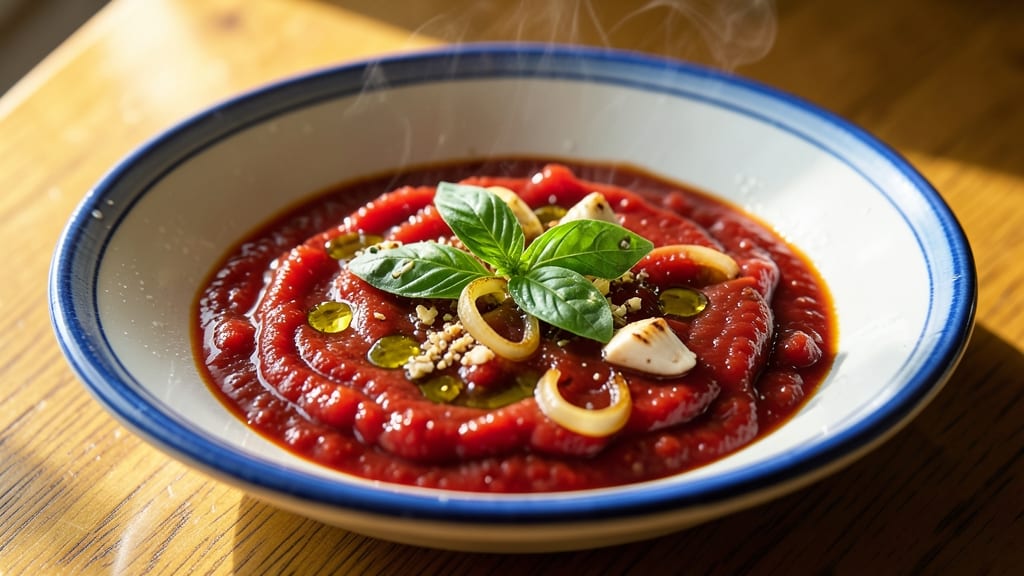
Carmine's marinara sauce recipe delivers the kind of slow-simmered depth that transforms simple pasta into a restaurant-worthy meal. I developed this version after years of experimenting with traditional Italian techniques and pantry staples—no fancy ingredients, just time and attention to detail.
The key lies in reducing the sauce properly, which concentrates the flavors into something rich, velvety, and packed with umami.
What makes this sauce special is its balance of acidity and sweetness, achieved through a combination of canned tomatoes, garlic, and a touch of sugar. We're talking about a sauce that clings perfectly to noodles, enhances meatballs, and stands up to hearty proteins like chicken or sausage.
The slow simmer allows the flavors to meld and develop complexity without overpowering the natural taste of the tomatoes.
By the time you're done, you'll have a sauce that's smooth yet vibrant, with a depth of flavor that comes from hours of gentle cooking.
It's the kind of marinara that makes you want to eat it straight from the pot—thick enough to coat the back of a spoon but still light enough to let the pasta shine. This recipe delivers professional-quality results with simple ingredients and a method anyone can master.
The best part? This sauce keeps beautifully in the refrigerator for up to a week, allowing you to make a big batch and use it throughout the week.
Whether you're serving it over spaghetti, using it as a pizza sauce, or pairing it with grilled meats, the flavor only gets better with time. Let's get started on creating your perfect marinara.
Ingredients for carmine's marinara sauce
Pantry staples meet Italian tradition for this deeply flavorful marinara.
| Ingredient | Amount | Notes |
|---|---|---|
| San Marzano Tomato Cans 🍅 | 2 cans | 28 oz each, crushed by hand |
| Extra-Virgin Olive Oil 🫒 | ½ cup | High quality, fruity variety |
| Garlic Cloves 🧄 | 6 cloves | Fresh, peeled, minced finely |
| Yellow Onion 🧅 | 1 whole | Medium size, finely chopped |
| Fresh Basil Leaves 🌿 | ½ cup | Packed, stems removed |
| Granulated Sugar 🍚 | 1 tbsp | Balances acidity naturally |
| Dried Oregano 🍃 | 1 tsp | Not Mexican oregano |
| Red Wine Vinegar 🍷 | 1 tbsp | Brightens the sauce |
| Salt 🧂 | 1 ½ tsp | Kosher or sea salt |
| Black Pepper 🌶️ | ½ tsp | Freshly ground preferred |
The tomatoes are non-negotiable—San Marzano has that perfect balance of sweetness and acidity. Trader Joe's and Whole Foods carry them, but any quality canned tomatoes work in a pinch. Fresh basil is ideal but dried oregano (at half the amount) keeps this doable when fresh isn't available. The garlic? Fresh only—never the jarred stuff. It's the backbone of the flavor here. I usually grab a whole head and keep it in the freezer once opened.
No San Marzano? Crushed tomatoes work fine—just add an extra pinch of sugar. Vinegar substitute? Lemon juice at the same amount. Short on basil? Fresh parsley or thyme adds a nice twist. Want more depth? A 1/4 cup red wine (dry, like Chianti) during simmering elevates everything. The sugar balances acidity—don't skip it, but adjust if your tomatoes are extra tart. And yes, you can use brown sugar if that's what you've got.
This sauce only gets better with time. Store in airtight glass jars in the fridge for up to 1 week, or freeze for 6 months. I double the batch and freeze half—perfect for lazy weeknights. The flavor develops over time, so if you can wait, do it. Reheat gently on the stove, stirring often. Never microwave—it ruins the texture.
Why You'll Love This Recipe
- San Marzano Shortcut: I swear by those little cans—no peeling, no cores, just sweet, meaty tomatoes that turn into sauce in 20 minutes. The kind of shortcut that makes me feel lazy and proud.
- Garlic-Basil Magic: That first sizzle of garlic in olive oil? Pure alchemy. The San Marzano tomatoes soak it up, then the basil finishes it with a bright, fresh punch—like a hug in a bowl.
- Weeknight to Dinner Party: Same sauce, endless uses. Slather it on pasta for Tuesday, simmer it longer for Sunday company, or freeze half for when you’re too tired to cook. It’s my secret weapon for looking effortless.
- Budget-Friendly Luxury: A few cans and a bulb of garlic cost less than takeout, but taste like you spent hours simmering. Honestly? This is the kind of recipe that makes me question why I ever bought fancy jars of sauce.
Step-by-step instructions for carmine's marinara sauce
Here's how to craft a rich, slow-simmered marinara that balances sweetness and acidity perfectly.
Sauté Aromatics Until Deeply Fragrant
Heat the 0.5 cup extra-virgin olive oil in a heavy-bottomed pot over medium-low heat. Add the 1 whole yellow onion and cook for 5-6 minutes, stirring occasionally, until softened and translucent. You'll notice the onion releases its moisture and becomes more pliable.
Add the 6 cloves minced garlic and cook for another 30 seconds until fragrant but not browned. Garlic burns quickly, so keep an eye on it—you want aroma, not bitterness. This foundational step builds the sauce's flavor complexity, so don't rush it. The onions should be tender enough to break down completely during simmering.
Build Flavor with Vinegar and Sugar
Pour in the 1 tablespoon red wine vinegar and 1 tablespoon granulated sugar, stirring constantly. Let this mixture simmer for 2-3 minutes until the vinegar's sharpness mellows and the sugar begins to caramelize slightly. You'll see the mixture bubble gently and smell a bright, balanced sweet-tart aroma.
Next, add the 1 teaspoon dried oregano and 1.5 teaspoons salt, stirring to distribute evenly. This is where the sauce's character starts developing. The vinegar brightens the tomatoes while the sugar rounds out their natural acidity. Taste the mixture now—it should be tangy with a hint of sweetness, preparing the base for the tomatoes.
Simmer Tomatoes Until Velvety
Open the 2 cans San Marzano tomato cans and pour their contents into the pot, crushing any large chunks with your hands. The San Marzano tomatoes should be whole and crushed, not puréed—this texture creates a beautiful sauce with body. Bring the mixture to a gentle simmer over medium heat, then reduce to low heat and let it cook uncovered for 45-60 minutes.
Stir occasionally to prevent sticking, but don't over-stir—you want to develop a slight skin on the surface that prevents a skin from forming. The sauce should reduce until it coats the back of a spoon and thickens noticeably. You're looking for a glossy, velvety consistency with deep tomato color. If it thickens too quickly, add 1-2 tablespoons water to maintain balance.
Finish with Fresh Basil and Pepper
Remove the pot from heat and stir in the 0.5 cup fresh basil leaves and 0.5 teaspoon black pepper. Let the sauce sit for 5 minutes to allow the basil's aroma to infuse fully. The basil should be added off the heat to preserve its bright, fresh flavor rather than cooking it down into bitterness.
Taste and adjust seasoning—you may need a pinch more salt or a splash of vinegar to balance the flavors. The sauce should be rich with tomato depth, a touch of sweetness, and bright acidity. For best results, let it rest for 10 minutes before serving, allowing the flavors to meld completely. This marinara pairs beautifully with al dente pasta or as a topping for grilled meats.
Pro Tips For Making Carmine'S Marinara Sauce
- CRANK THE HEAT FIRST: Don’t simmer the onions and garlic right away—start them in a cold pan over medium-high heat with a splash of olive oil. I used to let them cook too slow, and they’d just turn mushy instead of sweet and golden. Once the oil shimmers, turn it up to medium and let them sizzle until the onions are translucent but not browned.
- SMASH THOSE GARLIC CLOVES: Peel the garlic cloves, then smash them flat with the side of your knife before adding them to the pan. This way, they release flavor instead of burning and turning bitter. I learned this the hard way when my sauce ended up tasting like garlic soap—trust me, it’s worth the extra 30 seconds.
- SALT THE TOMATOES BEFORE CRUSHING: Drain the San Marzano tomatoes, then sprinkle them with a pinch of salt and let them sit for 10 minutes before crushing. This draws out excess water, making your sauce thicker and more concentrated. I skipped this once and ended up with a watery mess—now I never forget.
- FINISH WITH COLD BASIL: Tear the basil leaves and add them at the very end, right when you take the sauce off the heat. Hot basil wilts into oblivion, but cold leaves keep their bright flavor and vibrant color. Toss them in, give it a quick stir, and serve—your sauce will look and taste like it came from a Roman trattoria.
Wine and beer pairings for these flavors
Italian White Wine
This marinara practically begs for a crisp, medium-bodied Italian white like Vermentino from Sardinia. Its bright acidity and citrus notes cut through the sauce's richness while complementing the basil and tomato flavors. I keep a bottle of Terre Bianche Vermentino on hand—it's my go-to for Italian dishes.
Serve slightly chilled (50-55°F) to enhance the wine's refreshing qualities and let the flavors shine. 🍷
Chianti-Style Red
For a red wine pairing, reach for a Chianti Classico or Sangiovese. The medium tannins and bright acidity in these wines stand up to the sauce's depth without overpowering it.
I love Castello di Volpaia—its cherry and herbal notes harmonize beautifully with the basil and garlic in the marinara. Let the wine breathe for 15-20 minutes before serving to soften the tannins and enhance the wine's complexity. 🍇
Light Lager Pairing
If you prefer beer, a crisp Italian lager like Peroni or Moretti works wonders. The clean, slightly malty profile provides a neutral canvas that lets the marinara's flavors take center stage.
For a craft option, try a Belgian witbier like Hoegaarden—its coriander and citrus notes add a refreshing contrast to the rich sauce. Serve the beer ice-cold (38-40°F) to balance the warm, velvety texture of the marinara. 🍺
Balsamic Reduction
For a non-alcoholic pairing, drizzle the finished marinara with a high-quality aged balsamic vinegar reduction (like Giovanni Rossi). The caramelized sweetness and acidity mirror the sauce's balance, adding another layer of depth.
I like to reduce 2 tablespoons balsamic vinegar in a small saucepan until syrupy, then drizzle it over the sauce just before serving. This works especially well with grilled meats or as a pizza topping. 🍯
Seasonal Adaptations
In summer, I pair this marinara with a Prosecco or Pinot Grigio to complement lighter meals like caprese salad or grilled shrimp. For winter, a bold Barolo or Amarone della Valpolicella stands up to heartier dishes like braised short ribs or osso buco.
The key is matching the wine's intensity to the meal's richness—never let the sauce overpower the drink. 🍷✨
Nutrition facts
Frequently asked questions
Can I substitute fresh tomatoes for canned in this marinara?
Fresh tomatoes work but require extra prep! Use 4-5 large vine-ripened tomatoes (peeled, seeded, and chopped) instead of canned. Simmer them for 20-30 minutes first to break down their texture, then proceed with the recipe. The flavor will be lighter but brighter—perfect for summer.
Why does the sauce need such a long simmer time?
The 45-60 minute simmer is key to developing deep, concentrated flavor. This slow reduction breaks down the tomatoes' natural sugars, creating a velvety texture and balancing acidity. Skipping this step leaves the sauce thin and one-dimensional. Think of it like making a fine wine—patience pays off!
How can I make this sauce spicier?
Add 1/2 teaspoon red pepper flakes during the simmer or stir in 1 tablespoon hot sauce at the end. For heat with depth, sauté 1/2 teaspoon crushed dried chili with the onions. Always taste first—you can add more, but you can't take it out!
Will this sauce work for lasagna?
This marinara's thick, rich texture holds up perfectly in lasagna layers. For best results, spread a thin layer between noodles and cheese, then bake as usual. The long simmer time actually makes it ideal for layered dishes—it won't turn watery when reheated.
What's the best way to store leftovers?
Transfer to airtight glass jars and refrigerate for up to 7 days. For freezing, portion into containers and store for 6 months. Thaw overnight in the fridge—never microwave directly from frozen. The flavor actually improves with time!