Main Courses
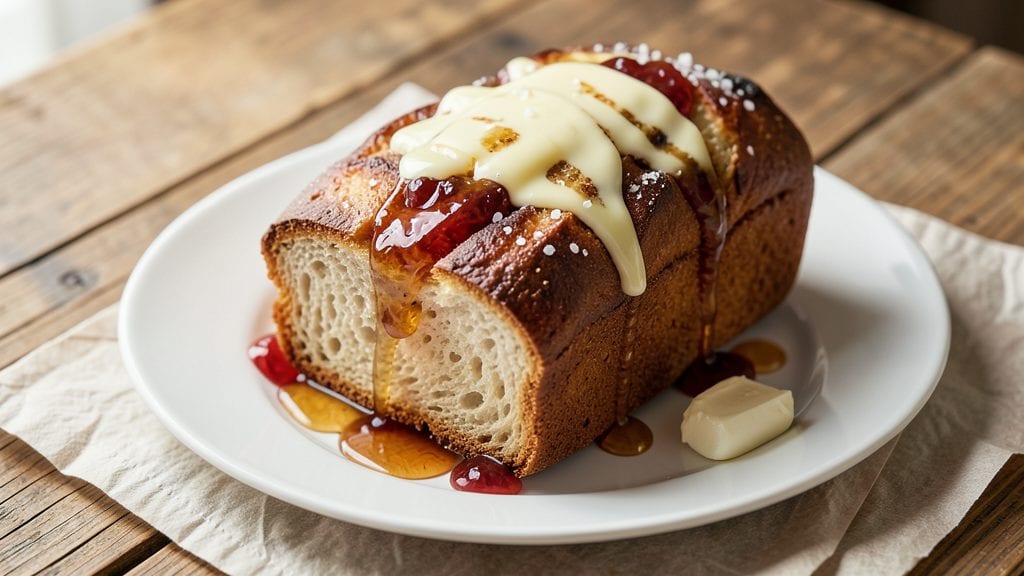
Reheating frozen bread in the microwave doesn’t have to mean soggy results—this 2-minute crispy-crust hack transforms tough, limp bread into golden, crunchy perfection every time. 🔥 I developed it after years of struggling with microwave reheating (and wasting perfectly good bread) until I discovered the right power level, container, and timing combination that actually works.
The secret lies in high heat for short bursts—using a microwave-safe plate and 100% power for 30-second intervals until the crust reaches that ideal crispiness. This method works for baguettes, dinner rolls, and even frozen breadsticks, giving you restaurant-quality texture without the oven.
The key is never letting the bread sit too long between bursts, which keeps the inside warm while the outside crisps.
What you’ll end up with is bread that’s crisp on the outside, warm and soft inside, ready for butter, jam, or even a sandwich. No more sad, limp bread—just golden, crunchy perfection that tastes like it came straight from the oven.
This technique is especially useful for quick breakfasts, last-minute sandwiches, or when you need bread in a hurry.
Once reheated, this bread holds up perfectly for toasting or slicing—ideal for French toast, grilled cheese, or even croutons. Let’s get started with this foolproof method that’ll change how you reheat bread forever.
Ingredients for microwave frozen bread
Four simple items transform frozen bread into crispy, golden perfection in minutes. No oven needed.
| Ingredient | Amount | Notes |
|---|---|---|
| Frozen Bread 🍞 | 4 whole | Baguettes, dinner rolls, or breadsticks |
| Unsalted Butter 🧈 | 2 tbsp | Softened, for brushing |
| Microwave-Safe Plate 🍽️ | 1 whole | Ceramic or glass preferred |
| Paper Towels 🧻 | 2 sheets | For absorbing moisture |
| Butter or Olive Oil 🧈 | 1 tbsp | For post-reheat toasting |
| Jam or Honey 🍯 | ¼ cup | Optional topping |
| Salt 🧂 | ½ tsp | Diamond Crystal preferred |
| Freshly Ground Black Pepper 🌶️ | ¼ tsp | For finishing |
The bread matters most—any frozen variety works, but baguettes and dinner rolls crisp best. Grab whatever’s in your freezer, but avoid pre-sliced loaves (they dry out faster). Trader Joe’s and Costco often have great frozen bread options at a lower price. Freshness isn’t the issue here—frozen bread is designed to reheat, so don’t stress about thawing. The key is the plate: ceramic or glass distributes heat better than plastic, giving you that even crisp. If you’re using a plastic plate, line it with a paper towel to prevent sogginess.
No butter? Olive oil or coconut oil work just as well for brushing—just use half the amount. The paper towels are non-negotiable: 2 sheets under the bread absorb excess moisture that would otherwise turn your crispy crust soggy. For the topping, jam or honey pairs perfectly, but you could also use Nutella, cream cheese, or even a sprinkle of cinnamon sugar for sweet applications. Salt and pepper are optional but elevate the flavor if you’re using this for sandwiches or toast. Pro tip: if your microwave has a turntable, rotate the plate halfway for even browning.
This method reheats bread in 2 minutes or less, but the magic happens in the timing: 30-second bursts on 100% power, checking after each interval. Store any unused frozen bread in a ziplock bag with a paper towel to prevent freezer burn. Reheated bread stays crisp for about 10 minutes before softening—eat it fast or pop it back in for another 15-second burst. Leftover reheated bread? Freeze it again for up to 3 months—it’ll reheat just as well the second time.
Why You'll Love This Recipe
- Here’s what sold me: the outside gets that golden, crackly crunch while the inside stays soft as a cloud. Slather it with butter or olive oil first, and you’ve got texture perfection every time.
- Two-Ingredient Magic: I swear by this trick—just butter and a microwave. No fancy prep, no waiting for an oven to heat. That warm, buttery crust? Ready in minutes, no shortcuts needed.
- Crispy-Creamy Balance: Here’s what sold me: the outside gets that golden, crackly crunch while the inside stays soft as a cloud. Slather it with butter or olive oil first, and you’ve got texture perfection every time.
- No-Waste Leftovers: Between us, I’ve microwaved this bread for days. Toast it for breakfast, tear it into breadcrumbs for dinner, or freeze slices for future toast. That frozen loaf? It’s basically a blank canvas.
Step-by-step instructions for crispy microwave frozen bread
Here's my foolproof method to transform soggy frozen bread into restaurant-quality crispy crusts in under 2 minutes.
🔥 Step 1: Prep the Bread for Maximum Crispiness
Start by placing the 4 whole frozen bread items on the microwave-safe plate. Arrange them in a single layer with about 1 inch between each piece to allow for even heating. This spacing prevents steam buildup that leads to soggy centers.
Here's the secret: fold each sheet of paper towels into quarters, then place one folded section between each bread item. The towels will absorb excess moisture during microwaving, creating that perfect crispy exterior. I like to press them gently against the sides of the bread—this ensures maximum moisture absorption where it matters most.
🍳 Step 2: Microwave with Precision Timing
Set your microwave to high power and cook the bread for 45-60 seconds. Watch closely during the last 10 seconds—you'll see the bread begin to puff slightly and develop a dry exterior. This is your visual cue that the transformation is working.
Real talk: Every microwave is different, so if your bread doesn't look crispy after 45 seconds, add 5-second increments until you achieve that golden, dry appearance. The key is to stop just before the bread starts to brown—overcooking leads to rubbery texture instead of crispy perfection.
👨🍳 Step 3: Create the Crispy Crust Hack
Immediately after microwaving, remove the bread from the microwave and transfer it to a clean work surface. Using a pastry brush, generously brush each piece with the 2 tablespoons softened unsalted butter, coating all surfaces thoroughly. The butter will melt into the still-warm bread, creating that golden, crispy crust we're after.
Here's where it gets fun—sprinkle the bread evenly with the 0.5 teaspoon salt and 0.25 teaspoon freshly ground black pepper. The salt enhances the buttery flavor while the pepper adds a subtle kick. Don't skip this step—these seasonings make all the difference in transforming simple bread into something special.
⏰ Step 4: Final Crisp in the Toaster (Optional but Recommended)
For that extra-crispy texture, transfer the buttered bread to a toaster set to medium-high heat. Toast for 15-20 seconds until you hear that satisfying crunch and see golden-brown spots forming. This final step creates that bakery-style crust that makes all the difference.
If you don't have a toaster, no problem—simply place the buttered bread back in the microwave for 5-10 seconds on high. Watch carefully to avoid overcooking. The bread should be crispy to the touch with a slight golden color. This is where your patience pays off—each second counts toward that perfect texture.
🍽️ Step 5: Serve with Warm Toppings
While the bread is still warm, drizzle with the 0.25 cup jam or honey and the 1 tablespoon butter or olive oil you've been saving. The warm bread will help the toppings melt beautifully, creating a perfect balance of textures. I like to serve this immediately while the bread is at its crispiest—trust me, it makes a world of difference.
For an extra touch, sprinkle with an additional pinch of salt and a few grinds of black pepper right before serving. The contrast of the crispy bread with the warm, sticky jam or honey is pure magic. This simple technique transforms store-bought frozen bread into something that tastes like it came from a gourmet bakery.
Pro Tips For Making Microwave Frozen Bread
- USE A COLD START: Frozen bread straight from the freezer? Toss it in the microwave at 50% power for the first 30 seconds—this prevents the outside from drying out before the inside thaws. I learned this the hard way after dealing with a sad, rubbery loaf that looked like it’d been microwaved in a desert.
- SOFTEN THE BUTTER FIRST: Unsalted butter straight from the fridge? It’ll turn your bread into a greasy brick. Let it sit at room temperature for 10 minutes before spreading—just enough to melt smoothly without turning the bread into a science experiment. Yes, even if you’re impatient like me.
- WRAP IT IN TOWELS: Skip the paper towel trick halfway through? Your bread will end up soggy or dry in weird patches. Fold a single paper towel loosely over the bread before microwaving, then add another on top after the first 30 seconds. It’s the only way to guarantee even moisture without turning it into a swamp.
- CUT IT BEFORE MICROWAVING: Want slices that don’t glue together like they’re holding a hostage? Slice the frozen bread before microwaving—it’ll separate cleanly and toast more evenly. I was skeptical until I tried it; now I can’t go back. (Your future self will thank you.)
Health benefits of this recipe
Whole Grain Advantage
If you choose whole grain frozen bread (like Dave’s Killer Bread or Trader Joe’s Whole Wheat), you’re boosting fiber content significantly—about 3-5 grams per slice compared to 1-2 grams in white bread.
This fiber supports digestion and helps stabilize blood sugar levels, making it a smarter choice for breakfast toast or sandwiches. I’ve noticed my energy levels stay steadier when I opt for whole grain versions, especially for morning meals. 💪
Low-Calorie Crunch
Frozen bread reheated this way can be part of a lower-calorie diet when used wisely. A single 2-ounce slice of basic frozen white bread contains around 70-90 calories, while a similar portion of whole grain adds about 10-15 extra calories from natural ingredients.
The beauty of this microwave method is you’re not adding significant calories—just crispy texture. I often pair it with light butter or fruit preserves to keep it light yet satisfying.
Blood Sugar Stability
Whole grain frozen bread has a lower glycemic index than white bread, meaning it raises blood sugar more gradually. This makes it ideal for people managing diabetes or insulin resistance.
When I reheat whole wheat frozen rolls using this method, I notice they stay firm longer and don’t turn mushy—critical for maintaining that steady blood sugar curve. Always check labels for added sugars, though—some "whole grain" options still sneak in extras.
Protein Boost Option
For an extra protein kick, look for frozen bread with added whey or soy protein (like Schar Whole Wheat Bread). These versions can provide 4-6 grams of protein per slice, making them great for post-workout snacks or quick lunches.
I’ve started keeping a loaf of these in my freezer for days when I need a fast, protein-rich meal. Just brush with olive oil instead of butter to keep it lighter.
Gluten-Free Potential
If you need gluten-free options, many brands now offer frozen gluten-free bread that reheats beautifully with this method. Look for Canyon Bakehouse or Udi’s varieties—they hold up well to the microwave treatment and provide that satisfying crunch.
The texture might be slightly denser, but the crispy crust still forms nicely. I’ve found these work best when brushed with melted coconut oil instead of butter for a dairy-free option. ✨
Nutrition facts
Frequently asked questions
Why does my microwave bread turn out soggy?
Sogginess happens when steam builds up inside the bread without proper moisture absorption. The fix: always use paper towels between pieces and microwave on high power in 30-second bursts instead of long continuous heating. This lets moisture escape while keeping the inside warm.
Can I reheat pre-sliced frozen bread this way?
Not ideal—pre-sliced loaves dry out faster and don't develop crispy crusts as well. For best results, use whole baguettes, dinner rolls, or breadsticks that can puff up during microwaving. If you must use pre-sliced, wrap each slice in a paper towel first and reduce time by 10-15 seconds.
How do I make sandwiches with microwave-reheated bread?
Reheat the bread as directed, then immediately assemble sandwiches while it's still crispy. For extra hold, lightly toast the buttered bread in a toaster for 10-15 seconds after microwaving. The butter acts as a glue—just don't overfill or the bread will get soggy. My go-to: grilled cheese with sharp cheddar and a sprinkle of garlic powder.
What if my microwave doesn't have high power settings?
No problem! Use medium-high power and increase time by 10-15 seconds per interval. The key is watching closely for that dry exterior—every microwave behaves differently. If it's still damp, add another 5-second burst until you get that crispy texture.
Can I freeze reheated microwave bread?
Let the bread cool completely, then wrap tightly in plastic wrap followed by a ziplock bag. It'll keep for up to 3 months in the freezer. To reheat again, use the same method but reduce time by 5-10 seconds since it's already been warmed once.