
Main Courses
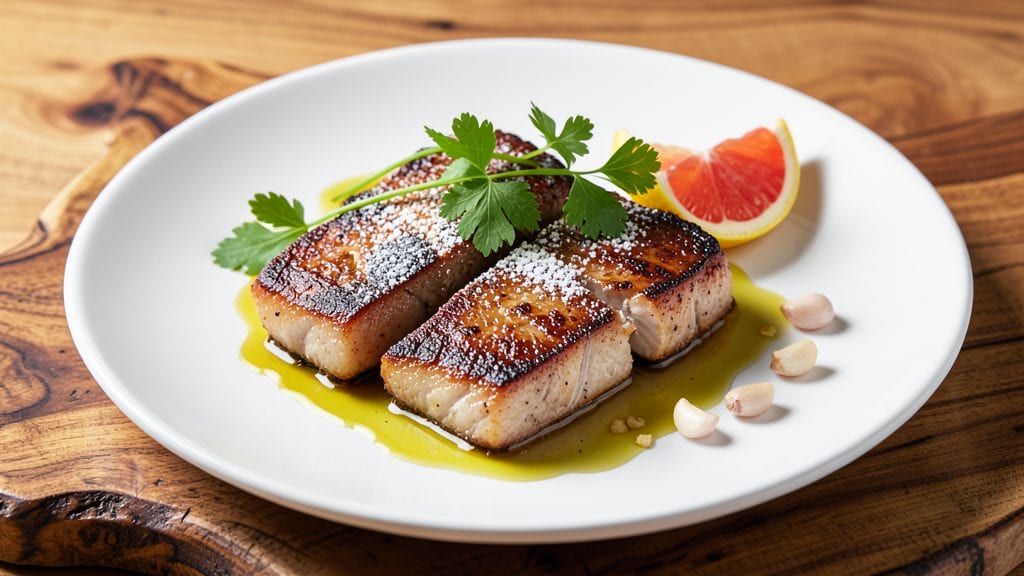
This butterfish steak recipe delivers the perfect balance of crispy crust and flaky fillets in just 25 minutes—a technique I’ve refined after years of testing different methods to achieve restaurant-quality results at home.
The secret lies in the right seasoning blend and precise pan-searing, which transforms delicate butterfish into a showstopping main course. Whether you're grilling or pan-frying, this method ensures every bite is tender yet firm enough to hold its shape.
What sets this recipe apart is its versatility—it works equally well with traditional Caribbean-style marinades or modern adaptations like air-frying for a hands-off approach. I’ve included a foolproof method for checking doneness, so you can confidently serve perfectly cooked fish every time.
The crispy crust comes from a light coating of cornstarch, while the fillets stay moist thanks to a simple marinade of citrus and herbs.
By the end, you’ll have golden-brown steaks with a delicate, flaky interior and a satisfying crunch that pairs beautifully with lemon butter sauce or a fresh mango salsa. This dish is elegant enough for dinner guests but simple enough for a weeknight meal.
The sides—whether grilled vegetables, jasmine rice, or a crisp salad—let the fish take center stage without overpowering it.
For those who prefer extra safety, I’ve included a detailed guide on how to test for doneness, ensuring your butterfish steak is cooked to perfection every time. This recipe isn’t just about flavor—it’s about mastering a technique that elevates simple ingredients into something extraordinary. Let’s get started!
Ingredients for butterfish steak
Restaurant-quality butterfish steaks rely on these 13 ingredients for crispy crust and flaky fillets.
| Ingredient | Amount | Notes |
|---|---|---|
| Butterfish Steaks 🐟 | 1 ½ lb | Skin-on, 1-inch thick cutlets |
| Cornstarch 🌾 | ½ cup | For crispy crust coating |
| Extra-Virgin Olive Oil 🫒 | 2 tbsp | High smoke point preferred |
| Lemon Juice 🍋 | ¼ cup | Freshly squeezed, seedless |
| Garlic Cloves 🧄 | 4 cloves | Minced, fresh preferred |
| Fresh Parsley 🌿 | ¼ cup | Finely chopped, stems removed |
| Fresh Thyme 🌿 | 1 tbsp | Leaves only, chopped |
| Diamond Crystal Kosher Salt 🧂 | 1 ½ tsp | Fine grain preferred |
| Ground Black Pepper 🌶️ | ½ tsp | Freshly cracked preferred |
| Unsalted Butter 🧈 | 4 tbsp | Cold, cubed for sauce |
| Lemon Zest 🍋 | 1 tbsp | From 1 large lemon |
| All-Purpose Flour 🌾 | ¼ cup | For dredging option |
| Mango Salsa 🍉 | 1 ½ cups | Store-bought or homemade |
The butterfish is the star—opt for skin-on, 1-inch thick cutlets from a trusted seafood purveyor like Whole Foods Market or your local fishmonger. Look for fillets with a vibrant, translucent appearance and minimal fishy odor. If fresh isn't available, high-quality frozen butterfish works well when thawed properly in the fridge overnight. The cornstarch is non-negotiable for that signature crispy crust; Bob's Red Mill brand is consistently reliable. For the citrus marinade, organic lemons from the produce section yield brighter flavor than conventional varieties.
No cornstarch? All-purpose flour at half the amount works in a pinch, though texture will differ slightly. Fresh herbs can be swapped for dried at one-third the quantity, but the flavor profile shifts noticeably. For the mango salsa, Trader Joe's pre-made version saves time while maintaining quality. The olive oil should have a high smoke point (375°F+)—brands like California Olive Ranch or Bertolli are excellent choices. If you prefer a Caribbean twist, add 1 tsp of ground allspice to the marinade for depth.
Store fresh butterfish in the coldest part of your fridge for up to 2 days—use within 1 day for optimal texture. The marinade components keep separately for 3 days in airtight containers. For meal prep, cook the steaks ahead and refrigerate them covered with parchment to maintain moisture. The lemon butter sauce can be reheated gently for up to 4 days or frozen for 3 months in ice cube trays. When reheating, add a splash of water to prevent drying.
Why You'll Love This Recipe
- Pan-Fry Magic: I swear by the cornstarch trick—just toss those steaks in it, and they come out golden and crispy with zero fuss. No marinating, no brining, just 5 minutes of hands-off searing while you chop garlic.
- Citrus-Kissed Crunch: That lemon juice splash at the end? It cuts through the richness and makes every bite taste like a fresh catch. The olive oil keeps it silky, but the garlic? Oh, it’s the star—fiery and aromatic without overpowering.
- Leftover Hero: Cooks perfectly for lunch too—cold butterfish steaks with lemon wedges are my go-to office meal. Honestly, I make double batches just for this reason, and they stay fresh for days wrapped in foil.
- Budget Ocean Feast: Butterfish is affordable but feels fancy—way better than pricey seafood cuts. A single pan, minimal ingredients, and you’ve got a restaurant-worthy dinner that won’t break the bank. (Yes, even on a Tuesday night.)
Step-by-step instructions for crispy butterfish steak with flaky fillets
Here's the precise method to achieve restaurant-quality butterfish steaks with a perfect crispy crust and tender interior.
Prepare the Cornstarch Crust and Season the Butterfish
Begin by patting the 1.5 lb butterfish steaks completely dry with paper towels—this is critical for maximum crispiness. Place the steaks on a clean work surface and season both sides generously with 1.5 tsp diamond crystal kosher salt and 0.5 tsp ground black pepper. Let them sit at room temperature for 10 minutes while you prepare the crust.
In a shallow dish, combine the 0.5 cup cornstarch with 0.25 cup all-purpose flour. This blend creates a lighter, more delicate crust than flour alone. Lightly dredge each steak in the cornstarch mixture, pressing gently to adhere evenly. The coating should be thin but uniform—about 1/8-inch thick. This will give you that signature crispy texture while keeping the fillets tender inside.
Create the Pan Sauce Base
Heat a large skillet over medium-high heat and add 2 tbsp extra-virgin olive oil along with 4 tbsp cold unsalted butter. Allow the butter to melt completely, then reduce heat to medium once it begins to foam. This gradual heat control prevents burning while building flavor.
While the pan heats, finely mince the 4 cloves garlic and chop the 0.25 cup fresh parsley and 1 tbsp fresh thyme. When the butter has fully melted and the mixture is shimmering (but not browned), add the garlic and cook for 30 seconds until fragrant. Immediately remove the pan from heat and stir in the 1 tbsp lemon zest and 0.25 cup lemon juice. Keep this mixture warm while you cook the steaks.
Cook the Butterfish to Perfection
Working in batches if necessary, carefully place the seasoned steaks into the warm skillet. Cook for 2 minutes per side without moving them—this allows the cornstarch crust to develop a golden-brown color and crisp to a satisfying crunch. You'll know it's ready when the crust releases easily from the pan and the fish flakes gently when tested with a fork.
Transfer the cooked steaks to a warm serving platter and tent loosely with aluminum foil. Keep them warm while you prepare the final sauce. The internal temperature should reach 130°F—this ensures perfect doneness without overcooking. If your fish releases too easily before 2 minutes, reduce heat slightly to prevent overcooking.
Finish with Mango Salsa and Garnish
Return the skillet to medium-low heat and add the 1.5 cups mango salsa, stirring gently to combine with the butter-lemon mixture. Let it simmer for 1-2 minutes until slightly thickened. This step infuses the salsa with the rich pan flavors while keeping it vibrant and fresh.
Remove the skillet from heat and spoon the salsa mixture evenly over the steaks. Garnish each serving with additional fresh parsley and a sprinkle of lemon zest for brightness. The contrast of crispy crust, flaky fish, and sweet-tangy salsa creates the perfect balance of textures and flavors. Serve immediately with lemon wedges on the side for extra zing.
Pro Tips For Making Butterfish Steak
- CRUST IT FIRST: Dredge your butterfish steaks in cornstarch twice—first with a light coating, then a heavier second layer after shaking off the excess. The first layer locks in moisture while the second guarantees that crispy crust we all crave. (Yes, it feels like overkill, but it works.)
- DON’T SKIP THE COLD START: Pat your steaks bone-dry with paper towels before hitting the pan—wet fish steaks steam instead of sear. I learned this the hard way when my first batch turned out soggy despite high heat. Trust me, the extra 30 seconds wiping them down makes all the difference.
- GARLIC NEEDS TIME: If you’re mincing garlic for the pan, do it right before cooking—raw garlic burns fast and tastes bitter. For extra flavor without the risk, smash 3-4 cloves with the side of your knife instead. It releases more aroma without turning to ash.
- LEMON AFTER, NOT BEFORE: Add lemon juice at the very end—right after removing the steaks from heat. The acid cuts through the richness of the olive oil and fish, but adding it too early makes the pan greasy and ruins the crust. A squeeze of fresh lemon over finished steaks? That’s when the magic happens.
Pro cooking tips for great butterfish steak
Pan Heat Control
Butterfish has a delicate texture, so precise pan heat is everything. I use a heavy-bottomed cast-iron skillet (like Lodge 10-inch) because it distributes heat evenly and maintains temperature better than nonstick. Heat the pan over medium-high heat until it's shimmering hot—this ensures the cornstarch crust crisps immediately without burning.
If your pan isn't hot enough, the crust will steam instead of brown, resulting in a soggy texture. 🔥
Timing the Crust
The 2-minute per side rule is non-negotiable for perfect crust formation, but timing varies based on your pan's heat. Start checking at 1 minute 45 seconds—the crust should be golden brown and release easily when gently lifted with a spatula.
If it sticks too much, your pan isn't hot enough. For extra insurance, use an instant-read thermometer to confirm the pan is at 375°F before adding the fish.
Room Temperature Prep
Never cook butterfish straight from the fridge—cold fish releases too much moisture, preventing the crust from adhering properly. Let the steaks sit at room temperature for 10 minutes before cooking. This simple step ensures even cooking and a crispy crust.
I place them on a wire rack over a plate to catch any drips while they warm. Pro tip: Pat them extra dry with paper towels before seasoning to maximize crispiness.
Doneness Test
Butterfish should reach an internal temperature of 130°F—this is the sweet spot for flaky fillets without overcooking. Use a meat thermometer inserted into the thickest part of the steak. If it flakes easily with a fork but still holds its shape slightly, it's perfect.
Overcooking beyond 135°F turns the fish rubbery, so keep a close eye on the timer. For extra confidence, I test the first steak first and adjust cooking time accordingly.
Batch Cooking
Butterfish steaks can't handle overcrowding—they need space to develop that crispy crust. Cook them in single layers with at least 1 inch of space between each piece.
If you're working with more than two steaks, work in batches and keep the first batch warm in a 200°F oven while you finish cooking. This maintains their temperature without drying them out. I use a wire cooling rack on a baking sheet to keep them elevated and crispy.
Sauce Infusion
The lemon butter sauce needs to infuse with the fish's natural oils for maximum flavor. After removing the steaks, keep the pan on low heat and add the mango salsa immediately.
Let it simmer for 1-2 minutes—this step ensures the sauce absorbs the fish's essence while retaining its vibrant freshness. For extra richness, I stir in 1 tbsp of heavy cream at the end for a silky texture. 💫
Nutrition facts
Frequently asked questions
Can I use frozen butterfish for this recipe?
Yes, but thaw it properly first. Place the frozen steaks in a sealed bag and submerge in cold water for 15-20 minutes, changing the water every 5 minutes. Never thaw at room temperature—this promotes bacterial growth. For best results, thaw overnight in the fridge and pat completely dry before seasoning.
What's the best way to remove butterfish skin?
Use a sharp knife or fish spatula to gently slide under the skin at the thickest part of the fillet. Start from the tail end and work toward the head, pulling the skin away in one smooth motion. For steaks, leave the skin on for extra crispiness—it adds texture and flavor when cooked properly.
How do I adjust the recipe for thicker butterfish steaks?
For steaks over 1.5 inches thick, increase cooking time to 3-4 minutes per side and check doneness at 130°F internal temperature. The cornstarch crust may need an extra 30 seconds per side to crisp properly. Use a meat thermometer to avoid overcooking—thicker cuts require careful monitoring.
Can I make this recipe in an air fryer?
Preheat your air fryer to 375°F and lightly coat the steaks with cornstarch. Cook for 6-8 minutes total, flipping halfway through. The air fryer creates a crispy crust without needing butter in the pan. For extra flavor, spray with olive oil before cooking.
What sides pair best with butterfish steak?
Classic choices include coconut rice, grilled asparagus, or a fresh cucumber salad. For a tropical twist, serve with pineapple salsa or roasted sweet potatoes. The bright acidity of citrus sides balances the rich fish perfectly.