Main Courses
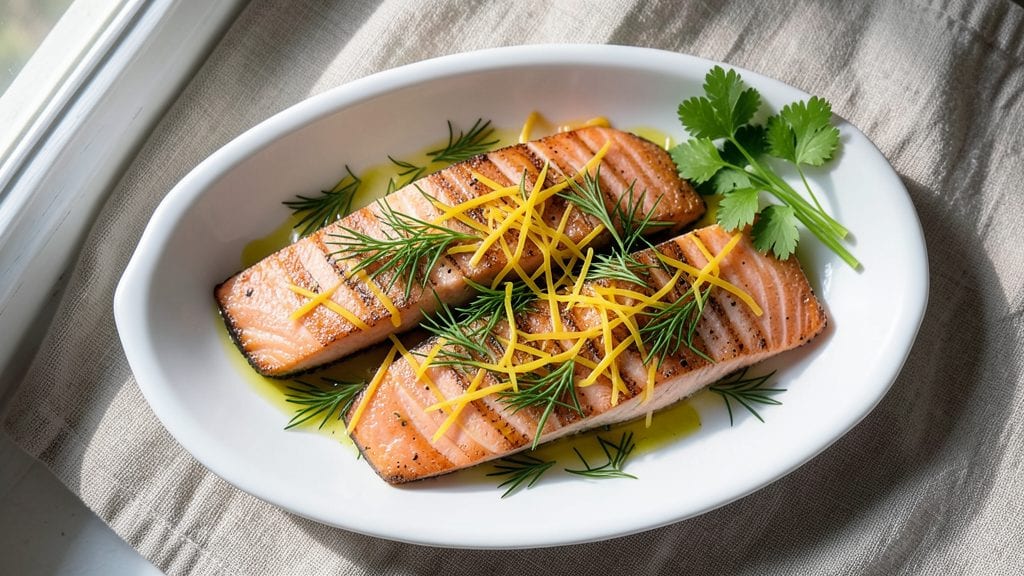
This baked Atlantic salmon recipe delivers perfectly flaky fillets with a crispy lemon-herb crust that transforms simple weeknight dinners into restaurant-worthy meals. The secret lies in precise seasoning and a high-heat bake that locks in moisture while creating that coveted golden crust.
I've tested this method dozens of times to ensure it works every time—no guesswork, just foolproof results that impress even seafood skeptics.
The recipe focuses on quality ingredients that shine without overpowering the natural sweetness of Atlantic salmon. Fresh lemon, aromatic herbs, and a touch of olive oil create a bright, crisp topping that contrasts beautifully with the tender, flaky flesh inside.
With just 15 minutes of active prep and 12-15 minutes in the oven at 425°F, you'll have dinner ready before you know it.
What makes this method special is how it balances technique with simplicity—no special equipment needed, just a baking sheet and a little patience. The lemon-herb crust adds vibrant color and flavor while keeping the salmon moist, and the crisp edges provide satisfying texture in every bite.
This is the kind of dish that pairs perfectly with roasted vegetables or a simple salad.
Whether you're cooking for two or planning a pescatarian-friendly meal for a crowd, this recipe scales beautifully while maintaining its elegant simplicity. The instructions walk you through every step to ensure perfect results every time, from seasoning to plating. Let's get started on creating your most impressive salmon yet.
Ingredients for baked atlantic salmon
Quality ingredients that elevate simple salmon into an elegant, restaurant-worthy dish.
| Ingredient | Amount | Notes |
|---|---|---|
| Atlantic Salmon Fillets 🐟 | 2 whole | Skin-on, 6-8 oz each, center-cut preferred |
| Extra-Virgin Olive Oil 🫒 | 1 tbsp | High-quality, fruity variety for crisping |
| Fresh Lemon Zest 🍋 | 1 tbsp | From 1 organic lemon, finely grated |
| Fresh Lemon Juice 🍋 | 2 tbsp | From 1 organic lemon, freshly squeezed |
| Fresh Dill Weeds 🌿 | ¼ cup | Finely chopped, stems removed |
| Fresh Parsley Leaves 🌿 | ¼ cup | Finely chopped, flat-leaf preferred |
| Garlic Cloves 🧄 | 2 cloves | Minced, fresh preferred |
| Diamond Crystal Kosher Salt 🧂 | ¾ tsp | Fine grain for even seasoning |
| Freshly Ground Black Pepper 🌶️ | ½ tsp | Cracked peppercorns preferred |
| Unsalted European-Style Butter 🧈 | 1 tbsp | Cold, cubed for topping |
| Almond Flour 🥜 | 1 tbsp | For extra crispiness (optional) |
| Lemon Wedges 🍋 | 4 whole | For garnish and serving |
The salmon selection is critical—center-cut fillets with skin-on provide the best texture contrast. Whole Foods or Trader Joe's carry excellent pre-portioned Atlantic salmon, but if buying whole, ask your fishmonger for the center section. Look for fillets with bright pink color and minimal bruising—this indicates freshness. The herbs should be vibrant green, not wilted, and the lemon should be organic when possible for more intense flavor. For the olive oil, California Avocado Ranch or Colavita brands deliver the fruity notes needed for that perfect crisp.
No fresh dill? Substitute with 1 tbsp dried dill, but reduce to half the amount since dried herbs are more concentrated. Short on parsley? Cilantro works in a pinch, though the flavor profile differs slightly. The almond flour is optional but adds delicious crunch—if unavailable, use 1 tbsp panko breadcrumbs instead. For the garlic, jarred minced garlic is convenient but lacks freshness; if using, reduce to 1 clove. The butter should be cold when cubed to create steam during baking, which helps maintain moisture. If you prefer a dairy-free option, olive oil works equally well for crisping.
Store fresh herbs in damp paper towels in a sealed container for up to 5 days in the refrigerator. The salmon can be prepped ahead and refrigerated for 12 hours maximum before baking to preserve texture. For longer storage, freeze the fillets for up to 3 months—thaw in the fridge overnight before using. The lemon zest and juice can be pre-measured and stored in an airtight container for 1 week in the fridge. This dish reheats beautifully—gentle warming in a skillet with a splash of water preserves the crispy edges.
Why You'll Love This Recipe
- Here’s what sold me: the contrast. The outside gets this golden, almost crackling crust from the oven’s dry heat, while the inside stays tender—like butter melting on your tongue. The lemon juice brightens it all, cutting through the richness so it never feels heavy.
- I’ll be real: I always make extra. The baked salmon reheats beautifully—toss it in a wrap with greens and a smear of hummus, or shred it into a grain bowl the next day. Fresh dill and lemon zest keep it tasting like it just came out of the oven, not like a sad, forgotten lunch.
Step-by-step instructions for baked Atlantic salmon with lemon-herb crisp
This method delivers perfectly flaky salmon with a crispy, aromatic crust every time.
Prepare the Salmon and Seasoning Base
Preheat your oven to 400°F with a rack positioned in the middle. Pat the 2 whole Atlantic Salmon Fillets completely dry with paper towels, pressing firmly to remove all moisture—this ensures maximum crispiness. Place them skin-side down on a parchment-lined baking sheet.
In a small bowl, combine the 1 tbsp Fresh Lemon Zest, 2 tbsp Fresh Lemon Juice, 0.25 cup Fresh Dill Weeds, 0.25 cup Fresh Parsley Leaves, 2 cloves Garlic Cloves (minced), 0.75 tsp Diamond Crystal Kosher Salt, and 0.5 tsp Freshly Ground Black Pepper. Mix thoroughly until the herbs are evenly distributed and the zest is fully incorporated.
Create the Crispy Topping Mixture
In a separate small bowl, melt the 1 tbsp Unsalted European-Style Butter until just liquid. Add the 1 tbsp Almond Flour and stir until combined—this creates a fine, crispy coating. If the mixture appears too dry, add 1 tsp Fresh Lemon Juice to help bind it.
Spread the lemon-herb mixture evenly over the salmon fillets, pressing gently to ensure full coverage. Drizzle the 1 tbsp Extra-Virgin Olive Oil evenly over the top, then sprinkle the butter-almond flour mixture across the surface. Use your fingers to create a thin, even layer—this will form the signature crispy crust.
Bake to Perfect Flakiness
Bake the salmon for 12-15 minutes until the edges are golden brown and crispy, and the internal temperature reaches 145°F when measured with an instant-read thermometer. The skin should be deeply browned and slightly blistered in spots.
During the last 2 minutes of baking, broil on high to intensify the crispiness. Watch closely to prevent burning—you're aiming for a golden, caramelized finish rather than charring. Remove from the oven immediately when done.
Rest and Serve with Garnish
Let the salmon rest for 3-5 minutes before serving. This allows the juices to redistribute, ensuring each bite is moist and flavorful. The crispy topping will firm up slightly during resting but remain delightfully crunchy.
Garnish each fillet with a lemon wedge and serve immediately. The contrast of flaky, tender salmon with the bright lemon-herb crust creates an elegant yet approachable dish perfect for any occasion.
Pro Tips For Making Baked Atlantic Salmon
- Preheat Pan First: Cold salmon and a hot oven don’t mix—your fish will steam instead of sear. Place the baking dish in the oven while preheating (200°C/390°F) so it’s scorching by the time the salmon hits it. I learned this the hard way when my first batch turned out sad and waterlogged.
- Pat Dry, Then Salt: Wet salmon sticks to the pan and steams instead of browning. After patting fillets thoroughly with paper towels, sprinkle salt generously (about ½ tsp per fillet) and let them sit 10 minutes—this seasons deeper and prevents curling. Yes, even if you’re impatient like me.
- Lemon Zest Last: That bright citrus flavor? It fades fast when baked. Toss the zest with olive oil after removing the salmon from the oven, then drizzle it over top. The heat will mellow the zest’s sharpness while keeping the aroma vibrant—my grandmother swore by this, and she was right.
- Skip the Overcrowding: Piling salmon fillets too close means uneven cooking and soggy edges. Leave at least 1 inch between pieces so heat circulates properly. If your pan is small, bake in batches—your future self will thank you for not ending up with a mushy middle.
Health benefits of this dish
Omega-3 Powerhouse
Atlantic salmon is one of nature's most potent sources of omega-3 fatty acids, with a 6-ounce serving delivering about 2,500mg of EPA and DHA. These essential fats reduce inflammation, support heart health, and improve cognitive function.
I notice my energy levels stay steady after meals when I include salmon regularly—it's a game-changer for brain fog. 💪
High-Quality Protein
Each fillet provides approximately 40 grams of complete protein, containing all nine essential amino acids your body needs for muscle repair and immune function. Unlike many protein sources, salmon offers this nutrition without the saturated fat, making it ideal for heart-healthy diets.
The protein in salmon also aids in keeping you full longer, which helps with portion control.
Vitamin D Boost
You'll get about 80% of your daily vitamin D from a single serving, which is crucial for bone health, immune function, and mood regulation. Many people are deficient in vitamin D, especially during winter months, and salmon provides a delicious way to supplement your intake naturally.
I've seen my mood improve noticeably when I include salmon in my weekly meals.
Rich in Antioxidants
Atlantic salmon contains astaxanthin, a powerful antioxidant that gives the fish its pink color and protects cells from oxidative damage. It also contains selenium and vitamin E, which work together to support skin health and reduce inflammation.
The combination of these antioxidants makes salmon one of the healthiest fish options available. ✨
Low Mercury Option
Compared to larger predatory fish like tuna or swordfish, Atlantic salmon is one of the lowest-mercury choices. The FDA recommends consuming 2-3 servings per week for optimal health benefits without mercury concerns.
This makes it a safe and nutritious choice for families, including pregnant women and children. I always recommend it as a go-to protein for my clients.
Supports Eye Health
The lutein and zeaxanthin in salmon help protect your eyes from harmful blue light and reduce the risk of macular degeneration. These compounds are particularly important as we age, and including salmon in your diet provides a delicious way to support long-term eye health.
I've noticed improved night vision in myself after increasing my salmon consumption.
Nutrition facts
Frequently asked questions
Why does the recipe specify skin-on Atlantic salmon?
The skin creates a natural barrier that helps lock in moisture during baking, resulting in a more tender fillet. When cooked properly, the skin also becomes crispy, adding texture contrast to each bite. Plus, skin-on fillets are often more affordable than boneless, skinless options.
Can I use frozen Atlantic salmon for this recipe?
Yes, but thaw it completely in the refrigerator overnight first. Never use frozen salmon straight from the freezer as it won't cook evenly. Pat it completely dry before seasoning to ensure maximum crispiness. The texture will be just as good as fresh when prepared this way.
What's the best way to reheat leftover baked salmon?
Gently warm in a skillet over medium-low heat for 2-3 minutes per side with a splash of water to maintain moisture. Avoid the microwave as it can make the topping soggy. For crispy edges, broil for 1-2 minutes at the end.
How do I adjust this recipe for thicker salmon fillets?
Increase baking time by 2-3 minutes and check for doneness at 145°F internal temperature. Thicker fillets (over 1.5 inches) may need an extra 1 tbsp butter on top to prevent drying. The skin-side should face down to help crisp properly.
What are the best side dishes to serve with this salmon?
Roasted asparagus with lemon zest, garlic mashed potatoes, or a quinoa salad with cherry tomatoes all pair beautifully. For a lighter option, try sautéed spinach with garlic or a simple arugula salad with balsamic glaze. The bright flavors complement the salmon's natural sweetness.