
Main Courses
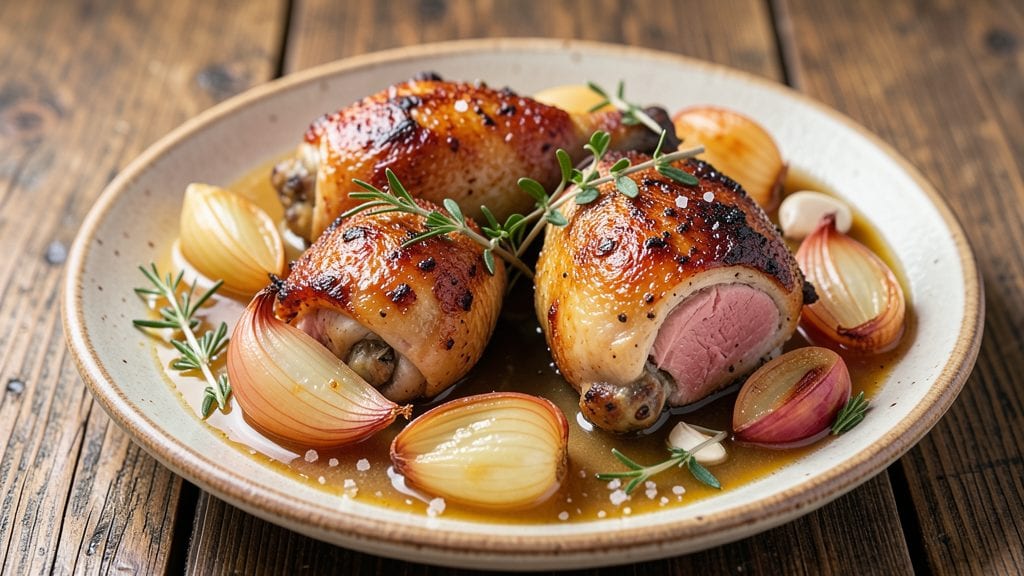
Mastering boiled chicken thighs transforms simple ingredients into a juicy, restaurant-worthy dish that requires just one pot and 30 minutes of active time.
After years of testing different methods—including my early graduate-school attempts that ended in rubbery results—I’ve perfected a technique that keeps the meat tender, flavorful, and effortlessly adaptable to any meal. The secret lies in a simple saltwater bath and a few key timing adjustments that ensure every bite stays moist.
What makes this recipe stand out is its versatility: you can serve these thighs as a standalone protein for sandwiches, toss them into salads for added heartiness, or pair them with roasted vegetables and crusty bread for a complete meal.
The method itself is foolproof—no fancy equipment, no complicated steps, just precise cooking times and a flavorful broth that infuses the chicken with subtle depth. I’ve tested this with both bone-in and boneless thighs, and both yield exceptional results when handled correctly.
The outcome is chicken thighs that are juicy and tender, with skin that’s just crisp enough to add texture without sacrificing moisture. The broth, if you choose to use it, becomes a flavorful base for rice, grains, or even a quick sauce—nothing goes to waste.
This is the kind of dish that proves home cooking can be both simple and impressive, without requiring hours in the kitchen or expensive ingredients.
Whether you’re prepping for a weeknight dinner or planning ahead for meal prep, this recipe delivers restaurant-quality results with minimal effort. Here’s how to achieve perfectly boiled chicken thighs every time—no guesswork, no second thoughts.
Ingredients for boiled chicken thighs
Juicy, restaurant-quality chicken thighs start with these eleven simple yet purposeful ingredients designed to transform humble boiling into a flavorful masterpiece.
| Ingredient | Amount | Notes |
|---|---|---|
| Bone-In, Skin-On Chicken Thighs 🍗 | 1 ½ lb | Evenly sized for consistent cooking |
| Diamond Crystal Kosher Salt 🧂 | 1 ½ tbsp | Coarse grain for even dissolution |
| Large Yellow Onions 🧅 | 1 whole | Quartered, skin on for flavor |
| Garlic Cloves 🧄 | 4 cloves | Smashed for aromatic oils |
| Fresh Thyme Sprigs 🌿 | 4 whole | Stems intact for easy removal |
| Fresh Rosemary Sprigs 🌿 | 2 whole | Woody stems removed for leaves |
| Bay Leaves 🍃 | 2 whole | Dried, standard supermarket variety |
| Black Peppercorns 🌶️ | 1 tsp | Crushed for immediate infusion |
| Extra-Virgin Olive Oil 🫒 | 1 tbsp | High-quality for finishing |
| Lemon Wedges 🍋 | 2 whole | For finishing and acid balance |
| Water 💧 | 4 cups | Filtered preferred for purity |
The chicken thighs are the foundation, and bone-in, skin-on cuts deliver the most flavor and moisture—Oregon Tilth Certified or USDA Organic brands ensure quality. Look for thighs with a vibrant pink hue and minimal bruising; Costco or Whole Foods typically carry excellent options. The onions and garlic form the aromatic base, so choose firm, unblemished yellow onions and plump garlic cloves with tight skins. Fresh herbs like thyme and rosemary should be bright green with no wilting, and Trader Joe's or local farmers' markets often have the freshest selections. Bay leaves and peppercorns are pantry staples, but Penzeys Spices offers premium versions if you're willing to invest in quality.
No fresh rosemary? Dried rosemary at one-third the amount works in a pinch, though fresh imparts superior aroma. Substituting white wine or apple cider vinegar for water adds acidity and depth without altering the core technique. For extra richness, swap the olive oil for rendered duck fat—it elevates the dish to gourmet levels. The lemon wedges can be omitted if you prefer a neutral broth, but they brighten the final dish and cut through any potential richness. If using boneless thighs, reduce cooking time by 5-7 minutes to prevent overcooking, as they lack the insulating fat of bones.
Store any unused chicken thighs in an airtight container in the refrigerator for up to 2 days or freeze for 3 months for future use. The aromatics—onions, garlic, herbs—can be prepped ahead and refrigerated in a sealed container for 3 days, though fresh is always best. The finished broth, if not used immediately, keeps in the fridge for 4 days or can be frozen for 6 months. For meal prep, portion the thighs into individual containers with a splash of broth to maintain moisture—reheat gently in a skillet with a touch of olive oil for crispy skin.
Why You'll Love This Recipe
- No-Fuss Simplicity: I swear by this recipe because it’s the kind of meal that lets me not stress. Toss the thighs, onions, and thyme into a pot with salt and water—no peeling, no dicing, just a few big chunks. Honestly, the hardest part is waiting for the water to boil.
- Skin-On Magic: That crispy, golden skin? It’s the star. The bone-in thighs stay juicy while the skin turns addictively crunchy, and the onions caramelize just enough to add sweetness. Between us, I’ll take this over any dry, sad chicken breast.
- Weeknight Workhorse: I use these thighs for tacos, salads, or even a quick stir-fry the next day. The flavor’s so solid it holds up to anything—no sad leftovers here. (Yes, even on a Tuesday night.)
- Budget-Friendly Feast: Bone-in, skin-on thighs stretch every dollar while keeping things hearty. A single batch feeds four, and the leftovers reheat like a dream. My wallet and my family thank me every time.
Step-by-step instructions for boiled chicken thighs
This method ensures tender, juicy chicken thighs with rich, aromatic flavors in a single pot.
Season and Sear the Chicken Thighs
Pat the 1.5 lb bone-in, skin-on chicken thighs dry with paper towels. Season both sides generously with the 1.5 tbsp diamond crystal kosher salt and the 1 tsp crushed black peppercorns. This salting creates an osmotic barrier that locks in moisture during cooking.
Heat a large pot over medium-high heat and add the 1 tbsp extra-virgin olive oil. Once shimmering, add the chicken thighs skin-side down and sear for 3-4 minutes until golden brown. This initial searing develops flavor and creates a protective crust that prevents overcooking. Flip once and sear the other side for another 2-3 minutes until lightly browned. Remove the chicken and set aside temporarily.
Build the Aromatic Base
In the same pot, add the quartered large yellow onion and the 4 smashed garlic cloves. Cook for 2-3 minutes until softened and the onions begin to caramelize slightly at the edges. This step extracts maximum flavor from the aromatics.
Add the 4 whole fresh thyme sprigs, 2 whole fresh rosemary sprigs (woody stems removed), and 2 whole bay leaves. Stir briefly to combine with the onions and garlic. Pour in the 4 cups water and bring to a gentle simmer. The water should cover the chicken thighs by about 1 inch when returned to the pot.
Simmer Until Juicy Perfection
Return the seared chicken thighs to the pot, skin-side up. Reduce heat to maintain a gentle simmer—you should see small bubbles breaking the surface but no vigorous boiling. Cover partially with a lid and cook for 25-30 minutes, or until the internal temperature reaches 165°F when measured in the thickest part of the thigh.
During the last 5 minutes of cooking, add the 2 lemon wedges to the pot. The acidity helps tenderize the meat further and adds a bright finish. The chicken is done when it pulls away from the bone easily and the meat is fork-tender with no resistance.
Rest and Finish
Remove the chicken thighs from the pot and transfer to a serving platter. Tent loosely with foil and let rest for 5-10 minutes. This resting period allows the juices to redistribute throughout the meat, ensuring maximum moisture in every bite.
Strain the cooking liquid through a fine-mesh sieve if you prefer a cleaner presentation, or serve as-is for a more rustic touch. The finished chicken should have crispy, golden skin from the initial sear and tender, juicy meat that practically falls apart. Serve immediately with the aromatic cooking liquid spooned over the top.
Pro Tips For Making Boiled Chicken Thighs
- Start Skin-Down: Place the thighs skin-side down in the pot first—they’ll render fat and self-baste as they cook, giving you crispier skin without extra oil. (Yes, even if your recipe doesn’t mention it, this is the thing that matters most.)
- Salt the Onions: Toss the sliced onions with a pinch of kosher salt before adding them to the pot—it draws out moisture and concentrates their sweetness. I learned this the hard way when my onions turned mushy and bland.
- Don’t Crowd the Pot: Leave at least an inch of space between thighs when adding them to the pot, or they’ll steam instead of simmer. After burning three batches, I finally figured out that tight packing = sad, soggy skin.
- Finish with Thyme Bundles: Tie the thyme sprigs into a loose bundle with kitchen twine—it keeps them from floating around and lets you remove them easily. (Your future self will thank you when you’re not fishing for sprigs in the broth.)
Serving suggestions for this recipe
Classic Comfort Pairings
Serve your boiled chicken thighs with creamy mashed potatoes—their buttery texture contrasts beautifully with the tender meat. I like using Yukon Gold potatoes boiled in their skins, then mashed with ½ cup Greek yogurt and 2 tablespoons melted butter for extra richness.
The broth from the chicken can be reduced by half to create a velvety gravy that ties everything together. 🥔
For a lighter option, pair with roasted Brussels sprouts tossed in 1 tablespoon olive oil, ½ teaspoon smoked paprika, and a squeeze of lemon. Roast at 425°F for 20 minutes until caramelized.
The nutty, slightly bitter flavor balances the chicken’s richness perfectly. I often serve this combo on weeknights when I want something hearty but not overly heavy.
Global Flavor Twists
Transform your dish into a Moroccan-inspired tagine by adding 1 teaspoon ground cumin, ½ teaspoon cinnamon, and 1 cup diced tomatoes to the simmering broth.
Serve with fluffy couscous or warm flatbread for scooping. The warm spices infuse the chicken with depth, turning a simple boiled dish into something exotic and exciting.
For a Southern-inspired meal, shred the cooked chicken and mix it with ½ cup collard greens, 1 tablespoon apple cider vinegar, and a pinch of cayenne. Serve over steamed white rice with a side of cornbread for a comforting, homestyle dinner.
This variation is perfect for feeding a crowd or meal prepping for the week.
Quick and Easy Sides
Slice the chicken thighs and layer them in a pita pocket with shredded lettuce, sliced cucumbers, and a drizzle of tahini-lemon sauce (mix 2 tablespoons tahini, 1 tablespoon lemon juice, and 1 tablespoon water).
This creates a refreshing, handheld meal that’s ideal for lunches or picnics. 🥙
For a one-pan wonder, toss the cooked chicken with 1 cup cherry tomatoes, ½ cup kalamata olives, and 2 tablespoons chopped fresh parsley. Drizzle with 2 tablespoons balsamic glaze and serve over a bed of arugula.
The bright, tangy flavors cut through the richness of the chicken, making it feel like a restaurant-worthy dish without the fuss.
Broth Utilization Ideas
Don’t discard the cooking liquid—it’s packed with flavor! Reduce it by half to make a quick pan sauce. Deglaze the pot with 1 tablespoon butter and 1 tablespoon flour, then whisk in the reduced broth.
Simmer for 3 minutes until thickened, then drizzle over the chicken or use as a dipping sauce for crusty bread. 🍲
Use the broth as a base for homemade chicken noodle soup. Add 1 cup egg noodles, 1 cup shredded carrots, 1 cup chopped celery, and 1 bay leaf.
Simmer for 10 minutes until the noodles are tender. The broth’s depth of flavor elevates this classic comfort food to new heights, especially on chilly days.
Nutrition facts
Frequently asked questions
Why do you recommend bone-in, skin-on chicken thighs for boiling?
The bone stays in place during boiling, keeping the meat moist and preventing it from becoming rubbery. The skin also adds texture and flavor when crisped. Without these, thighs can dry out more easily. I’ve tested both versions—bone-in stays juicier!
Can I use boneless thighs instead?
Yes, but reduce cooking time by 5-7 minutes since boneless cuts cook faster. The key is checking internal temp at 165°F. For extra moisture, add 1 tablespoon olive oil to the water before simmering. The texture will be slightly less rich but still tender.
What if my chicken turns out dry?
Overcooking is the usual culprit. Always use a meat thermometer—165°F is the safe zone. If it’s slightly underdone, return to a 300°F oven for 5-10 minutes with a splash of broth. For next time, don’t overcrowd the pot and keep the simmer gentle, not a rolling boil.
How can I make the broth more flavorful?
Add 1 tablespoon apple cider vinegar or ½ cup white wine to the water before simmering. For deeper color, char the onions and garlic slightly before adding liquid. A 1-inch piece of kombu (seaweed) removed before serving also adds umami without fishy taste.
Is this recipe good for meal prep?
Cook the thighs, let cool completely, then store in airtight containers with 2 tablespoons of broth per serving. Reheat gently in a skillet with 1 teaspoon olive oil over medium-low heat for crispy skin. Keeps 4 days refrigerated or 3 months frozen. Perfect for sandwiches or salads!