Breakfast & Brunch
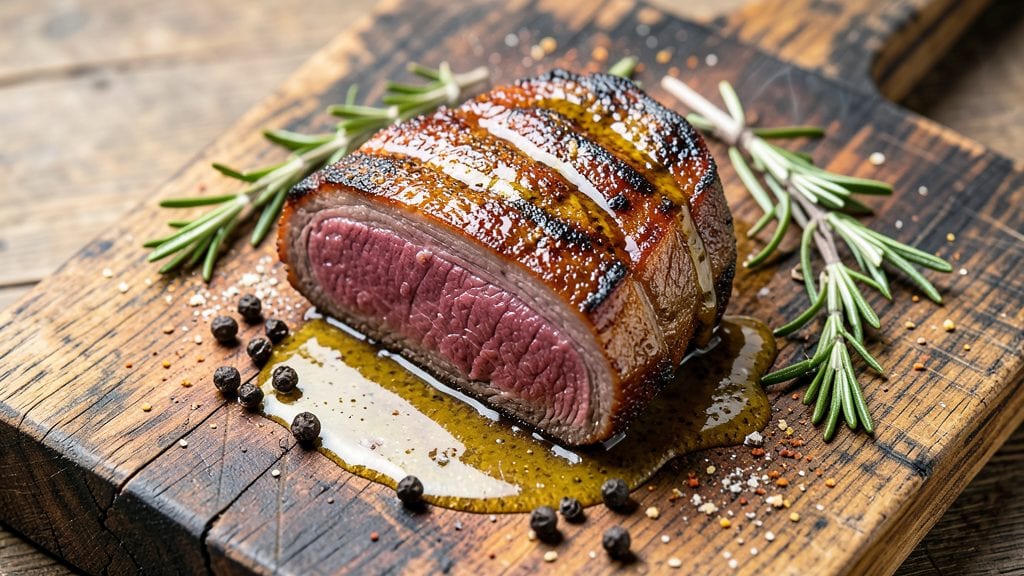
Cooking a whole beef tenderloin on a Big Green Egg transforms a simple protein into a showstopping centerpiece that delivers tender, juicy perfection with a charred crust you can't resist. The key lies in precise temperature control and smart seasoning techniques that elevate this cut from ordinary to extraordinary.
I've perfected this method after years of testing, ensuring every bite delivers that ideal balance of smoky depth and melt-in-your-mouth tenderness.
This recipe begins with a simple yet effective dry brine that enhances flavor penetration while keeping the meat incredibly moist. The Big Green Egg's ability to maintain consistent temperatures makes it ideal for achieving that perfect crust without overcooking the interior.
What sets this apart is the two-stage cooking process: indirect heat for even cooking followed by direct heat for that coveted charred exterior. The result is a tenderloin that practically falls apart when sliced, with a smoky aroma that fills your outdoor space.
What you'll end up with is a whole beef tenderloin that's perfectly cooked from edge to edge, with a crust that's richly charred yet tender enough to cut through easily. The internal temperature will reach a safe 145°F, ensuring juicy meat that's ready to slice and serve.
This method works equally well for weekend gatherings or special occasions, delivering restaurant-quality results in your own backyard. The versatility of the Big Green Egg means you can pair this with almost any side dish you prefer.
Once you've mastered this technique, you'll never look at beef tenderloin the same way again. The combination of smoky flavors from the kamado grill and the inherent tenderness of the cut creates a dish that's both impressive and deeply satisfying.
Here's how to achieve that perfect balance of texture and flavor every time you fire up your Big Green Egg.
Ingredients for big green egg whole beef tenderloin
Simple ingredients, Big Green Egg magic. Perfect tenderloin every time.
| Ingredient | Amount | Notes |
|---|---|---|
| Whole Beef Tenderloin 🥩 | 4 lb | Center-cut, trimmed of fat |
| Kosher Salt 🧂 | 2 tbsp | Coarse grain preferred |
| Freshly Ground Black Pepper 🌶️ | 1 tbsp | Freshly cracked for best flavor |
| Garlic Powder 🧄 | 1 tbsp | Freshly ground preferred |
| Smoked Paprika 🌶️ | 1 tsp | For subtle smoky depth |
| Extra-Virgin Olive Oil 🫒 | 2 tbsp | High quality for basting |
| Charcoal Briquettes 🔥 | 20 pieces | Lump charcoal preferred |
| Apple Wood Chunks 🍎 | 1 cup | For mild sweet smoke |
| Yellow Onion 🧅 | 1 whole | Quartered, for basting |
| Fresh Rosemary 🌿 | ¼ cup | Chopped, fresh only |
| Fresh Thyme 🌿 | ⅛ cup | Leaves only, fresh only |
| Butter 🧈 | 4 oz | Unsalted, softened |
| Beef Tallow or Duck Fat 🍳 | 2 tbsp | For extra moisture |
| Wooden Skewer 🪵 | 1 whole | For meat thermometer |
| Meat Thermometer 🌡️ | 1 whole | Instant-read preferred |
The beef is the star—center-cut tenderloin with good marbling makes all the difference. Costco or Whole Foods carry the best quality, but don't overlook your local butcher—ask for the trimmed, center-cut piece. The size matters too: 4 pounds feeds 4 people generously with leftovers. For the charcoal, lump charcoal from Traeger or Kingsford burns cleaner and hotter than briquettes. The wood? Apple chunks from a specialty store give that perfect mild sweetness—avoid hickory if you prefer subtle smoke.
No apple wood? Cherry or pecan chunks work beautifully. Short on fresh rosemary? Dried works at half the amount, but fresh is worth hunting down. The beef tallow can be swapped for extra butter or ghee if you don't have it. For the basting, I use olive oil and butter mixed—the fat helps create that perfect crust. The onions add moisture and sweetness, but pear or apple slices work too. And don't skip the thermometer—145°F internal temp is non-negotiable for perfect doneness.
Prep the tenderloin the night before—dry brine it uncovered in the fridge for maximum flavor penetration. The wood chunks can be soaked for 30 minutes before using for more smoke. Store any leftovers in an airtight container for 3-4 days, but honestly, it's so good it'll disappear fast. For reheating, low oven or skillet only—microwave makes it tough. The crust is delicate, so handle with care when slicing.
Why You'll Love This Recipe
- Same recipe, two vibes: Serve it sliced for a quick family meal or leave it whole for a showstopper centerpiece. Between us, I’ve used leftovers in sandwiches, salads, and even breakfast hash—no waste, all wins.
- Five-Ingredient Magic: I swear by this combo—just salt, pepper, garlic powder, smoked paprika, and that tenderloin. The Green Egg’s cast iron crust locks in flavor with zero fuss, and honestly? The spices do all the heavy lifting.
- Crowd-Pleasing Crust: That smoky paprika and black pepper crust? It’s the kind of edge that makes people ask for seconds before dessert. The Green Egg’s even heat means no dry spots—just perfect pink inside every slice.
- Weeknight or Dinner Party: Same recipe, two vibes: Serve it sliced for a quick family meal or leave it whole for a showstopper centerpiece. Between us, I’ve used leftovers in sandwiches, salads, and even breakfast hash—no waste, all wins.
Step-by-step instructions for smoked whole beef tenderloin on Big Green Egg
Here's how to transform a simple tenderloin into restaurant-quality smoked beef with perfect crust and juicy interior.
Prepare and Season the Beef Tenderloin
Begin by removing the beef tenderloin from the refrigerator and letting it sit at room temperature for 30 minutes. This ensures even cooking. Pat the meat dry completely with paper towels—removing all moisture is crucial for that perfect charred crust later. I like to use two towels, pressing firmly all over the surface.
Next, create your dry rub by combining the 2 tablespoons kosher salt, 1 tablespoon freshly ground black pepper, 1 tablespoon garlic powder, and 1 teaspoon smoked paprika in a small bowl. Once mixed, generously coat the entire tenderloin with this blend, pressing it into the meat so it adheres well. This seasoning will create a flavorful crust while keeping the interior beautifully tender.
Set Up Your Big Green Egg for Indirect Heat
While the meat comes to room temperature, prepare your Big Green Egg. Arrange the 20 pieces charcoal briquettes in a ring around the edge of the cooking chamber, leaving the center empty. Add the 1 cup apple wood chunks to the charcoal for that sweet, mild smoke flavor. Let the coals burn until they're covered with a thin layer of white ash—this usually takes about 15 minutes.
Once the coals are ready, place a drip pan in the center of the cooking chamber. This will catch any drippings and prevent flare-ups. The indirect heat setup is key—it allows you to smoke the tenderloin gently while still achieving that beautiful charred exterior. You'll want to maintain a temperature of 250°F throughout the cooking process.
Smoke the Tenderloin to Medium-Rare Perfection
Carefully place the seasoned tenderloin on the drip pan, positioning it away from direct heat. Close the lid and let it smoke. This is where patience pays off—smoking at 250°F ensures even cooking without drying out the meat. I recommend using the meat thermometer inserted into the thickest part of the tenderloin to monitor progress.
Cook until the internal temperature reaches 125°F for medium-rare—this typically takes about 1 hour to 1 hour 15 minutes, depending on your egg's heat retention. The beauty of smoking is that it allows the meat to cook slowly and evenly, developing deep flavor without overcooking. During this time, you can occasionally spritz the tenderloin with a mixture of 2 tablespoons extra-virgin olive oil and a splash of water to keep it moist.
Create the Charred Crust and Baste
Once the tenderloin reaches 125°F, it's time to create that coveted charred crust. Move the tenderloin to the edge of the cooking chamber where it will get direct heat. At the same time, prepare your basting mixture by combining the 4 ounces softened butter, 2 tablespoons beef tallow or duck fat, ¼ cup chopped fresh rosemary, ¼ cup fresh thyme leaves, and the quartered yellow onion in a small bowl.
Using a basting brush, generously coat the tenderloin with this mixture every 10 minutes for the final 20 minutes of cooking. This basting not only adds incredible flavor but also helps create that beautiful charred crust. The combination of butter, fat, and herbs will give you that perfect balance of richness and aromatic complexity that makes this dish truly special.
Rest and Slice for Maximum Juiciness
When the tenderloin reaches 130°F internally (about 5-10 degrees higher than your target doneness), remove it from the Big Green Egg and transfer it to a cutting board. Tent loosely with aluminum foil and let it rest for at least 15 minutes. This resting period is crucial—it allows the juices to redistribute throughout the meat, ensuring each slice is incredibly juicy and tender.
After resting, slice the tenderloin into 1-inch thick medallions against the grain. The meat should be beautifully pink in the center with a perfect charred crust on the outside. Serve immediately with the pan juices reduced slightly for a rich gravy, if desired. Each bite should deliver that perfect combination of tender, juicy meat with a smoky, charred crust that's sure to impress.
Pro Tips For Making Big Green Egg Whole Beef Tenderloin
- USE 225°F AFTER SEARING: The Big Green Egg’s low-and-slow magic starts after the initial crust. Sear the tenderloin over direct flame until deep brown—then drop the temp to 225°F and let it cook through. I used to rush this, and the meat turned out dry. Patience here makes all the difference.
- SALT THE NIGHT BEFORE: Tenderloin soaks up salt like a sponge—literally. Wet the surface with water, then generously coat with kosher salt and refrigerate overnight. The seasoning penetrates deeper, and you won’t need to fuss with it later. (Yes, even if you’re impatient like me.)
- SKIP THE CROWDED GRILL: That whole tenderloin needs room to breathe. If your Egg’s grill is packed with other food, the temp will drop and the crust will suffer. Cook it alone first, then add sides afterward. Trust me, the difference in texture is noticeable.
- SMASH THE GARLIC POWDER: Don’t just sprinkle garlic powder—lightly crush it with the flat of your knife first. This releases more flavor and sticks better to the meat. (I was skeptical until I tried it, and now I never go back.)
Make-ahead tips for leftovers
Prep Ahead Strategy
Start your tenderloin preparation 24 hours before cooking. Remove the meat from packaging and place it on a wire rack set over a baking sheet. Pat it dry with paper towels, then apply the dry rub generously.
Place the seasoned tenderloin in the fridge uncovered—this dry brine method enhances flavor penetration and creates a better crust. I like to use a glass baking dish for easy cleanup and better air circulation. 🌡️
Charcoal Prep Shortcut
Prepare your charcoal and wood chunks the night before to save time. Soak the apple wood chunks in water for 30 minutes in a sealed container (like a mason jar). Store them in the fridge overnight—this jumpstarts the smoking process the next day.
Arrange your 20 pieces lump charcoal in a charcoal chimney for quick lighting the morning of. This ensures your Big Green Egg reaches 250°F faster when you're ready to cook. ⏰
Basting Mixture Prep
Make your basting mixture 1 hour before cooking and store it in a small glass jar in the fridge. Combine the softened butter, beef tallow, and chopped herbs in a bowl, then transfer to the jar.
This keeps everything fresh and ready to use. When basting time comes, simply whisk it briefly to redistribute the herbs and fat. I find this method prevents the butter from separating during storage. 🧈
Equipment Setup
Arrange all your equipment the night before for a seamless cooking experience. Place your drip pan in the Big Green Egg's center, then position the meat thermometer with a wooden skewer nearby. Keep your basting brush and olive oil spritz bottle within arm's reach.
I store everything in a canvas tool bag near my grill station for easy access. This minimizes setup time on cooking day. 🪵
Resting Station
Prepare your resting station before the tenderloin finishes cooking. Set up a cutting board on a stable surface, then cover it with parchment paper for easy cleanup. Have aluminum foil and tongs ready to transfer the hot meat.
I like to place a small wire rack on top of the cutting board to elevate the tenderloin slightly—this helps with air circulation during the 15-minute rest. This step is crucial for juicy slices. ✨
Leftovers Plan
If you have leftovers (and you will), plan ahead for storage. Use glass airtight containers with butterfly lids for easy reheating. Slice the tenderloin into 1-inch medallions and store them in a single layer before refrigerating.
This prevents slices from sticking together. For reheating, I recommend low oven at 275°F for 15 minutes or a skillet with beef broth—never microwave, as it destroys the texture. 💪
Nutrition facts
Frequently asked questions
Can I cook a whole beef tenderloin on a Big Green Egg if I don't have apple wood?
While apple wood adds sweetness, you can use cherry, pecan, or even hickory (though it's stronger). For a neutral smoke, skip wood entirely and focus on the dry rub and basting mixture. The key is maintaining 250°F for even cooking—wood just enhances flavor.
How do I prevent the tenderloin from drying out during cooking?
Keep the meat moist by spritzing it every 20 minutes with a mix of olive oil and water during the smoking phase. The basting mixture of butter, tallow, and herbs in the final stage also locks in juices. Never cook past 130°F—removing it at 125°F and letting it rest ensures perfect tenderness.
Can I cook a smaller or larger tenderloin using this recipe?
This recipe works for 3-5 pound tenderloins. For smaller cuts (3 lbs), reduce cooking time by 15-20 minutes and charcoal by 5 pieces. For larger cuts (5 lbs), add 5 more briquettes and extend smoking time by 30 minutes. Always use a meat thermometer—never guess!
What's the best way to reheat leftover tenderloin slices?
Never microwave—it turns meat tough. Instead, warm slices in a skillet over medium-low heat with a splash of beef broth for 2-3 minutes per side. For oven reheating, cover with foil and bake at 275°F for 15 minutes. The goal is to maintain moisture without overcooking.
Why does my Big Green Egg struggle to maintain 250°F?
This usually happens if the lid isn't sealed properly or if you're using too much charcoal. Check for gaps in the gasket, and reduce charcoal by 5 pieces if temps fluctuate. For consistent heat, use a temperature gauge and adjust airflow by partially opening the lid if needed. The Egg's design works best with patience—rushing leads to uneven cooking.