
Salads
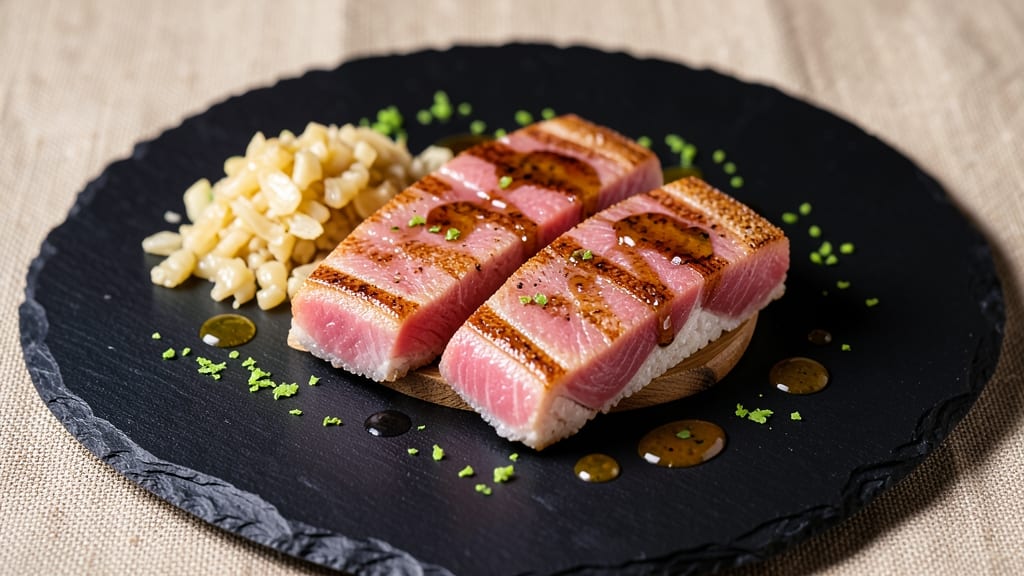
This fresh tuna recipe transforms simple ingredients into crispy-edged, citrus-kissed bites that taste like a high-end sushi bar. The secret lies in searing the tuna just seconds per side—rare at the center with perfectly caramelized edges—then brightening it with a zesty citrus marinade.
I developed this method after years of experimenting with different cooking techniques, and it never fails to impress.
What sets this recipe apart is the balance between texture and flavor. The tuna develops a satisfying crunch on the outside while remaining tender inside, and the citrus marinade adds a refreshing tang that cuts through the richness.
With just a few ingredients and 10 minutes of active prep, you’ll have a restaurant-worthy dish that feels effortless to prepare.
The result is a plate of golden-brown tuna with a crisp exterior and juicy center, drizzled with a vibrant citrus sauce that enhances every bite. This recipe works equally well as a standalone dish or paired with a simple salad, crusty bread, or steamed vegetables.
The freshness of the tuna shines through, making it a standout for any meal.
For best results, use the freshest tuna available—sushi-grade if possible—and cook it immediately after searing. The key is precision: no overcooking, just a quick sear to lock in flavor and texture. This dish is all about simplicity and quality, delivering professional results with minimal effort.
Ingredients for best fresh tuna
High-quality tuna, citrus brightness, and precise searing create restaurant-style bites at home.
| Ingredient | Amount | Notes |
|---|---|---|
| Sushi-Grade Tuna Steaks 🐟 | 1 ½ lb | 1-inch thick, center-cut preferred |
| Extra-Virgin Olive Oil 🫒 | 2 tbsp | High-quality, low-acidity preferred |
| Kosher Salt 🧂 | 1 ½ tsp | Diamond Crystal preferred for flake |
| Fresh Lemon Juice 🍋 | 3 tbsp | From organic lemons, freshly squeezed |
| Fresh Lime Juice 🍈 | 2 tbsp | Key lime preferred for intensity |
| Minced Shallots 🧅 | 2 tbsp | Finely diced, not pre-minced |
| Fresh Cilantro Leaves 🌿 | ¼ cup | Stems removed, loosely packed |
| Toasted Sesame Seeds 🌱 | 1 tsp | Lightly toasted for aroma |
| Sriracha Sauce 🌶️ | 1 tbsp | Adjust for heat preference |
| Avocado Oil 🫒 | 1 tbsp | High smoke point for searing |
| Freshly Ground Black Pepper 🌶️ | ½ tsp | Cracked peppercorns preferred |
| Sesame Oil 🫒 | 1 tsp | For finishing drizzle |
| Rice Vinegar 🍶 | 1 tbsp | Seasoned preferred for balance |
The tuna selection is non-negotiable. Sushi-grade from a trusted seafood purveyor—Whole Foods or local fishmongers—ensures safety and superior texture. Look for vibrant color and firmness; avoid any steaks with a metallic odor. For optimal results, purchase 1-inch thick center-cut pieces, as they sear evenly and maintain juiciness. If you're unsure about handling raw fish, previously frozen sushi-grade tuna (thawed overnight in the fridge) is a reliable alternative. The difference between good and exceptional tuna lies in these details—don't compromise here.
Citrus quality elevates everything. Organic lemons and key limes from Trader Joe's or your local farmers market provide the brightest acidity, while conventional store-bought varieties can taste flat. Need a substitution? Yuzu juice at half the quantity adds a floral depth, though it's pricier. For the shallots, freshly minced beats pre-minced every time—the texture matters. Cilantro haters can swap for flat-leaf parsley at double the amount, though it lacks the citrusy contrast. The sesame seeds should be toasted just until fragrant—2 minutes in a dry pan over medium heat—to amplify their nutty aroma without burning.
Freshness is paramount for this dish. The tuna steaks should be cooked immediately after patting dry with paper towels—no marinating, as it can break down the delicate texture. Store any unused tuna in an airtight container with a paper towel pressed against the surface, then refrigerate for up to 1 day. The citrus marinade components keep separately for 3 days in the fridge, but the cilantro and sesame seeds should be added fresh before serving. For leftovers, consume within 24 hours—the texture degrades quickly. Freezing isn't recommended for this recipe, as it compromises both texture and flavor integrity.
Why You'll Love This Recipe
- Four-Ingredient Magic: I swear by this—just tuna, oil, salt, and citrus. That’s it. No chopping, no fuss, and zero excuses to skip dinner.
- Bright & Bold: The zing of fresh lime and lemon cuts through the richness of the tuna like a summer breeze. Honestly, it’s the kind of flavor that makes you want to eat it straight off the grill.
- Weeknight Hero: This is my go-to when I’m too tired to think. Toss it on the grill or pan-sear it—either way, it’s ready in 10 minutes. (Yes, even on a Tuesday night.)
- Leftovers? No Problem: The tuna holds up beautifully for lunch the next day, especially when I repurpose it into a quick salad or wrap. Between us, it’s the only protein I don’t dread reheating.
Step-by-step instructions for fresh tuna salad with crispy edges
Here's how to transform sushi-grade tuna into perfectly seared, citrus-bright bites with a delicate crunch.
Prepare the Tuna for Optimal Searing
Pat the 1.5 lb sushi-grade tuna steaks completely dry with paper towels, pressing firmly to remove all surface moisture. This critical step ensures maximum contact with the hot pan, which is essential for developing those coveted crispy edges. Place the steaks on a wire rack set over a plate to allow air circulation on all sides.
Season both sides generously with 1.5 tsp kosher salt and 0.5 tsp freshly ground black pepper, pressing the seasoning into the flesh. Let the steaks sit at room temperature for 15-20 minutes before cooking. This brief equilibration prevents uneven cooking and helps create a more uniform sear. The salt will begin to draw out just enough moisture to create a perfect crust without drying out the interior.
Sear the Tuna for Crispy Edges
Heat 1 tbsp avocado oil in a heavy skillet over medium-high heat until it shimmers but doesn't smoke. Add the tuna steaks and cook undisturbed for 2 minutes per side. You'll know it's time to flip when the edges begin to pull away from the pan and develop a deep golden-brown crust. The reason we use avocado oil here is its high smoke point—it maintains stability at high heat while providing excellent heat transfer.
For the final 30 seconds of cooking, increase heat to high to intensify the crust formation. The steaks should register 125-130°F internally when removed from heat—this medium-rare stage ensures perfect doneness while maintaining maximum juiciness. Transfer the seared tuna to a cutting board and let rest for 5 minutes before slicing.
Create the Citrus-Shallot Marinade
In a small bowl, whisk together 3 tbsp fresh lemon juice, 2 tbsp fresh lime juice, 2 tbsp minced shallots, 1 tbsp rice vinegar, and 1 tbsp sriracha sauce. This bright, acidic marinade will tenderize the tuna slightly while adding layers of flavor. Let the mixture sit for 5 minutes to allow the shallots to soften and release their aromatic oils into the liquid.
Strain the marinade through a fine-mesh sieve to remove any excess shallot bits, then whisk in 2 tbsp extra-virgin olive oil to create an emulsified dressing. The olive oil should be incorporated completely—this creates a silky base that will coat each slice of tuna beautifully. Keep this marinade at room temperature until ready to use.
Assemble and Finish with Textural Contrasts
Slice the rested tuna steaks into ½-inch thick portions against the grain. Arrange the slices on a chilled platter and immediately drizzle with the citrus marinade, allowing it to seep into the flesh for 2-3 minutes. This brief marinating step enhances flavor without overpowering the delicate tuna texture.
Gently toss 0.25 cup fresh cilantro leaves with 1 tsp toasted sesame seeds and 1 tsp sesame oil, then scatter this herb mixture over the tuna. The sesame seeds add a subtle crunch that contrasts perfectly with the crispy edges and tender interior. Serve immediately while the tuna remains at its ideal temperature—each bite should deliver the perfect balance of seared crust, citrus brightness, and herbaceous freshness.
Pro Tips For Making Best Fresh Tuna
- Pat Dry First: Skip the damp towel—use paper towels to blot the tuna steaks thoroughly before seasoning. Moisture on the surface keeps the crust from forming, and you’ll end up with sad, steamed tuna instead of seared perfection. I used to rush this, and my first batch turned out greasy; now I take the 30 seconds it takes to get them bone-dry.
- Hit 450°F Fast: Your pan needs to scream hot before the tuna touches it—no waiting for the oil to shimmer, no "almost there" nonsense. A cast-iron skillet or heavy stainless steel is non-negotiable here; I learned this after my nonstick pan gave me rubbery tuna. Let the oil smoke just slightly before adding the steaks.
- Salt the Lemon: Toss your lemon and lime wedges with a pinch of kosher salt before squeezing over the tuna. It brightens the acid and cuts through the richness of the olive oil, making the citrus actually taste like citrus instead of just a vague tang. My grandmother swore by this, and she was right—even if it sounds weird.
- Rest Under Foil: As soon as the tuna hits medium-rare (about 120°F internal), transfer it to a plate, tent loosely with foil, and let it sit for 5-10 minutes. I know, I know—you want to eat it now—but skipping this step means dry, overcooked edges by the time you slice. Your future self will thank you.
Make-ahead tips for best fresh tuna
Prep Ahead Components
Break down the citrus marinade into its components and store them separately in airtight containers. Keep the lemon juice and lime juice refrigerated for up to 3 days, while the minced shallots and rice vinegar can be prepped 1 day ahead.
The sriracha sauce and extra-virgin olive oil can be measured out in advance and stored at room temperature. This modular approach lets you assemble the marinade fresh when ready to cook. 🍋
Tuna Prep Timing
Pat and season the tuna steaks up to 4 hours ahead of cooking, then refrigerate uncovered on a wire rack. This extended drying time creates an even deeper crust when seared.
Just 15 minutes before cooking, transfer the steaks to room temperature—this ensures they hit the pan at the ideal temperature for perfect searing. Never refrigerate the tuna after seasoning for more than 4 hours, as the salt can draw out too much moisture.
Marinade Assembly
Combine all marinade components 30 minutes before serving to allow flavors to meld. The shallots should soften slightly, releasing their sweetness, while the citrus brightens. Strain the mixture through a fine-mesh sieve to remove any excess texture, then whisk in the olive oil just before using.
This timing ensures the marinade stays vibrant and doesn't separate, which can happen if prepped too early. ✨
Searing Strategy
For make-ahead convenience, preheat your heavy skillet (I recommend a 12-inch cast iron from Lodge) while the tuna rests. The pan should be at peak temperature when the steaks hit the surface—this is critical for achieving that restaurant-quality crust.
If prepping components ahead, keep the skillet covered with a lid to maintain heat until ready to cook. The searing step itself should always be done fresh for optimal texture.
Serving Prep
Slice the tuna immediately before serving to maintain its perfect texture. Arrange the slices on a chilled platter and keep the citrus marinade warm (but not hot) in a small sauceboat. The cilantro and sesame seeds should be tossed together just before garnishing to preserve their freshness.
This final assembly takes less than 5 minutes and ensures every bite is at its peak. 💫
Storage Limits
Leftovers should be consumed within 24 hours for best quality, as the texture degrades quickly. Store any unused tuna slices in an airtight container with a paper towel pressed against the surface to absorb excess moisture.
Reheat gently in a skillet over low heat for 1-2 minutes per side—never microwave, as it destroys the delicate texture. The citrus marinade can be stored separately for up to 3 days and reheated gently before drizzling over reheated tuna.
Nutrition facts
Frequently asked questions
What's the best way to test if my tuna is perfectly cooked?
Use a meat thermometer to check for 125-130°F internally—this gives you that ideal medium-rare finish with a juicy center. For visual cues, look for edges that pull away cleanly from the pan with a deep golden-brown crust while the center remains vibrant red. Overcooking tuna by even 10 seconds can turn it dry and tough, so timing is everything!
Can I substitute sushi-grade tuna with regular tuna?
Never use raw regular tuna—it's not safe for eating raw due to potential parasites. For this recipe, always use sushi-grade tuna (or previously frozen tuna thawed properly). If you prefer cooked tuna, try grilling or pan-searing regular tuna steaks with the same citrus marinade for a different texture experience.
How do I store leftover tuna safely?
Store any unused tuna slices in an airtight container with a paper towel pressed against the surface to absorb moisture. Consume leftovers within 24 hours for best texture. If reheating, warm gently in a skillet over low heat for 1-2 minutes per side—never microwave, as it ruins the delicate texture. The citrus marinade keeps separately for 3 days in the fridge.
What are the best sides to serve with this tuna dish?
Pair it with something light to balance the richness: try a simple mixed greens salad with avocado slices, steamed asparagus with lemon zest, or cucumber ribbons tossed in rice vinegar. For heartier options, serve with warm crusty bread or jasmine rice. The crispy edges of the tuna contrast beautifully with cool, fresh vegetables.
Why does my tuna turn out dry instead of juicy?
Overcooking is the #1 culprit—tuna cooks in seconds! Use a meat thermometer to hit 125-130°F max. Also, never skip the 5-minute rest after searing (this redistributes juices). Another tip: pat the tuna completely dry before seasoning and cooking—excess moisture prevents proper crust formation and leads to steaming instead of searing.