Main Courses
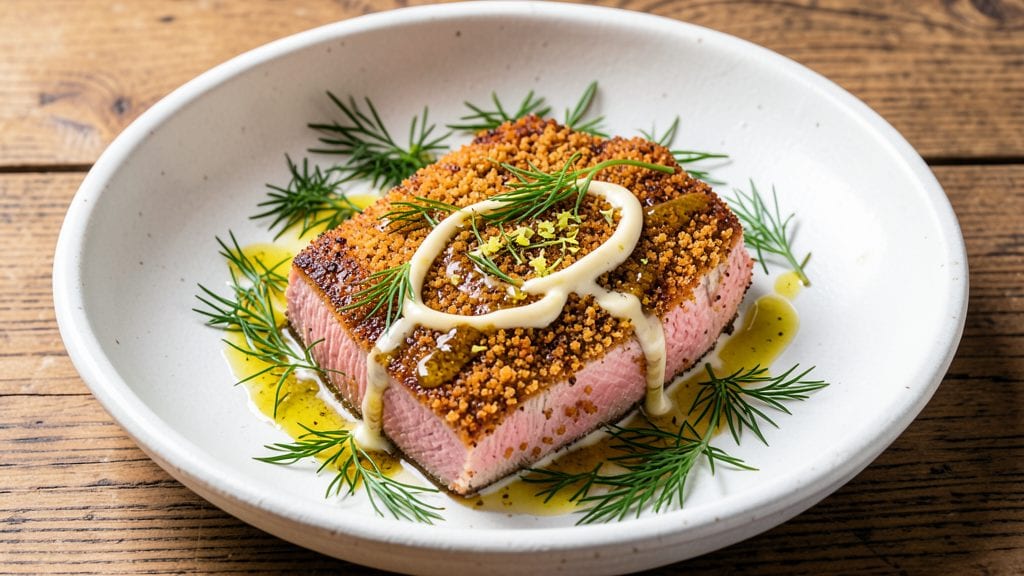
Transforming canned tuna into a restaurant-worthy steak with a crispy-baked crust and flaky interiors is simpler than you think—this recipe proves protein-packed meals don’t require fresh fish.
The secret lies in carefully shaped patties that develop a golden, crackling exterior while staying tender inside, all achieved with just 15 minutes of active prep and 10 minutes of baking.
I developed this method after realizing how often canned tuna gets overlooked in favor of pricier cuts, and it’s now a go-to for quick yet impressive dinners.
What sets this recipe apart is the balance of texture and flavor—panko breadcrumbs create the crispy crust, while a touch of mayo binds the tuna without making it greasy.
A simple seasoning blend of lemon zest, Dijon mustard, and fresh herbs elevates the dish beyond basic canned tuna, making it feel like a gourmet creation. The patties hold together beautifully, so you won’t have to worry about falling-apart results, even if you’re new to cooking with canned fish.
By the time these steaks emerge from the oven, you’ll have a dish that’s golden on the outside and tender on the inside, with a subtle tang from the lemon and herbs cutting through the richness.
Serve them over a bed of arugula with a light vinaigrette, alongside roasted potatoes, or even on toasted sourdough for a satisfying open-faced sandwich. The versatility makes it perfect for lunch or dinner, and leftovers reheat beautifully for meal prep.
This recipe isn’t just a clever way to use pantry staples—it’s a foolproof method for turning canned tuna into a standout main course.
Whether you’re feeding a family, meal prepping for the week, or simply craving something quick but impressive, these crispy-baked tuna steaks deliver flavor and texture that rival fresh fish dishes. Let’s get started on a recipe that proves canned tuna deserves a place at your dinner table.
Ingredients for canned tuna steak
Pantry staples meet gourmet technique—these 13 ingredients transform canned tuna into crispy steaks.
| Ingredient | Amount | Notes |
|---|---|---|
| Canned Tuna in Water 🐟 | 2 cans | High-quality, drained thoroughly |
| Japanese Panko Breadcrumbs 🍞 | 1 cup | Light, for crispy crust |
| Mayonnaise 🥛 | 2 tbsp | Full-fat for binding |
| Dijon Mustard 🍯 | 1 tbsp | For tangy depth |
| Lemon Zest 🍋 | 1 tbsp | Freshly grated |
| Fresh Dill 🌿 | ¼ cup | Chopped, for freshness |
| Fresh Parsley 🌿 | ¼ cup | Chopped, for brightness |
| Garlic Cloves 🧄 | 2 cloves | Minced, for aroma |
| Large Egg 🥚 | 1 whole | Beaten, for binding |
| Extra-Virgin Olive Oil 🫒 | 1 tbsp | For crisping patties |
| Diamond Crystal Kosher Salt 🧂 | 1 tsp | For seasoning |
| Ground Black Pepper 🌶️ | ½ tsp | Freshly cracked |
| All-Purpose Flour 🌾 | 2 tbsp | For dusting surface |
The tuna makes or breaks this. Wild-caught brands like Wild Planet or Starkist have better texture than generic store labels. Drain it well—no one wants soggy patties. Panko is non-negotiable here; Japanese-style gives that perfect crisp. I grab mine from Trader Joe's—it's cheaper than the gourmet section at Whole Foods, but still delivers. For the herbs, fresh is ideal, but dried dill at half the amount works in a pinch. The Dijon mustard adds that restaurant-quality tang, so don’t skimp on quality—Maille is my go-to when I'm feeling fancy.
No panko? Crushed cornflakes or regular breadcrumbs (pulse in a food processor) work, but texture suffers. Short on mayo? Greek yogurt at half the amount keeps things light. The lemon zest can be swapped for 1 tsp lemon juice plus 1/2 tsp sugar if you're fresh out of zest. For the garlic, garlic powder at half the amount is fine, but fresh is worth it. The egg binds everything—room temperature mixes better, so take it out 10 minutes before using. And if you're worried about the patties falling apart, the flour dusting is your secret weapon—just pat them gently before baking.
These patties reheat like a dream—30 seconds in the microwave or 5 minutes in a skillet brings them back to crispy perfection. Store leftovers in an airtight container for 3 days in the fridge, or freeze for 2 months. I like to portion them into single servings before freezing so I can grab just what I need. The herbs lose potency after 2 days, so if you're prepping ahead, store them separately and mix just before serving. These keep better than fresh fish, but honestly? They're even better the second day.
Why You'll Love This Recipe
- Pantry-to-Plate Magic: I swear by this recipe when I’ve got nothing but a can of tuna and a bag of panko. No chopping, no soaking, just drain, mix, and bake—it’s the kind of meal that proves you don’t need a fancy grocery haul to eat well.
- Crispy-Creamy Obsession: That golden panko crust with the tangy mayo-Dijon center? It’s the kind of contrast that makes you close your eyes and groan. The lemon zest ties it all together—bright, sharp, and impossible to resist.
- Lunchbox Legend: Between us, this is my go-to for packed lunches—it holds up for days without getting soggy. Wrap it in lettuce, slice it for a charcuterie board, or just eat it straight from the pan. Honestly, I’ve never met a tuna steak that didn’t disappear fast.
- Budget Win: A single can of tuna and a bag of panko stretch to feed four for under $10. Leftovers? Toss them in a salad, turn them into a sandwich, or freeze them for a future “I’m too tired to cook” night. It’s the ultimate cheap thrill.
Step-by-step instructions for crispy-baked tuna steaks
Here's how to transform canned tuna into restaurant-worthy steaks with perfect texture every time.
Create the Binder Mixture
In a medium bowl, whisk together the 2 tablespoons mayonnaise, 1 tablespoon Dijon mustard, and 1 tablespoon lemon zest until smooth and fully combined. This mixture forms the flavor base and binding agent that holds everything together. The lemon zest adds a bright citrus note that cuts through the richness of the mayonnaise.
Add the 1 whole large egg and whisk vigorously for about 30 seconds until the mixture becomes thick and glossy. The egg acts as a natural binder that helps create that flaky interior texture we're after. If you notice the mixture looking too thin after whisking, let it sit for 1 minute—it will naturally thicken slightly as the egg proteins stabilize.
Mix in Herbs and Garlic
Gently fold in the 0.25 cup chopped fresh dill, 0.25 cup chopped fresh parsley, and 2 minced garlic cloves using a silicone spatula. Be careful not to overmix—just combine until the herbs are evenly distributed throughout the mixture. The herbs add freshness while the garlic provides aromatic depth that complements the tuna perfectly.
This is where the magic happens—don't skip the folding motion. A gentle approach preserves the herbs' texture and prevents them from turning to mush. You'll see little green flecks throughout the mixture, which will translate to bright pops of flavor in each bite.
Prepare the Tuna Mixture
Open the 2 cans of canned tuna in water and drain them thoroughly, pressing gently on the tuna with a paper towel to remove any excess moisture. This step is crucial—wet tuna leads to dense, soggy patties instead of the flaky texture we want. Add the drained tuna to the herb mixture and fold gently until just combined.
Now, sprinkle in the 1 teaspoon Diamond Crystal kosher salt and 0.5 teaspoon freshly cracked ground black pepper, then fold these in as well. The salt enhances all the flavors while the pepper adds a subtle heat that balances the richness. At this point, the mixture should look like a thick, herby tuna paste ready to be shaped.
Form and Coat the Steaks
Transfer the tuna mixture to a plate and divide it into 4 equal portions (about ¼ cup each). Using your hands, gently shape each portion into a ½-inch thick oval steak, about 4 inches long. Don't press too hard—just enough to form a cohesive shape while maintaining that flaky interior.
Place each shaped steak on a separate sheet of plastic wrap. In a shallow bowl, combine the 1 cup Japanese panko breadcrumbs with the 2 tablespoons all-purpose flour. Dip each steak into the 1 tablespoon extra-virgin olive oil, then press it firmly into the panko mixture, coating all sides completely. This breadcrumb crust is what creates that irresistible crispy exterior we're aiming for.
Bake to Golden Perfection
Preheat your oven to 400°F and line a baking sheet with parchment paper. Arrange the coated tuna steaks on the prepared sheet, spacing them about 1 inch apart. Bake for 12-15 minutes, until the edges are deep golden brown and the internal temperature reaches 145°F when checked with an instant-read thermometer.
The key here is patience—don't open the oven door early to check. The residual heat will continue cooking them even after you remove them. When they're done, you'll have perfectly crispy breadcrumb crusts with flaky, moist tuna steaks inside. Let them rest for 2 minutes before serving to allow the juices to redistribute.
Pro Tips For Making Canned Tuna Steak
- Drain and Pat Dry: Canned tuna holds way more water than you’d think—after draining, press it between paper towels for 2 full minutes. I learned this the hard way when my first batch turned into a soggy mess instead of a crispy steak.
- Toast Panko First: Spread the breadcrumbs on a dry pan over medium heat for 30 seconds before mixing with mayo. That quick toast adds crunch without stealing moisture from the tuna, and it’s the thing that makes the crust actually hold.
- Mix Mayo and Mustard Last: Combine the mayo and Dijon right before coating the tuna—no earlier. The mustard’s acidity starts breaking down the mayo’s texture if left sitting, and you want that sharp flavor to hit fresh when you bite in.
- Press for 10 Minutes: After shaping and breading, press the steaks between two plates or a heavy pan for 10 minutes. This isn’t optional—it keeps them from falling apart when frying, and yes, even if you’re impatient like me.
Wine and beer pairings for this canned tuna steak
Crisp White Wine
A dry Riesling from Germany or Alsace is my go-to pairing for these tuna steaks—its crisp acidity and subtle mineral notes cut through the richness of the panko crust while complementing the lemon and herbs.
Look for a 2022 Dr. Loosen Blue Slate Riesling from the Mosel region; it balances the dish perfectly without overpowering the delicate tuna flavors. Serve it slightly chilled (50-55°F) to enhance its refreshing qualities. 🍷
Crisp Lager Balance
For beer lovers, a German Pilsner like Warsteiner or Stella Artois provides the ideal crisp, clean contrast. The light malt sweetness and effervescence cleanse your palate between each crispy bite, while the subtle hop bitterness enhances the dish's savory elements.
Avoid heavy stouts or IPAs—they’ll overpower the delicate herb notes in the tuna. 🍺
Citrusy Sauvignon Blanc
A New Zealand Sauvignon Blanc from Marlborough adds a zesty twist that mirrors the lemon zest in the recipe. Brands like Cloudy Bay or Oyster Bay bring bright citrus and herbal notes that harmonize beautifully with the dill and parsley.
The wine’s acidity also helps break down the richness of the mayo binder, making each bite feel lighter. 🍋
Light Rosé Refreshment
If you prefer something versatile, a dry Provençal rosé from France—such as Whispering Angel or Château d’Esclans—works wonders. Its crisp profile and subtle red fruit notes bridge the gap between the tuna’s oceanic undertones and the crust’s caramelized sweetness.
Serve it well-chilled (45-50°F) to highlight its refreshing qualities. 🌸
Sparkling Wine Elevation
For a celebratory touch, Prosecco or Cava adds effervescence that mirrors the crispy texture of the steaks. A La Marca Prosecco or Freixenet Cordon Negro Cava brings a touch of sweetness and acidity that complements the dish’s bright flavors.
The bubbles also help cleanse your palate between bites, making it a perfect choice for special occasions. ✨
Nutrition facts
Frequently asked questions
Can I use canned tuna in oil instead of water?
The recipe calls for water-packed tuna to avoid excess oil that could make the patties greasy. If you only have oil-packed, drain it thoroughly and pat dry with paper towels to remove excess oil. You may need to reduce the mayo slightly (1.5 tablespoons) to maintain the right texture. The flavor will be slightly richer, but the crust might not be as crispy.
How do I fix soggy tuna steaks?
Soggy steaks usually happen from excess moisture in the tuna or overmixing. Next time, press the drained tuna with paper towels and shape the patties gently. For extra insurance, chill the shaped steaks for 15 minutes before baking. If they're already soggy, broil them for 1-2 minutes to crisp the crust while keeping the inside warm.
Can I make these ahead of time?
Shape the patties and coat them, then refrigerate on a tray for up to 24 hours before baking. For freezing, assemble completely, wrap individually in plastic, and freeze for up to 1 month. Thaw overnight in the fridge and bake as directed—just add 2-3 extra minutes to the baking time. The texture holds up beautifully when reheated.
What's the best way to serve these steaks?
These crispy tuna steaks shine with fresh sides that complement their bright flavors. Try them over a bed of arugula with lemon vinaigrette, alongside roasted fingerling potatoes, or on toasted sourdough with a smear of herbed cream cheese. For a complete meal, add a simple green salad with cucumber and radishes to balance the richness.
Why did my steaks fall apart?
Overmixing the tuna mixture or skipping the egg binder are common culprits. Make sure to fold ingredients gently and use the full 1 egg called for. If your mixture seems too wet, add 1 extra tablespoon of panko when shaping. Also, handle the shaped patties gently—press just enough to form them, not compact them.