
Salads
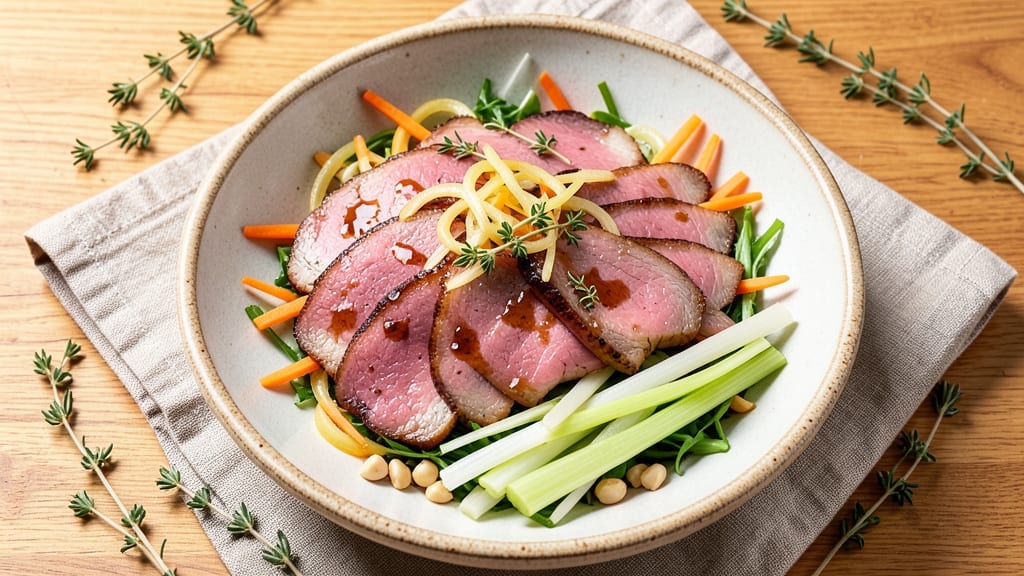
This beef tongue salad recipe transforms humble beef tongue into a luxurious, silky centerpiece that rivals any high-end restaurant dish. The secret lies in slow-braising the tongue until it practically melts off the bone, then shredding it into tender, herb-infused ribbons that pair perfectly with crisp greens and bright vinaigrette.
I first discovered this technique while researching traditional European charcuterie, and it quickly became my go-to protein for elegant yet approachable salads.
The process begins with a foolproof braising method that ensures tender, flavorful meat—no tough cuts here. You'll simmer the tongue with aromatics until fork-tender, then cool and shred it into delicate strands.
The salad assembly is where creativity shines: crisp lettuce, zesty dressing, and optional toppings like toasted nuts or pickled vegetables elevate the dish into something restaurant-worthy without requiring advanced skills.
What you'll end up with is a showstopping salad that delivers both texture and flavor in every bite—creamy tongue, crisp greens, and a tangy dressing that ties everything together.
The herby zing comes from fresh herbs tossed into the dressing, while the silky protein provides a luxurious contrast to the fresh, crunchy elements. This is the kind of dish that makes guests ask for the recipe.
Perfect for summer gatherings, elegant lunches, or when you want to impress without spending hours in the kitchen. The braised tongue keeps well in the fridge, making this an ideal make-ahead dish for busy hosts. Let's get started on creating this sophisticated yet approachable salad.
Ingredients for beef tongue salad
Fourteen ingredients transform humble beef tongue into a restaurant-worthy salad centerpiece.
| Ingredient | Amount | Notes |
|---|---|---|
| Beef Tongue 🐄 | 2 lbs | Whole, cleaned and trimmed |
| Yellow Onion 🧅 | 1 whole | Quartered, peel removed |
| Carrots 🥕 | 3 medium | Whole, scrubbed clean |
| Celery Stalks 🥬 | 3 whole | Trimmed, cut into chunks |
| Garlic Cloves 🧄 | 6 cloves | Peeled, smashed slightly |
| Fresh Thyme 🌿 | ½ ounce | Stems removed, chopped |
| Fresh Bay Leaves 🌿 | 2 whole | For braising flavor |
| Dry Red Wine 🍷 | 1 cup | Bold variety like Cabernet |
| Beef Broth 🍲 | 2 cups | Low-sodium preferred |
| Apple Cider Vinegar 🍎 | ½ cup | For tangy dressing |
| Extra-Virgin Olive Oil 🫒 | ½ cup | For dressing richness |
| Fresh Parsley 🌿 | ⅓ cup | Chopped, for garnish |
| Mixed Greens 🥬 | 8 cups | Baby spinach or arugula |
| Diamond Crystal Kosher Salt 🧂 | 1 ½ tbsp | For seasoning and braise |
| Freshly Ground Black Pepper 🌶️ | 1 tsp | For seasoning |
The beef tongue is the star here—look for 1.5-2 lb tongues at specialty butchers or well-stocked grocery stores like Whole Foods. The fresher the better, but it'll keep 3-4 days in the fridge if wrapped tightly. Don't skimp on the wine for braising—Cabernet Sauvignon or Merlot adds depth. For the greens, baby spinach or arugula holds up best to the creamy texture, but whatever's crisp in your fridge works. The celery and carrots can be pre-cut and stored in a sealed container for 5 days—perfect for prepping ahead.
No red wine? Dry sherry or beef broth works in a pinch, though the flavor won't be identical. Fresh herbs are ideal, but dried thyme at one-third the amount gets you close. For the dressing, apple cider vinegar adds brightness—substitute white wine vinegar if needed. The olive oil should be extra-virgin for that fruity punch, but regular works if that's what you've got. If you can't find beef tongue, shredded rotisserie chicken makes a decent substitute, though it won't have that luxurious texture.
Braised tongue keeps 5-6 days in the fridge once cooled, making this a perfect make-ahead dish. Portion the shredded meat into containers with a little dressing to keep it moist. The raw tongue can be frozen for up to 3 months—just thaw overnight in the fridge before braising. For the greens, store them in a sealed container with a paper towel to absorb moisture. The dressing stays fresh for 1 week in the fridge, though I always make extra since it disappears fast.
Why You'll Love This Recipe
- One-Pot Wonder: I swear, this salad comes together in one bowl—no chopping frenzy or last-minute grocery runs. Toss in pre-cooked beef tongue (just slice it thin), shred the onion and carrots while you dice the celery, and minced garlic takes care of itself. Honestly, it’s the kind of meal that makes me feel like I’ve earned my lunch without actually breaking a sweat.
- Rich Umami Magic: That beef tongue? It’s the star—tender, slightly chewy, and packed with deep, savory flavor. When you slice it thin and let it soak up the tangy mayo, garlic, and a hint of mustard, it becomes this irresistibly satisfying bite. Between us, the first time I made this, I ate half the bowl straight out of the fridge.
- Meal Prep MVP: This salad keeps like a champ—three days in the fridge without losing its crunch or taste. I’ll make a big batch on Sundays, pack it for work, and still have leftovers for lunch the next week. It’s my go-to for potlucks too—everyone asks for the recipe, and I get to play the humble hero.
- Budget-Friendly Feast: Beef tongue is cheaper than steak but just as impressive—you get that meaty satisfaction without the sticker shock. A single package stretches across multiple meals, and the veggies (onion, carrots, celery) are pantry staples. I’ll be real: it’s the kind of dish that makes me feel fancy while keeping my wallet happy.
Step-by-step instructions for beef tongue salad
Here's how to transform tough beef tongue into silky, melt-in-your-mouth shreds perfect for salad.
Prepare and Braise the Beef Tongue
Start by trimming the beef tongue of any excess fat or membrane, then score the surface in a crosshatch pattern about ¼-inch deep using a sharp knife. This helps the tongue tenderize faster during braising. Place the tongue in a large Dutch oven or heavy pot and cover it completely with cold water. Bring to a boil over high heat, then immediately reduce to a simmer and cook for 3 hours.
After the initial simmer, drain the water and add the quartered yellow onion, whole carrots, trimmed celery stalks, smashed garlic cloves, chopped fresh thyme, and fresh bay leaves. Pour in the 1 cup dry red wine and 2 cups beef broth, then bring to a boil. Reduce heat to low and cover partially. Braise for 4-5 hours until the tongue is fork-tender and easily shreds with two forks. The liquid should reduce significantly, creating a rich braising liquid.
Shred and Season the Beef Tongue
Once the tongue is tender, remove it from the braising liquid and let it cool slightly. Using two forks or a sharp knife, shred the tongue into fine, even strips. Return the shredded tongue to the braising liquid and stir in the 1.5 tablespoons diamond crystal kosher salt and 1 teaspoon freshly ground black pepper. Let it marinate in the liquid for 30 minutes at room temperature to absorb the flavors deeply.
Here's the thing—don't skip this marination step. The braising liquid is packed with flavor from the vegetables and herbs, and letting the tongue soak up these juices ensures every bite is rich and aromatic. You'll notice the tongue becomes even more tender as it absorbs the liquid.
Prepare the Herby Dressing
In a small bowl, whisk together the 0.5 cup apple cider vinegar, 0.5 cup extra-virgin olive oil, and 0.33 cup chopped fresh parsley. Season with an additional pinch of diamond crystal kosher salt and freshly ground black pepper to taste. This dressing should be tangy, rich, and bright—it's the perfect balance to the deep, savory flavor of the beef tongue.
I like to taste the dressing before assembling the salad. If it needs more acidity, add a splash of extra apple cider vinegar. If it needs more richness, add a drizzle of olive oil. The dressing should coat the back of a spoon but still pour easily—this ensures it clings to the greens and tongue without making the salad soggy.
Assemble the Salad
In a large bowl, combine the 8 cups mixed greens with the shredded beef tongue. Drizzle the herby dressing over the top and toss gently to coat evenly. The greens should be lightly dressed, with just enough moisture to enhance their flavor without wilting them. If the dressing seems too thick, add a splash of water or a little more apple cider vinegar to loosen it.
Let the salad sit for 5-10 minutes before serving to allow the flavors to meld. The beef tongue will continue to absorb the dressing, becoming even more flavorful. Serve immediately while the greens are still crisp and the tongue is warm. This salad is best enjoyed fresh, so don't let it sit too long before eating.
Pro Tips For Making Beef Tongue Salad
- Simmer Low and Slow: After boiling the tongue hard for 2 hours, drop the heat to a bare simmer—just enough to keep a single bubble breaking the surface. I used to crank it higher to "save time," but that turns the meat rubbery. This gentle finish keeps it tender without falling apart when slicing.
- Score the Tongue First: Run a sharp knife down the thickest part of the tongue before cooking—about 1/4-inch deep. My grandmother swore by this, and she was right: it lets flavors penetrate deeper and makes peeling the skin later a breeze. Skip this, and you’ll fight sticky, uncooperative meat.
- Caramelize the Onions: Don’t just dice the onions—cook them in the same pot you’ll use for the salad until they’re deep gold, not just soft. The extra 10 minutes adds sweetness that cuts through the richness of the tongue. I was skeptical until I tried it—now I never skip it.
- Shred, Don’t Slice: Once the tongue is cool enough to handle, use two forks to pull it apart into thick shreds, not thin slices. Thin slices dry out fast in salads, but shreds hold together better and soak up dressing like a sponge. (Yes, even if it looks messy—your future self will thank you.)
Best sauces and condiments for these flavors
Herby Vinaigrette Base
The star of this salad is the herby vinaigrette, where 0.5 cup apple cider vinegar and 0.5 cup extra-virgin olive oil create the perfect tangy-sweet balance. I always add 0.33 cup chopped fresh parsley for brightness—it brightens the rich beef flavor beautifully.
For extra depth, add 1 tsp Dijon mustard to help emulsify the dressing. This keeps it silky rather than separating. 💫
Spicy Mustard Twist
For a kick, blend 1 tbsp whole-grain mustard with the vinaigrette base and add ½ tsp smoked paprika. This adds warmth and complexity that pairs perfectly with the silky tongue.
I like to add a pinch of cayenne pepper (start with ¼ tsp) for heat lovers. The mustard also helps the dressing cling better to the greens and tongue.
Creamy Yogurt Dressing
If you prefer a creamier texture, replace half the olive oil with ¼ cup Greek yogurt or sour cream. This creates a velvety dressing that contrasts beautifully with the crisp greens.
Add 1 tsp honey to balance the tang and a pinch of ground cumin for earthy depth. This works especially well with arugula's peppery bite.
Citrus-Infused Option
Brighten the salad with a citrus twist by adding 2 tbsp fresh lemon juice and 1 tbsp orange zest to the vinaigrette. This cuts through the richness of the beef tongue while adding a refreshing zing.
I also add 1 tsp grated ginger for a subtle kick that complements the herby notes. Perfect for summer gatherings when you want a lighter dressing.
Garlic-Herb Compound
For maximum flavor impact, make a garlic-herb compound by blending 3 minced garlic cloves, 2 tbsp chopped fresh dill, and 1 tbsp chopped fresh tarragon with the vinaigrette.
Let it sit for 10 minutes before using to allow the flavors to meld. This adds a sophisticated herbal note that elevates the dish to restaurant-quality. 🌿
Spiced Honey Glaze
For a sweet-savory contrast, drizzle the salad with a spiced honey glaze made by simmering 2 tbsp honey, 1 tsp apple cider vinegar, and ¼ tsp ground cinnamon for 3 minutes.
Let it cool before drizzling over the assembled salad. This adds a luxurious finish that balances the herby dressing beautifully. 🍯
Nutrition facts
Frequently asked questions
How long does it take to make this beef tongue salad from start to finish?
The braising process takes the longest at 7-8 hours total (3 hours simmering + 4-5 hours braising), but most of that time is hands-off. If you're short on time, you can reduce the braising time to 3 hours for a slightly firmer texture, though it won't be as tender. The actual assembly takes just 15 minutes, making this a great make-ahead dish.
Can I use pre-cooked beef tongue from the store?
Store-bought pre-cooked beef tongue can save time, but it won't have the same depth of flavor as homemade braised tongue. If using pre-cooked, simmer it in a fresh beef broth with aromatics (onion, garlic, thyme) for 1-2 hours to rehydrate and infuse flavor before shredding. It won't be as silky, but it'll still work in a pinch.
What greens work best with beef tongue salad?
Crisp, sturdy greens hold up best to the creamy texture. Baby spinach, arugula, or mixed field greens are ideal—they won't wilt as quickly as lettuce. For extra texture, add shredded cabbage or radicchio, which adds a peppery bite that cuts through the richness. Avoid iceberg; it's too delicate and won't complement the dish properly.
How do I store leftovers to keep the tongue from drying out?
Store the shredded tongue separately from the greens in an airtight container with a splash of the dressing. The tongue will stay moist for 5-6 days in the fridge. When ready to serve, toss the greens with fresh dressing and add the tongue just before eating. For longer storage, freeze the tongue in portions for up to 3 months—thaw overnight in the fridge before using.
Why does my beef tongue turn out chewy instead of silky?
Chewy texture usually means it wasn't braised long enough. The tongue needs 4-5 hours of low-and-slow cooking to become truly tender. If you're in a hurry, try scoring it more deeply (½-inch) before braising. Also, avoid overcrowding the pot—leave room for the liquid to circulate. If it's still tough, simmer it uncovered for an extra 30 minutes with fresh broth.