Main Courses
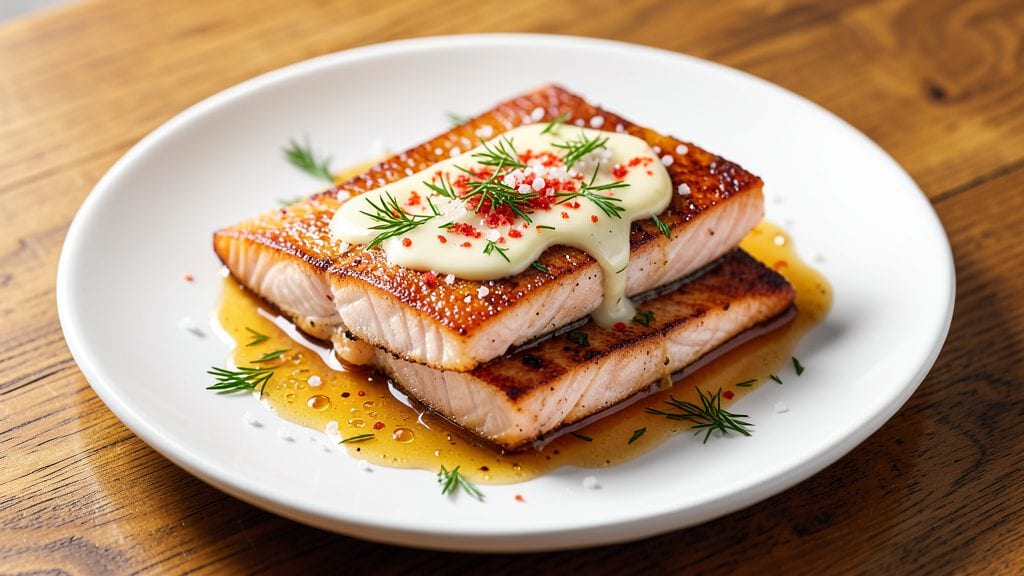
Mastering baked salmon belly strips transforms simple ingredients into a restaurant-worthy dish with crispy skin and melt-in-your-mouth richness. The secret lies in high-heat baking that renders the fat while keeping the flesh tender—a technique worth perfecting for any seafood lover.
My version delivers that signature contrast in just 20 minutes, with minimal prep and maximum impact.
What sets this recipe apart is the balance of salt, butter, and herbs—simple yet transformative. A light coating of melted butter enhances natural oils, while a sprinkle of flaky salt and fresh dill creates an aromatic crust.
The result? Golden, shatteringly crisp edges that give way to buttery, flaky flesh in every bite. This method works with any salmon belly cut, making it foolproof for home cooks.
Pair these strips with bright citrus salad or roasted asparagus to cut through their richness, or serve them as a standalone centerpiece. The key to success is patience during baking—let the oven do the work while you focus on perfecting the sides.
Once mastered, this dish becomes a go-to for weeknight dinners or special occasions.
For best results, use fresh salmon belly with the skin intact, as it’s the fat and skin that create that coveted texture. Preheat your oven to 425°F and line the pan with parchment for easy cleanup.
The crispier the skin, the more satisfying the first bite—trust the process, and you’ll achieve professional-quality results every time.
Ingredients for baked salmon belly strips
Nine ingredients. One pan. Crispy skin, buttery richness in 20 minutes.
| Ingredient | Amount | Notes |
|---|---|---|
| Salmon Belly 🐟 | 1 ½ lb | Skin-on, cut into 1/2-inch strips |
| Unsalted Butter 🧈 | 4 tbsp | Cold, cut into small pieces |
| Flaky Sea Salt 🧂 | 1 tsp | Like Maldon or Jacobsen |
| Fresh Dill 🌿 | ¼ cup | Chopped, stems removed |
| Extra-Virgin Olive Oil 🫒 | 1 tbsp | For drizzling on parchment |
| Lemon Zest 🍋 | 1 tsp | Freshly grated |
| Garlic Powder 🧄 | ½ tsp | Freshly ground preferred |
| Ground Black Pepper 🌶️ | ¼ tsp | Freshly cracked |
| Parchment Paper 📄 | 1 sheet | For easy transfer |
The salmon belly is non-negotiable here—look for thick, fatty cuts with the skin intact. Whole Foods or local fish markets usually carry the best quality, but don't overlook the seafood counter at Costco or even your grocery store's frozen section (thaw overnight). The fat content is what creates that shatteringly crisp skin, so avoid lean cuts. If you can't find belly strips, buy a whole belly and slice it yourself—just be sure to keep the skin on. The butter should be cold and unsalted—salted butter will overpower the delicate flavor of the salmon.
No flaky sea salt? Diamond Crystal kosher salt works in a pinch, but it won't give you that signature crunch. Fresh dill is ideal, but dried dill at one-third the amount gets you close. Running short on time? Pre-chopped dill from the refrigerated section is better than skipping it entirely. The garlic powder can be swapped for minced fresh garlic (1/2 tsp), but toast it first in olive oil for deeper flavor. For extra crispiness, some cooks add a sprinkle of panko breadcrumbs before baking, but I find the butter and salt do the job perfectly.
Salmon belly keeps best in the freezer—wrap tightly in plastic and freeze for up to 3 months. Once cooked, these strips reheat beautifully in a 350°F oven for 5 minutes, though they're best enjoyed fresh. Store leftovers in an airtight container for 2 days—the skin loses crispiness over time, so plan to eat them quickly. For meal prep, bake extra and freeze portions on a tray before transferring to a bag. The butter coating makes them rich, so pair with something bright—lemon wedges or pickled veggies cut through the richness perfectly.
Why You'll Love This Recipe
- Here’s what sold me: that crispy, caramelized edge with the creamy, melt-in-your-mouth center. The flaky sea salt finishes it off like a perfect seasoning sprinkle on a glass of wine. It’s the kind of texture contrast that makes you close your eyes and savor it—no fancy plating needed.
- One-Pan Magic: I swear by this recipe because it’s that kind of dish—just slice the salmon belly into strips, toss them with butter and dill, and let the oven do the rest. No chopping veggies, no crowded pans, no stress. The butter pools around the edges while baking, creating little golden lakes that make cleanup a joke (one sheet pan, one spatula, done).
- Buttery Crisp Magic: Here’s what sold me: that crispy, caramelized edge with the creamy, melt-in-your-mouth center. The flaky sea salt finishes it off like a perfect seasoning sprinkle on a glass of wine. It’s the kind of texture contrast that makes you close your eyes and savor it—no fancy plating needed.
- Weeknight or Weekend Star: Between us, this recipe works everywhere. Toss it over a simple salad for a lunch that feels fancy, pile it onto crusty bread with lemon wedges for a brunch crowd-pleaser, or serve it alongside roasted potatoes for a dinner that’s effortless but impressive. (Yes, even on a Tuesday night.)
Step-by-step instructions for baked salmon belly strips
Here's how to achieve that perfect balance of crispy skin and buttery richness without any fuss.
Prepare the Salmon Belly for Maximum Crisp
Start by patting the 1.5 lb salmon belly strips completely dry with paper towels—this is non-negotiable for crispy skin. The drier the surface, the better the butter will adhere and crisp up. Place the strips skin-side up on a clean work surface and sprinkle evenly with the 1 tsp flaky sea salt and 0.5 tsp garlic powder. Gently press the seasoning into the flesh so it clings to every strip.
In a small bowl, whisk together the 0.25 cup chopped fresh dill, 1 tsp lemon zest, and 0.25 tsp ground black pepper. This bright, herby mixture will infuse the butter and salmon with layers of flavor. Set aside while you prepare the baking setup.
Create the Perfect Baking Environment
Preheat your oven to 425°F—this high temperature is crucial for achieving that crispy skin while keeping the flesh tender. Line a rimmed baking sheet with the 1 sheet parchment paper and lightly drizzle it with the 1 tbsp extra-virgin olive oil, spreading it evenly with your fingers. This creates a non-stick surface and helps the salmon release cleanly.
Cut the 4 tbsp unsalted butter into small, pea-sized pieces and scatter them evenly over the oiled parchment. The butter will melt and baste the salmon as it bakes, creating that signature buttery richness. Arrange the seasoned salmon belly strips skin-side down on the baking sheet, leaving about ½-inch space between each piece for even browning.
Bake to Golden Perfection
Place the baking sheet in the preheated oven and bake for 12-15 minutes. You're looking for the skin to turn a deep golden brown with crispy edges—this is your visual cue that it's ready. The flesh should still look slightly translucent in the center, indicating it's perfectly cooked through.
About halfway through baking (after 7-8 minutes), carefully flip each strip using a thin spatula. This ensures both sides develop that beautiful crispy texture. If you notice any pieces browning too quickly, tent them loosely with aluminum foil to prevent over-browning while the rest catches up.
Finish with Herbed Butter and Rest
Remove the salmon from the oven and immediately sprinkle the dill-herb mixture evenly over each strip. The residual heat from the salmon will meld these flavors together beautifully. Let the strips rest on the baking sheet for 3-5 minutes—this allows the juices to redistribute and the skin to set properly before serving.
For the ultimate presentation, transfer the crispy salmon belly strips to a serving platter lined with the remaining parchment paper. Serve immediately while the skin is at its peak crispiness and the butter is still warm and glossy. Pair with a simple arugula salad or steamed asparagus to let the salmon take center stage.
Pro Tips For Making Baked Salmon Belly Strips
- CRISP FIRST, REST LATER: The salmon belly strips will crisp up fast—watch for 3-4 minutes of golden brown, then pull them out. Tent with foil and let them rest 5 minutes before serving; this keeps them tender under that perfect crust.
- SALT THE BELLY BEFORE BUTTER: Pat the strips dry, then hit them with a generous pinch of flaky sea salt before adding the butter. The salt melts into the flesh as it bakes, creating a salty-sweet contrast instead of just sitting on top.
- DON’T OVERCROWD THE PAN: I used to pile them high, and they’d steam instead of sear. Spread them in a single layer with at least ½ inch between strips—crowding turns crispy edges into sad, soggy messes.
- COOL THE BUTTER FIRST: Softened butter is easier to handle, but cold butter (firm but not frozen) browns better and clings to the strips without sliding off. Scoop it onto the hot pan in small dollops—it’ll melt fast and caramelize.
Dietary considerations for this dish
Gluten-Free Compliance
This recipe is naturally gluten-free since it relies solely on salmon, butter, herbs, and salt. The only potential cross-contamination risk comes from shared surfaces or tools if you've previously handled gluten-containing ingredients.
I always wipe down my cutting board and use clean utensils when preparing gluten-free meals. For extra precaution, bake these strips on a dedicated gluten-free parchment-lined tray.
Low-Carb Adaptations
Salmon belly strips are inherently low-carb with just 2 grams of carbs per serving (based on 4 servings). The high-fat content makes them perfect for keto diets—just ensure your butter is grass-fed for optimal nutrition.
I often serve these with a side of cauliflower rice or a simple avocado salad to keep carbs minimal while maximizing flavor.
Pescatarian-Friendly
This dish is a complete meal for pescatarians, providing 30 grams of protein per serving without any animal byproducts beyond the salmon. The herbed butter adds richness without dairy, making it suitable for those avoiding lactose.
For a vegan adaptation, replace butter with olive oil or vegan butter and use nutritional yeast for a cheesy flavor.
Allergen Considerations
Salmon is one of the top fish allergens, so always check with guests before serving. The recipe contains dairy (butter) and seafood—substitute butter with ghee or coconut oil for dairy-free versions.
For nut allergies, ensure your dill and other ingredients are processed in nut-free facilities, as cross-contact is common in herb blends.
High-Fat Dietary Notes
The salmon belly's natural fat content makes this dish perfect for high-fat diets like keto or carnivore, with 22 grams of fat per serving. The butter adds an extra 4 grams of fat per tablespoon, enhancing both flavor and satiety.
For those monitoring cholesterol, opt for wild-caught salmon, which has slightly lower saturated fat than farmed varieties.
Meal Prep Adjustments
While these strips are best served fresh, you can prep components ahead: marinate the salmon in the herb mixture overnight, or portion butter pieces in advance. For reheating, bake at 350°F for 5 minutes—the skin will soften slightly but remain flavorful.
Store in an airtight container for up to 2 days, though crispiness diminishes over time.
Nutrition facts
Frequently asked questions
Can I use regular salmon fillets instead of belly strips?
The belly's high fat content is what creates that signature crispy skin. Regular fillets lack the fat layer, so they won't achieve the same texture. If you must substitute, look for salmon skin-on fillets with visible fat and pat them very dry before baking. You may need to add an extra 1 tbsp butter per fillet to compensate for the lower natural fat.
Why does my salmon skin turn gray instead of golden?
Gray skin usually means the salmon wasn't dry enough before baking or the oven temperature wasn't high enough. Always pat strips completely dry with paper towels, and preheat your oven to 425°F for at least 10 minutes before baking. If your oven runs hot, try baking at 400°F for 15-18 minutes instead.
How do I keep the strips from sticking to the parchment?
Use high-quality parchment paper and ensure it's properly lined on both sides of the baking sheet. Lightly oil the parchment with olive oil before adding butter pieces. If strips still stick, they may not be dry enough—pat them again with fresh paper towels before baking. The butter should melt and baste the salmon rather than adhere to the parchment.
Can I bake these strips ahead of time?
While the skin will lose some crispiness, you can bake them up to 1 day ahead and reheat at 350°F for 5 minutes to restore warmth. For best results, bake just before serving. If freezing, arrange strips on a tray to freeze solid, then transfer to a bag for up to 1 month. Thaw in the fridge overnight before reheating.
What's the best way to serve these strips?
These rich strips shine with bright, acidic sides that cut through the butter. Try a simple citrus salad with olive oil, steamed asparagus with lemon zest, or roasted Brussels sprouts. For a complete meal, add a small portion of quinoa or wild rice to balance the richness. Serve with extra lemon wedges for squeezing.