Main Courses
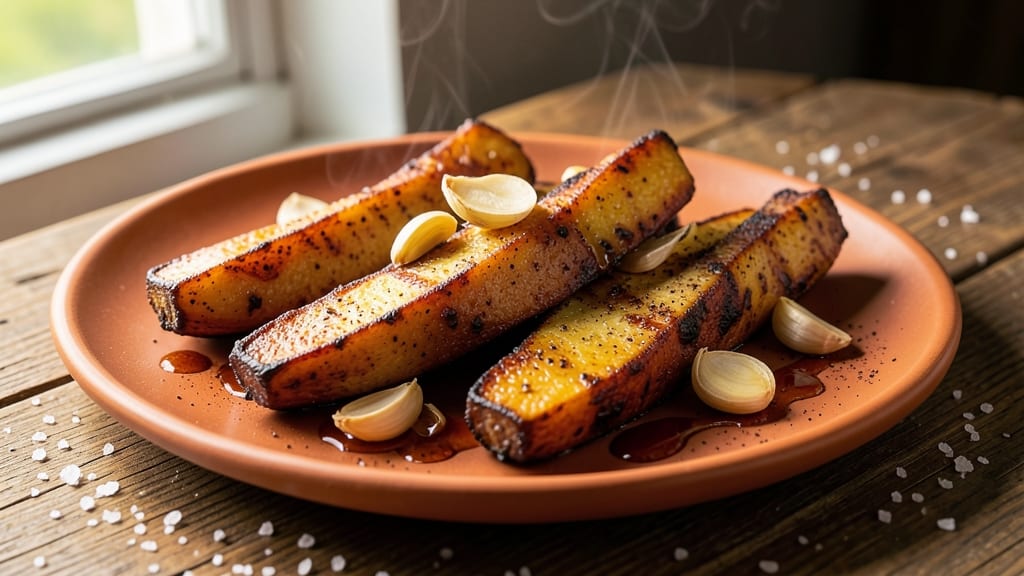
This yellow plantains recipe transforms ripe, sweet plantains into a caramelized masterpiece with smoky spice and irresistible crunch—perfect for any meal. 🌟 The key lies in balancing natural sweetness with savory spices like cinnamon and garlic, creating a dish that’s both comforting and elegant.
Whether you’re serving it as a side or main course, the texture contrast of crispy edges and tender centers makes every bite unforgettable.
What sets this recipe apart is its versatility—it works seamlessly in Caribbean, Latin American, and African-inspired dishes. The process is straightforward: peel, slice, and fry until golden, then toss with a blend of spices that enhances the plantains’ natural sweetness.
No special equipment is needed, just patience to achieve that perfect caramelized finish. The result is a dish that’s rich, aromatic, and packed with depth.
By the time you’re done, you’ll have a plate of plantains that’s crispy on the outside, tender inside, and infused with warm spices that linger on the palate. This recipe is foolproof, adaptable, and ready in under 30 minutes, making it ideal for weeknight dinners or special occasions.
Pair it with black beans, rice, or a simple yogurt dip for a complete meal that feels both homestyle and restaurant-worthy.
The beauty of this dish is its flexibility—it can be served as a side, a main, or even a dessert when sweetened with honey or coconut. For a vegan twist, simply skip the butter and use coconut oil instead. Let’s bring this flavorful, satisfying dish to your table!
Ingredients for yellow plantains
Sweet, smoky, and crispy—these plantains need just 12 ingredients to shine.
| Ingredient | Amount | Notes |
|---|---|---|
| Ripe Yellow Plantains 🍌 | 4 whole | Black spots indicate ripeness |
| Vegetable Oil 🫒 | 1 ½ cups | High smoke point preferred |
| Ground Cinnamon 🌿 | 1 tbsp | True Ceylon preferred |
| Garlic Cloves 🧄 | 4 cloves | Minced for even distribution |
| Smoked Paprika 🌶️ | 1 tsp | For authentic smoky depth |
| Ground Nutmeg 🌿 | ¼ tsp | Freshly grated preferred |
| Salt 🧂 | 1 tsp | Diamond Crystal kosher |
| Black Pepper 🌶️ | ½ tsp | Freshly cracked for heat |
| Unsalted Butter 🧈 | 2 tbsp | Optional for richness |
| Brown Sugar 🍚 | 1 tbsp | For caramelized finish |
| Fresh Cilantro 🌿 | ¼ cup | Chopped for garnish |
| Lime Juice 🍋 | 1 tbsp | Freshly squeezed |
The plantains are everything here. Look for ones with black spots—that’s when they’re perfectly sweet and ripe. Latin markets often have the best selection, but your regular grocery store’s produce section works too. If you can’t find ripe ones, let them sit at room temperature for a day or two—they’ll soften up. The oil matters too: vegetable or canola keeps things neutral, while avocado oil adds a subtle richness. Don’t skimp on the cinnamon—it’s the star of this dish, balancing the plantains’ natural sweetness with warm depth.
No smoked paprika? Regular paprika plus a pinch of liquid smoke gets you close. Short on garlic? Garlic powder at half the amount works, but fresh is always better. The butter is optional, but if you’re making this for a crowd, add it for that restaurant-quality finish. For a vegan version, swap the butter for coconut oil and use agave instead of brown sugar. The brown sugar isn’t just for sweetness—it helps create that caramelized crust that makes these plantains irresistible. And if you’re feeling fancy, toss in a pinch of cayenne for heat—just don’t tell anyone I said that.
These plantains taste even better the next day—honestly, the flavors meld and deepen. Store them in an airtight container at room temperature for up to 3 days, or freeze for 3 months if you’re prepping ahead. I like to portion them into single-serving containers so they’re ready to grab for quick lunches or snacks. The lime juice at the end is non-negotiable—it brightens everything and cuts through the richness. If you’ve got extra, drizzle it over the top right before serving.
Why You'll Love This Recipe
- One-Pan Magic: I swear by this recipe when I’m too tired to scrub pots—just slice the plantains, toss them in oil with those spices, and let the oven do the rest. The garlic and paprika caramelize right on the sheet pan, so cleanup is basically nonexistent.
- Sweet-Savory Crunch: That crispy, golden edge on the plantains? It’s the smoked paprika and cinnamon working together—warm, slightly spicy, with just enough sweetness from the ripe fruit. Honestly, I’ll eat them straight out of the pan like chips if I’m being real.
- Breakfast to Dinner: I keep these in the fridge for days—perfect cold in the morning with yogurt or scrambled eggs, or reheated in a tortilla for a quick lunch. The spices hold up, so they’re my go-to for lazy mornings or last-minute sides at dinner.
- Budget Stretch: Plantains are dirt cheap, and this recipe uses minimal oil and pantry staples. I make a big batch, portion it out, and freeze half—then I’ve got a cheap, filling side for weeks without breaking the bank. (Yes, even on a Tuesday night.)
Step-by-step instructions for caramelized yellow plantains with smoky spice crunch
Here's how to transform ripe plantains into crispy, caramelized perfection with a smoky kick.
🔥 Step 1: Prep and Cut the Plantains
Peel the 4 whole ripe yellow plantains by slicing off the ends and gently removing the skin—it should come off easily when ripe. Cut each plantain lengthwise into ½-inch thick slices, yielding about 8 slices total. You'll know they're perfectly ripe when they're soft to the touch with black spots but still firm enough to hold shape.
Arrange the slices in a single layer on a baking sheet. This prevents overlapping and ensures even cooking. I like to spray them lightly with water using a spray bottle—this helps the caramelization develop more evenly and prevents sticking during frying. Let them sit for 5 minutes while you prep the seasoning mix.
👨🍳 Step 2: Create the Spice Oil Blend
In a small bowl, whisk together the 1.5 cups vegetable oil, 1 tbsp ground cinnamon, 1 tsp smoked paprika, 0.25 tsp ground nutmeg, 1 tsp salt, and 0.5 tsp black pepper. The oil should take on a warm, aromatic hue—this is your frying medium and flavor carrier. I use a high-smoke-point oil to ensure it stays stable under heat without burning.
Transfer the spiced oil to a deep skillet or Dutch oven and heat over medium heat until it reaches 350°F. You'll see tiny bubbles forming around the edges—that's your signal the oil is ready. If you don't have a thermometer, test with a plantain slice: it should sizzle vigorously and turn golden within 30 seconds. Keep the heat steady—too high and the plantains burn before caramelizing.
🍳 Step 3: Fry the Plantains to Crispy Perfection
Working in batches to avoid crowding, carefully add the plantain slices to the hot oil. They should float immediately—if they sink, your oil isn't hot enough. Fry for 3-4 minutes per side until they develop a deep golden-brown color with caramelized edges. The plantains should be tender when pierced with a fork but still hold their shape.
Here's the thing—don't overcrowd the pan. I fry them in two batches if needed. The oil temperature will drop when you add too many slices at once, leading to uneven cooking. Once golden, use a slotted spoon to transfer them to a paper towel-lined plate to drain excess oil. They'll continue cooking slightly from residual heat, so remove them just before they reach your desired doneness.
🥘 Step 4: Add the Garlic Butter Finish
In the same skillet, reduce heat to medium-low and add the 2 tbsp unsalted butter and 1 tbsp brown sugar. Let the butter melt completely, then add the 4 minced garlic cloves and cook for 30 seconds until fragrant but not browned. This step adds a luxurious richness that balances the smoky spices.
Return the fried plantains to the skillet and toss gently to coat them in the garlic butter mixture. You'll see the sugar begin to caramelize, creating those beautiful glossy streaks. Cook for another 1-2 minutes until everything is well-coated and the plantains are heated through. The aroma at this point is pure comfort food magic.
🍽️ Step 5: Garnish and Serve Immediately
Transfer the plantains to a serving platter and immediately sprinkle with the 0.25 cup chopped fresh cilantro and 1 tbsp lime juice. The bright acidity cuts through the richness, while the cilantro adds a fresh herbal note. Serve while still warm—they'll crisp up even more as they cool slightly.
For the perfect presentation, arrange them on a platter with the garlic butter drizzled artistically over the top. The contrast of crispy plantains with the creamy butter and bright garnishes makes this dish irresistible. Pair with black beans or a simple salad for a complete meal that's equal parts satisfying and sophisticated.
Pro Tips For Making Yellow Plantains
- CHAR THE EDGES: After burning three batches, I finally figured out that plantains need direct heat—none of that gentle simmering. Use medium-high heat in a heavy skillet, and let those slices sear until the edges turn deep golden brown, almost crispy. That’s where the real flavor hides.
- SLICE THINLY AND EVENLY: I used to hack off chunks with a knife, and they’d cook unevenly—some mushy, some raw. Grab a sharp knife and cut the plantains into ¼-inch slices, then stack and cut again for uniform pieces. They’ll brown faster and caramelize properly.
- TOAST THE CINNAMON: Sounds weird, but it works: Lightly toast the ground cinnamon in the same oil you’re using for the plantains for 30 seconds before adding the garlic. The warm, nutty aroma blends better with the smoky paprika, and it cuts through the sweetness like a pro move.
- DON’T OVERCROWD THE PAN: I know, I know—you’re hungry and want this done fast. But cramming too many slices in there will steam them instead of crisp them. Work in batches, even if it means an extra minute. Trust me, the difference in texture is night and day.
Common mistakes when making this recipe
Overcooking the Plantains
Watch the color closely—yellow plantains should turn golden brown, not dark brown or black. Overcooking happens when you fry them too long or at too high heat, turning them bitter and dry.
I’ve ruined batches by walking away for just a minute—set a timer for 3-4 minutes per side and keep an eye on them. The edges should caramelize but still hold their shape when pierced with a fork. 🌶️
Using Unripe Plantains
Unripe (green) plantains are tough and starchy, not sweet and tender like ripe yellow ones. They won’t caramelize properly and will turn mushy instead of crispy. Look for plantains with black spots—they’re perfectly ripe.
If yours are still green, let them ripen at room temperature for 2-3 days until the skin turns mostly yellow with brown spots. Never use green plantains for this recipe.
Skipping the Spray Mist
The light water spray before frying isn’t optional—it’s what creates that perfect caramelized crust. Without it, the plantains absorb too much oil and become greasy instead of crispy. Use a spray bottle for even coverage, focusing on both sides.
Let them sit for 5 minutes to dry slightly before frying. This step makes all the difference in texture.
Ignoring Oil Temperature
If your oil isn’t hot enough (350°F), the plantains will absorb oil like a sponge instead of developing that golden crust. Test the oil by dropping in a small piece of plantain—it should sizzle and turn golden in 30 seconds.
Too cool? Heat it longer. Too hot? Reduce the flame. A thermometer is worth the investment for consistent results every time. ⚡
Overcrowding the Pan
Frying plantains in batches is non-negotiable. Overcrowding drops the oil temperature, leading to soggy, unevenly cooked slices. I fry in two batches if needed, giving each slice space to crisp.
If you’re short on time, use a larger skillet or Dutch oven—but never sacrifice oil temperature for speed. Patience here ensures perfect texture.
Underseasoning the Oil
The spices in the oil are what elevate these plantains from ordinary to extraordinary. Don’t skimp on the cinnamon, smoked paprika, or garlic—these are the soul of the dish. Taste the oil before frying; it should smell rich and aromatic.
If it’s bland, add another ½ tsp salt or ¼ tsp cinnamon. The flavors build as they cook, so start with confidence.
Nutrition facts
Frequently asked questions
How do I know when yellow plantains are ripe enough?
Look for plantains with black spots and mostly yellow skin—they’re perfectly sweet and tender. If they’re still mostly green, let them ripen at room temperature for 2-3 days until the skin turns yellow with brown spots. Avoid using them if they’re too soft or mushy, as they’ll fall apart when cooking.
Can I make this recipe without frying?
For a healthier version, bake the plantain slices at 400°F for 15-20 minutes, flipping halfway, until golden. Brush with a little oil and sprinkle with spices before baking. The texture will be softer but still flavorful—great for those watching oil intake.
What’s the best way to store leftover plantains?
Keep them in an airtight container at room temperature for up to 3 days, or freeze for 3 months. Reheat in a skillet for 2-3 minutes to restore crispiness. They actually taste better the next day as flavors deepen!
Can I substitute butter with something else?
For a vegan version, use coconut oil or olive oil instead of butter, and swap brown sugar for maple syrup. The garlic butter finish still works—just melt the oil first. If you’re avoiding all fats, skip the butter entirely and rely on the spices in the oil.
How do I serve these plantains in a meal?
These plantains shine as a side with black beans and rice, or as a main with a simple yogurt dip (mix yogurt, lime juice, and chopped cilantro). For a dessert twist, sprinkle with cinnamon and serve with vanilla ice cream. They’re versatile enough for breakfast, lunch, or dinner!