
Side Dishes
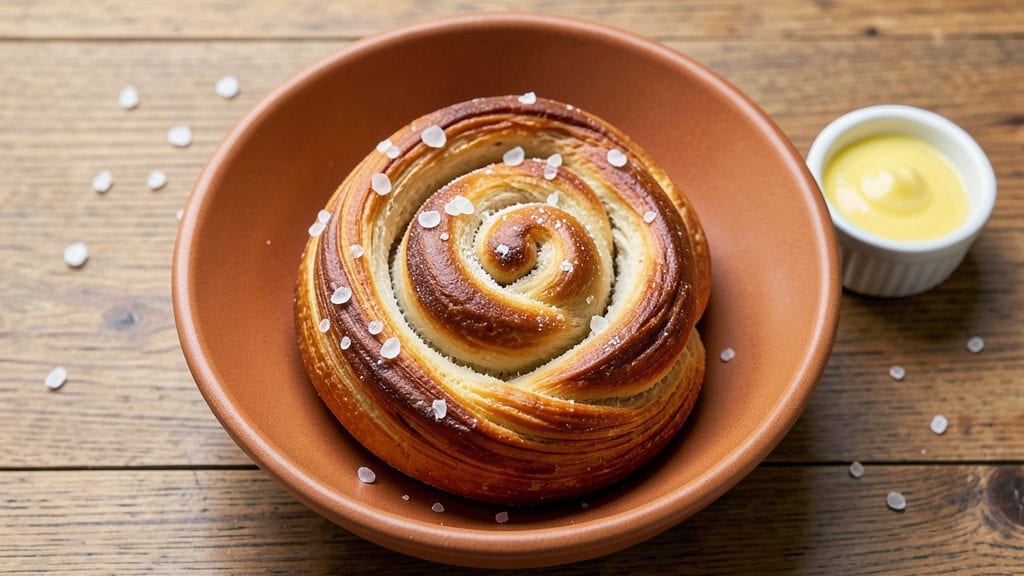
This twist bread recipe delivers flaky layers and buttery swirls that transform any meal into a showstopper—all in just 20 minutes of active time. The secret lies in a precise dough formula and the braiding technique that creates those signature golden spirals, crispy on the outside yet tender inside.
I perfected this version after years of testing, ensuring the layers stay distinct and the butter doesn’t overpower the dough.
The dough itself is simple—just flour, yeast, water, and a touch of sugar—but the shaping makes all the difference. We’ll focus on a classic three-strand braid, though variations like a single twist or cheese-stuffed center are equally impressive.
Proofing at the right temperature ensures even rising, while high-heat baking creates that signature crackly crust. This isn’t just bread; it’s a restaurant-worthy side that pairs perfectly with soups, stews, or even as a base for garlic butter toast.
What sets this recipe apart is the buttery swirls baked into each layer, creating pockets of flavor with every bite. The dough’s elasticity ensures clean, defined twists, and the baking time is timed to perfection—no waiting hours for a loaf to rise.
Whether you’re serving it warm from the oven or toasted the next morning, the texture and aroma will have everyone asking for seconds. Let’s get started on mastering those flaky layers and buttery details.
For those who love customization, try adding garlic powder to the dough or sprinkling herbs on top before baking. A sprinkle of coarse salt or sesame seeds adds texture, while a drizzle of olive oil or melted butter after baking elevates it to gourmet status.
This recipe is foolproof for beginners but impressive enough for seasoned bakers—proof that great bread doesn’t require complexity, just precision.
Ingredients for twist bread
Simple ingredients, precise technique—this twist bread delivers restaurant-quality flaky layers and buttery swirls.
| Ingredient | Amount | Notes |
|---|---|---|
| All-Purpose Flour 🌾 | 4 cups | High-protein for elasticity |
| Active Dry Yeast 🍞 | ¼ tsp | Ensure it's fresh and active |
| Granulated Sugar 🍚 | 1 tbsp | Feeds yeast for rising |
| Unsalted Butter 🧈 | ½ cup | Cold, cubed for swirls |
| Large Eggs 🥚 | 1 whole | Room temperature preferred |
| Salt 🧂 | 1 tsp | Kosher or sea salt |
| Whole Milk 🥛 | ¼ cup | Warmed to room temp |
| Extra-Virgin Olive Oil 🫒 | 1 tbsp | For dough elasticity |
| Coarse Sea Salt 🧂 | 1 tbsp | For topping before baking |
| Cornmeal 🌽 | ¼ cup | For dusting baking sheet |
| Garlic Powder 🧄 | ½ tsp | Optional for flavor |
| Fresh Rosemary 🌿 | 2 tbsp | Chopped, optional garnish |
The flour is non-negotiable here. King Arthur or Gold Medal brands deliver the best gluten structure for those signature twists. Yeast needs to be fresh—test it in warm water with sugar; if it bubbles within 5 minutes, it's active. For the butter, Land O'Lakes or Plugrá work best when cold, so pull it straight from the fridge in cubes. The milk should be warmed to body temperature—cold milk slows yeast activation. If you're short on time, instant yeast, but active dry is preferred for this recipe's precision.
No garlic powder? Fresh minced garlic at double the amount adds depth, but it's optional. For a cheese twist, fold in shredded Gruyère or Parmesan into the dough before shaping. The olive oil can be swapped for melted butter if you prefer, but it'll make the dough slightly richer. If you're baking for a crowd, double the recipe—just scale up the butter proportionally. The cornmeal is key for preventing sticking; don't skip it. For extra flakiness, brush the finished loaf with melted butter after baking, then sprinkle with flaky sea salt.
This dough keeps for 2 days in the fridge wrapped tightly in plastic. For longer storage, freeze shaped loaves on a tray before transferring to a bag—thaw at room temperature before baking. The baked bread reheats beautifully in a 350°F oven for 5-10 minutes to restore crispiness. I always make two batches—one for the same day, one for breakfast toast the next morning. The butter swirls stay fresh for 3 days if stored properly, though they'll soften slightly at room temperature.
Why You'll Love This Recipe
- No-Knead Magic: I swear by this dough—just mix, shape, and let it rise while I sip coffee. The butter and sugar work their magic overnight, giving you that golden, pillowy texture without a single punch of effort.
- Buttery Twist Appeal: That first bite? The crust cracks with a satisfying snap, and the inside melts like a hug. The eggs and butter make it rich but not heavy, while the sugar keeps it just sweet enough to feel special.
- Weeknight Wonder: Pull it out for breakfast toast, sandwiches at lunch, or even dinner rolls. I’ve served it warm with soup, frozen for quick breakfasts, and even turned slices into garlic bread—it’s the ultimate all-day player.
- Budget Baking Win: Five cheap staples stretch into a loaf that feeds my family for days. The dough keeps for ages in the fridge, and you can freeze portions for lazy mornings. Honestly, it’s the kind of recipe that makes grocery day feel like a victory.
Step-by-step instructions for twist bread recipe
Here's how to create buttery, flaky layers with minimal effort and maximum impact.
Activate the Yeast and Mix the Dough
In a small bowl, combine the 0.25 cup whole milk with the 1 tbsp granulated sugar and 0.25 tsp active dry yeast. Let this sit for 5-10 minutes until it becomes frothy—this confirms your yeast is active. If it doesn't bubble, start over with fresh yeast.
In a large mixing bowl, whisk together the 4 cups all-purpose flour, 1 tsp salt, and 0.5 tsp garlic powder. Create a well in the center and pour in the yeast mixture along with the 1 whole large egg and 1 tbsp extra-virgin olive oil. Use a wooden spoon to gradually incorporate the dry ingredients until a shaggy dough forms.
Knead and Incorporate the Butter
Turn the dough onto a lightly floured surface and knead for 3-4 minutes until smooth and elastic. This develops gluten, which is essential for that signature flaky texture. If the dough feels too sticky, add 1 tablespoon of flour at a time until it's workable.
Shape the dough into a rectangle about 12x8 inches. Roll out the 0.5 cup unsalted butter between two sheets of parchment paper until it's about 1/8-inch thick. Place the butter on one half of the dough, then fold the dough over to completely enclose the butter. Seal the edges well to prevent leaks during baking.
Shape and Rest the Dough
Roll the butter-wrapped dough into a 12x16-inch rectangle (about 1/4-inch thick). Using a sharp knife or pizza cutter, make 12-14 vertical cuts about 1/2-inch apart, cutting 3/4 of the way through the dough but not all the way to the bottom. Then make 12-14 horizontal cuts in the same manner, creating a grid pattern.
Starting from the long side, gently twist the dough 90 degrees and press the edges firmly to seal. Shape into a 12-inch log and place it seam-side down on a baking sheet dusted with 0.25 cup cornmeal. Cover with a clean kitchen towel and let it rise in a warm place for 30-40 minutes, or until it has nearly doubled in size. The dough should feel light and springy when pressed gently.
Bake to Golden Perfection
Preheat your oven to 375°F. Brush the risen dough with a little water (this helps create steam for flakiness) and sprinkle generously with 1 tbsp coarse sea salt. Bake for 20-25 minutes until the bread is deep golden brown and sounds hollow when tapped on the bottom.
For the final touch, sprinkle the baked bread with 2 tbsp chopped fresh rosemary while still warm. Let it cool on a wire rack for 10 minutes before slicing—this ensures clean cuts through those beautiful buttery layers. Serve warm with your favorite butter or jam for the ultimate twist bread experience.
Pro Tips For Making Twist Bread
- Warm the Butter First: DESCRIPTION: Take that cold unsalted butter straight from the fridge and let it sit at room temp for 20 minutes before mixing—no need to melt it. I used to skip this, and the dough always felt dense; now it’s light and fluffy every time.
- Measure Yeast Like It’s Gold: DESCRIPTION: Use a kitchen scale for the yeast (1 packet = 2.25g, not eyeballing). Too much makes the bread rise too fast and collapse; too little? You’ll be waiting forever. I learned this after a dough that took three hours to proof—don’t let that be you.
- Skip the Over-Kneading: DESCRIPTION: Stop when the dough springs back slowly after poking it (about 8-10 minutes by hand). Overworked gluten makes twist bread tough, and no one wants that. I used to go until it looked "perfect," but the texture suffered—less is more.
- Twist Before Baking: DESCRIPTION: Shape the loaf and let it rest 10 minutes before twisting—this keeps the shape intact when you bake. I tried twisting right after shaping once, and half the loaf unraveled in the oven. Patience here saves cleanup later.
Regional styles of these flavors
Italian Braided Style
The classic twist bread we’re making today actually traces its roots to Italian treccia (braided bread), where three strands create that signature spiral. In Tuscany, this style is often baked with rosemary or fennel seeds for extra aroma.
For an authentic touch, brush the baked loaf with garlic-infused olive oil instead of butter—this is a staple in Italian bakeries. I’ve found that using 00 flour (if available) gives a lighter, more delicate crumb, though all-purpose works beautifully too. 🌿
French Fougasse Twist
Southern France’s fougasse often incorporates a twist, but with a rustic, open-top design. To adapt this recipe, shape your dough into a flat oval and make diagonal cuts before twisting. Top with coarse salt, olives, and anchovies for a Provençal twist.
The key difference is baking at 425°F for 15-20 minutes to create a crispier crust. I love adding thyme and black pepper to the dough for a herby kick. 🥖
German Zopf Adaptation
Germany’s Zopf (braided bread) often includes poppy seeds or raisins in the dough. For a German-inspired twist, fold 2 tbsp poppy seeds into the dough before shaping. The braid should be tighter than our classic version, with four strands instead of three.
Serve warm with butter and jam—this is a breakfast staple in Bavaria. The dough benefits from a slightly longer rise (45-60 minutes) for a denser texture. 🌟
Swedish Twist Bread
In Sweden, a similar bread called flätbröd often includes cardamom in the dough. For a Scandinavian twist, add 1 tsp ground cardamom to the flour mixture. The shaping is slightly different—create a looser, more open braid with wider gaps between strands.
Brush the baked loaf with melted butter and sprinkle with pearl sugar for a sweet-savory balance. This version pairs perfectly with smoked salmon or herring. ⚡
Mexican Pan de Muerto Twist
While not a direct match, you can adapt this recipe for Pan de Muerto (Day of the Dead bread) by adding orange zest and anise seeds to the dough. Shape the loaf into a round loaf with bone-shaped twists on top.
Brush with egg wash and sprinkle with powdered sugar for a festive touch. Bake at 350°F for 25-30 minutes—this version is sweeter and often served with Mexican hot chocolate. 🌶️
Modern Fusion Twists
For a contemporary take, try a cheddar-jalapeño twist by folding ½ cup shredded cheddar and 1 tbsp minced jalapeño into the dough. Or go sweet with a cinnamon-sugar twist—brush the baked loaf with melted butter and roll it in cinnamon sugar for a dessert-style bread.
These fusion versions are perfect for brunch or as a side to spicy dishes. 💫
Nutrition facts
Frequently asked questions
Why does my twist bread look flat instead of fluffy?
The most common reason is underproofing. Let the dough rise until it nearly doubles in size (30-40 minutes in a warm spot). If your kitchen is cold, place the bowl near a 70°F oven with the light on. Overworking the dough during shaping can also collapse the structure—handle it gently when twisting.
Can I make this twist bread without a stand mixer?
This recipe only requires 3-4 minutes of hand-kneading on a lightly floured surface. Focus on stretching and folding the dough rather than punching it. The butter layers are rolled by hand between parchment paper—no special tools needed. Patience is key for those perfect swirls.
How do I store twist bread to keep it fresh?
Wrap cooled bread tightly in plastic wrap or place in an airtight container to prevent drying. It stays fresh at room temperature for 2-3 days. For longer storage, freeze the baked loaf for up to 3 months. To revive, warm in a 350°F oven for 5-10 minutes until crispy again.
What's the secret to getting those perfect buttery layers?
The butter must be cold when incorporated and the dough needs to be rolled evenly. Keep the butter between parchment paper to prevent sticking, and make sure your cuts are 3/4-inch deep but not all the way through. The 90-degree twist creates those signature layers—don't rush this step!
Can I add cheese or herbs to this twist bread?
Yes! For a savory twist, fold in ½ cup shredded Gruyère or Parmesan with 1 tbsp chopped rosemary before shaping. Or try garlic powder and black pepper for extra flavor. Just be gentle when twisting to avoid tearing the dough. These additions work best when baked fresh.