
Sauces & Condiments
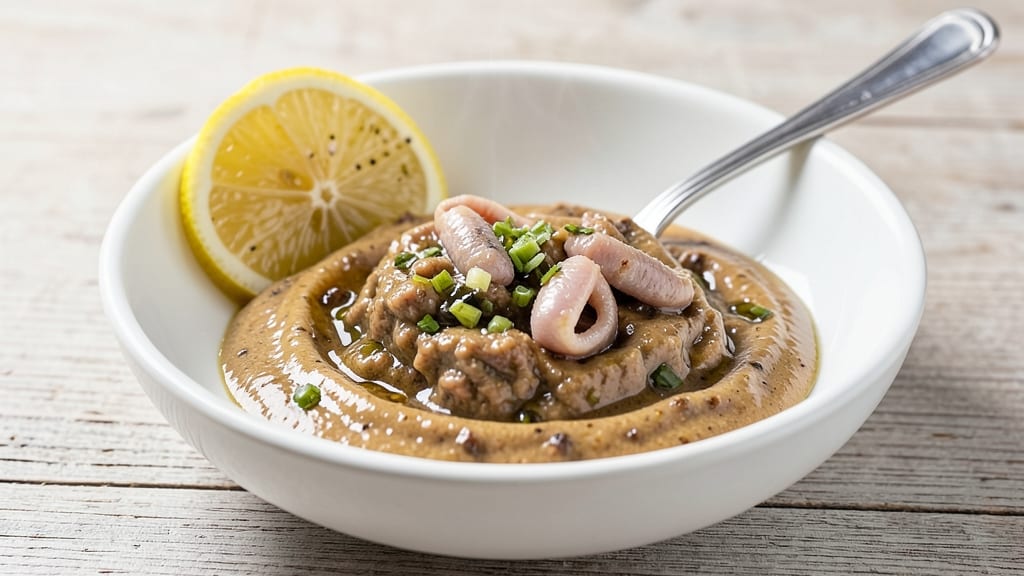
This creamy tuna sauce recipe transforms simple pantry staples into a versatile condiment that elevates pasta, sandwiches, and more—all with just 15 minutes of hands-on time. The secret lies in balancing rich canned tuna with tangy anchovies, garlic, and a touch of creaminess that makes every bite irresistible.
I developed this after years of searching for a sauce that could stand up to bold flavors while remaining adaptable for any meal.
The foundation of this sauce is its garlic-anchovy base, which adds depth without overpowering the delicate tuna flavor. A splash of lemon juice brightens the mixture, while a small amount of mayo or Greek yogurt ensures that signature creamy texture.
What sets this apart is how effortlessly it transitions from a quick weeknight dinner to a gourmet touch for special occasions—no complicated techniques required.
What you’ll end up with is a smooth, velvety sauce that clings perfectly to pasta, enhances sandwiches, or serves as a luxurious dip for crusty bread.
The flavor profile is complex yet balanced: savory from the tuna and anchovies, bright from the lemon, and creamy enough to satisfy even the most discerning palates. This isn’t just a sauce—it’s a game-changer for anyone looking to add restaurant-quality flavor to home cooking.
Best of all, this tuna sauce keeps beautifully in the fridge for up to 5 days, making it ideal for meal prep.
Double the batch and store it for future use—whether you’re tossing it with spaghetti, slathering it on a Reuben sandwich, or serving it as a dip with fresh vegetables. Let’s get started on creating this foolproof, multi-purpose sauce that will become a staple in your kitchen.
Ingredients for tuna sauce
Pantry staples meet bold flavors in this creamy tuna sauce—simple yet restaurant-worthy.
| Ingredient | Amount | Notes |
|---|---|---|
| Canned Tuna in Olive Oil 🐟 | 2 cans | High-quality, drained well |
| Anchovy Fillets 🐟 | 3 whole | High-quality, rinsed briefly |
| Garlic Cloves 🧄 | 4 cloves | Fresh, minced finely |
| Extra-Virgin Olive Oil 🫒 | ½ cup | High-quality, fruity |
| Mayonnaise 🥫 | ¼ cup | Full-fat preferred |
| Lemon Juice 🍋 | 2 tbsp | Freshly squeezed |
| Dry White Wine 🍷 | ¼ cup | Sauvignon Blanc preferred |
| Fresh Parsley 🌿 | ¼ cup | Chopped finely |
| Diamond Crystal Kosher Salt 🧂 | ½ tsp | Fine grain preferred |
| Freshly Ground Black Pepper 🌶️ | ¼ tsp | Freshly cracked |
The tuna and anchovies are your flavor anchors. Wild-caught albacore in olive oil (not water) adds richness—skip the chunky varieties, they won’t blend smoothly. For anchovies, Colavita or Importa are my go-tos; they dissolve cleanly without fishy aftertaste. The garlic? Roast it first (400°F for 10 minutes) for a mellow sweetness that prevents bitterness. Fresh parsley isn’t just garnish—it brightens the sauce with herbal notes. I always grab flat-leaf parsley from the grocery store’s produce section, where it’s fresher than the pre-chopped containers.
No olive oil? Avocado oil works too, but it lacks the fruity depth. Subbing mayo? Greek yogurt at half the amount keeps it lighter, though it’ll separate slightly. Short on wine? Dry vermouth or extra lemon juice mimics the acidity. The sauce is forgiving—if you forget parsley, dried oregano at one-third the amount adds earthiness. For a vegan version, swap tuna for mashed white beans (1 can, drained) and omit anchovies, but the texture will be thicker. Always taste as you go—the wine and lemon balance needs adjustment more often than you’d think.
This sauce peaks after 24 hours in the fridge as flavors meld, but it’s ready to use immediately. Store in an airtight container with a thin layer of olive oil on top to preserve freshness for up to 5 days. Freezes beautifully for 3 months—portion into ice cube trays for perfect single-use servings. The mayo or yogurt may separate slightly when thawed, so give it a quick whisk before using. Trust me, the first time you toss this with linguine or slather it on a grilled cheese, you’ll never buy jarred tuna sauce again.
Why You'll Love This Recipe
- Pantry Magic: I swear by this recipe when I’m staring into a nearly empty fridge. The canned tuna and anchovies in olive oil? That’s umami gold—no fresh fish to fillet, no fancy prep. Just open, mix, and you’ve got a sauce that tastes like it simmered for hours.
- Garlic Bomb: Between us, the raw garlic and anchovies create a punch that’s dangerously addictive. That first bite—salty, briny, with a creamy mayo finish—makes me forget it’s basically a 10-minute recipe. (Yes, even on a Tuesday night.)
- Lunchbox Hero: This sauce is my go-to for sandwiches, pasta, or even drizzled over toasted bread. I’ve sent it in kids’ lunches, packed it for work, and used it to jazz up store-bought crackers when guests drop by. It’s the kind of thing that makes you look like a cooking pro without trying.
- Budget Flex: Honestly, I make this when I’m broke or when I’m not. A single can of tuna and a few anchovies stretch into multiple meals—leftovers taste just as good cold in wraps or reheated over rice. And at $3 for the whole thing? It’s my secret weapon for feeding a family without breaking the bank.
Step-by-step instructions for creamy garlic-anchovy tuna sauce
Here's how to craft a velvety, umami-rich sauce that elevates any dish—just follow these precise steps.
Prepare the Base Ingredients
Drain the 2 cans canned tuna in olive oil thoroughly, pressing gently between paper towels to remove excess moisture. Rinse the 3 whole anchovy fillets briefly under cold water to remove any surface salt, then pat dry. Finely mince the 4 cloves garlic cloves using a microplane or sharp knife—this ensures even distribution and prevents any harsh bits in your sauce.
In a small bowl, whisk together the 0.25 cup mayonnaise, 0.25 cup dry white wine, and 2 tablespoons lemon juice until completely smooth. The wine adds brightness while the lemon juice cuts through the richness of the mayonnaise, creating a balanced foundation. Set this mixture aside while you prepare the remaining ingredients.
Build the Flavor Foundation
Heat the 0.5 cup extra-virgin olive oil in a small saucepan over medium-low heat. Add the minced garlic and cook for 2-3 minutes until it becomes fragrant but never browns—this prevents bitterness and preserves the delicate garlic flavor. Here's the thing: you want the garlic to perfume the oil without developing any color.
Immediately remove the pan from heat and let it cool for 1 minute. This step is crucial—hot oil can break down the mayonnaise in your mixture, creating a separated sauce. While the oil cools, add the drained tuna and anchovy fillets to the garlic-infused oil, breaking them into small pieces with a fork. The anchovies will dissolve completely, releasing their deep umami flavor into the oil.
Combine and Emulsify
Pour the cooled garlic oil mixture into the bowl with the mayonnaise mixture. Using a hand mixer or whisk, blend everything together for 1-2 minutes until completely smooth and creamy. You'll notice the sauce thicken slightly as the ingredients emulsify. If it looks too thick, add 1 teaspoon water at a time until it reaches a spreadable consistency—this ensures the sauce coats perfectly without being gluey.
Season immediately with 0.5 teaspoon diamond crystal kosher salt and 0.25 teaspoon freshly ground black pepper, then stir in the 0.25 cup finely chopped fresh parsley. The parsley adds freshness and color, balancing the richness of the tuna and anchovies. Taste and adjust seasoning if needed—this sauce should be vibrant, briny, and perfectly balanced.
Rest and Serve
Transfer the sauce to a clean jar or container and refrigerate for at least 30 minutes before serving. This resting period allows all the flavors to meld together, creating a cohesive taste profile. The sauce will thicken slightly as it chills, making it ideal for spreading on sandwiches or tossing with pasta.
When ready to use, give the sauce a quick stir to re-emulsify if needed. It's best served at room temperature, so let it sit for 10 minutes before spreading on toast, drizzling over grilled fish, or mixing into a creamy pasta dish. The texture should be smooth and velvety, with a perfect balance of creaminess and umami depth—exactly what you promised yourself when you first opened that can of tuna.
Pro Tips For Making Tuna Sauce
- Mash Those Anchovies: Don’t just toss them in whole—break the anchovy fillets into tiny pieces with a fork first. They dissolve faster and distribute their salty punch evenly. I used to skip this, and my sauce always tasted like there was a fishbone lurking somewhere.
- Warm the Oil First: Heat the olive oil over low heat until it’s just shimmering—no smoking, no sizzling. Cold oil makes the garlic burn before it softens, and that bitterness ruins the whole dish. Give it 2-3 minutes, then add the garlic.
- Drain That Tuna: Even if it’s "in olive oil," drain the tuna thoroughly and pat it dry with a paper towel. The extra oil in the can makes the sauce greasy, and you’ll end up with a soup instead of a spread. Trust me, your sandwich will thank you.
- Mix Mayonnaise Last: Stir the mayo in after the sauce has cooled slightly—otherwise, it’ll turn grainy. I learned this after making a batch that looked like a sad, broken salad dressing. Wait until everything else is at room temp, then fold it in gently.
Flavor customization for these flavors
Spicy Kick
For a bold twist, stir in 1 teaspoon of Penzeys hot honey or ½ teaspoon of cayenne pepper while blending. The honey’s heat mellows over time, while cayenne delivers an instant fiery punch.
I like adding ½ teaspoon of smoked paprika too—it deepens the sauce’s complexity without overpowering. Balance the heat with an extra splash of lemon juice if needed. 🌶️
Herb Infusions
Swap parsley for 1 tablespoon of fresh dill or 1 teaspoon of dried tarragon to create a Mediterranean-inspired variation. For a Thai-inspired twist, add 1 teaspoon of fish sauce and ½ teaspoon of lime zest—these ingredients elevate the umami profile.
Fresh herbs should be finely chopped to distribute evenly throughout the sauce.
Creamy Upgrades
Replace mayo with ½ cup of crème fraîche for a tangier, lighter texture. For extra richness, fold in 2 tablespoons of mascarpone cheese at the end—this adds a luxurious mouthfeel.
If you prefer a vegan option, blend ¼ cup of silken tofu with the wine and lemon juice instead of mayo. The tofu creates a smooth, creamy base without dairy.
Umami Boosters
Enhance the savory depth by adding 1 teaspoon of soy sauce or ½ teaspoon of miso paste during blending. For a smoky note, stir in ½ teaspoon of liquid smoke—just enough to hint at charred flavors.
These additions work especially well with the tuna and anchovies, creating a more complex flavor profile that stands up to bold dishes.
Sweet-Tangy Balance
Brighten the sauce with 1 tablespoon of capers (chopped finely) for a briny-sweet contrast. A drizzle of 1 teaspoon of honey or agave syrup rounds out the flavors beautifully.
This variation pairs perfectly with grilled vegetables or as a dip for crusty bread. The capers add texture while the sweetener balances the acidity of the lemon.
Regional Twists
For a Japanese-inspired version, add 1 teaspoon of mirin and ½ teaspoon of grated ginger—this creates a sweet-savory balance reminiscent of teriyaki. A Southern-inspired twist includes ½ teaspoon of hot sauce (like Crystal) and a pinch of cayenne, perfect for slathering on fried catfish or cornbread.
Each regional adaptation keeps the core sauce intact while adding cultural flair. 🗺️
Nutrition facts
Frequently asked questions
Can I use water-packed tuna instead of olive oil-packed?
The recipe calls for olive oil-packed tuna to ensure richness and creaminess in the sauce. Water-packed tuna will work, but you'll need to add an extra 2 tablespoons of olive oil to compensate for lost fat. The texture will be slightly lighter, but the flavor will still be delicious.
How do I adjust this sauce for a vegan diet?
Swap the canned tuna for 1 can (15 oz) of drained white beans, omit the anchovies, and replace the mayo with ¼ cup silken tofu blended with 1 tablespoon lemon juice. The sauce will be thicker and nuttier, but still creamy and versatile for pasta or sandwiches.
Why does my sauce separate when I add hot oil?
Mayonnaise and dairy-based ingredients break down when exposed to high heat. Always let the garlic oil cool completely (1 minute) before mixing it with the mayo-wine-lemon base. If separation happens, whisk in 1 teaspoon of water or a splash of cold water to re-emulsify.
Can I make this sauce ahead of time?
This sauce actually tastes better after 24 hours in the fridge as flavors meld. Store in an airtight container with a thin layer of olive oil on top to preserve freshness for up to 5 days. For longer storage, freeze in ice cube trays for single-use portions.
What's the best way to use leftover sauce?
Use it as a pasta topping, sandwich spread, or dip for crusty bread. For extra creativity, mix it into mashed potatoes or spread it on grilled cheese sandwiches. The sauce also makes a fantastic filling for stuffed avocados or baked potatoes.