
Sauces & Condiments
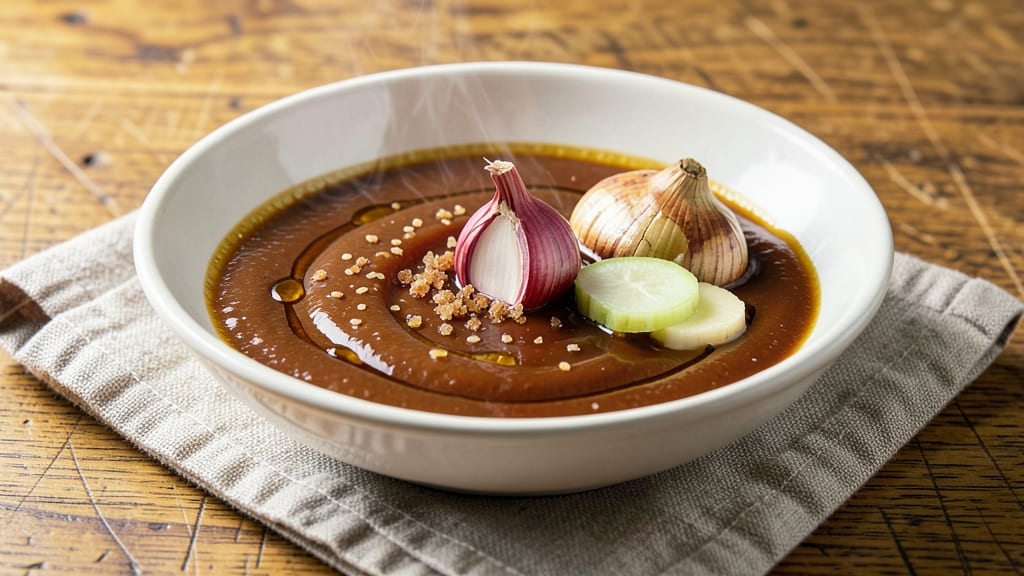
This terriaki sauce recipe delivers a glossy, umami-packed glaze that transforms grilled meats and vegetables into restaurant-quality masterpieces. The balance of soy sauce, mirin, and sugar creates a sauce that's equally effective as a marinade or finishing glaze—its sticky-sweet profile caramelizes beautifully on high heat.
I developed this version after testing dozens of recipes, refining it to achieve that perfect harmony of salty, sweet, and savory without overpowering the natural flavors of the food.
The key to professional results lies in the simmering process, where the sauce reduces to a thick, glossy consistency that clings perfectly to grilled surfaces. Unlike many store-bought versions, this recipe builds layers of flavor through fresh ginger and garlic, which infuse the sauce with aromatic depth.
With just 7 simple ingredients and 20 minutes of active time, you'll have a sauce that elevates everything from chicken thighs to pineapple slices.
What makes this teriyaki sauce truly special is its versatility—use it as a marinade for 4-24 hours before grilling, or brush it on during the last minutes of cooking for a caramelized finish.
The sauce keeps well in the refrigerator for up to 2 weeks, making it perfect for meal prep. Whether you're hosting a backyard barbecue or simply craving takeout-quality flavors at home, this recipe delivers consistent, professional results every time.
For even more depth, consider adding a splash of rice vinegar or a pinch of red pepper flakes to customize the flavor profile. The sauce works beautifully with pork, chicken, shrimp, and even tofu—its adaptability makes it a staple in any kitchen.
Let's get started on creating your own batch of this indispensable glaze.
Ingredients for terriaki sauce
Seven essential ingredients create this restaurant-quality teriyaki sauce.
| Ingredient | Amount | Notes |
|---|---|---|
| Soy Sauce 🍶 | ½ cup | Low-sodium preferred for balance |
| Mirin 🍶 | ¼ cup | Sweet cooking wine, not substitute |
| Brown Sugar 🍚 | ¼ cup | Light or dark variety works |
| Fresh Ginger 🧅 | 2 tbsp | Finely grated, aromatic freshness |
| Garlic Cloves 🧄 | 4 cloves | Minced, aromatic foundation |
| Sesame Oil 🫒 | 1 tbsp | Toasted sesame oil for depth |
| Water 💧 | ¼ cup | For thinning consistency |
The soy sauce is the backbone—Kikkoman or La Choy are reliable choices, but avoid reduced-sodium versions here since we need that salty punch. Mirin is non-negotiable for authentic sweetness; don't substitute with dry sherry or honey. For ginger, grab the organic root from the produce section—it stays fresh longer and has more punch than pre-grated. The garlic should be freshly minced (not jarred) to avoid that bitter aftertaste. Sesame oil adds nutty depth—use the toasted kind, not the lighter, cheaper versions that taste like perfume. Store your soy sauce in the fridge after opening to preserve its quality.
No mirin? A mix of sake and sugar (1:1 ratio) works in a pinch, though purists will notice the difference. Running short on sesame oil? Toasted peanut oil gives a similar nuttiness, though the flavor profile shifts slightly. The brown sugar can be swapped for white sugar or honey, but brown sugar's molasses notes help mimic mirin's complexity. For a spicier kick, add a pinch of red pepper flakes or a dash of Sriracha during the final simmer. If you're prepping ahead, make a double batch—the extra sauce keeps perfectly for 2 weeks in the fridge or 6 months frozen, making it ideal for meal prep.
This sauce thickens as it cools, so don't over-reduce it. For longer storage, divide into ice cube trays and freeze—perfect for single-use portions later. The sauce's glossy finish comes from the final simmer, so avoid stirring constantly. If it thickens too much, whisk in 1 tsp water at a time. For grilling, brush on during the last 2-3 minutes for that caramelized crust. The sauce's versatility makes it a pantry staple—use it on meats, veggies, or even drizzle over rice bowls.
Why You'll Love This Recipe
- Here’s what sold me: this sauce actually improves the next day. The flavors meld even better, and I’ve got a backup for forgotten lunches. Plus, it’s cheap—just a few bucks, not a grocery haul.
- Pantry Magic: I swear by this sauce because it uses things I already have—no extra shopping trips. The moment I mix soy sauce, mirin, and brown sugar in a small pot, I’m already halfway to dinner.
- Umami Bomb: That fresh ginger and garlic combo? It’s like a flavor explosion in your mouth, but not in a complicated way. The brown sugar rounds out the sharpness, and suddenly everything tastes richer—no fancy techniques needed.
- Weeknight Superhero: Between us, this sauce is my secret weapon for busy nights. Toss it on chicken, noodles, or even roasted veggies—it’s the same effort, different results. And it’s ready in 15 minutes, so I’m not stuck in the kitchen forever.
Step-by-step instructions for teriyaki sauce recipe
This method delivers a perfectly balanced teriyaki sauce with rich umami depth and glossy finish.
Combine Wet Ingredients in a Saucepan
In a medium saucepan, add the 0.5 cup soy sauce, 0.25 cup mirin, 0.25 cup brown sugar, and 0.25 cup water. Stir gently to dissolve the brown sugar completely—you should see it fully integrate without any graininess remaining. I like to use a wooden spoon for this step because it won't scratch the pan and helps distribute the sugar evenly.
Place the saucepan over medium heat and bring the mixture to a gentle simmer. You'll notice small bubbles forming around the edges first—this is your signal that the liquid is heating properly. Let it simmer uncovered for 5-7 minutes, stirring occasionally, until the sugar has fully dissolved and the mixture begins to thicken slightly. The sauce should reduce just enough to coat the back of a spoon but still remain pourable.
Add Aromatics and Toast the Ginger
While the sauce simmers, peel and finely grate the 2 tablespoons fresh ginger. I prefer using a microplane for this because it creates a fine, even texture that distributes beautifully throughout the sauce. Add the grated ginger to the saucepan and stir to combine. Let it cook for 2-3 minutes, allowing the ginger's natural oils to infuse into the mixture.
Next, peel and mince the 4 cloves garlic into small, even pieces. Add them to the saucepan along with 1 tablespoon sesame oil. Stir well and let everything cook together for another 2 minutes over medium-low heat. You'll notice the aroma become more intense as the garlic softens and the ginger releases its bright, citrusy notes. This is where the sauce builds its complex flavor profile—don't rush this step.
Simmer Until Glossy and Thickened
Continue simmering the sauce for 8-10 minutes, stirring occasionally, until it reaches your desired consistency. You're aiming for a sauce that coats the back of a spoon smoothly but still has a glossy sheen. If the sauce thickens too quickly, you can add 1 tablespoon water at a time to adjust the texture. The sauce should reduce enough to cling to proteins but remain pourable for brushing.
Taste the sauce as it simmers and adjust the seasoning if needed. If it needs more sweetness, add a pinch of brown sugar. If it needs more umami, add a splash of soy sauce. The balance should be sweet, salty, and slightly tangy from the mirin. Once you're satisfied with the flavor and texture, remove the saucepan from heat. The sauce will continue to thicken slightly as it cools, so don't over-reduce it at this stage.
Strain and Cool for Best Results
For a smooth, professional finish, strain the sauce through a fine-mesh sieve into a clean bowl or jar. This removes any ginger fibers or garlic pieces, leaving you with a silky texture. I like to press gently on the solids with a spoon to extract every last bit of flavor. Discard the solids in the sieve.
Let the sauce cool to room temperature before using it as a marinade or glaze. This allows the flavors to meld completely and ensures even distribution when applied to proteins. Store any unused sauce in an airtight container in the refrigerator for up to 1 week, or freeze for up to 3 months. The sauce can be reheated gently before each use to restore its glossy texture and optimal consistency.
Pro Tips For Making Terriaki Sauce
- Simmer Low and Slow: Teriyaki sauce burns faster than you’d think. After combining all ingredients, reduce heat to medium-low—yes, even if it looks like it’s not doing much. I learned this the hard way when my sauce turned bitter and clumpy; patience here keeps it glossy and balanced.
- Grind Ginger Like a Pro: Skip the microplane if you’re in a hurry, but resist the urge to use pre-grated ginger—it’s already oxidized and dulls the flavor. Instead, use a small knife to finely mince it (about 1/4-inch pieces) or pulse it in a food processor for 2 seconds. Fresh ginger should smell sharp and bright, not damp or mildewy.
- Balance Sugar First: Brown sugar can clump like a stubborn child, and if you add it all at once, your sauce will taste one-note. Dissolve it in 1 tablespoon of soy sauce first, then stir until fully incorporated before adding the rest. This trick prevents graininess and ensures the sweetness blends smoothly.
- Strain the Garlic: I was skeptical until I tried it—mashing whole garlic cloves into the sauce leaves behind a gritty texture that ruins the silky finish. After simmering, press the mixture through a fine-mesh sieve or cheesecloth. It’s extra work, but the result is a sauce so smooth it’ll make you question why you ever skipped it.
Serving suggestions for this terriaki sauce
Grilled Protein Pairings
This teriyaki sauce transforms grilled meats into showstoppers. For chicken thighs, marinate for 4-6 hours before grilling over medium-high heat for 6-7 minutes per side, then baste with extra sauce in the final 2 minutes.
I love serving these with steamed jasmine rice and quick-pickled cucumbers for balance. 🍗 For salmon fillets, brush with sauce after 4 minutes of grilling (skin-side down) to create a caramelized crust while keeping the inside tender.
Pork chops are my go-to for weeknight dinners—pound them to ½-inch thickness, marinate for 2 hours, then grill for 4-5 minutes per side. The sauce's sweetness complements the pork's natural richness perfectly. For extra flavor, sprinkle with toasted sesame seeds before serving. 🐖
Vegetable Glazes
Don't limit teriyaki to meats—it elevates vegetables too! Toss broccoli florets in 1 tablespoon sauce and roast at 425°F for 15 minutes until caramelized. The sauce's stickiness helps them brown beautifully.
I also love brushing grilled pineapple slices with sauce during the last 2 minutes of cooking for a tropical twist. 🍍
For eggplant, slice into ½-inch rounds, brush with sauce, and grill for 3-4 minutes per side until tender. The sauce's umami cuts through eggplant's natural bitterness. Serve with crispy fried shallots for texture contrast. For a complete meal, pair with steamed bok choy drizzled with extra sauce.
Rice Bowl Toppings
Turn your teriyaki sauce into a rice bowl game-changer. Mix 1 tablespoon sauce with 1 teaspoon rice vinegar and ½ teaspoon sesame oil for a quick glaze.
Drizzle over sushi rice topped with seared shrimp, avocado slices, and quick-pickled radishes. The sauce's glossy finish makes every bite look restaurant-worthy. 🍚
For a protein-packed bowl, combine grilled chicken, steamed snap peas, and shredded carrots over rice. Drizzle with warmed teriyaki sauce and top with crushed peanuts and cilantro. The sauce's sweet-savory profile ties all the components together beautifully. Double the sauce recipe—you'll want extra for these bowls!
Breakfast Applications
Start your day with teriyaki-glazed tofu scramble—pan-fry ½-inch tofu cubes in 1 tablespoon sauce until caramelized, then finish with green onions and sesame seeds. Serve with miso soup for a complete Japanese-inspired breakfast. 🍳 The sauce's umami depth makes even simple tofu taste gourmet.
For teriyaki eggs, whisk 2 eggs with 1 tablespoon sauce, pour into a hot skillet, and cook until set. Top with crispy bacon and scallions for a sweet-savory breakfast hash.
The sauce's stickiness helps create a perfect golden crust on the eggs. This breakfast hack changed how I think about teriyaki beyond just dinner!
Dessert Surprises
Yes, teriyaki sauce can shine in desserts too! Drizzle over baked apples (cored and stuffed with cinnamon) for a sweet-savory contrast. The sauce's caramelized notes complement the apples' natural sweetness.
I also love brushing grilled peaches with sauce before serving with vanilla ice cream. 🍑 The heat from grilling intensifies the sauce's flavors.
For a quick treat, warm vanilla pudding and swirl in 1 teaspoon teriyaki sauce with a toothpick. Top with crushed graham crackers and toasted coconut flakes. The unexpected combination of sweet and umami creates a memorable dessert experience. This is one of my favorite ways to repurpose leftover sauce!
Nutrition facts
Frequently asked questions
Can I substitute mirin in this teriyaki sauce?
Yes, but with adjustments. Replace ¼ cup mirin with 2 tablespoons sake plus 1 tablespoon sugar for similar sweetness. For a non-alcoholic option, mix 2 tablespoons white wine vinegar with 1 tablespoon honey. The flavor won't be identical, but it works in a pinch.
How long should I marinate meat in this sauce?
For best results, marinate chicken or pork for 4-6 hours in the fridge. Thin proteins like fish or shrimp only need 30-60 minutes to avoid over-softening. Always pat the meat dry before marinating—this helps the sauce cling better.
Why did my teriyaki sauce turn out too thick?
This usually happens from over-simmering or not enough water. Thin with 1 tablespoon water at a time while reheating. For future batches, reduce heat to medium-low and stir more frequently. The sauce will thicken further as it cools, so stop when it's still slightly pourable.
Can I make this sauce without sesame oil?
Skip the sesame oil or replace it with 1 teaspoon toasted peanut oil for a similar nutty depth. If omitting completely, add an extra ½ teaspoon garlic powder to compensate. The sauce will still taste delicious—sesame oil just adds that signature aroma.
How do I store leftover teriyaki sauce?
Store in an airtight container in the fridge for up to 1 week or freeze for 3 months. For freezing, portion into ice cube trays first—this makes it easy to thaw just what you need. Reheat gently in a saucepan over low heat and whisk until smooth.