
Sauces & Condiments
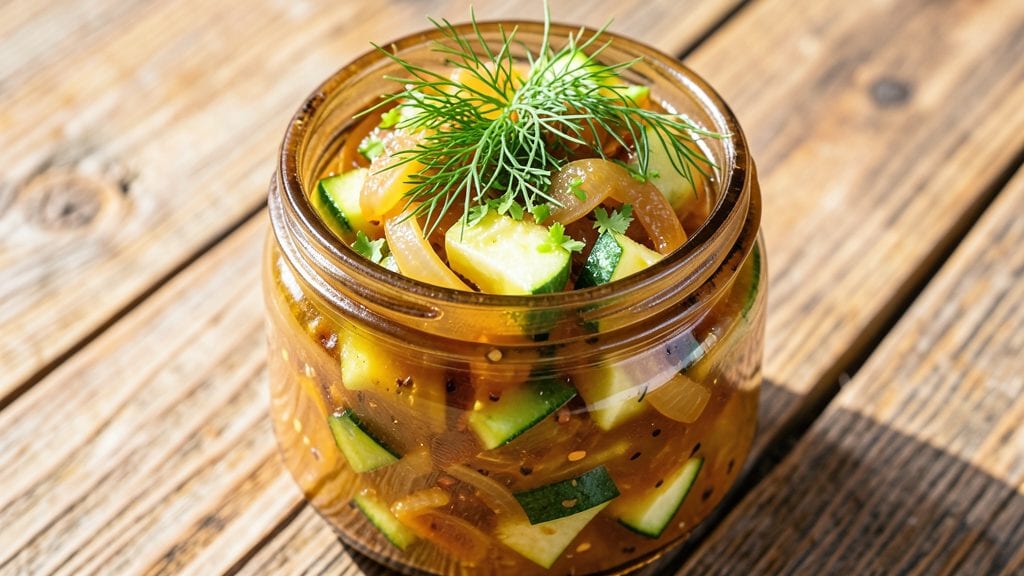
This sugar-free zucchini relish transforms summer's bounty into a bright, crunchy condiment that rivals traditional sweet relishes—without the sugar crash. 🌟 I developed it after realizing how often zucchini went to waste in my garden, and it's become a pantry staple for everything from sandwiches to charcuterie boards.
The secret lies in balancing acidity and sweetness using erythritol (a zero-calorie sugar substitute) and apple cider vinegar, which preserves the zucchini's natural crunch while adding depth. Unlike store-bought versions, this recipe delivers bold flavor with no artificial additives, making it perfect for low-carb diets or diabetic-friendly meal planning.
By the time you're done, you'll have a jar of vibrant green relish with crisp-tender zucchini pieces, tangy vinegar notes, and just enough sweetness to satisfy. It keeps for up to 3 months in the refrigerator, so you can enjoy summer flavors year-round without the sugar guilt.
Pair it with grilled meats, spread on crackers, or use as a topping for deviled eggs—this versatile relish elevates any dish. Let's make it!
Ingredients for sugar free zucchini relish
Eight ingredients, summer flavors, zero sugar guilt—this relish is your new pantry MVP.
| Ingredient | Amount | Notes |
|---|---|---|
| Fresh Zucchini 🥒 | 3 medium | Seedless, sliced into 1/4-inch pieces |
| Yellow Onion 🧅 | 1 medium | Thinly sliced, white and light green parts |
| Apple Cider Vinegar 🍏 | ½ cup | Unfiltered for best flavor |
| Erythritol 🍬 | ¼ cup | Zero-calorie sweetener, fine granules |
| Fresh Dill 🌿 | ¼ cup | Chopped, stems removed |
| Fresh Parsley 🌿 | 0.15 cup | Flat-leaf, chopped |
| Mustard Seeds 🌶️ | 1 tsp | Yellow or brown, whole |
| Celery Seeds 🥬 | 1 tsp | Ground for texture |
| Kosher Salt 🧂 | 1 ½ tsp | Diamond Crystal preferred |
| Black Peppercorns 🌶️ | ½ tsp | Crushed, fresh preferred |
Zucchini is the star, so grab the freshest you can find—farmers markets have the sweetest, most tender ones. Look for zucchini that's firm with bright green skin, no soft spots. If you're using garden fresh, harvest them young (6-8 inches) for the best texture. The onion adds depth, so don't skip it—yellow or white both work, but yellow has more natural sweetness. For the vinegar, Bragg's is my go-to, but any unfiltered apple cider vinegar will do. The erythritol is key here—it mimics sugar's texture and sweetness without the crash, and Lakanto or Wholesome Sweeteners are the best brands.
No fresh dill? Dried dill at one-third the amount works in a pinch, but fresh is worth it. Short on parsley? Substitute with cilantro or basil—just know the flavor will shift slightly. The seeds (mustard and celery) are non-negotiable for that classic relish crunch. If you can't find whole mustard seeds, ground mustard at half the amount is a decent swap. The salt is crucial—Diamond Crystal dissolves better than table salt, but use what you have. For extra tang, add a splash of lemon juice at the end (about 1 tbsp).
This relish tastes even better after 24 hours as flavors meld. Store in a sterilized glass jar with a tight seal—keeps for up to 3 months in the fridge. For longer storage, freeze portions in ice cube trays, then transfer to a bag. The relish thickens as it sits, so add a splash of vinegar if it gets too stiff. Perfect for meal prep—make a big batch and keep it on hand for sandwiches, charcuterie boards, or as a topping for burgers.
Why You'll Love This Recipe
- No-Fuss Prep: I swear by this recipe because it’s three ingredients plus chopping—no peeling, no seeding, just slice-and-go. The zucchini stays crisp when you cut it into thin half-moons, and the onion adds sweetness without fuss.
- Tangy-Sweet Balance: That apple cider vinegar and erythritol combo? Chef’s kiss. The vinegar brightens everything, while the erythritol gives just enough sweetness to make your taste buds dance—no sugar crash, no regrets.
- BBQ’s Best Friend: Slather it on burgers, mix it into deviled eggs, or pile it high on grilled chicken. Honestly, I keep a jar in my fridge for everything—it’s my go-to for adding freshness to any meal without overpowering.
- Lasts All Week: Between us, this relish stays crisp for at least five days in the fridge, and it’s so budget-friendly you’ll forget you’re eating healthy. I double the batch every summer and still have leftovers by Labor Day.
Step-by-step instructions for sugar-free zucchini relish
This bright, crunchy relish comes together in minutes with no added sugar—just vibrant summer flavors.
👨🍳 Step 1: Prep and Sweat the Vegetables
Start by slicing the 3 medium fresh zucchini into ¼-inch thick pieces using a mandoline or sharp knife. Remove any seeds to avoid bitterness. In a large non-reactive bowl, combine the zucchini slices with the 1 medium yellow onion (thinly sliced) and 1.5 teaspoons kosher salt. Toss gently and let sit for 10 minutes—this draws out excess moisture for a crispier relish.
Transfer the zucchini and onion to a medium skillet and cook over medium heat for 5-6 minutes, stirring occasionally. You're not browning—just gently sweating the vegetables until they soften slightly and release their juices. The mixture should look glossy but still vibrant, not wilted. This step builds the foundation for that perfect crunch and tangy flavor balance.
🔥 Step 2: Build the Flavor Base
Remove the skillet from heat and stir in the 1 teaspoon mustard seeds and 1 teaspoon celery seeds. Let them sit for 1 minute to toast slightly—this releases their aromatic oils. Then return the skillet to low heat and carefully pour in the ½ cup apple cider vinegar. Bring just to a simmer, then reduce heat to maintain a gentle bubble.
Simmer for 3-4 minutes until the vinegar reduces slightly and coats the vegetables. Here's the thing—don't rush this step. The acid needs time to penetrate the vegetables and develop that signature tangy brightness. You'll know it's ready when the mixture smells vibrant and the vegetables are tender-crisp when pierced with a fork.
👨🍳 Step 3: Sweeten and Herb the Relish
Remove the skillet from heat and stir in the ¼ cup erythritol, mixing until completely dissolved. Then add the ¼ cup chopped fresh dill and ⅛ cup chopped fresh parsley, folding them gently through the mixture. The herbs should be evenly distributed but still visible—this ensures each bite has that fresh, garden-fresh quality.
Taste and adjust seasoning with an additional pinch of kosher salt if needed. Here's where it gets fun—the relish should be bright, slightly tangy, and just sweet enough to balance the acidity. If it tastes too sharp, add a tiny bit more erythritol. If it needs more depth, a crack of ½ teaspoon black peppercorns (crushed) does wonders.
⏰ Step 4: Cool and Set Properly
Transfer the relish to a clean glass jar or airtight container. Smooth the surface with a spoon and press a small piece of parchment paper directly onto the surface to prevent a skin from forming. Let it cool to room temperature—this allows the flavors to meld and the texture to set properly.
Refrigerate for at least 4 hours (or up to 1 week) before serving. The longer it chills, the more the flavors develop and the crunchier it becomes. I like to give it the full 24 hours for maximum brightness—this is where the magic happens. The relish should have a firm yet slightly yielding texture, with bright green herbs peeking through.
🍽️ Step 5: Serve with Confidence
Scoop the relish directly from the jar and serve chilled. It pairs beautifully with grilled meats, cheese boards, or as a refreshing topping for deviled eggs. The texture should be crisp-tender with a satisfying bite, and the flavor should dance between bright vinegar, herby freshness, and just a touch of sweetness.
If the relish seems too thick after chilling, stir in 1-2 teaspoons of the reserved vinegar to loosen it. For extra crunch, add a handful of thinly sliced radishes when serving. This relish keeps well in the fridge for up to 2 weeks, making it perfect for meal prep. The beauty of this recipe? It's sugar-free but still satisfies that sweet-and-tangy craving.
Pro Tips For Making Sugar Free Zucchini Relish
- Cook Zucchini First: Sauté the zucchini until it’s just tender—about 4-5 minutes—before adding onions. I learned this the hard way: skipping this step leaves you with mushy relish later, no matter how much vinegar you add. Think "al dente" for veggies here.
- Grate Onions Fine: Use the smallest holes on your box grater for the onion—you want it almost paste-like, not chunky. My first batch had visible strings because I rushed this, and it threw off the texture. Take the extra 30 seconds; your relish will thank you.
- Sweat, Don’t Burn: Lower the heat after the zucchini starts releasing water. Too much heat = caramelized onions, which turn bitter fast. You’re aiming for translucent, not golden. I was skeptical until I tried it—now I double-check the flame.
- Add Vinegar Last: Stir in the apple cider vinegar only after everything’s cooked and off the heat. This keeps the dill bright and the zucchini from turning limp. I used to add it early, and the relish always tasted dull. Sounds weird, but it works.
Troubleshooting perfect results
Mushy Zucchini Fix
If your zucchini turns mushy during cooking, you likely overcooked it or didn’t sweat it properly first. I’ve found the key is gentle heat—only cook until the edges soften slightly (5-6 minutes over medium heat).
For extra insurance, add 1 extra teaspoon of salt to the initial mix to draw out moisture before cooking. This keeps those zucchini pieces crisp-tender instead of soggy.
Too Watery Mixture
Excess liquid usually means the zucchini wasn’t drained enough after salting. After the 10-minute salt soak, drain the vegetables thoroughly in a colander for 2-3 minutes, shaking gently to remove excess moisture.
If the relish still looks watery after cooking, simmer uncovered for an extra 1-2 minutes to reduce the liquid. A splash of apple cider vinegar at the end also helps balance any excess moisture.
Flat or Bland Flavor
Bland relish often stems from skipping the seed toasting step or using stale herbs. Always toast the mustard and celery seeds for 1 minute before adding vinegar—this releases their aromatic oils. For herbs, use fresh dill and parsley (never dried) and add them off-heat to preserve their bright flavors.
If your relish tastes flat, a final boost of ½ teaspoon lemon juice or an extra pinch of kosher salt can save it.
Skin Forms on Top
That unsightly skin happens when the relish cools too quickly or isn’t sealed properly. After transferring to jars, press a small piece of parchment paper directly onto the surface before refrigerating. This creates a barrier that prevents oxidation.
For extra insurance, cover the jar with a damp paper towel before sealing to trap moisture. The relish will still develop flavor—it just won’t have that unattractive film.
Relish Too Thick
Thick relish is usually a sign of overcooking or insufficient vinegar. If your mixture is stubbornly stiff after chilling, stir in 1-2 teaspoons of apple cider vinegar to loosen it.
For future batches, reduce the cooking time by 1 minute or add 1 extra tablespoon of vinegar during the simmering step. The goal is a slightly yielding but still crisp texture—like a cross between relish and salsa.
Herbs Sink to Bottom
Herbs settling happens when they’re added too early or stirred too vigorously. Always fold in the fresh dill and parsley off-heat and stir gently just until combined. For extra distribution, sprinkle the herbs in layers—add half before chilling, then the rest after.
If herbs still sink, try chopping them slightly finer or mixing in a ½ teaspoon of xanthan gum (a tiny amount goes a long way for stability).
Nutrition facts
Frequently asked questions
Can I use other sugar substitutes besides erythritol?
You can swap erythritol for stevia (use ½ teaspoon per ¼ cup erythritol) or monk fruit sweetener (1:1 ratio). For a more natural approach, try unsweetened applesauce (2 tablespoons) or mashed banana (1 ripe banana)—just reduce the vinegar by 1 tablespoon to balance flavors. Each substitute will slightly alter the texture and sweetness profile, so taste as you go.
How do I store this relish for maximum freshness?
Transfer the relish to a sterilized glass jar with a tight-sealing lid. It stays fresh in the fridge for 2-3 weeks if properly sealed. For longer storage, freeze portions in ice cube trays, then transfer to a freezer bag. Thaw overnight in the fridge—never at room temperature. The texture may soften slightly after freezing, but the flavor remains vibrant.
What’s the best way to use up extra zucchini?
This relish is perfect for using up zucchini, but you can also try zucchini fritters (grated zucchini + egg + almond flour), spiralized zoodles with pesto, or zucchini bread (replace sugar with erythritol). For quick preservation, pickle zucchini slices in vinegar, garlic, and dill—they’ll keep for months in the fridge. My favorite? Roasted zucchini with olive oil, salt, and pepper at 400°F for 20 minutes—simple and delicious.
Can I make this relish without vinegar?
Vinegar is key for both flavor and preservation, but you can experiment with lemon juice (¼ cup) or lime juice (3 tablespoons) for a brighter twist. Just reduce the erythritol by 1 tablespoon since citrus is naturally sweeter. Without acid, the relish won’t last as long—aim for 5-7 days in the fridge. For a tangy kick, add 1 teaspoon of pickling spice during cooking.
Why does my relish turn out watery?
Watery relish usually means the zucchini wasn’t drained enough after salting. After the 10-minute salt soak, drain thoroughly in a colander for 2-3 minutes, shaking gently. If it’s still too thin, simmer uncovered for an extra 1-2 minutes to reduce liquid. For future batches, pat the zucchini dry with a clean towel before cooking. A splash of apple cider vinegar at the end also helps thicken the texture.