Sauces & Condiments
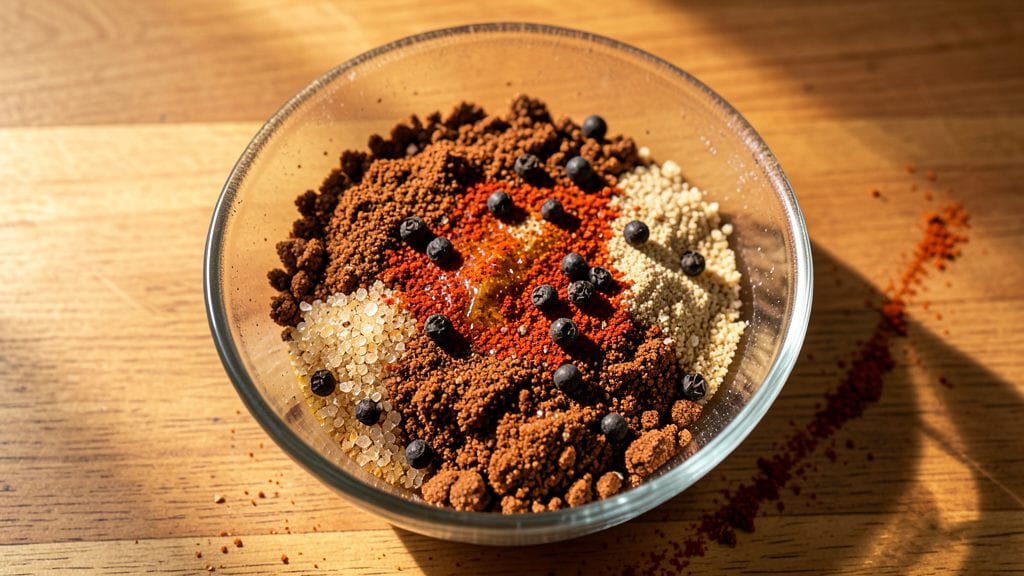
This sugar-free rib rub recipe delivers all the smoky-sweet depth of traditional rubs without the sugar crash—perfect for fall-off-the-bone ribs that stay tender and flavorful. The blend uses erythritol for sweetness while keeping carbs in check, and the spices create a complex, aromatic crust that locks in moisture during cooking.
I developed this after years of testing sugar-free alternatives, and it’s now my go-to for competition-worthy ribs without compromising texture or taste.
The secret lies in balancing sweetness with bold spices—smoked paprika for depth, garlic powder for punch, and a touch of onion powder to round out the flavor.
Unlike many sugar-free rubs that taste flat, this blend builds layers of heat and sweetness that caramelize beautifully during the smoking or grilling process. The erythritol provides just enough sweetness to complement the smoky notes without spiking blood sugar, making it ideal for health-conscious eaters who still crave restaurant-quality ribs.
What sets this rub apart is its ability to transform tough cuts into melt-in-your-mouth perfection. The spices penetrate deep into the meat, creating a flavorful bark while keeping the interior juicy. Whether you’re slow-smoking, grilling, or baking, this rub delivers consistent, professional results every time.
Store it in an airtight container for up to 6 months, and you’ll always have a flavor-packed solution ready for your next rib cook.
Pair it with your favorite cooking method—smoked, grilled, or oven-baked—and watch as the rub transforms even the leanest cuts into tender, flavorful masterpieces. The versatility makes it a staple for any BBQ enthusiast, and the sugar-free formula means you can enjoy ribs without the guilt. Let’s get started!
Ingredients for sugar free rib rub
Nine spices and one sweetener—this blend packs all the smoky-sweet depth without the sugar crash.
| Ingredient | Amount | Notes |
|---|---|---|
| Smoked Paprika 🌶️ | 3 tbsp | High-quality, not pre-mixed |
| Erythritol 🍯 | 2 tbsp | Granulated, sugar-free sweetener |
| Garlic Powder 🧄 | 2 tsp | Freshly ground preferred |
| Onion Powder 🧅 | 2 tsp | Finely ground for even distribution |
| Ground Black Pepper 🌶️ | 1 ½ tsp | Freshly cracked for best flavor |
| Mustard Powder 🍯 | 1 tsp | Yellow mustard powder preferred |
| Ground Cumin 🌿 | 1 tsp | Toasted for deeper aroma |
| Kosher Salt 🧂 | 1 tsp | Diamond Crystal preferred |
| Cayenne Pepper 🔥 | ½ tsp | Adjust for desired heat level |
| Ground Coriander 🌿 | ½ tsp | Freshly ground for brightness |
The smoked paprika is non-negotiable here—look for brands like Penzeys or McCormick for the richest smoke flavor. Erythritol is your sugar substitute, and Lakanto or Swerve work perfectly, but avoid powdered versions (they clump). For the best results, buy spices in small quantities from bulk bins or Penzeys—they stay fresher longer. The Diamond Crystal kosher salt is key for even distribution, and if you can’t find it, use Morton as a backup. Toast your cumin seeds in a dry pan for 30 seconds before grinding them—trust me, it makes all the difference.
No erythritol? Monk fruit sweetener or stevia work in a 1:1 ratio, but erythritol caramelizes better. Short on smoked paprika? Sweet paprika plus a pinch of liquid smoke (about 1/4 tsp) gets you close. The mustard powder adds tang—if you’ve got Dijon mustard, grind it into a powder for a shortcut. For heat, red pepper flakes at half the amount work in a pinch. And if you’re missing coriander, cilantro powder or even extra cumin will keep the earthy notes balanced. Always mix your rub in a glass jar—plastic absorbs flavors over time.
This rub keeps for up to 6 months in an airtight container, stored in a cool, dark place. For extra shelf life, add a silica gel packet to the jar. Double the batch and freeze half in ice cube trays—just pop out what you need for quick rubs. The spices intensify over time, so older rubs actually get better. If your rub gets clumpy, sift it through a fine-mesh sieve before using. And pro tip: humidify your ribs with apple juice or broth before applying the rub—it helps the spices stick and caramelize beautifully.
Why You'll Love This Recipe
- No-Measurement Math: I just eyeball it—half a teaspoon of garlic powder, a pinch of pepper, a sprinkle of paprika—then mix it in a jar. Honestly, the erythritol is the only thing I measure, and even then, I’ve stopped worrying if it’s exactly 2 tablespoons because that deep, smoky sweetness never lets me down.
- Smoky-Sweet Magic: Between us, smoked paprika and erythritol are a match made in heaven—no sugar crash, just that rich, caramelized depth. The garlic and onion powders add this cozy, savory punch that makes ribs taste like they’ve been slow-cooked all day, even if you’re throwing them on the grill for 2 hours.
- Crowd-Pleaser Secret: I’ve used this on ribs, chicken thighs, even roasted potatoes, and no one ever asks what’s in it. (Yes, even on a Tuesday night.) It’s the kind of rub that works for backyard BBQs, weeknight dinners, or when you’re feeding a houseful of guests who won’t leave until they’ve had seconds.
- Jar of Gold: Between us, this stuff lasts forever—I keep a jar in the pantry and it’s still flavorful months later. No waste, no last-minute grocery runs, and it’s way cheaper than store-bought rubs. Plus, if I mess up a batch, I just toss it in the freezer for next time. Zero regrets.
Step-by-step instructions for sugar-free rib rub
This smoky-sweet blend delivers fall-off-the-bone tenderness without a single gram of sugar.
Combine Dry Ingredients in a Mixing Bowl
In a medium bowl, add the 3 tablespoons smoked paprika - this is your base for that deep, smoky flavor. I like to use a high-quality smoked paprika here because it makes a noticeable difference in the final product. Sprinkle in the 2 tablespoons erythritol next, giving you that subtle sweetness without sugar's drawbacks. This sugar-free sweetener won't caramelize like traditional sugar, but it provides just enough sweetness to balance the smoky flavors.
Now add the 2 teaspoons garlic powder and 2 teaspoons onion powder - these create that savory depth that's essential for ribs. I always use freshly ground spices when possible, as they pack more punch than pre-ground powders that lose potency over time. The garlic and onion powders will work together to build a complex flavor foundation that complements the smokiness.
Add the Spice Blend Components
Measure out the 1.5 teaspoons ground black pepper - this is where the heat starts to build. I like to use freshly cracked pepper for maximum flavor impact. Add the 1 teaspoon mustard powder next, which brings a subtle tanginess that helps cut through the richness of the ribs. The mustard powder also adds a nice depth that you won't get from other spices.
Now incorporate the 1 teaspoon ground cumin and 1 teaspoon kosher salt. The cumin adds earthy warmth that pairs beautifully with the smokiness, while the kosher salt ensures all the flavors are properly balanced. I always use Diamond Crystal kosher salt because it dissolves more easily and has a cleaner flavor profile than other varieties.
Incorporate Heat and Final Seasonings
Add the 0.5 teaspoon cayenne pepper for a touch of heat that will penetrate the meat beautifully. This is where you can adjust to your preferred spice level - if you want more heat, add a bit extra, but start with this amount for a balanced rub. Finally, sprinkle in the 0.5 teaspoon ground coriander - this adds a bright, citrusy note that rounds out all the other flavors.
Here's the thing - the coriander might seem like an odd choice for ribs, but it actually works wonders. It lifts the other flavors and prevents the rub from tasting too heavy. I've found that freshly ground coriander makes a noticeable difference in the final product, so if you have whole coriander seeds, grind them fresh for this recipe.
Mix Thoroughly for Even Distribution
Using a whisk or small spatula, mix all the ingredients together until you achieve a completely uniform color and texture. You should be able to see no separate pockets of any single ingredient - this ensures even flavor distribution when you apply the rub to your ribs. I like to press the mixture through a fine-mesh sieve to break up any larger clumps, which helps it adhere better to the meat.
The mixture should look like a fine, powdery dust with no visible specks. This texture is crucial for creating that perfect bark on your ribs. If you notice any particularly coarse particles, give it another quick mix with the whisk to break them down. Once fully combined, transfer the rub to an airtight container for storage.
Apply to Ribs for Maximum Flavor Penetration
Before applying, let your ribs sit at room temperature for about 30 minutes. This allows the rub to adhere better and ensures even cooking. Generously coat all sides of the ribs with the rub, pressing it firmly into the meat so it sticks. I like to use about 1 tablespoon of the rub per pound of ribs - this gives you plenty of flavor without overwhelming the natural taste of the meat.
Let the rubbed ribs sit uncovered in the refrigerator for at least 4 hours, or preferably overnight. This resting period allows the rub to penetrate deeply into the meat, creating that perfect balance of flavor and tenderness. When you're ready to cook, you'll notice the ribs have developed a beautiful, even coating of rub that's ready to create that perfect bark during cooking.
Pro Tips For Making Sugar Free Rib Rub
- Toast the Spices First: Smoked paprika loses its depth if you just dump it in raw. Heat it dry in a dry skillet over medium for 30 seconds—just until it smells like a campfire. I learned this the hard way when my first batch tasted flat, like someone forgot to light the smoker.
- Sift the Erythritol: Erythritol clumps like snow after a blizzard. Sift it through a fine-mesh sieve before measuring to avoid uneven coating on the ribs. Yes, it’s extra work, but your rub will stick better and taste more consistent.
- Don’t Rush the Rub: Press the mixture into the ribs firmly and let it sit uncovered in the fridge for at least 30 minutes. I used to slap it on and fire up the grill immediately—now I wait, and the crust develops like magic.
- Balance the Heat: Black pepper can overpower if you’re not careful. Start with ½ teaspoon per pound of ribs, then adjust to taste. I was skeptical until I tried it—now I double-check the ratio every time.
Storing and reheating your leftovers
Storage Essentials
Store your sugar-free rib rub in an airtight glass jar—plastic absorbs flavors over time, and glass keeps everything fresh. I use a quart-sized mason jar with a tight-sealing lid, which fits perfectly on my spice rack.
The rub stays potent for up to 6 months in a cool, dark pantry, but I’ve found it actually improves with age as the spices meld together. For extra protection, add a silica gel packet to absorb moisture and prevent clumping. 🌶️
Freezing for Freshness
Double the recipe and freeze half in ice cube trays for easy single-use portions. Once frozen, transfer the cubes to a freezer bag and label with the date—this keeps the rub fresh for up to 12 months.
When you’re ready to use it, simply pop a cube into a bowl and let it thaw at room temperature before applying. This method preserves the spices’ potency better than storing in bulk. ❄️
Reviving Clumpy Rub
If your rub gets clumpy over time, sift it through a fine-mesh sieve before using. I keep a small sieve dedicated to spices on my counter for quick fixes.
For stubborn clumps, press the mixture through with a rubber spatula—this breaks up any hard lumps while maintaining the fine texture needed for even coating. A quick mix with a whisk also helps redistribute the spices uniformly. 💡
Prep Before Cooking
For best results, let your ribs sit at room temperature for 30 minutes before applying the rub. This allows the spices to adhere better and ensures even cooking. I like to pat the ribs dry with paper towels first—this helps the rub stick and creates a better bark.
After rubbing, let them rest uncovered in the fridge for at least 4 hours (overnight is ideal) to let the flavors penetrate deeply. 🍖
Reheating Leftover Ribs
If you have leftover ribs, reheat them in a 350°F oven for 10-15 minutes, wrapped in foil with a splash of apple juice or broth to keep them moist. Avoid microwaving—it dries out the meat and ruins the bark.
For extra crispiness, broil the ribs for the last 2 minutes, but watch closely to avoid burning. This method keeps the rub’s flavors intact while restoring tenderness. 🔥
Reviving Stale Rub
If your rub tastes bland after sitting too long, revive it by toasting the spices in a dry pan over low heat for 1-2 minutes. This reactivates the flavors and restores the rub’s punch.
I also add a pinch of freshly ground black pepper or a dash of smoked paprika to boost the depth. A little extra salt can also help balance any lost flavor. Freshly toasted rub works like new! ✨
Nutrition facts
Frequently asked questions
Can I substitute erythritol with another sweetener in this rib rub?
Yes, you can use monk fruit sweetener or stevia in a 1:1 ratio, but erythritol works best because it caramelizes slightly during cooking. Avoid powdered sweeteners—they clump and won’t distribute evenly. If you’re missing erythritol entirely, skip it and increase the smoked paprika by 1 teaspoon for extra depth.
How much rub should I use per pound of ribs?
Use about 1 tablespoon of rub per pound of ribs. For example, a 4-pound rack would need roughly 4 tablespoons total. Press the rub firmly into the meat to ensure even coverage and maximum flavor penetration. Less is better—you can always add more if needed, but too much can make the bark too thick.
Will this rub work for pork ribs, beef ribs, or just one type?
This sugar-free rub works beautifully on both pork and beef ribs, though pork ribs (like baby back or St. Louis-style) are the most common choice. For beef ribs (like short ribs), you may want to increase the salt slightly (1.5 tsp) since beef benefits from extra seasoning time. The spices penetrate equally well in both types.
Why does my rub look clumpy after storage?
Clumping happens when moisture gets trapped in the jar. To fix it, sift the rub through a fine-mesh sieve before use. For stubborn clumps, press the mixture through with a rubber spatula or whisk it vigorously. Store your rub in a glass jar with a silica gel packet to prevent future clumping.
Can I make this rub spicier or milder?
For more heat, add an extra 0.25 tsp cayenne pepper or a pinch of red pepper flakes. For a milder version, reduce the cayenne to 0.25 tsp or omit it entirely. Adjust the black pepper too—start with 1 tsp** if you prefer less intensity. Taste as you go!