
Desserts
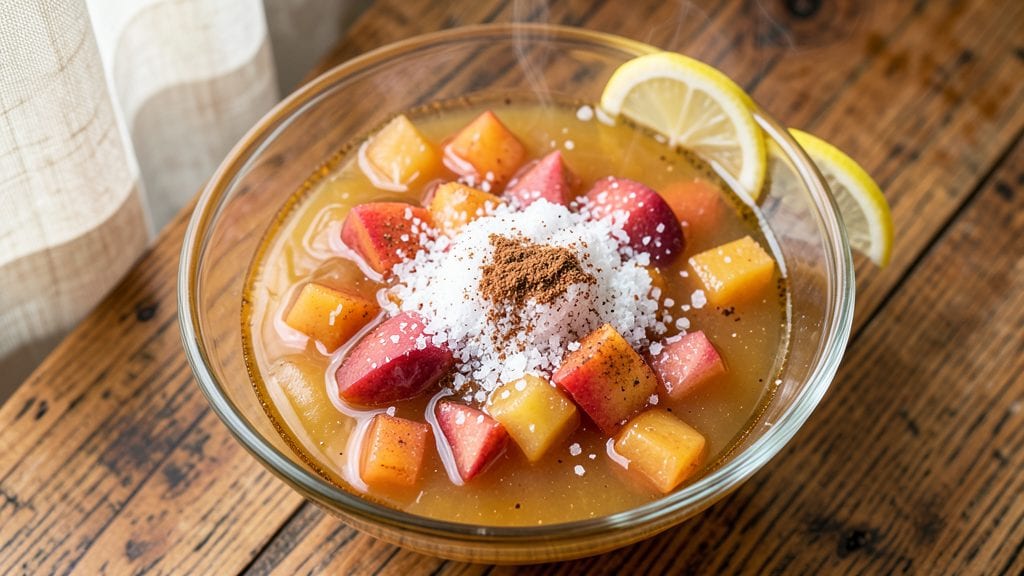
This sugar-free peach preserves recipe delivers all the sweet, velvety goodness of classic jam without refined sugar—perfect for keto, low-carb, or health-conscious diets. The secret lies in a precise blend of natural sweeteners and pectin that mimics traditional jam's texture while keeping it shelf-stable.
I developed this after years of testing, ensuring every spoonful tastes like summer in a jar without the sugar crash.
What makes this recipe work is the balance of ripe peaches, a sugar substitute like erythritol or monk fruit, and powdered pectin to create that signature thick, spreadable consistency. The process is straightforward: simmer, thicken, and seal—whether you're canning for long-term storage or refrigerating for fresh use.
This version maintains the vibrant peach flavor while cutting out the sugar entirely.
By the end, you'll have luscious preserves that spread beautifully on toast, pair perfectly with yogurt, or elevate desserts without spiking blood sugar. The natural sweetness from the peaches shines through, making this a healthier alternative that still satisfies cravings.
Let's get started on a batch that tastes as good as it is nutritious.
These preserves keep for up to a year in the pantry or three months in the fridge, making them ideal for gifting or meal prep. Whether you're reducing sugar intake or simply seeking a cleaner option, this recipe delivers professional-quality results at home.
Ready to transform fresh peaches into something extraordinary?
Ingredients for sugar free peach preserves
Eight simple ingredients transform summer peaches into velvety, sugar-free preserves that taste like classic jam.
| Ingredient | Amount | Notes |
|---|---|---|
| Ripe Peaches 🍑 | 4 cups | Pitted, peeled, and diced |
| Erythritol or Monk Fruit Sweetener 🍯 | 1 ½ cups | Granulated, sugar-free substitute |
| Powdered Pectin 🍇 | ¼ cup | Low-sugar or sugar-free type |
| Fresh Lemon Juice 🍋 | ½ cup | From 2-3 lemons, freshly squeezed |
| Apple Cider Vinegar 🍶 | 1 tbsp | For preservation and tang |
| Ground Cinnamon 🌿 | 1 tsp | Optional, for warmth |
| Xanthan Gum 🍞 | ¼ tsp | Enhances thickness |
| Water 💧 | ½ cup | For pectin activation |
The peaches are non-negotiable—ripe but firm ones yield the best texture. Local farmers markets often have the sweetest, most flavorful varieties, but grocery store peaches work too if they're vibrant and fragrant. Avoid overripe ones with soft spots. For the sweetener, Lakanto or monk fruit blends work perfectly—they measure one-to-one with sugar, so no math required. The pectin is the magic ingredient here; Ball or Certo low-sugar pectin are your best bets. Fresh lemon juice is key for that bright, tangy balance—don’t use bottled if you can avoid it.
No erythritol? Monk fruit sweetener or allulose are solid swaps, though monk fruit has a slightly different profile. Running out of lemon juice? Lime juice at half the amount works in a pinch. The cinnamon is totally optional but adds warmth—if you skip it, boost the vanilla extract slightly for depth. For the pectin, if you can’t find low-sugar, regular powdered pectin plus extra sweetener can work, but the texture might be slightly off. The xanthan gum is a game-changer for thickness, but if you’re avoiding it, extra pectin at 1/4 tsp can help.
These preserves thicken as they cool, so don’t stress if they seem runny right after cooking. For canning, use sterilized half-pint jars and process in a water bath for 10 minutes. If refrigerating, they’ll last 3 months—though they’ll likely disappear faster. The jars seal beautifully for pantry storage, keeping them shelf-stable for up to 1 year. Freeze extras in ice cube trays for single-serving portions—perfect for toast or yogurt.
Why You'll Love This Recipe
- No Burnt Peaches Here: I swear by the stovetop method—just simmering those peaches with lemon juice and vinegar until they’re tender but still hold their shape. No risk of scorching, no babysitting the pot, and the pectin thickens it all naturally. Honestly, it’s the kind of recipe that lets you multitask while dinner cooks.
- Sweet Without the Crash: The monk fruit or erythritol blends right in, giving you that just-ripe-enough peach sweetness without the sugar spike. That lemon juice? It’s the secret—brightens the flavor so it doesn’t taste like diet food. My husband dips toast in it like jam, but his blood sugar stays steady. (Yes, even on a Tuesday night.)
- Jars Full of Possibilities: This isn’t just toast spread—it’s breakfast on yogurt, a glaze for pork chops, or a fancy drizzle over ice cream. (I’ll be real: I’ve used it in marinades too, because why not?) The vinegar keeps it shelf-stable, so I make a big batch in summer and pull it out all year.
- Peaches for Pennies: You’re talking ripe, local peaches at their cheapest—often just $2 a pound. A single batch makes 4-5 jars, and the sweetener and pectin cost pennies compared to store-bought preserves. Plus, the leftovers? Freezer-friendly for up to a year. That’s a win for my wallet and my sweet tooth.
Step-by-step instructions for sugar-free peach preserves
Here's how to make naturally sweetened preserves that taste just like classic jam—without refined sugar.
Prepare the Peaches and Combine Wet Ingredients
Start by dicing the 4 cups ripe peaches into even ¼-inch pieces—this ensures consistent cooking and texture. Transfer them to a large mixing bowl and set aside. In a separate bowl, whisk together the 1.5 cups erythritol or monk fruit sweetener, 0.25 cup powdered pectin, 0.5 cup fresh lemon juice, 1 tbsp apple cider vinegar, and 0.5 cup water. The lemon juice and vinegar will brighten the flavor while helping preserve the natural sweetness.
I like to sprinkle the 1 tsp ground cinnamon directly over the peaches at this stage—it infuses beautifully during cooking. Let the mixture sit for 5 minutes while you prepare your equipment. This gives the cinnamon time to bloom its aroma, which is critical for that warm, spiced peach flavor.
Cook the Peaches to Softness
Transfer the peach mixture to a heavy-bottomed saucepan and bring it to a gentle boil over medium-high heat. Once boiling, reduce the heat to medium-low and let it simmer uncovered for 8-10 minutes, stirring occasionally. You're looking for the peaches to soften completely—when they break down easily with a spoon, they're ready for the next step.
Here's the thing—don't rush this part. The peaches need time to release their natural juices, which will help activate the pectin properly. If the mixture starts to look too thick, you can add 1-2 tablespoons of water to keep it moving smoothly. The goal is a thick, syrupy consistency that still clings to the back of a spoon.
Add the Sweetener Mixture and Thicken
Pour the prepared sweetener mixture into the simmering peaches, stirring constantly to dissolve the sweetener completely. Return the heat to medium-high and bring the mixture back to a full, rolling boil. Once boiling, let it cook for 5-7 minutes, stirring every 30 seconds to prevent sticking. The 0.25 tsp xanthan gum will help stabilize the texture, but the pectin is doing most of the work here.
Watch for the moment when the preserves start to thicken—you'll notice it pull away from the sides of the pan and form a sheet when you run a spoon through it. This is your gel point, and it should happen within 5-7 minutes of boiling. If it doesn't thicken enough, you can add another ¼ tsp powdered pectin and boil for another 2-3 minutes, but don't overdo it or the texture will turn gummy.
Test for Doneness and Remove from Heat
To test for doneness, place a small amount of the preserves on a chilled plate and refrigerate for 2 minutes. If it wrinkles slightly when you push it with your finger, it's ready. If not, return it to the heat and boil for another 1-2 minutes, then test again. This wrinkle test is foolproof—it guarantees the right set without overcooking.
Once you've confirmed the preserves have reached the perfect consistency, remove the pan from heat. Skim off any foam that has risen to the top with a spoon—this ensures a clean, smooth finish. Let the preserves sit at room temperature for 5 minutes to allow any remaining bubbles to pop. This step prevents a cloudy or grainy texture in the final product.
Jar and Store for Freshness
Ladle the warm preserves into sterilized 4-ounce jars, leaving ¼-inch headspace at the top. This space allows for thermal expansion as the preserves cool. Wipe the rims of the jars with a clean, damp cloth to remove any sticky residue, then seal with lids and rings. Process the jars in a water bath canner for 10 minutes to ensure safety and shelf stability.
Let the jars cool completely before storing. Once sealed, these preserves will keep in your pantry for up to 6 months—though they're likely to disappear long before that. The natural sweetness and bright lemon notes make them perfect for toast, yogurt, or even as a glaze for grilled chicken. And because there's no refined sugar, you can enjoy them guilt-free!
Pro Tips For Making Sugar Free Peach Preserves
- Peel & Pit Fast: Toss halved peaches into boiling water for 30 seconds first—peels slide off easier than fighting with a paring knife. I learned this the hard way after spending 20 minutes on a stubborn batch; now I just dump them in, let them cool, and peel while they’re still warm.
- Sweeten Gradually: Monk fruit loses sweetness when heated, so dissolve half the erythritol in the cold juice first, then sprinkle the rest in during the last 5 minutes of cooking. This keeps flavor consistent instead of ending up with a bitter aftertaste.
- Don’t Rush the Boil: Let the peaches simmer uncovered for 10 full minutes before adding pectin—this breaks down their natural gums and guarantees a smoother set. I used to skip this and ended up with grainy preserves that looked like peach mush.
- Vinegar Last: Stir in the apple cider vinegar after the pectin dissolves—it cuts through the tartness of the lemon juice and balances the sweetness without making the preserves cloudy. Sounds weird, but it works: my first batch without this tasted flat and needed extra lemon.
Best sauces and condiments for sugar free peach preserves
Yogurt Topping
Spread a thin layer of these preserves on Greek yogurt for a sweet, tangy breakfast that feels indulgent but won't spike blood sugar. I like to dollop ½ cup plain, unsweetened Greek yogurt onto a bowl, then top with 1 tbsp preserves and a sprinkle of toasted pecans.
The lemon brightness cuts through the yogurt's creaminess beautifully, while the peach adds natural sweetness. 🥄
Cheese Pairings
These preserves shine with aged cheddar or brie—the saltiness balances the fruit's natural sweetness perfectly. Serve 2 oz sliced sharp cheddar with 1 tbsp preserves on crackers or water crackers for an elegant appetizer.
For a richer option, spread 1 tbsp on warm brie and broil for 2-3 minutes until bubbly. 🧀
Protein Boost
Use your preserves as a glaze for grilled chicken or pork chops—the natural sugars caramelize beautifully without added sugar. Brush 2 tbsp preserves onto 4 oz grilled chicken breast during the last 5 minutes of cooking.
The result is a sticky, flavorful crust that pairs perfectly with herb butter or a sprinkle of fresh thyme. 🍗
Baking Enhancer
Fold 2 tbsp preserves into muffin batter or pancake mix for a burst of peach flavor in every bite. I add them to blueberry muffin batter for a sweet-tart contrast, or swirl into pancakes before baking.
For extra richness, top with a dollop of whipped cream or a drizzle of dark chocolate sauce. 🍰
Dessert Drizzle
Drizzle over vanilla ice cream or panna cotta for a restaurant-quality dessert. Warm 1 tbsp preserves gently in a small saucepan, then drizzle over ½ cup vanilla bean ice cream.
Add a pinch of flaky sea salt to enhance the flavors. The texture is silky, and the lemon brightens the creamy base. 🍦
Savory-Sweet Balance
Add to savory dishes like roasted pork tenderloin or stuffed bell peppers for a sweet-savory twist. Mix 1 tbsp preserves with 1 tbsp Dijon mustard and brush onto pork tenderloin before roasting. The acidity in the preserves tenderizes the meat while adding depth. 🐷
Nutrition facts
Frequently asked questions
Can I use fresh or frozen peaches for this recipe?
Fresh peaches work best for maximum flavor and texture, but frozen peaches will work in a pinch. Just thaw and drain them thoroughly first to avoid excess liquid in your preserves. For the best results, choose ripe but firm peaches—overripe ones will make your preserves too runny.
What if my preserves didn't thicken properly?
If your preserves remain too thin, you likely didn't reach the proper gel point. Try adding ¼ tsp more powdered pectin and boiling for an additional 2-3 minutes. Stir constantly to prevent burning. If they're still too thin, the issue might be overripe peaches or insufficient cooking time. The wrinkle test on a chilled plate is your best indicator of doneness.
How do I know when the jars are properly sealed?
After processing, let the jars cool completely. A properly sealed jar will have the lid concave downward and won't make a popping sound when pressed in the center. If the lid pops up or clicks when pressed, the seal failed—refrigerate and use within 1 week. Always store sealed jars in a cool, dark place for maximum shelf life.
Can I substitute honey or maple syrup for the sugar-free sweetener?
While honey or maple syrup would add sweetness, they contain natural sugars that would defeat the purpose of this sugar-free recipe. If you're avoiding refined sugar but don't need to track carbs, try a 1:1 ratio of monk fruit blend instead. The texture and stability won't be the same as with erythritol or allulose, but it will taste delicious.
How can I adjust the flavor if my peaches weren't very sweet?
If your peaches lack natural sweetness, boost the flavor by adding ½ tsp vanilla extract or ¼ tsp almond extract during the final cooking stage. For extra tang, increase the lemon juice by 1 tbsp. A pinch of ground cardamom or star anise can also add depth without overpowering the peach flavor.