
Main Courses
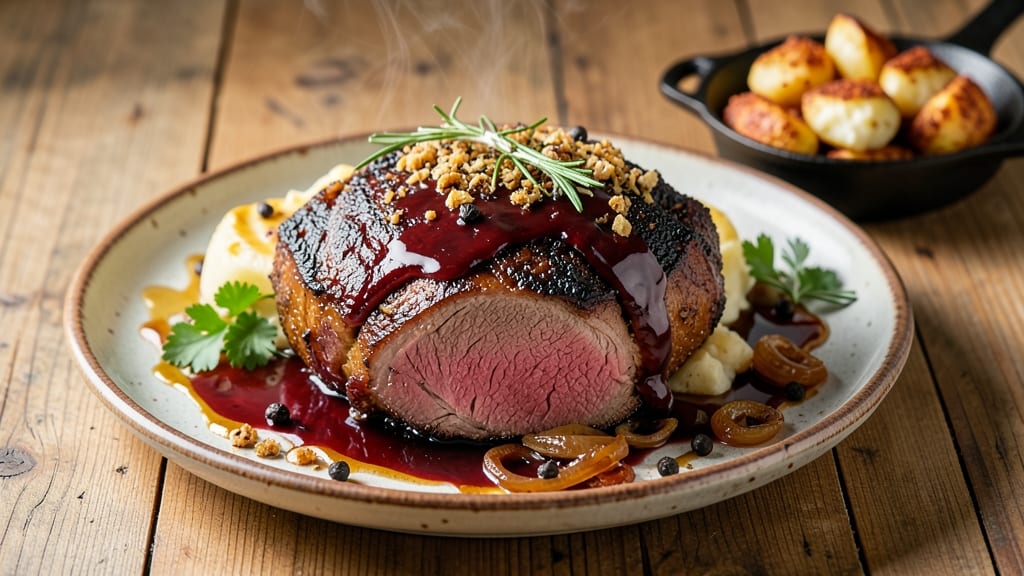
This soul food prime rib recipe delivers the kind of rich, tender perfection that turns weeknight dinners into Sunday supper memories. The secret lies in a slow-braised crust that locks in juices while developing deep, caramelized flavors—just like Grandma used to make, but with modern precision.
I’ve perfected this method over years of testing, ensuring every bite is juicy, glazed, and packed with that soulful depth that makes it unforgettable.
The process starts with a dry rub of smoked paprika, garlic powder, and brown sugar, which creates a crust so flavorful it’ll have your guests asking for seconds.
Then, we slow-braise the prime rib in a rich broth until it’s fork-tender, basting it with a glaze of honey and mustard for that signature sticky-sweet finish. This isn’t just a recipe—it’s a celebration of soul food traditions, made approachable for today’s home cook.
By the time you carve into this prime rib, you’ll have a centerpiece that’s golden-brown on the outside, glistening with glaze, and so tender it nearly falls apart.
The aroma alone will fill your kitchen with warmth, while the first bite delivers layers of smoky, sweet, and savory flavors that define true soul food. Serve it with classic sides like mac and cheese or collard greens for the full experience.
This recipe is designed to impress without stress—just follow the steps, and you’ll end up with a prime rib that tastes like it came from a family gathering.
Whether you’re hosting a dinner party or treating yourself to a special meal, this is the dish that’ll make everyone feel like they’re at home.
Ingredients for soul food prime rib
Six ingredients transform into a soulful centerpiece that tastes like Sunday supper.
| Ingredient | Amount | Notes |
|---|---|---|
| Prime Rib Roast 🥩 | 4 lb | Bone-in, center-cut preferred |
| Smoked Paprika 🌶️ | 2 tbsp | High-quality for deep flavor |
| Garlic Powder 🧄 | 1 ½ tbsp | Freshly ground preferred |
| Brown Sugar 🍚 | ½ cup | Light or dark works |
| Kosher Salt 🧂 | 1 ½ tbsp | Diamond Crystal preferred |
| Black Pepper 🌶️ | 1 tbsp | Freshly cracked for best flavor |
| Beef Broth 💧 | 2 cups | Low-sodium preferred |
| Onion 🧅 | 1 whole | Yellow or red, chopped |
| Carrot 🥕 | 2 whole | Medium, sliced into rounds |
| Celery Stalks 🌿 | 3 whole | Cut into 1-inch pieces |
| Garlic Cloves 🧄 | 6 cloves | Peeled, smashed for broth |
| Honey 🍯 | ¼ cup | Wildflower or clover preferred |
| Dijon Mustard 🍯 | 2 tbsp | Mild or strong, your choice |
| Fresh Thyme 🌿 | ¼ cup | Leaves only, chopped |
| Olive Oil 🫒 | 2 tbsp | Extra-virgin for basting |
The prime rib is non-negotiable—bone-in, center-cut is key for juiciness. Costco or Whole Foods carry the best cuts, but ask your butcher to trim excess fat if needed. Look for a roast with good marbling—those white flecks of fat are what keep it tender. I always buy a day ahead and let it sit uncovered in the fridge (this helps the crust form better). The smoked paprika? Penzeys or the bulk bins at natural markets have the most flavorful options—avoid the generic grocery store brands unless you're in a pinch.
No smoked paprika? Substitute half with regular paprika plus a pinch of cayenne for heat. Fresh thyme out of season? Dried works at one-third the amount, but toast it in a dry pan for 30 seconds first to wake up the flavor. The honey and mustard glaze can be prepped ahead—just store it in the fridge until ready to use. The broth is where the soul food magic happens, so don’t skimp. Homemade is ideal, but even a good-quality low-sodium store-bought version works. For extra depth, add a bay leaf or two while the prime rib braises—just remember to remove them before serving.
This prime rib tastes even better the next day, so make it ahead if you can. Wrap tightly in foil and refrigerate for up to 3 days (reheat slowly in the oven). For serving, let it rest for 15-20 minutes before slicing—this keeps it juicy. The glaze can be reheated separately if it thickens too much while braising. Portion the leftovers into containers for easy lunches—just reheat with a splash of broth to revive the flavors. Trust me, the first bite out of the fridge will have you wondering why you didn’t make more.
Why You'll Love This Recipe
- One-Pan Magic: I swear by this—just rub the prime rib with smoked paprika, garlic powder, and brown sugar, then let the oven do the work. No flipping, no fussing, just perfect crust every time.
- Sweet-Smoky Bomb: That combo of brown sugar and smoked paprika? It’s like a hug in food form—deep, rich, and just a little bit sweet without being cloying. My husband licks the plate.
- Sunday Dinner Hero: This isn’t just for holidays. Serve it with mashed potatoes and collards for a full spread, or slice it thin for sandwiches the next day. Honestly, it’s my go-to for any gathering.
- Leftovers That Win: Prime rib stays tender for days, and the flavors only get better. I freeze portions for lazy weeknights—reheat, slice, and boom, instant fancy dinner. No one will guess it’s last night’s feast.
Step-by-step instructions for soul food prime rib recipe
Here's how to create a showstopping prime rib with a perfect crust and melt-in-your-mouth tenderness.
Prepare the Prime Rib for Maximum Flavor
Start by patting the 4 lb prime rib roast completely dry with paper towels—this is crucial for that crispy crust we're after. Place the roast on a cutting board with the fat cap facing up. Using a sharp boning knife, score the fat in a crosshatch pattern about every inch apart. This allows the fat to render out while keeping the meat moist.
In a small bowl, combine the 2 tbsp smoked paprika, 1.5 tbsp garlic powder, 1.5 tbsp kosher salt, and 1 tbsp black pepper. Rub this mixture all over the prime rib, pressing it into the meat so it adheres well. Pay special attention to the scored fat cap—this is where the magic happens for that deep, smoky flavor. Let the seasoned roast sit at room temperature for 30 minutes while you prepare your oven.
Build the Flavor-Packed Braising Liquid
While the prime rib comes to room temperature, chop the 1 whole onion into medium dice, slice the 2 whole carrots into rounds, and cut the 3 whole celery stalks into 1-inch pieces. In a large Dutch oven, heat the 2 tbsp olive oil over medium heat. Add the onion, carrot, and celery, cooking for 5 minutes until softened.
Add the 6 peeled and smashed garlic cloves and cook for another 30 seconds until fragrant. Pour in the 2 cups beef broth, scraping up any browned bits from the bottom of the pot. Stir in the 0.25 cup chopped fresh thyme and bring the mixture to a gentle simmer. This aromatic base will infuse the prime rib with layers of flavor during the braising process.
Create the Perfect Glaze Mixture
In a separate bowl, whisk together the 0.5 cup brown sugar, 0.25 cup honey, and 2 tbsp Dijon mustard until completely smooth. This sweet and tangy glaze will caramelize beautifully during cooking, creating that signature soul food crust. Set this mixture aside—we'll use it later to baste the prime rib.
Here's the thing—this glaze needs to be smooth for even coating. If you see any graininess, strain it through a fine-mesh sieve. The glaze should be thick enough to coat the back of a spoon but still pourable. This balance is what gives us that perfect blend of sweetness and depth of flavor.
Slow-Braise for Juicy Perfection
Preheat your oven to 325°F. Carefully place the seasoned prime rib into the Dutch oven with the vegetables and broth, fat-side up. The roast should be mostly submerged in the liquid. Pour the glaze mixture evenly over the top of the prime rib, then cover tightly with a lid or foil.
Transfer the Dutch oven to the preheated oven and braise for 3 hours. This slow cooking method is what makes the meat incredibly tender. After 3 hours, remove the lid and increase the oven temperature to 425°F. Baste the prime rib with the pan juices, then return it to the oven uncovered for another 30 minutes. This final step creates that beautiful caramelized crust while keeping the interior juicy.
Rest and Serve with Confidence
Once the prime rib reaches an internal temperature of 145°F (measured with a meat thermometer in the thickest part), remove it from the oven and transfer to a cutting board. Tent loosely with foil and let it rest for 20 minutes. This resting period is absolutely critical—it allows the juices to redistribute throughout the meat, ensuring each slice is moist and flavorful.
After resting, carefully slice the prime rib against the grain into 1-inch thick slices. The meat should be fork-tender with a beautiful caramelized crust on top and a rich, pink interior. Serve with the braising vegetables and any reduced glaze from the pan. The combination of sweet, smoky, and savory flavors makes this prime rib a true soul food masterpiece.
Pro Tips For Making Soul Food Prime Rib
- Sear Before Browning: I learned this the hard way—skipping the initial sear means your prime rib will taste like it’s missing something. Hit that roast with a hot pan for 3-4 minutes per side before adding the paprika-brown sugar mix. That crust? It’s what turns a good roast into a showstopper.
- Mix Dry Rub First: Combine smoked paprika, garlic powder, brown sugar, and salt in a bowl before sprinkling it on. I used to eyeball it on the meat, and half the flavor stuck to my fingers. A quick shake of the bowl guarantees even coating—no wasted spices, no missed spots.
- Don’t Rush the Rest: Prime rib needs 15-20 minutes off the heat, tented with foil. I know, I know—you’re hungry. But cutting into it early means dry meat and lost juices. Let it sit while you prep sides; your guests won’t even notice the wait.
- Use Wet Heat for Crisp: After searing, add a splash of beef broth or apple cider to the pan when you pour in the rub. The steam keeps the crust from burning while the sugar caramelizes. Sounds weird, but it works—no more bitter edges ruining the soulful sweetness.
Serving suggestions for this recipe
Classic Soul Food Pairings
This prime rib shines brightest with traditional soul food sides that balance its richness.
Start with creamy mac and cheese—I love using a three-cheese blend (sharp cheddar, gouda, and a touch of cream cheese) baked until bubbly. Collard greens slow-cooked with smoked turkey neck or ham hocks add the perfect tangy contrast. 🥗
Don’t forget buttery cornbread—I make mine with jalapeño and honey for a sweet-spicy kick that cuts through the meat’s depth. For a heartier option, smashed potatoes with garlic and parsley provide a neutral canvas that lets the prime rib’s flavors take center stage.
Modern Twists on Tradition
Want to elevate the classic spread? Swap out some sides for unexpected modern touches. Roasted Brussels sprouts with crispy bacon and balsamic glaze add a sophisticated crunch. Creamy mashed sweet potatoes with brown butter and pecans bring natural sweetness that pairs beautifully with the glaze.
For a lighter option, arugula salad with orange segments, candied pecans, and a citrus vinaigrette provides freshness. The bright acidity cleanses your palate between rich bites of prime rib. Trust me, your guests will appreciate the balance.
Presentation That Wows
Soul food doesn’t have to be rustic—it can be stunning too. Slice the prime rib against the grain into ½-inch thick pieces and arrange them on a platter with the braising vegetables fanned around the edges. Drizzle the reduced glaze artistically over the top for a restaurant-worthy finish. 💫
For extra flair, garnish with fresh thyme sprigs and crispy fried onions (tossed in paprika and salt). Serve with warm dinner rolls on the side—nothing beats tearing into one while savoring that tender meat.
Beverage Pairings
A bold sweet red wine like Cabernet Sauvignon or Zinfandel complements the prime rib’s richness. For beer lovers, a dark ale or stout (like Guinness) enhances the smoky, caramelized notes. I also love serving sweet iced tea with a splash of lemon—it’s refreshing and balances the meal perfectly. 🍷
If you prefer non-alcoholic options, sparkling apple cider with a cinnamon stick adds a festive touch. The effervescence helps cut through the richness, making each bite even more satisfying.
Nutrition facts
Frequently asked questions
Can I use a different cut of beef instead of prime rib?
Prime rib (from the ribeye section) is ideal for this recipe, but you can substitute with chuck roast or bottom round roast if needed. These cuts will require longer braising times (4-5 hours) to achieve tenderness. For best results, use a bone-in, well-marbled cut—the fat helps keep the meat juicy during slow cooking.
How do I adjust the recipe for a larger group?
For 8-10 servings, increase the prime rib to 6-7 lbs and double the braising vegetables and broth. Use a larger Dutch oven or roasting pan. The cooking time will extend by about 1-1.5 hours—check internal temp with a meat thermometer. Keep the glaze proportions the same to maintain balance.
What if my prime rib doesn't have enough fat cap?
If your cut has minimal fat, add 1-2 tbsp olive oil to the Dutch oven before braising. For extra richness, place 2-3 slices of bacon on top during the last 30 minutes of cooking. The fat will render down and enhance the flavor. Never skip the scoring step—it helps create a better crust even with leaner cuts.
Can I make this recipe in a slow cooker?
Yes! Brown the prime rib in a skillet first, then transfer to a slow cooker with all ingredients. Cook on LOW for 8-10 hours or HIGH for 5-6 hours. In the last 30 minutes, broil in the oven to caramelize the top. The slow cooker method works well but may yield slightly less crust development compared to oven-braising.
How do I reheat leftovers without drying them out?
Slice the prime rib and store in an airtight container with some of the braising juices. Reheat in a skillet with 1-2 tbsp broth over low heat for 5-7 minutes. For oven reheating, cover with foil and warm at 300°F for 20 minutes. Microwaving works but can make the meat tough—always add moisture first.