
Main Courses
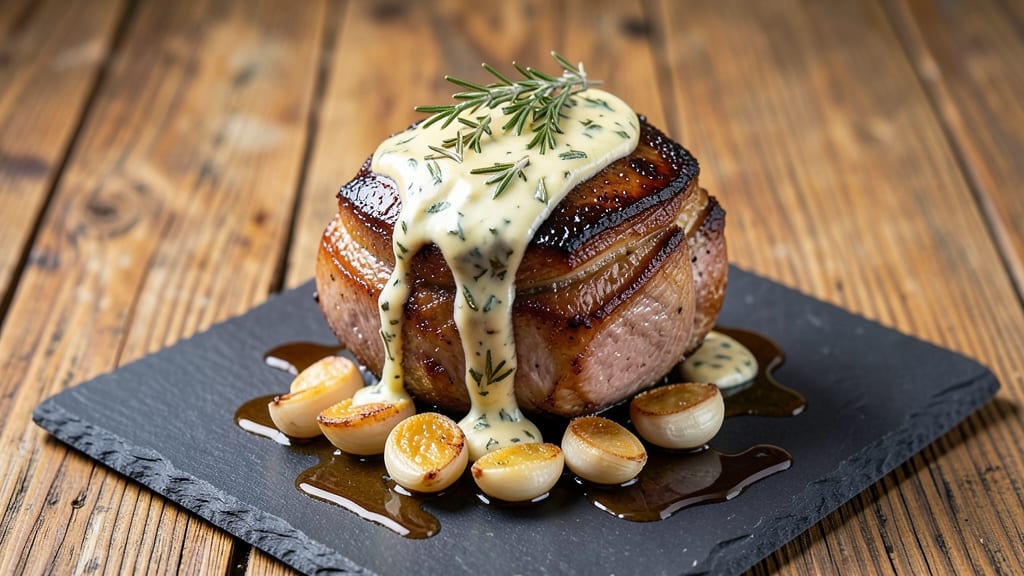
A small standing rib roast cooked to perfection delivers a juicy core and crispy edges without drying out—something I perfected after years of watching roasts turn out either tough or overcooked.
The key lies in the herb crust and precise roasting technique, which transforms a simple cut into a restaurant-worthy centerpiece. I developed this method after realizing most recipes either overcomplicate prep or underestimate the importance of resting time.
The secret to success begins with a simple brine and herb crust that locks in moisture while adding flavor. Roasting at a high initial temperature sears the outside, creating a flavorful crust, while the internal temperature is monitored closely to ensure a perfect medium-rare finish.
This method works best with a 2- to 3-pound roast, making it ideal for smaller gatherings or when you want to impress without leftovers.
What you’ll end up with is a juicy-core masterpiece—tender, flavorful meat with a golden-brown crust that holds together beautifully. The herb crust adds aromatic depth, while the precise roasting technique ensures every slice is perfectly cooked.
This is the kind of roast that makes dinner feel special without requiring hours in the kitchen.
Serve with roasted vegetables or a simple salad to let the roast shine as the star of the meal. Here’s how to achieve that perfect balance of flavor, texture, and doneness every time.
Ingredients for small standing rib roast
Herb-infused, brined beef meets bold flavors—just six ingredients transform a simple roast into a showstopper.
| Ingredient | Amount | Notes |
|---|---|---|
| Small Standing Rib Roast 🥩 | 2 ½ lb | Bone-in, 2-3 lbs for perfect serving |
| Kosher Salt 🧂 | 1 tbsp | Diamond Crystal preferred for even dissolving |
| Fresh Rosemary 🌿 | ¼ cup | Finely chopped, stems removed |
| Fresh Thyme 🌿 | ¼ cup | Leaves only, stems discarded |
| Fresh Garlic 🧄 | 6 cloves | Peeled, smashed for maximum flavor |
| Extra-Virgin Olive Oil 🫒 | ¼ cup | High-quality, fruity variety |
| Black Peppercorns 🌶️ | 1 tbsp | Freshly cracked, coarse grind |
| Fresh Sage 🌿 | ⅛ cup | Leaves only, torn not chopped |
| Unsalted Butter 🧈 | ½ cup | Cold, cubed for crust |
| Red Wine 🍷 | ½ cup | Dry, bold variety like Cabernet |
| Beef Tallow or Lard 🧈 | 2 tbsp | For extra crispy crust (optional) |
| Fresh Parsley 🌿 | 0.1 cup | Chopped, for garnish |
The roast is everything here—standing rib delivers that signature flavor and tenderness. Grab a 2.5-pound bone-in cut for perfect portions; anything smaller risks drying out. Local butchers often have the best quality, but Costco or Whole Foods carry excellent pre-cut options. Look for vibrant red color and good marbling—this is your moisture lock. Fresh herbs make the difference: Trader Joe's bulk section has the best prices for rosemary and thyme, but any farmers market will have fresher options. The garlic? Elephant garlic if you can find it—it's milder but packs more flavor.
No fresh rosemary? Dried at one-third the amount works, but honestly, it's not the same. Running low on red wine? Beef stock with a splash of balsamic keeps the depth. The butter must be unsalted and cold—this creates that perfect crust. Swap the tallow for extra olive oil if you're avoiding it, but you'll miss that crispy texture. The parsley is purely decorative, so skip it if you're out—just garnish with fresh thyme sprigs. For the herb crust, toast the herbs in a dry pan for 30 seconds before mixing with butter—this deepens the flavor instantly.
This roast is a make-ahead masterpiece. Brine the meat overnight for maximum tenderness, then pat it dry before roasting. The herb crust can be prepped 2 hours ahead and stored in the fridge. Once cooked, let it rest 15-20 minutes—this is non-negotiable for juiciness. Leftovers? 3-4 days in the fridge, or freeze for 2 months. Slice against the grain for perfect bite-sized pieces. The crust reheats beautifully—just pop slices in a 350°F oven for 10 minutes with a splash of broth.
Why You'll Love This Recipe
- Two-Handed Prep: I swear, this takes less effort than debating what to eat. Just slather that roast with garlic, rosemary, and thyme—no fancy rubs, no stress—then let the oven do the work while you sip wine. (Between us, I’ve burned a casserole this week. This isn’t one of those dishes.)
- Rosemary-Garlic Magic: That crispy, herb-crusted exterior with the melt-in-your-mouth interior? It’s like a hug from a French chef. The garlic and rosemary caramelize into something dangerously addictive—my husband licks the plate. (Yes, even on a Tuesday night.)
- Weeknight or Weekend Star: Throw it on the table for a lazy Sunday brunch or a last-minute dinner party. Slice it thin for sandwiches the next day, or serve it whole with crusty bread—it’s the kind of dish that works for both. Honestly, I’ve used it for everything from potlucks to my own "I just want to eat well" nights.
- Leftovers That Don’t Suck: Most roasts turn into sad, dry scraps. Not this one. The rosemary-infused meat stays juicy for days—perfect for wraps, salads, or even breakfast hash. I’ll be real: I’ve reheated mine three times and still crave it. That’s a recipe worth making twice.
Step-by-step instructions for herb-crusted standing rib roast
This method delivers a perfectly juicy core with a rich, aromatic herb crust that seals in every ounce of flavor.
Prepare the Herb Butter Crust
In a food processor, combine the 0.5 cup unsalted butter, 0.25 cup fresh rosemary, 0.25 cup fresh thyme, 0.125 cup fresh sage, 6 cloves fresh garlic, 1 tbsp black peppercorns, and 1 tbsp kosher salt. Pulse until the mixture reaches a coarse, spreadable consistency—you want visible herb flecks but no dry powder. This ensures maximum flavor infusion while maintaining texture.
Spread this herb butter mixture evenly over the 2.5 lb small standing rib roast, pressing it firmly into the meat so it adheres completely. The butter will create a protective seal during roasting, locking in juices while developing a golden, flavorful crust. Let the roast sit at room temperature for 30 minutes before cooking—this allows the butter to soften slightly and the meat to cook more evenly from the center out.
Sear the Roast for Maximum Flavor
Preheat your oven to 400°F. Heat a heavy oven-safe skillet or Dutch oven over medium-high heat and add 2 tbsp beef tallow or lard (if using). Once the fat is shimmering but not smoking, carefully place the roast in the pan, fat-side down. Let it sear undisturbed for 8-10 minutes until the surface develops a deep golden-brown crust.
This initial searing step is critical—it creates a flavorful crust that prevents moisture loss during roasting. If the butter starts to smoke excessively, reduce the heat slightly to medium and continue searing. After the first side is well-browned, flip the roast and sear the opposite side for another 6-8 minutes. The goal is to develop color and flavor without cooking the meat through completely.
Roast to Juicy Perfection
Transfer the seared roast to the preheated oven and roast for 30-40 minutes. The roast is done when an instant-read thermometer inserted into the thickest part of the meat (without touching bone) registers 130-135°F for medium-rare. This lower internal temperature ensures the roast remains incredibly tender and juicy in the center.
Here's the secret: The roast will continue cooking slightly as it rests, so pull it out just before it reaches your desired doneness. For medium-rare, aim for 130-135°F—this guarantees a perfectly pink center. If you prefer medium, target 140-145°F. The resting period (critical for juiciness) will bring the internal temperature up another 5-10°F. Don't skip this step—it's what transforms a good roast into an exceptional one.
Create the Red Wine Pan Sauce
While the roast rests, place the skillet with the rendered butter and meat juices over medium heat. Deglaze with the 0.5 cup red wine, scraping up all the browned bits from the bottom of the pan with a wooden spoon. This step captures all the concentrated flavors that would otherwise be lost. Simmer the wine until reduced by half, about 3-4 minutes, until it reaches a syrupy consistency.
Remove from heat and stir in 0.1 cup fresh parsley, reserving a small portion for garnish. This bright herb note cuts through the richness of the roast and sauce. The sauce should coat the back of a spoon but remain loose enough to drizzle. If it thickens too much, whisk in 1-2 tablespoons of hot water to reach your desired consistency. The sauce should be rich, velvety, and deeply flavorful—ready to elevate every bite of your perfectly cooked roast.
Rest and Slice for Maximum Juiciness
Transfer the roast to a cutting board and tent loosely with aluminum foil. Let it rest for 15-20 minutes before slicing—this allows the juices to redistribute throughout the meat, ensuring each slice remains moist and flavorful. The resting period is absolutely essential; cutting into the roast too soon will cause all those precious juices to escape onto your cutting board instead of staying inside where they belong.
Slice the roast against the grain into ½-inch thick portions. The grain direction will be visible as you cut—look for the long muscle fibers running through the meat. Serving immediately with the red wine pan sauce drizzled generously over each slice delivers a restaurant-quality dining experience at home. The combination of the herb-crusted exterior, juicy core, and rich sauce makes this standing rib roast a showstopper for any special occasion.
Pro Tips For Making Small Standing Rib Roast
- Sear the Fat Side: Flip the roast fat-side down first—it’s the only way to get that golden crust you’ll want on every slice. I used to rush this, and half my roast ended up bland. Two minutes of patience here makes all the difference.
- Salt the Night Before: Toss the roast in salt (and a little pepper) 12–24 hours ahead—it seasons deeper and keeps the meat juicier. I learned this the hard way after a dry, salty attempt where I salted right before cooking. Trust me, your future self will notice.
- Skip the Overcrowded Pan: Don’t stack garlic or herbs too tightly when searing—it steams instead of browns. Spread them out in a single layer, even if it looks sparse. Sounds weird, but it works: you’ll get crispy garlic and rosemary instead of soggy garnishes.
- Test with a Thermometer: Forget the "poke-and-jiggle" method—use a meat thermometer. A standing rib roast hits 130°F for medium-rare (yes, it’ll climb to 135°F while resting). I was skeptical until I tried it; now I never guess again.
Perfect pairings for these flavors
Herb-Crusted Roast Sides
Roasted root vegetables like carrots, parsnips, and celery root are my go-to companions for this roast—their natural sweetness contrasts beautifully with the herb crust.
Toss 2 cups chopped vegetables with 2 tbsp olive oil, 1 tsp kosher salt, and ½ tsp black pepper, then roast alongside the meat at 400°F for 35-40 minutes until caramelized. The same oven time ensures everything finishes together. 🥕
Crusty Bread Pairing
A warm, crusty baguette or sourdough loaf is perfect for soaking up the red wine pan sauce. I love toasting slices in the oven at 375°F for 5-7 minutes until golden and crisp.
For extra flair, rub the cut sides with a garlic clove before toasting. This adds an aromatic layer that complements the roast's herbal notes.
Simple Green Salad
Balance the richness with a bright arugula and radicchio salad tossed with lemon vinaigrette. Use 1 tbsp Dijon mustard, 2 tbsp olive oil, and 1 tbsp fresh lemon juice per serving.
The peppery arugula cuts through the roast's richness while the radicchio adds a subtle bitterness that enhances the overall flavor profile. Garnish with toasted pine nuts for crunch.
Wine Pairing Perfection
A bold Cabernet Sauvignon or Malbec from Napa Valley or Argentina elevates this dish beautifully. The tannins in these wines complement the herb crust while standing up to the roast's richness. For a lighter option, a Pinot Noir from Oregon offers bright acidity that cleanses the palate between bites.
I always keep a bottle of Louis M. Martini Cabernet on hand—it's reliable and affordable.
Beer Matching
For beer lovers, a dark amber ale like Samuel Adams Noble Experiment works wonders. The malt sweetness balances the roast's herbal notes, while the hop bitterness provides contrast.
If you prefer something lighter, a German Helles lager offers crispness that refreshes the palate. Avoid heavy stouts—they can overpower the delicate herb crust.
Sauce Elevations
Take the red wine pan sauce to the next level by finishing it with 1 tsp balsamic glaze or a pinch of smoked paprika. For a creamy twist, stir in 1 tbsp crème fraîche just before serving.
The sauce should coat the back of a spoon but remain silky smooth—this is what makes it irresistible. Drizzle generously over each slice for that restaurant-quality touch. 💫
Nutrition facts
Frequently asked questions
What's the ideal size for a standing rib roast?
For this recipe, aim for a 2- to 3-pound bone-in roast—this size cooks perfectly without drying out. A 2.5-pound cut serves 4 people generously with leftovers for sandwiches. Larger roasts (4+ lbs) need adjusted cooking times and may require different seasoning techniques.
Can I cook this roast without an instant-read thermometer?
For medium-rare, cook until the roast reaches 30-35 minutes total (after searing) and check doneness by pressing the center with your finger—it should feel very springy. For medium, aim for 40-45 minutes total. The resting time will bring it to perfect temperature. Just remember: 130-135°F is your target for medium-rare.
How do I prevent the herb crust from falling off?
Press the herb butter mixture firmly into the meat and let it sit at room temperature for 30 minutes before cooking. This allows the butter to soften and bond with the surface. Also, sear the roast fat-side down first—this helps the crust adhere better. If it still peels, add an extra 1 tbsp olive oil to the butter mixture for better stickiness.
What's the best way to reheat leftovers?
Slice the roast and reheat in a 350°F oven for 10-12 minutes with a splash of beef broth to keep it moist. For quick reheating, use a skillet over medium-low heat with 1 tbsp butter, adding just enough to coat the slices. Never microwave—it makes the meat rubbery. Leftovers stay fresh for 3-4 days in the fridge.
Can I substitute beef tallow with something else?
Yes! Use extra olive oil or duck fat for searing—both work well. If avoiding animal fats, avocado oil has a high smoke point and adds a neutral flavor. Just reduce the amount slightly since these oils are less dense than tallow. The key is getting that initial sear for flavor development.